Ramos Gin Fizz: The New Orleans Classic, Made Right
The Ramos Gin Fizz is a New Orleans classic cocktail made by shaking gin, cream, citrus, egg white, and orange blossom water into a tall, frothy drink. It's creamy, citrusy, and silky with a thick foam head. It takes about 10 minutes of shaking time and serves one.

- Basegin
- Strength11% ABV, approximate
- Methodshake
- Glasscollins
- Icecracked
- Difficultyhard
- Total5 min
- Serves1
- Creamy
- Citrus-forward
- Floral
- Jigger or measuring spoons
- Cocktail shaker
- Strainer
- Bar spoon
- Tall Collins glass
- Contains dairy (Light fresh cream)
- Contains eggs (Quail egg white)
The Ramos Gin Fizz isn't a drink. It's a commitment. You're going to shake it for a full five minutes — your arms will burn, and just when you think it's done, you'll add soda and shake again. But the payoff is a glass of liquid silk, a drink so creamy and frothy that people who've only seen photos are shocked to learn it contains no milk froth, just cream, egg white, and sheer force of will.
This version uses the classic New Orleans proportions: gin, heavy on the citrus, a splash of orange blossom water that makes the whole thing smell like a garden in bloom, and enough cream to make it feel like a dessert that happens to have gin in it. Served in a tall Collins glass over cracked ice, it's a morning drink from a hundred years ago that still stops conversation today.
You'll need a solid cocktail shaker and a patient arm. The secret isn't special equipment — it's time. The foam that crowns this drink is built by shaking, not by any chemical trick.
About the Ramos Gin Fizz
The Ramos Gin Fizz was created in 1888 by Henry C. Ramos at his bar, the Imperial Cabinet Saloon in New Orleans. It was a sensation, and at the height of its popularity, the bar employed dozens of 'shaker boys' whose only job was to shake these drinks in shifts, since one person couldn't keep up the pace for a single order.
It belongs to the fizz family, a gin sour lengthened with soda water, but it's the cream and egg white that set it apart. In New Orleans, it's traditionally served at brunch, a cooling, rich counterpoint to the city's hot and spicy food. Unlike a standard Gin Fizz, which is a light, citrusy drink, the Ramos is a study in texture, built like a milkshake but with a gin backbone.
Why it works
- 1The long dry shake emulsifies the egg white and cream into a stable, dense foam that holds its shape for minutes, not seconds.
- 2Orange blossom water adds a floral aromatic layer that lifts the cream and makes the drink feel lighter than it is.
- 3Using both lemon and lime gives a brighter, more complex acidity than either alone.
- 4Adding a splash of soda after the shake and pouring it down the side creates the final fizzy lift without destroying the foam head.
- 5Cracked ice dilutes the drink properly, bringing the rich cream and sugar into balance with the spirit.
Ingredients
Serves 1.
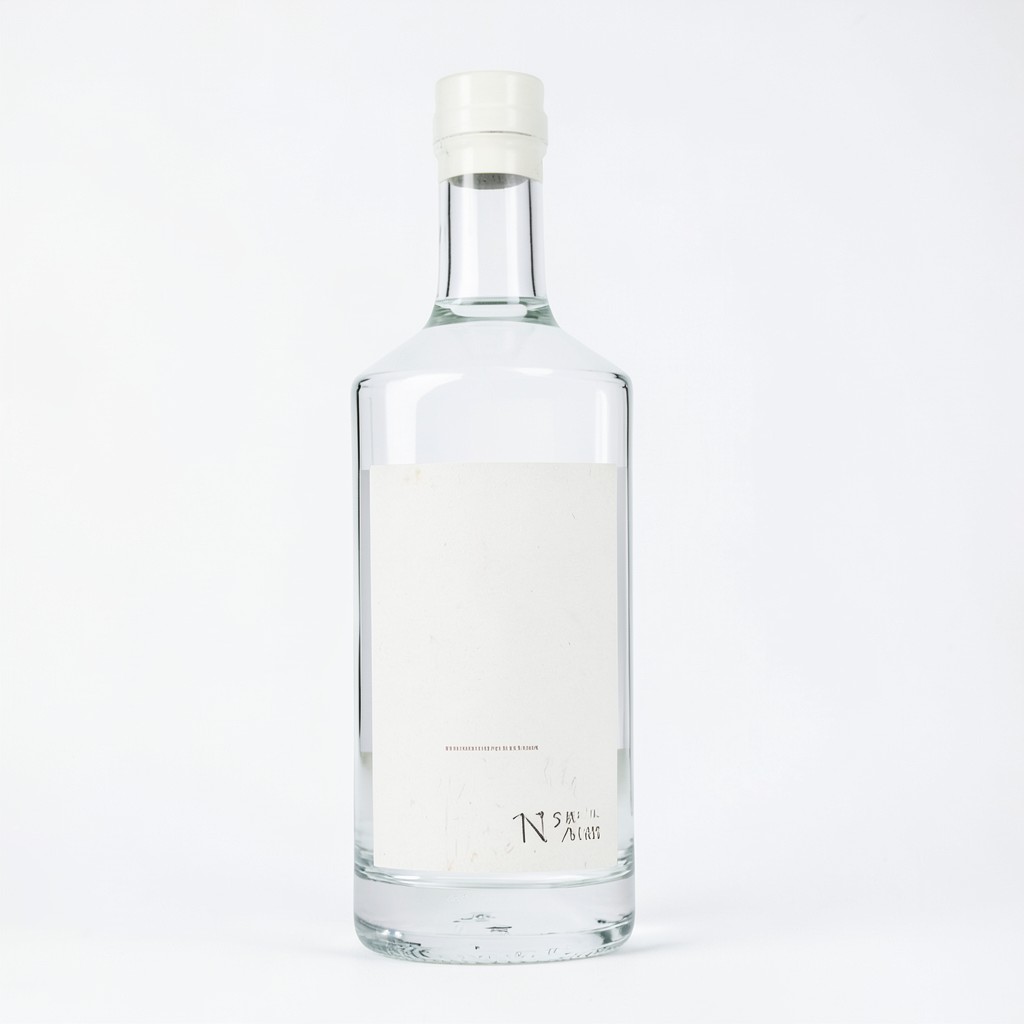 5 cl Botanical Gin
A London dry or botanical-forward gin stands up to the cream and citrus.
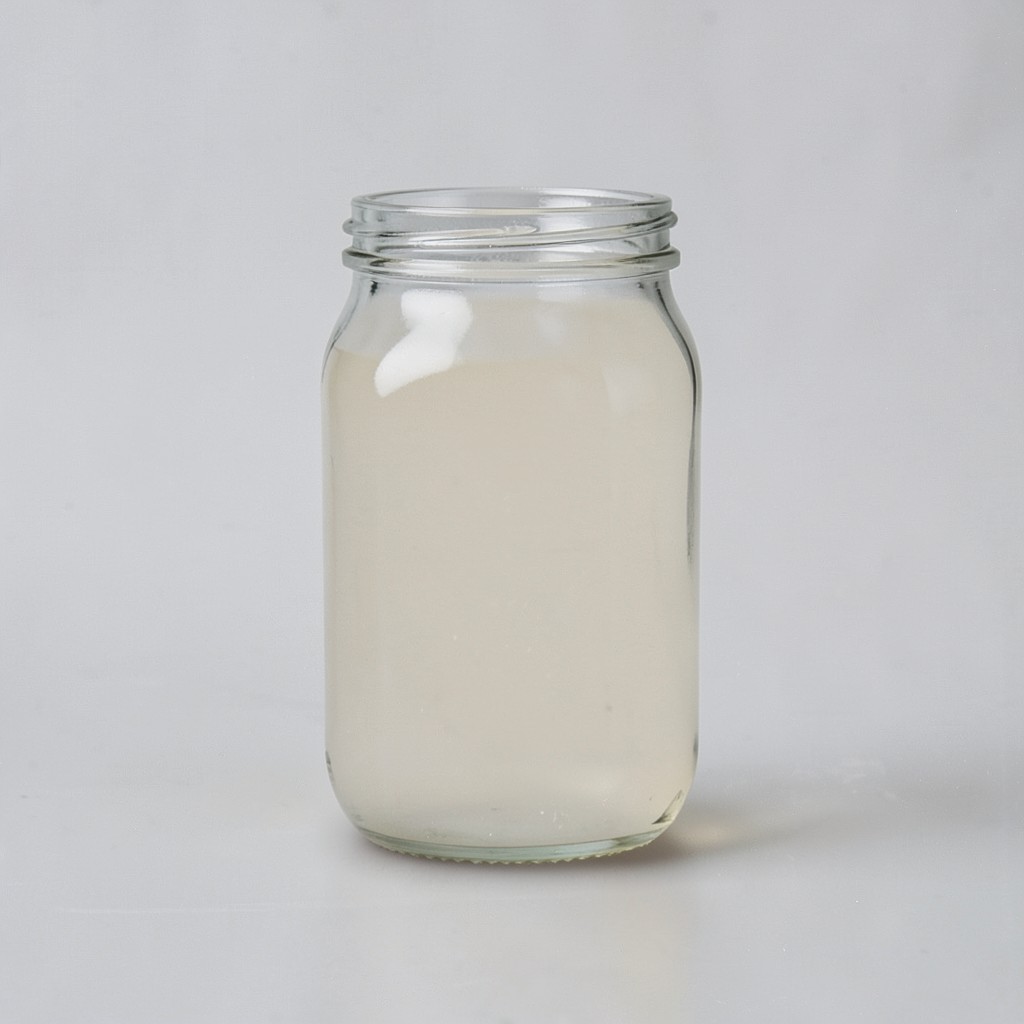 3 cl Sugar syrup, simple syrup, 1:1
Simple syrup dissolves evenly into the cold drink, unlike granulated sugar.
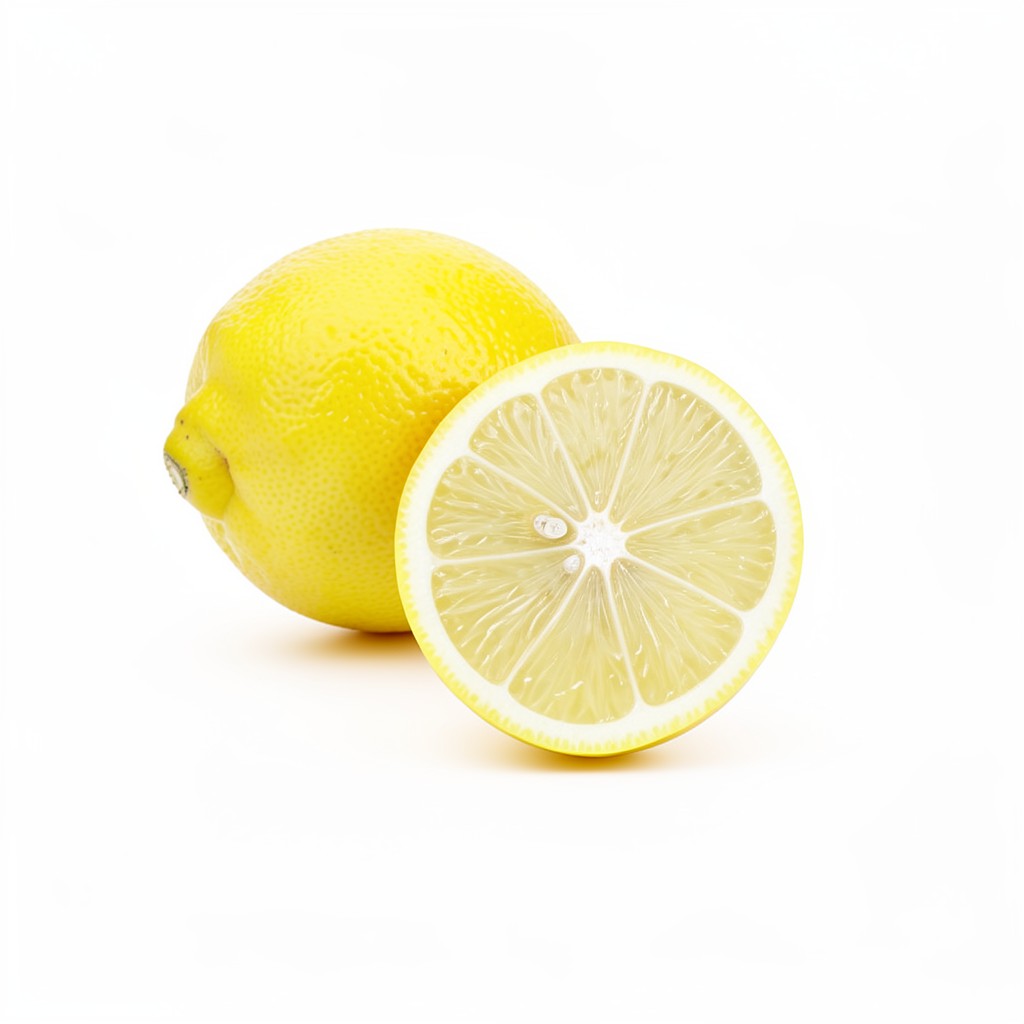 1.5 cl Lemon juice, freshly squeezed
Fresh juice is non-negotiable; bottled juice lacks the bright, clean acidity.
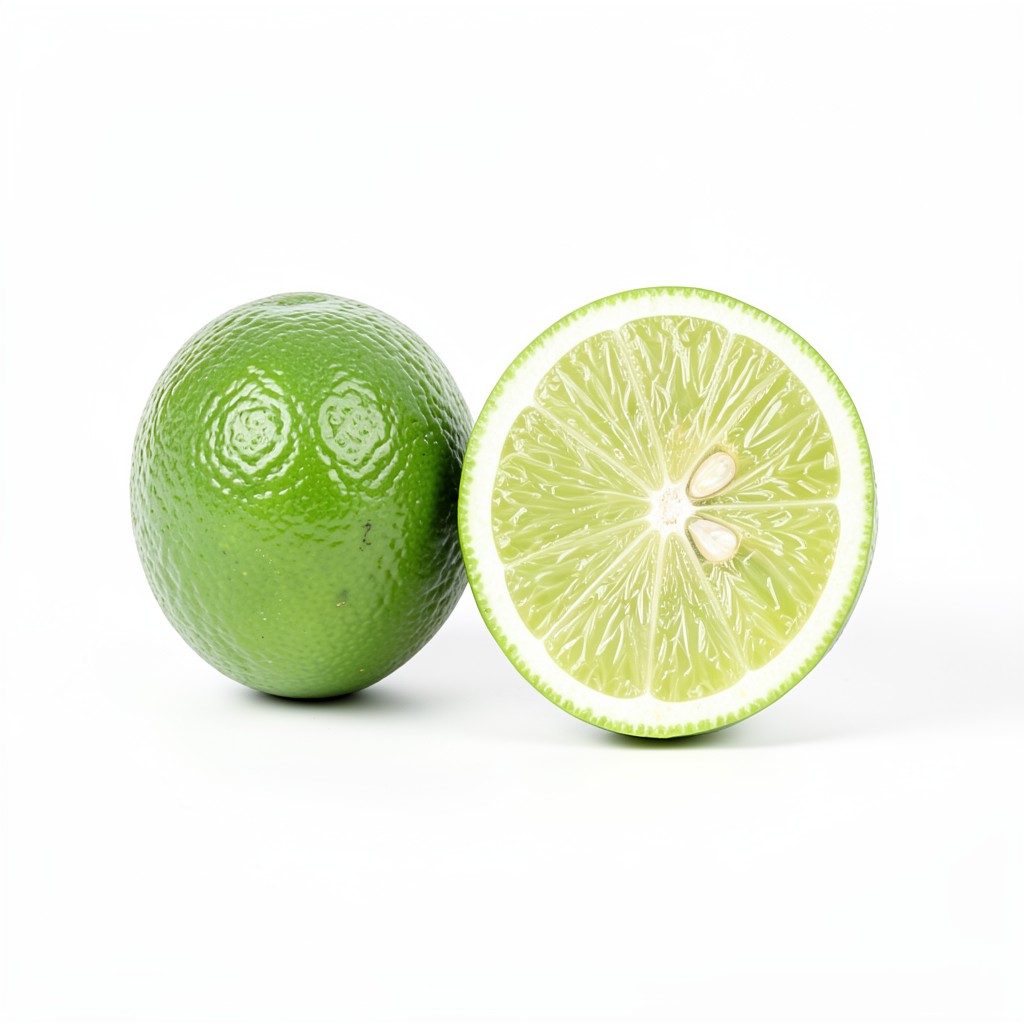 1.5 cl Lime juice, freshly squeezed
Adds a different citrus character that keeps the drink from being one-note.
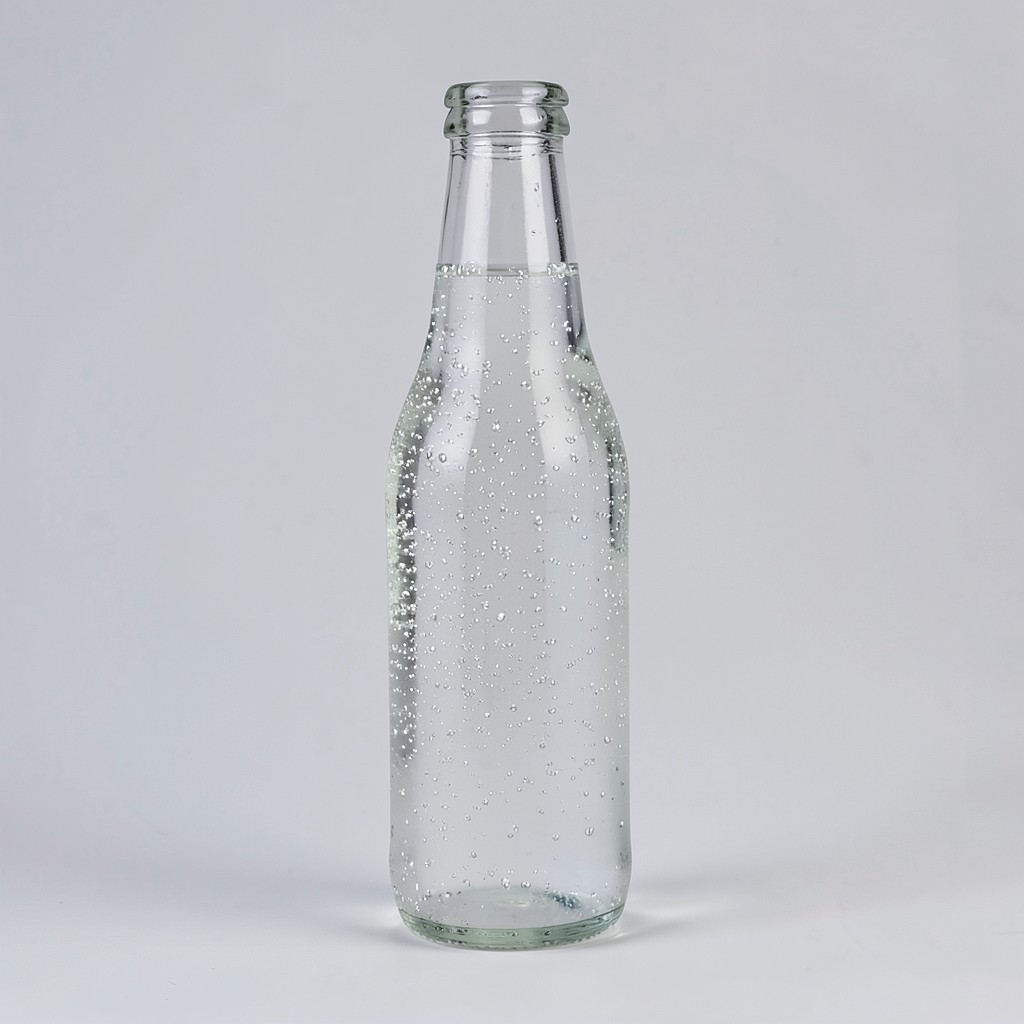 3 cl Soda water, chilled
Use a fresh, cold bottle for maximum fizz.
 0.5 cl Orange blossom water
A little goes a long way; it's the signature floral note.
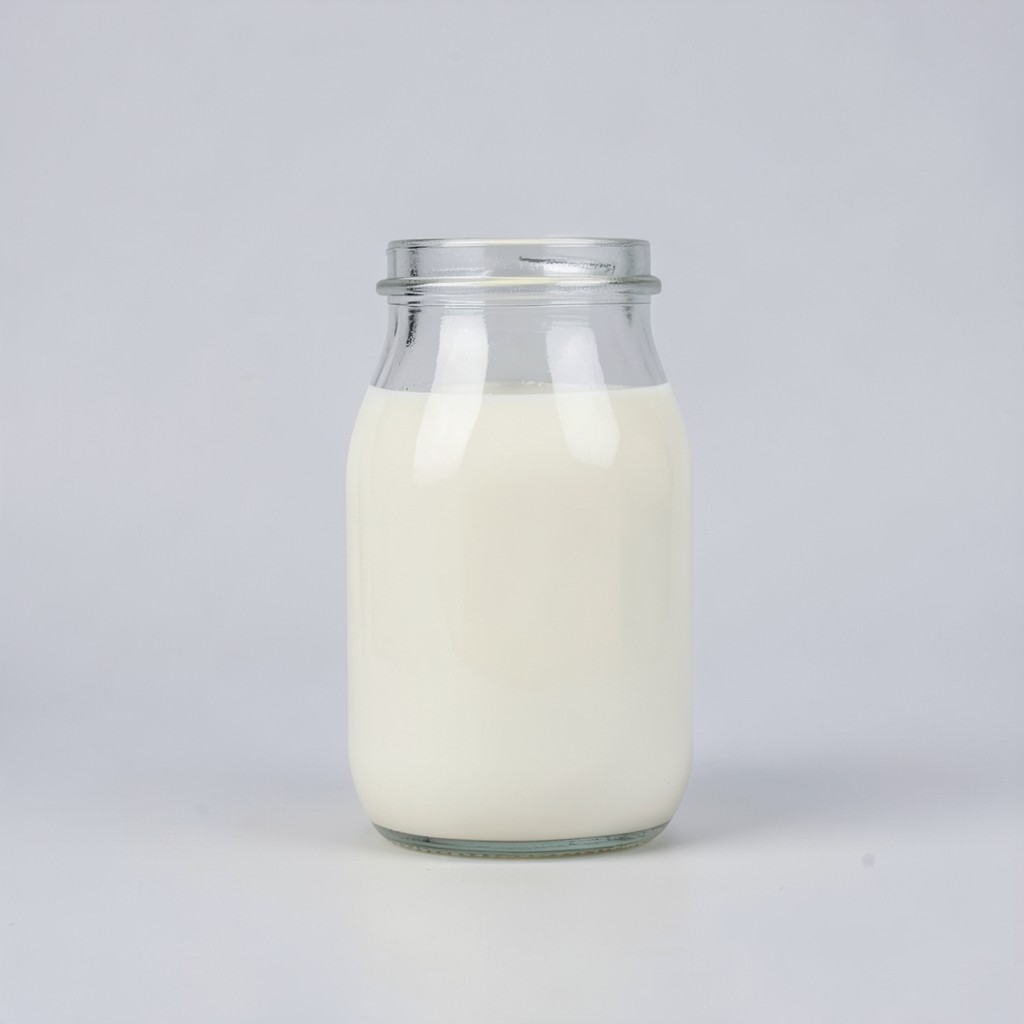 5 cl Light fresh cream, single cream, 20% fat
Light cream whips into a stable foam without making the drink too heavy.
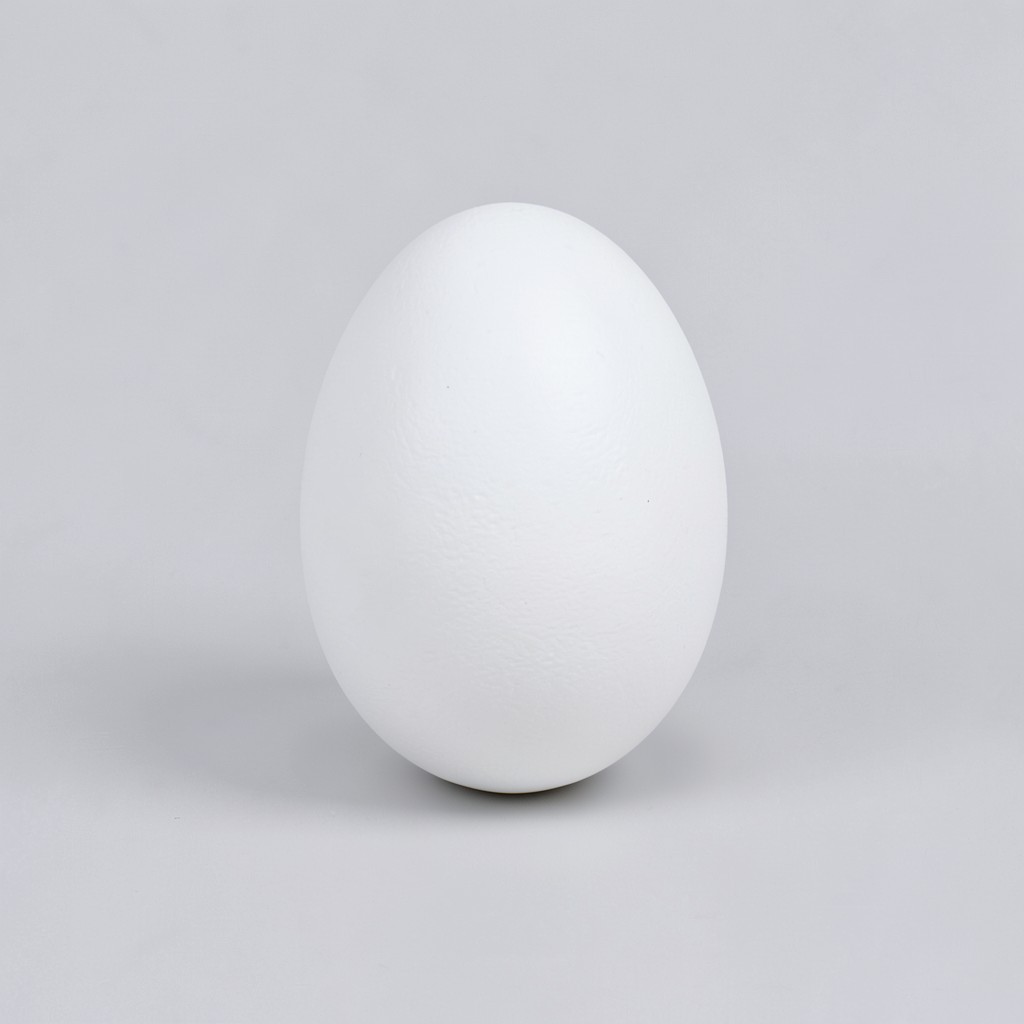 2.5 cl Quail egg white, or 1 large hen egg white
Quail eggs give a silkier texture, but a standard egg white works well.
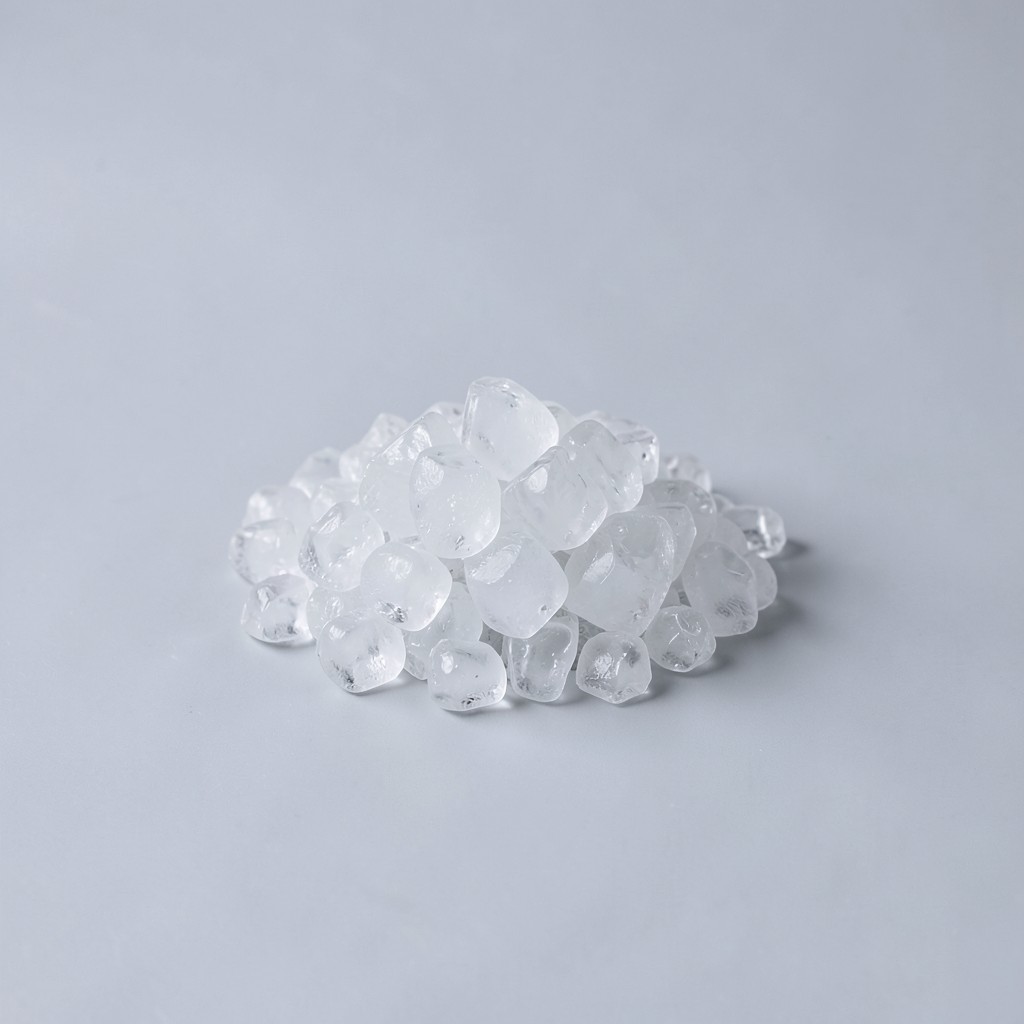 200 g Ice cubes, cracked, for shaking and serving
Cracked ice melts faster, giving the necessary dilution and chilling.
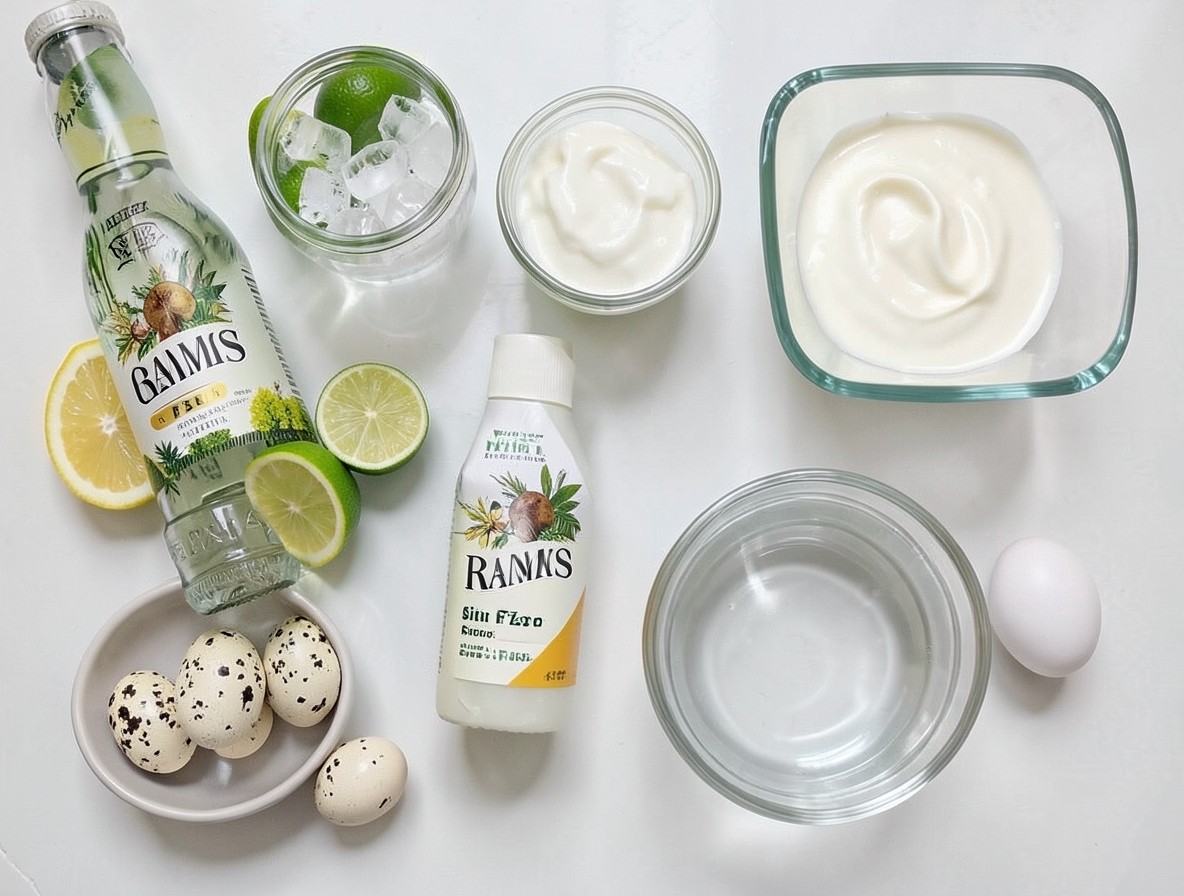
ingredients
The gin matters here. You want something with herbal or floral notes that can stand up to cream — a London dry like Beefeater or Tanqueray works, or a botanical-forward gin like Hendrick's. Avoid barrel-aged gins; they'll muddy the color and flavor.
For the cream, use light cream (around 20% fat). Heavy cream will make the drink too dense and cloying. If you can find quail eggs, use them — they make a noticeably silkier foam. Otherwise, one large hen egg white is fine. The orange blossom water is not optional. It's the note that makes the drink smell like a New Orleans garden and ties everything together. Get it from a Middle Eastern grocery or online.
You need: jigger or measuring spoons, cocktail shaker, strainer, bar spoon, tall Collins glass.
Method
Build the base
Add the gin, sugar syrup, lemon juice, lime juice, orange blossom water, cream, and quail egg white to your cocktail shaker. Do not add ice yet. This is the critical first step — we're going to dry shake first.
Look for: The mixture in the shaker is a pale, opaque yellow, with the cream and egg white visibly swirling into the citrus.
Common mistake: Adding ice before the dry shake. Ice will chill the mixture and make the emulsification process much harder, leading to a thin, watery foam.
Seal the shaker and shake it as hard as you can without ice for two minutes. You're building the foam structure here. The egg white and cream need to whip together into a dense emulsion before the ice dilutes it.
Look for: You'll feel the pressure build inside the shaker as the foam forms. The shaker will become harder to hold as the mixture thickens and aerates.
Common mistake: Shaking gently. A gentle shake won't create enough friction and aeration. You need to be violent — your arm should burn by the end of the two minutes.
Open the shaker, add the cracked ice, and seal it again. Now shake for another three minutes. This chills the drink and continues to build the foam. As the ice melts, it provides the dilution that mellows the alcohol and brings the drink together.
Look for: The outside of the shaker will frost over with condensation. When you shake, you should hear the ice clattering but the liquid inside has a thicker, creamier sound.
Common mistake: Cutting the shake short. Three minutes feels like an eternity, but it's essential. A shorter shake gives you a weak foam and a drink that separates quickly.
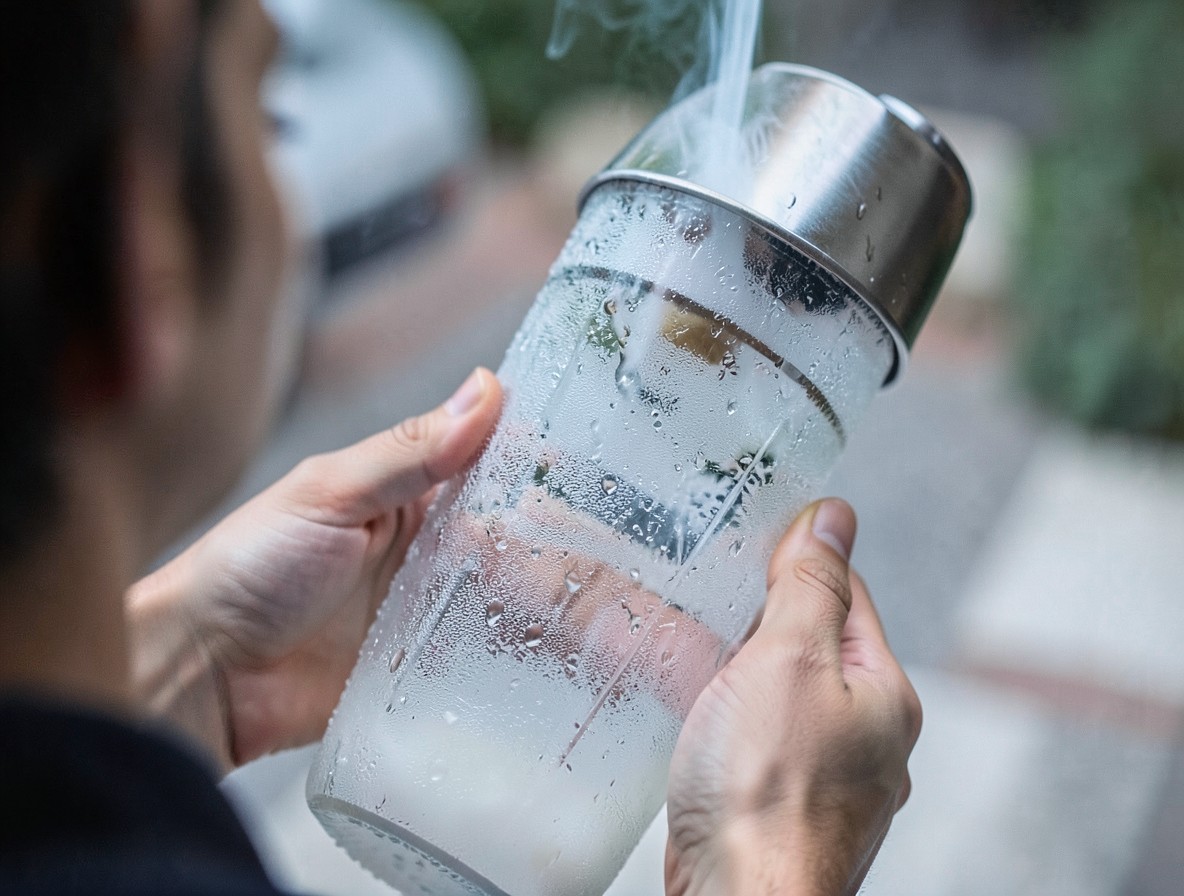
Strain the mixture into a tall Collins glass filled with fresh cracked ice. Pour slowly and steadily. You're not just pouring a drink — you're placing a cloud of foam into the glass. Stop before you add the soda.
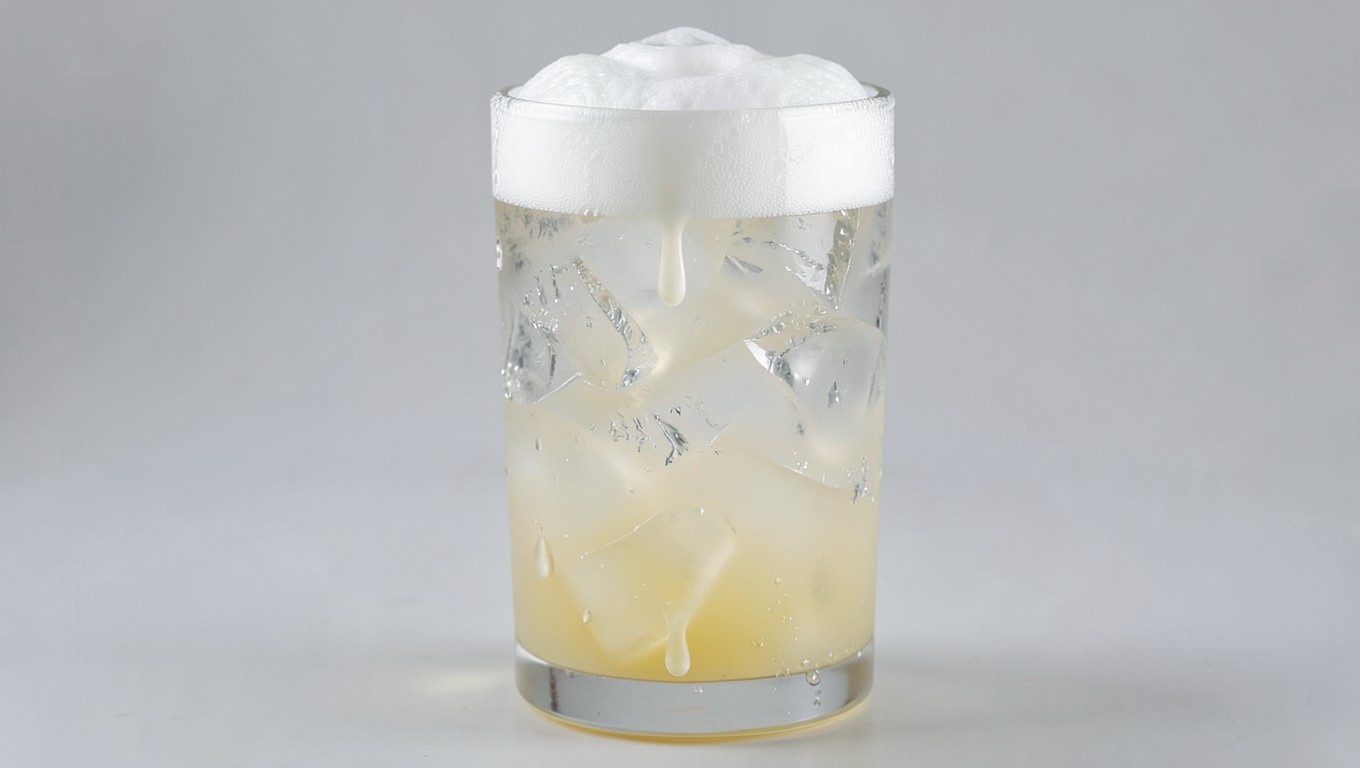
Look for: The liquid is a pale, creamy yellow, and the top is crowned with a thick, white foam head that rises above the rim.
Common mistake: Pouring too fast, which collapses the foam. Let it settle into the glass gently.
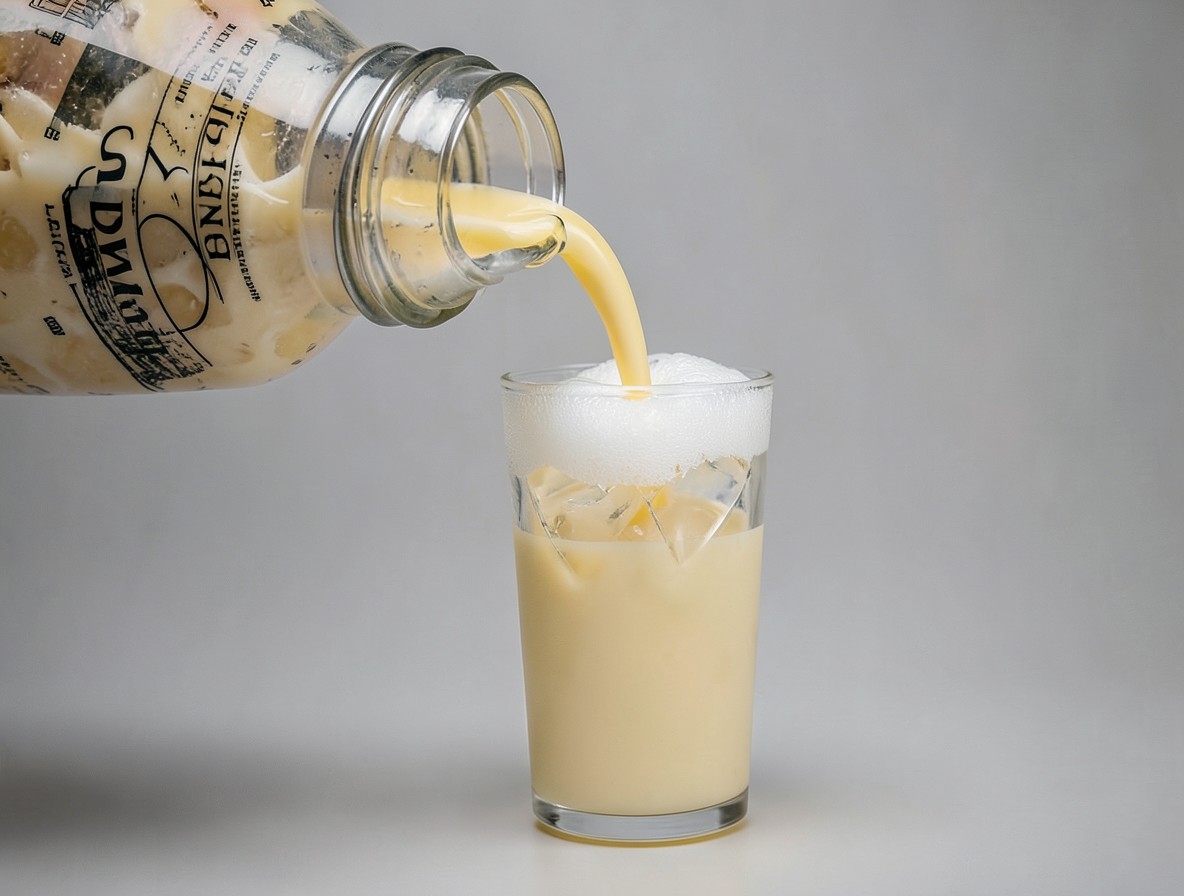
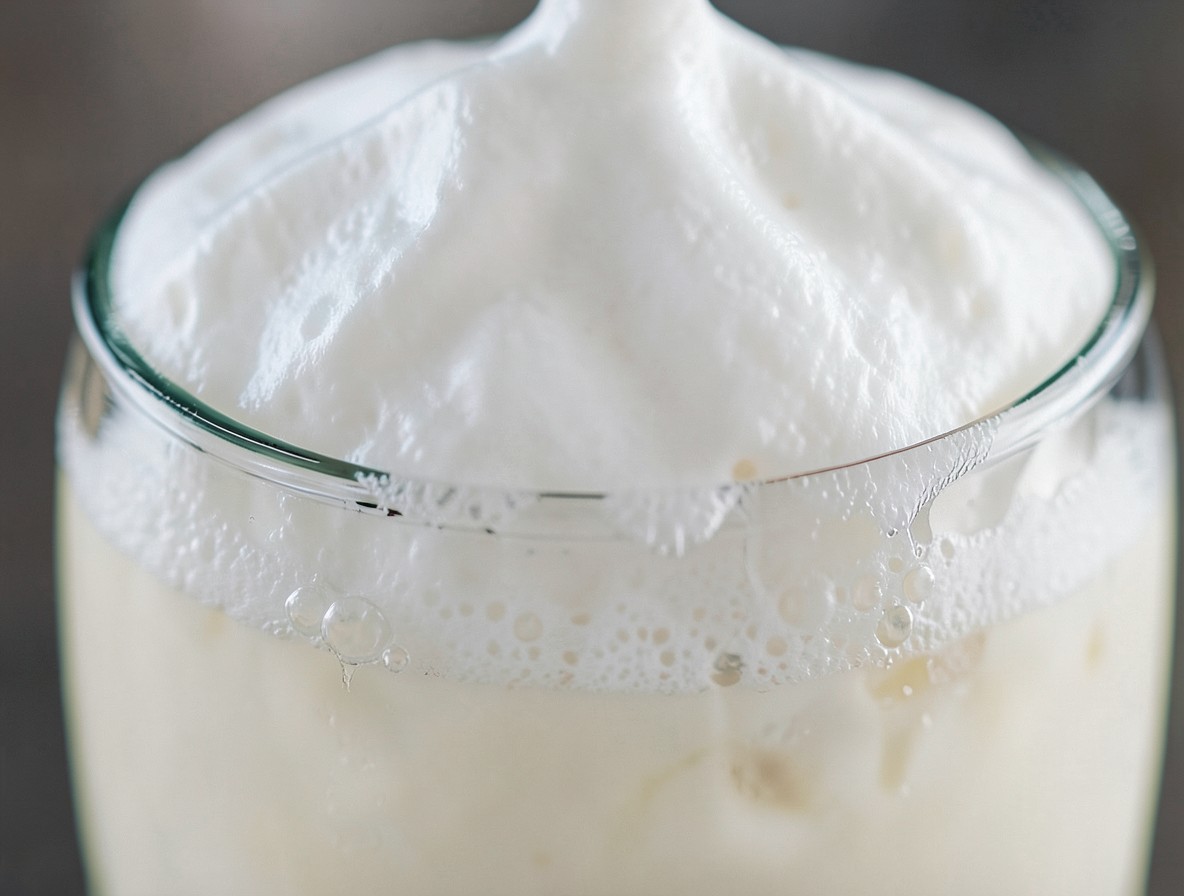
Gently pour the soda water down the side of the glass, letting it sink to the bottom and lift the drink without disturbing the foam head. The foam should rise above the rim of the glass. This is the signature look.
Look for: The foam head pushes up over the rim of the glass like a creamy cloud. The drink below is a pale, opaque yellow.
Common mistake: Pouring soda directly into the center, which blasts through the foam and deflates it. Always pour it down the side.
Tips from the bar
- 1Use a large Collins glass. The foam almost doubles the volume of the drink, and you need the headroom.
- 2If you're making multiple drinks, shake them in batches. The drink is impossible to batch because the foaming is per-glass.
- 3Chill your serving glass beforehand. It keeps the drink cold longer and helps the foam stay stable.
- 4Don't skip the orange blossom water. It's the backbone of the drink's aroma, and substitutes just don't work.
- 5For a lighter version, you can substitute the light cream with half-and-half, but the texture will be thinner.
Variations
- The New Orleans original often uses a heavier hand with the orange blossom water, giving it a more floral, perfume-forward character.
- Some bartenders prefer a 'reverse dry shake' — shaking the drink with ice first, then straining off the ice and shaking again without it. This can create an even airier foam.
- For a non-dairy version, coconut cream can substitute for the dairy cream, but it will significantly change the flavor profile, adding a tropical note.
- The 'Silver Fizz' is the same drink without the cream, making it a clearer, crisper cocktail.
Substitutions
- Quail egg white can be replaced with one large hen egg white. The texture will be slightly less silky, but the foam will still be excellent.
- If you don't have orange blossom water, you can use a small amount of orange flower extract, but use half the quantity and be careful — it's much more concentrated.
- Light cream can be replaced with half-and-half, but the drink will be thinner and less rich.
- Any London dry or botanical-forward gin will work. Avoid barrel-aged or heavily spiced gins.
Serving, storing, batching
Serve the Ramos Gin Fizz immediately after it's made, with no garnish. The foam is the star. It pairs beautifully with a light brunch, think fresh fruit, croissants, or oysters, where its creamy texture and bright citrus cut through the richness of the food.
This drink does not store. The foam will collapse and the ingredients will separate within minutes. Make it fresh and drink it immediately. You can't prepare the base in advance, as the emulsion is the entire point.
This is a one-glass-at-a-time drink. The foam is created by shaking, and you cannot scale that process. If you're serving a crowd, recruit friends to shake in shifts—this is historically accurate, as the original bar employed multiple 'shaker boys' for this exact reason.
Questions people ask
A classic Gin Fizz is a simple drink made with gin, lemon juice, sugar, and soda water, shaken and strained. The Ramos Gin Fizz adds cream, orange blossom water, and egg white, and is shaken for a much longer time to create a thick, creamy foam. The Ramos is richer, silkier, and a completely different beast.
The difficulty isn't in the ingredients or the technique, it's the time and stamina. The drink requires a long dry shake and then a long shake with ice — up to five minutes total. This is physically demanding and most home bartenders give up too early, resulting in a weak foam and a poorly emulsified drink.
The secret is the shake. You need to do a two-minute dry shake (without ice) followed by a three-minute shake with ice. This long, vigorous shaking is what emulsifies the egg white and cream into a stable foam. You also need fresh citrus juice and a good botanical gin.
You should shake it for a total of five minutes: two minutes without ice (the dry shake) and three minutes with ice. Some recipes call for even longer. This extended shaking is non-negotiable for the signature tall, creamy foam.
A classic Gin Fizz has just four ingredients: gin, fresh lemon juice, sugar, and soda water. It's a simple, refreshing cocktail. The Ramos Gin Fizz, in contrast, also includes cream, orange blossom water, and egg white, making it a far more luxurious and complex drink.
The best recipe uses a botanical gin, fresh lemon and lime juice, simple syrup, light cream, a quail egg white, a dash of orange blossom water, and soda water. The key is the five-minute shake: two minutes dry, then three minutes over cracked ice. This recipe on this page is exactly that.
Yes, you can use a blender to speed up the process. Combine all ingredients except the soda and ice in a blender and blend on high for 30 seconds. Then add the ice and blend for another 30 seconds. The texture will be slightly different, but it's a common method for making them at home.
The most common reason is not shaking long enough. The egg white and cream need several minutes of vigorous shaking to emulsify into a stable foam. Also, make sure your ingredients are cold and your cream is fresh. A weak shake is the usual culprit.
A London dry gin like Beefeater or Tanqueray is a classic choice because its juniper-forward profile stands up well to the cream and citrus. A botanical-forward gin like Hendrick's also works beautifully, adding a softer, more floral character.
The Ramos Gin Fizz was created in 1888 by Henry C. Ramos at his bar, the Imperial Cabinet Saloon, in New Orleans, Louisiana. It became a local legend and a symbol of the city's cocktail culture.
Last word
This is a drink you make when you want to show off — or when you want to taste what a century of cocktail history feels like in a glass. It takes five minutes of effort and one sip to understand why it's a legend. Mix one up and taste New Orleans.