The Casino Cocktail: A Gin Sour Worth Knowing
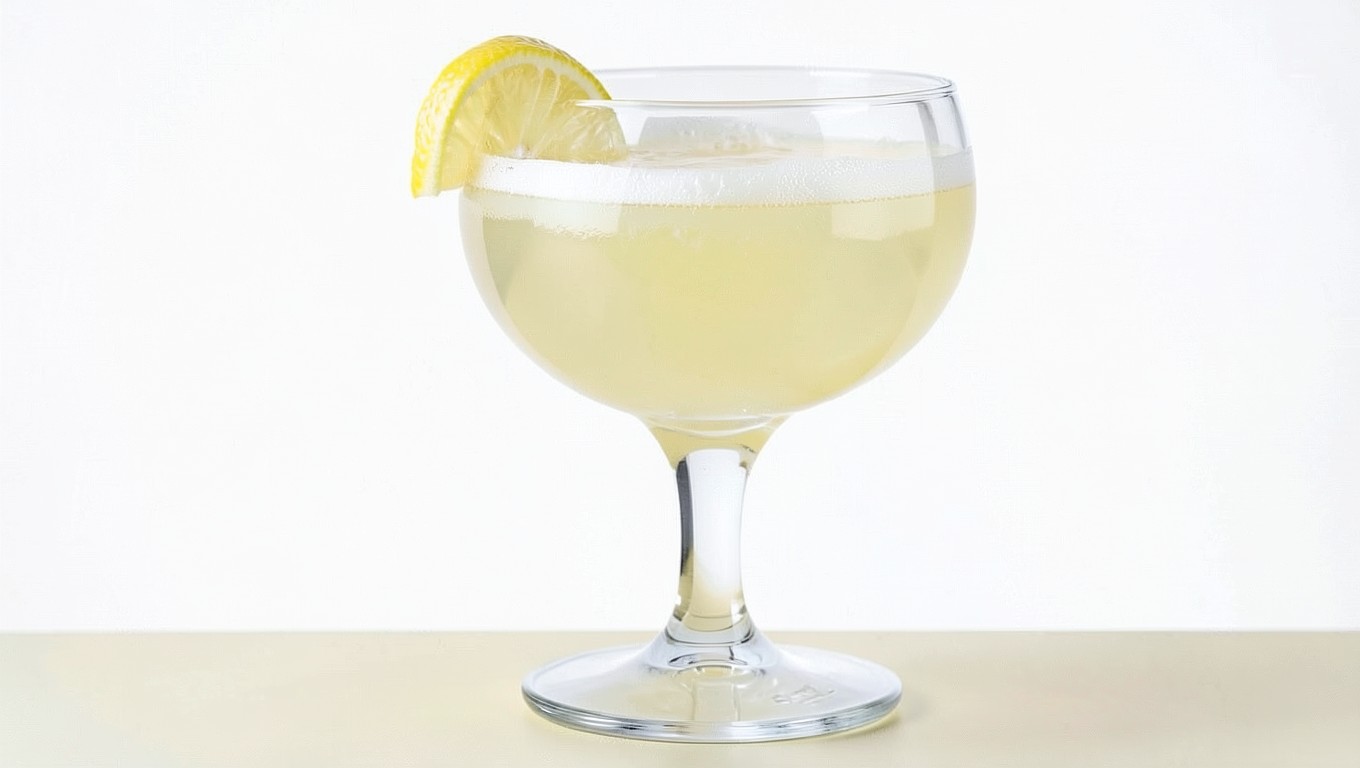
The Casino is a classic gin sour made with gin, fresh lemon juice, maraschino liqueur and orange bitters, shaken with ice and served up in a chilled coupe or Nick and Nora glass. Takes about 5 minutes.

- Basegin
- Strength25% ABV, approximate
- Methodshake
- Glasscoupe
- Difficultyeasy
- Total5 min
- Serves1
- Tart
- Lightly sweet
- Herbaceous with a dry cherry-almond finish
- Jigger or measuring spoons
- Cocktail shaker
- Strainer
- Fine strainer
- Nick and Nora glass or coupe
The Casino does a lot with a little. It sits neatly between a Gin Sour and a Martinez. Tart from the lemon, lightly sweet from the maraschino, and the orange bitters pull everything into focus. The maraschino here isn't the bright red stuff on store shelves. It's Luxardo Maraschino, a clear Italian liqueur made from Marasca cherries, bringing a dry, nutty, almost almond-like character.
About the Casino
The Casino dates back to the early 20th century, appearing in some of the first serious cocktail books. Hugo Ensslin's 1916 'Recipes for Mixed Drinks' includes a version, and it shows up again in Harry McElhone's 'Barflies and Cocktails' in 1927. Some sources call it a Casino Royale, others a London Town. The drink is a member of the sour family, sharing DNA with the Sidecar and the Whiskey Sour, but swapping in gin and maraschino for a drier, more floral profile. It's a pre-Prohibition classic that fell out of fashion for decades, then came back with the cocktail revival.
Why it works
- 1The lemon juice cuts the gin's botanicals and keeps the drink bright instead of syrupy.
- 2Maraschino liqueur adds a dry cherry-almond note that sweetens without turning cloying.
- 3Orange bitters bridge the gin and cherry flavors, adding a layer of citrus peel complexity.
- 4Shaking with ice gives the drink proper dilution and a frothy texture on top.
Ingredients
Serves 1.
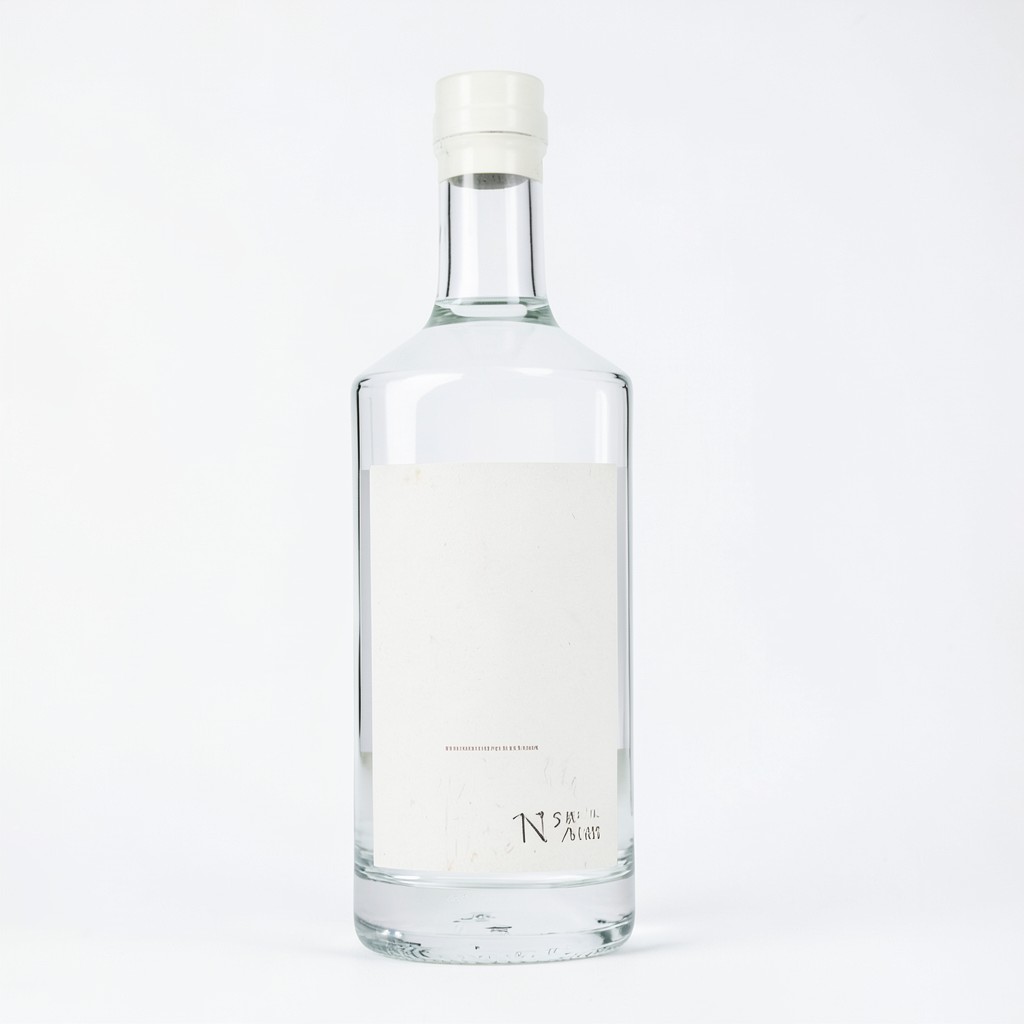 45 ml Gin
A London dry gin works best. Its juniper-forward profile holds up to the lemon and sweetener.
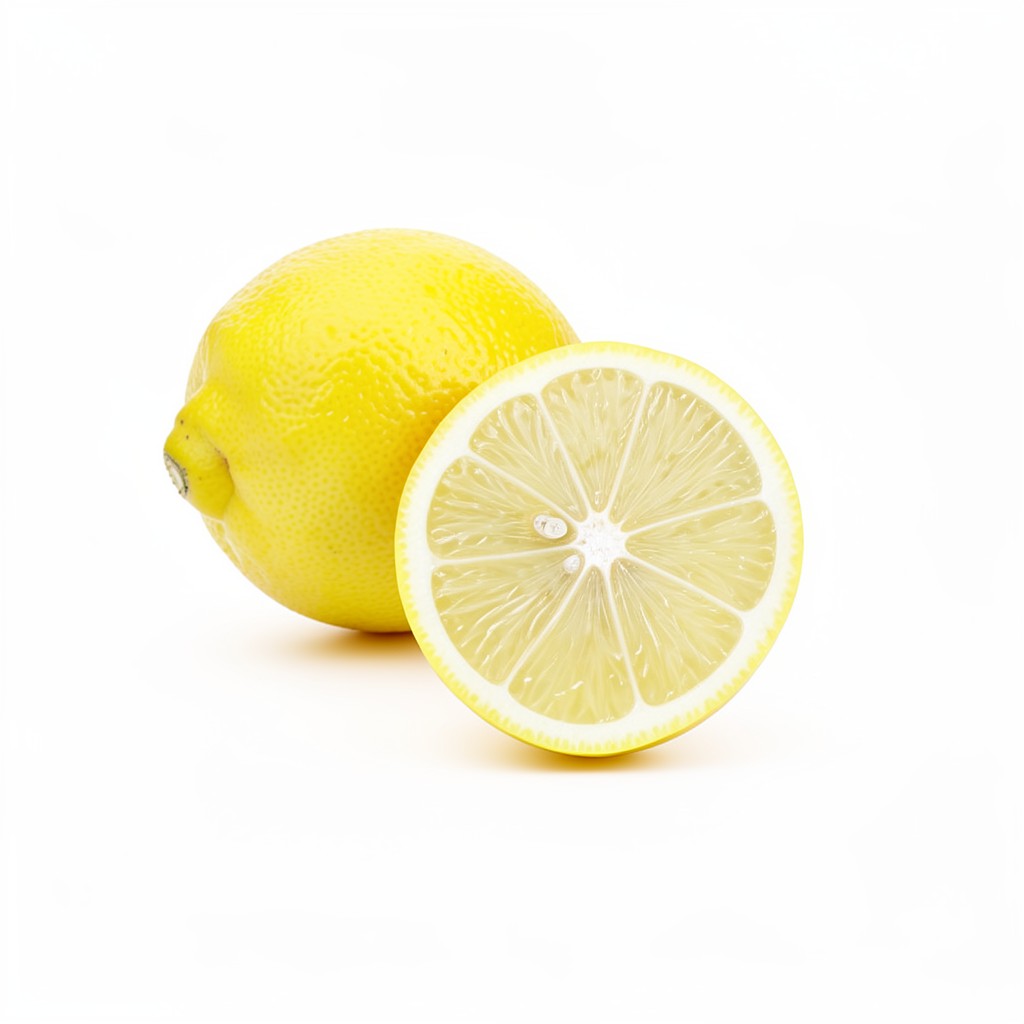 15 ml Fresh lemon juice, strained
Bottled juice tastes flat. Squeeze it fresh, strain out the pulp and seeds.
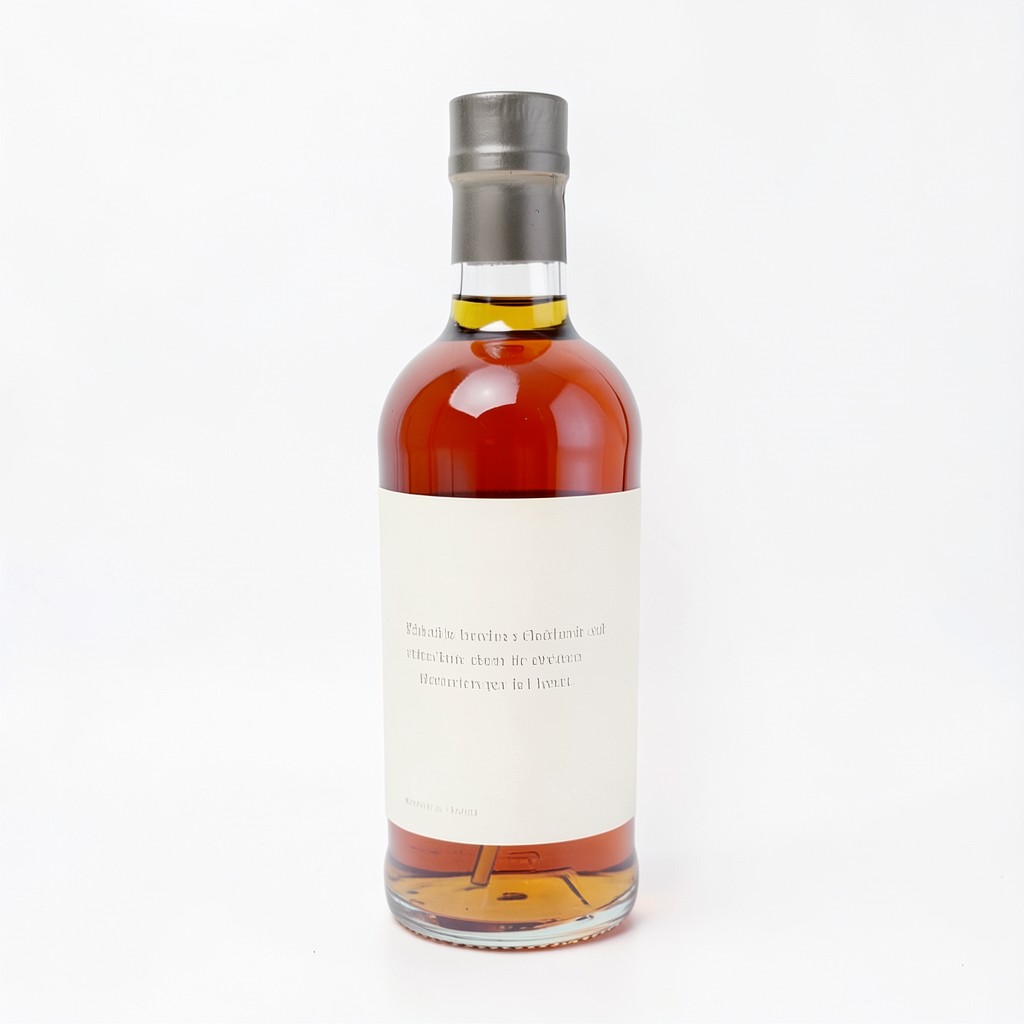 23 ml Maraschino liqueur
Luxardo is the standard. It's dry, slightly nutty, and not overly sweet.
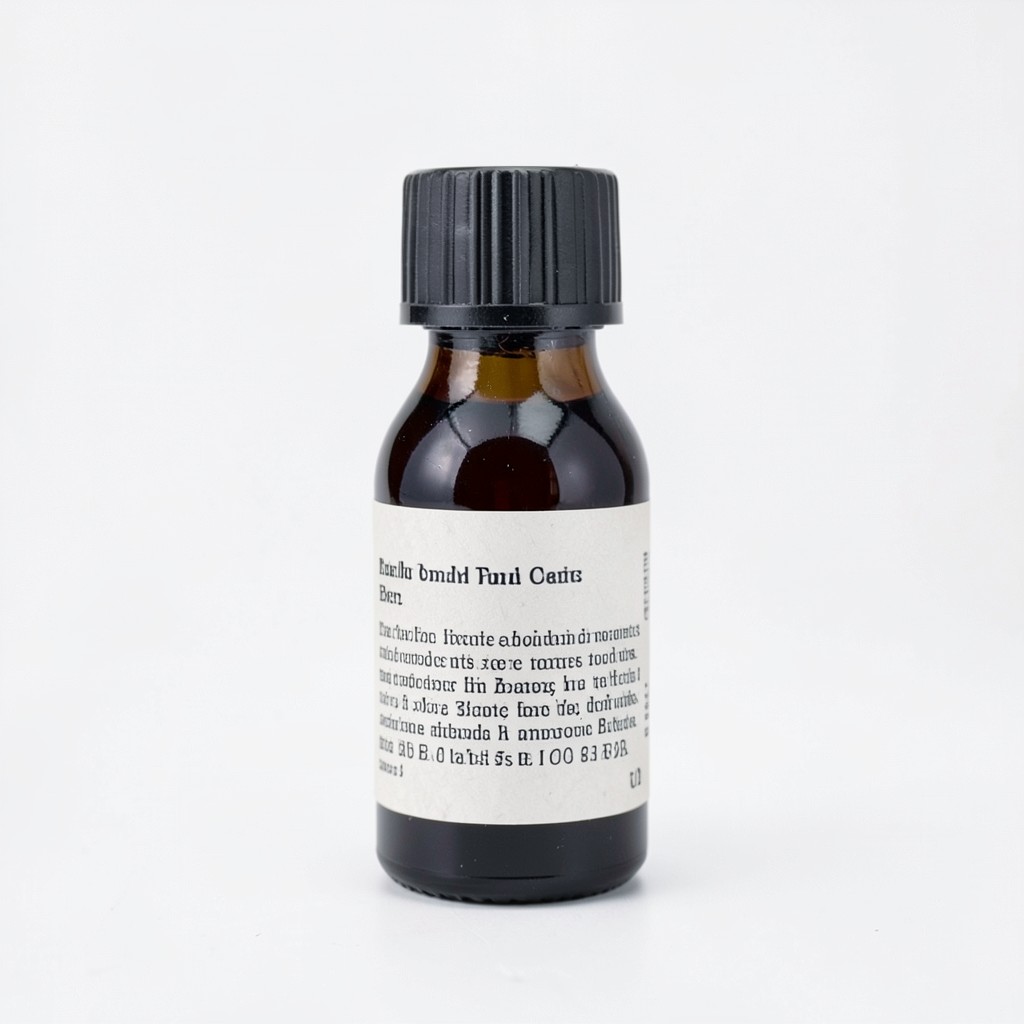 1 dash Orange bitters
A single dash adds a citrus peel lift that ties the drink together.
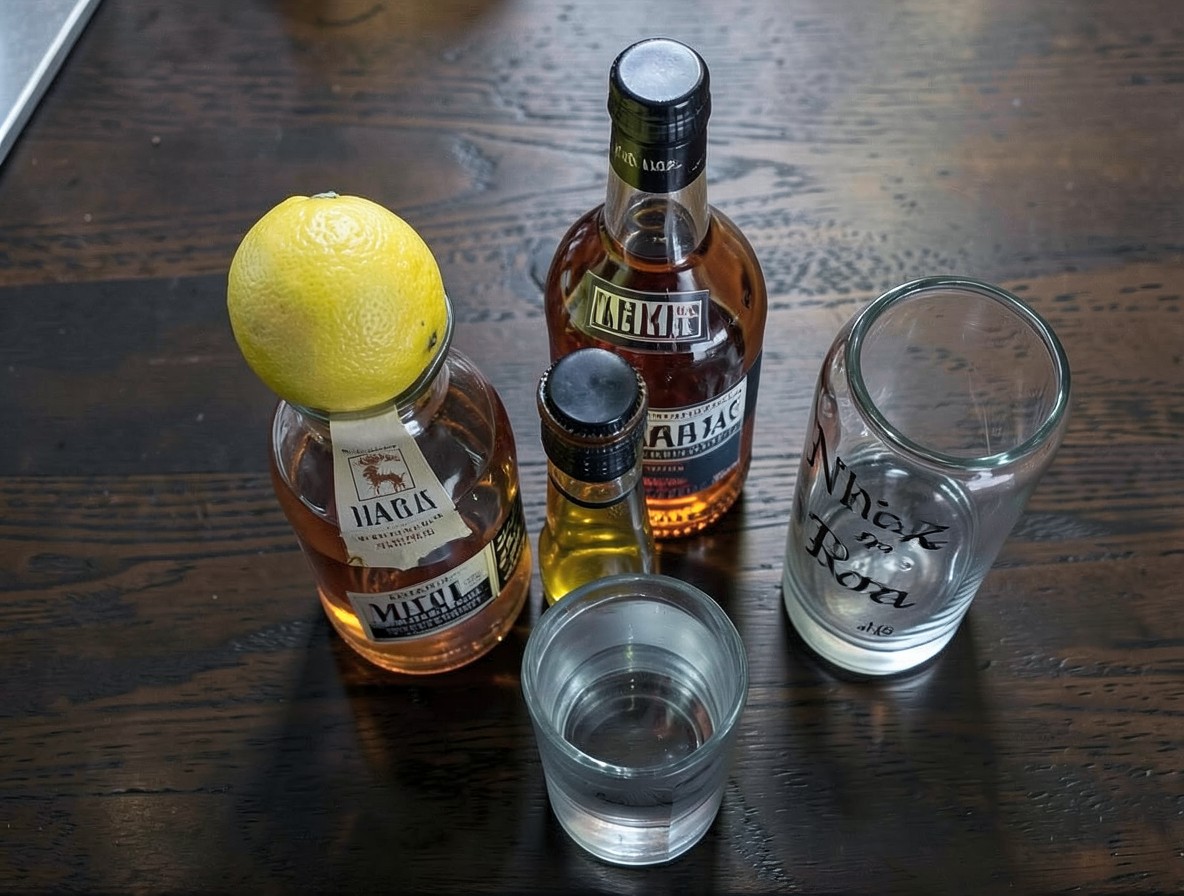
ingredients
Use a London dry gin like Beefeater or Tanqueray. Plymouth gin also works—it's softer and slightly sweeter. For the maraschino, Luxardo is the benchmark. If you can't find it, another dry cherry liqueur like Maraska or a kirsch-based liqueur can step in, though the flavor will shift. Fresh lemon juice is non-negotiable. The drink is small and precise, so every ingredient is exposed.
You need: jigger or measuring spoons, cocktail shaker, strainer, fine strainer, Nick and Nora glass or coupe.
Method
Chill your glass
Drop your Nick and Nora or coupe in the freezer, or fill it with ice and let it sit while you build the drink. A cold glass keeps the cocktail cold longer and keeps the dilution honest.
Look for: The glass gets a light frost on the outside after a minute or two.
Common mistake: Skipping the chill and serving in a warm glass. The drink warms up fast and the balance flattens.
Pour 45 ml gin, 15 ml fresh lemon juice, 23 ml maraschino liqueur and one dash of orange bitters into a cocktail shaker. Add a generous scoop of ice so the shaker is about two-thirds full.
Look for: The ice fills the shaker, and the liquid looks pale yellow and slightly cloudy from the lemon juice.
Common mistake: Using too little ice. The drink needs the cold and the dilution from melting ice. Skimping on ice gives you a warm, harsh cocktail.
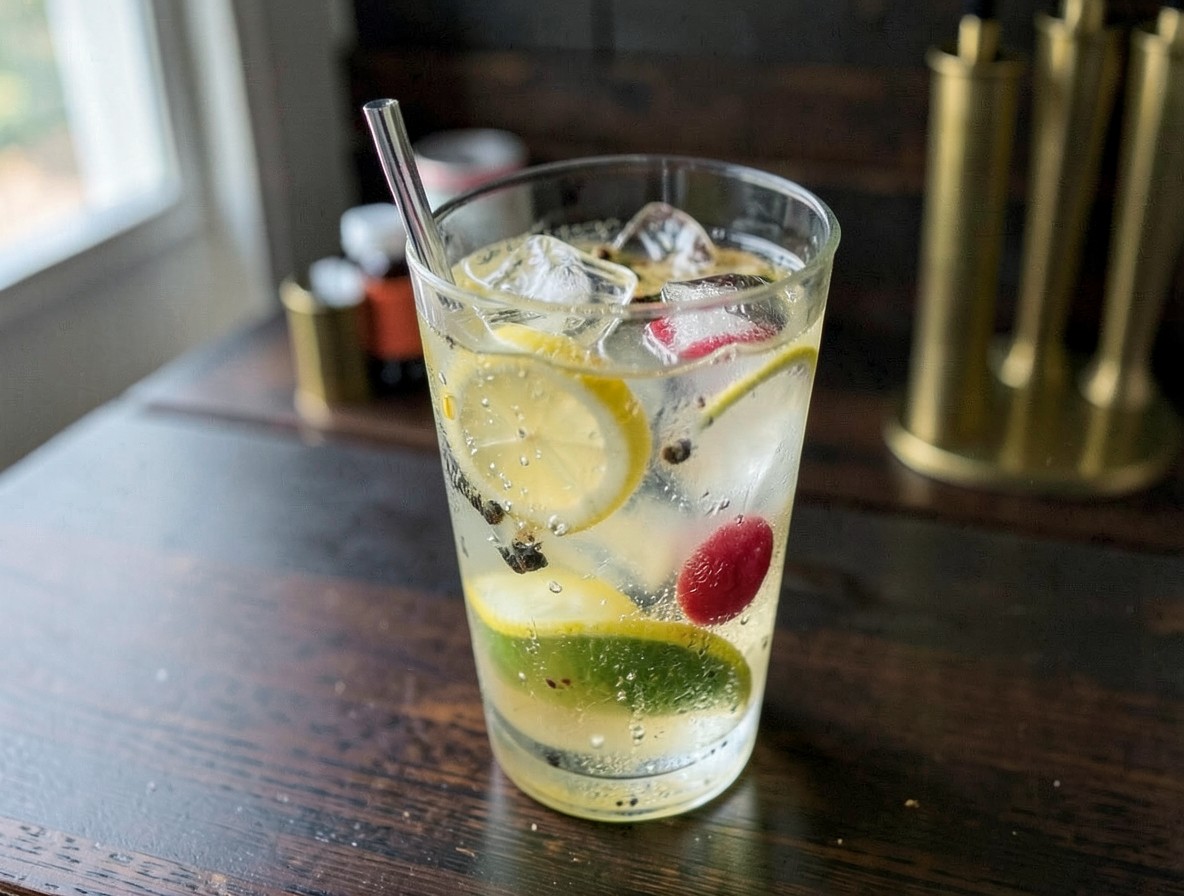
Shake for 10 to 12 seconds. You're not just chilling the drink—you're aerating it. The lemon juice needs that agitation to create a light, frothy texture on top. Shake hard enough that the shaker gets uncomfortably cold to hold.
Look for: The outside of the shaker frosts over and you hear the ice stop sloshing and start cracking as the drink gets cold.
Common mistake: Shaking too long. Over-diluted means watery and flat. Ten to twelve seconds of hard shaking is the sweet spot for a citrus drink this size.
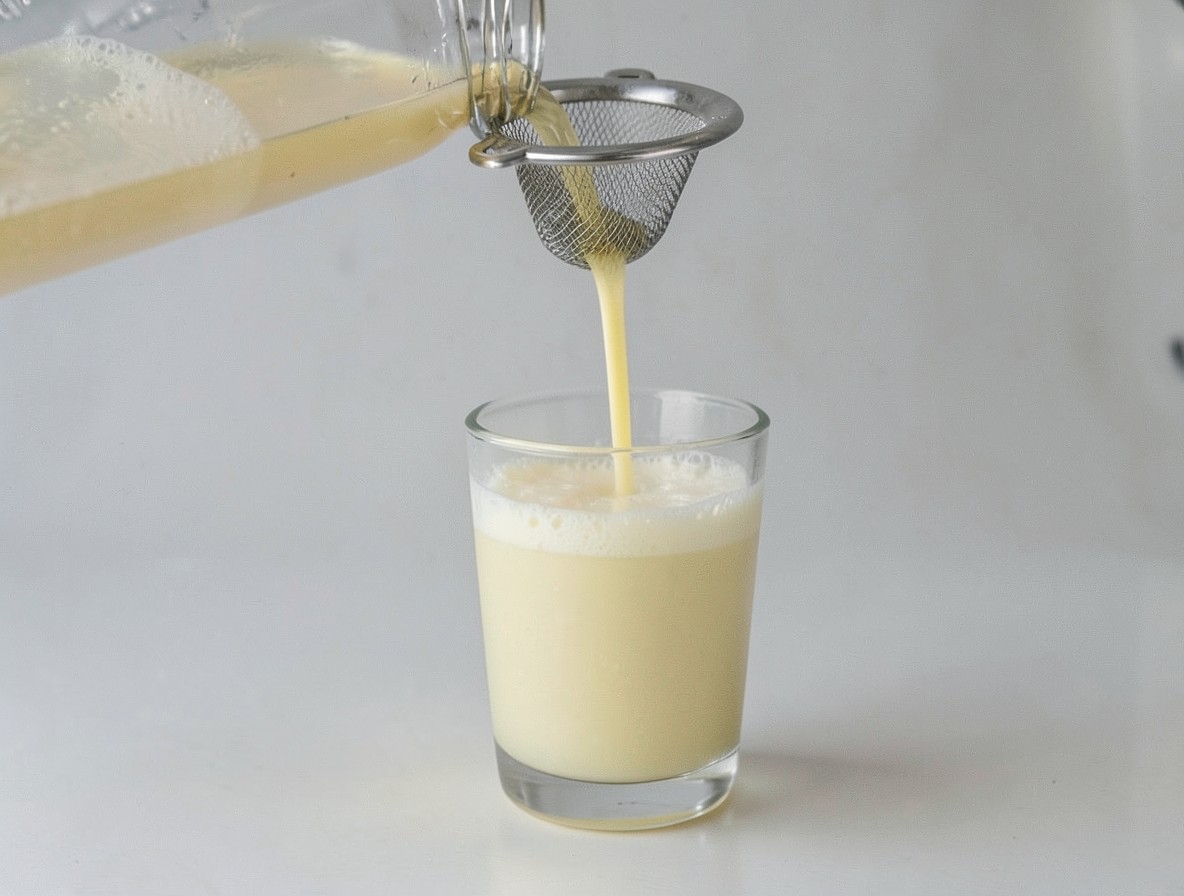
Strain through your shaker's built-in strainer and a fine mesh strainer at the same time into your chilled glass. The fine strainer catches tiny ice shards and lemon pulp that would muddy the texture.
Look for: The liquid pours out clean and clear-ish, with a thin layer of froth on top. No ice chips in the glass.
Common mistake: Skipping the fine strainer. Ice shards and lemon pulp dilute the drink faster and give it a gritty mouthfeel.
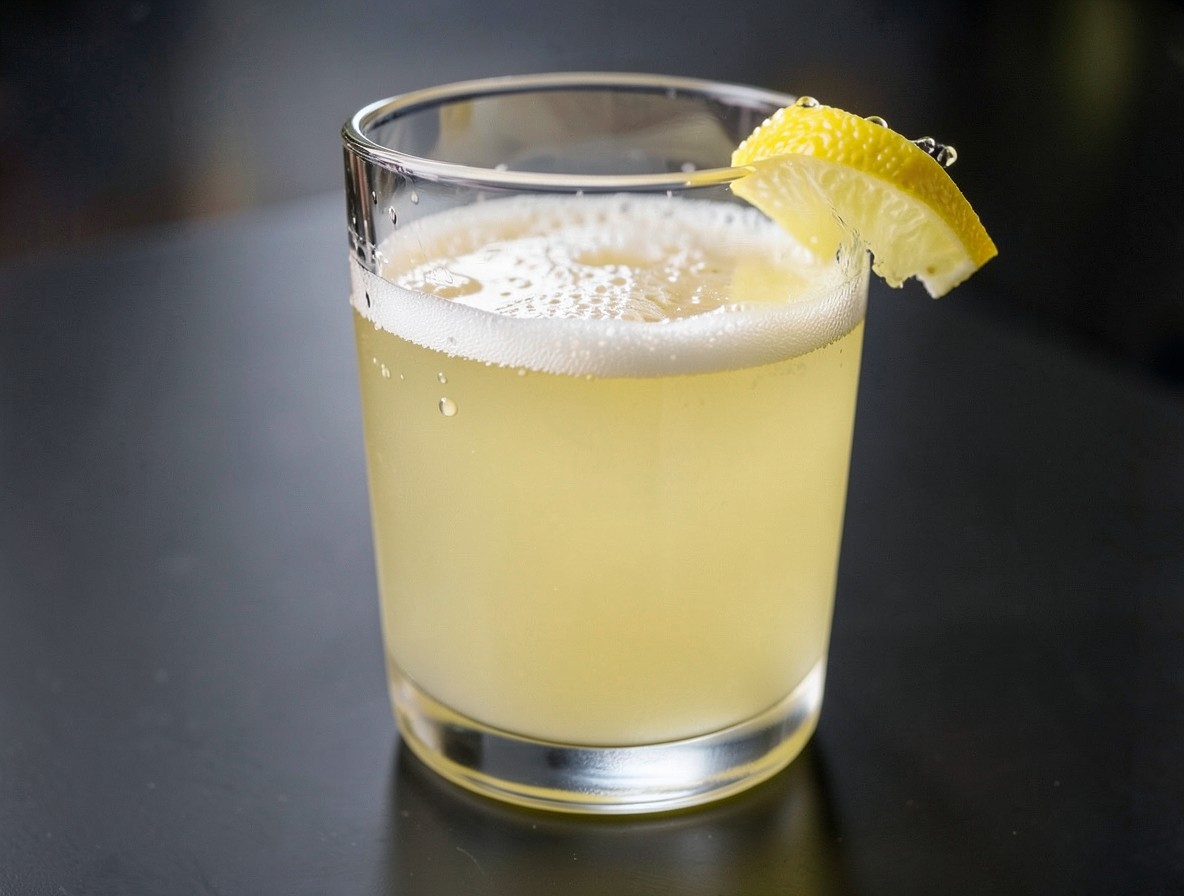
Twist a strip of lemon peel over the drink to express the oils, then drop it in or rest it on the rim. The oils land on the surface and add a bright citrus aroma before you take a sip.
Look for: A faint shimmer of citrus oil on the surface of the drink, and the lemon peel resting on the edge of the glass.
Common mistake: Skipping the garnish. The lemon oil is part of the drink's aroma. Without it, you lose a whole layer of flavor.
Tips from the bar
- 1Measure precisely. This drink is about balance—an extra 5 ml of maraschino tips it into cloying.
- 2Chill the glass thoroughly. A warm glass will dilute your cocktail as the ice melts unevenly.
- 3Try a gin with more citrus notes, like a barrel-aged gin, for a different take. The botanicals will change the whole character.
- 4Double strain every time. The fine mesh catches the tiny ice shards that make the drink water down fast.
- 5Express the lemon peel over the drink, not just on it. The oils need to land on the surface, not the rim.
Variations
- Add a bar spoon of simple syrup if you prefer a sweeter sour. It shifts the balance toward a classic Gin Sour.
- Swap the orange bitters for Angostura for a spicier, more complex finish.
- Use a rye or bourbon instead of gin for a Casino riff that leans into the sour family. The drink becomes richer and warmer.
- For a larger format, scale the recipe by multiplying each ingredient and shake in batches. Keep the dilution ratio the same.
Substitutions
- Gin: Vodka works in a pinch, but you lose the juniper backbone. The drink becomes flatter.
- Maraschino liqueur: A dry cherry brandy or kirsch can substitute, but expect a less nutty, more fruity character.
- Orange bitters: A dash of Angostura or Peychaud's adds a different spice note. Use half a dash to start.
Serving, storing, batching
Serve this as a pre-dinner drink. It's bright and dry enough to wake up the palate, and the gin and citrus pair well with oysters, ceviche, or any light seafood starter.
This drink is meant to be made fresh. Don't batch and store it. The lemon juice will oxidize and lose its brightness within a few hours. If you must batch, combine the gin, maraschino and bitters ahead of time, then add fresh lemon juice and shake to order.
For a party, scale the recipe by the number of guests and combine everything except the lemon juice in a large bottle. When it's time to serve, add fresh lemon juice, shake each drink individually with ice, and double strain. For a truly large batch, shake multiple drinks at once in a large cocktail shaker, but don't overfill—dilution will be uneven.
Questions people ask
A Casino cocktail is made with gin, fresh lemon juice, maraschino liqueur (like Luxardo) and a dash of orange bitters. It's shaken with ice and served up in a chilled coupe or Nick and Nora glass, garnished with a lemon twist.
The Casino appears in Hugo Ensslin's 1916 'Recipes for Mixed Drinks' and later in Harry McElhone's 1927 'Barflies and Cocktails'. It's a pre-Prohibition gin sour that was popular in the early 20th century and revived with the craft cocktail movement.
The ingredients are 45 ml gin, 15 ml fresh lemon juice, 23 ml maraschino liqueur and one dash of orange bitters. Shake with ice and double strain into a chilled glass.
It's tart and dry. The lemon juice gives it a sharp edge, and the maraschino liqueur is itself dry rather than syrupy. The result is a drink that sits firmly in the sour family.
Serve it up in a Nick and Nora or a classic coupe. These glasses hold the drink without a large surface area, keeping it cold longer and concentrating the aroma.
You can try a dry cherry brandy or kirsch, but the drink will change. Maraschino brings a nutty, almond-like dryness that those substitutes won't fully replicate.
Shaken. The fresh lemon juice needs agitation to properly integrate and aerate, which gives the drink a light frothy texture. A stirred Casino would taste flat and harsh.
It's tart from the lemon, with the gin's juniper and botanicals front and center. The maraschino adds a subtle dry cherry-almond sweetness, and the orange bitters bring a citrus peel finish.
It's an excellent pre-dinner aperitif. The tartness and dryness work well to stimulate the palate, and it pairs beautifully with light seafood dishes.
Last word
The Casino is one of those drinks that rewards precision. Make it before dinner, or pull it out when you want something classic without the fuss.