The Aviation Cocktail: A Gin Sour with a Violet Glow
The Aviation is a classic gin sour made with gin, lemon juice, maraschino liqueur, and crème de violette. It's tart up front, with floral notes and a hint of sweetness, plus a pale purple hue. It takes about 3 minutes to shake and strain, serving one.

- Basegin
- Strength24% ABV, approximate
- Methodshake
- Glasscoupe
- Difficultyeasy
- Total6 min
- Serves1
- Tart
- Floral
- Dry
- Jigger
- Cocktail shaker
- Strainer
- Fine strainer
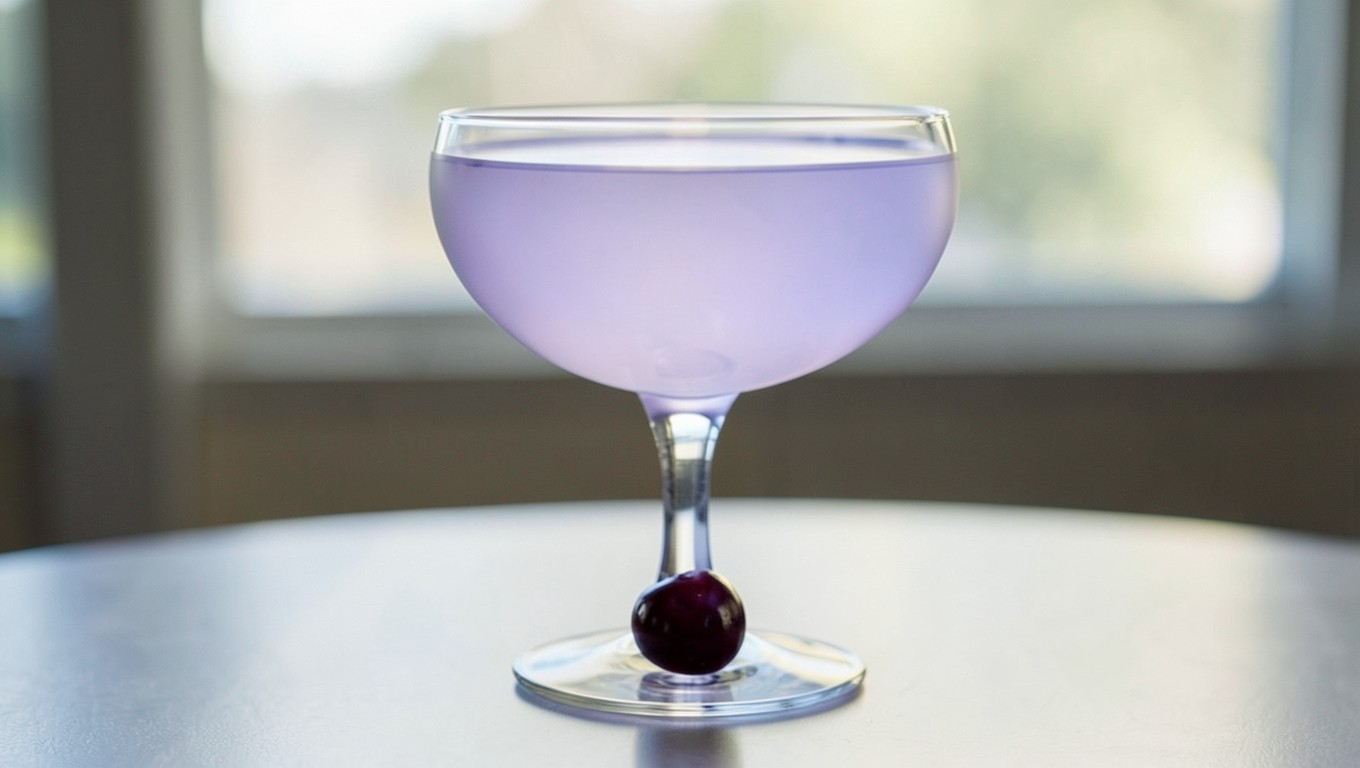
The Aviation is a gin sour with a reputation that outruns its ingredients. It gets its name from the pale periwinkle color that crème de violette gives it — a sky-blue tint that looks like nothing else behind a bar. The drink first appeared in print around 1916, and for decades it was considered lost because crème de violette vanished from the market. It's not a complicated cocktail. Four ingredients, a shaker, a strain. But the balance is unforgiving. Too much violette and it tastes like perfume. Too much lemon and it's just another gin sour. This version sticks to the classic ratios and walks you through the technique so you nail it on the first try.
About the Aviation
The Aviation belongs to the sour family, meaning it balances a spirit with citrus and a sweetener. Its origins trace to the pre-Prohibition era of American cocktail culture, when floral liqueurs were common in mixing. The drink's defining ingredient, crème de violette, is a French liqueur made from violet petals. For much of the mid-20th century it was unavailable, and bartenders substituted it with other floral liqueurs or left it out entirely, producing a pale yellow drink. The modern revival began when crème de violette returned to production in the 2000s. Today the Aviation is recognized by the International Bartenders Association as an official cocktail.
Why it works
- 1The floral violette is balanced by tart lemon, preventing it from tasting like soap or perfume.
- 2Maraschino liqueur adds a dry, nutty cherry note that bridges the gin and citrus without adding sweetness.
- 3Shaking with ice chills and dilutes the drink to about 25% ABV, which softens the gin's heat and opens the aromatics.
- 4The lemon juice's acidity keeps the violette's color a soft periwinkle rather than a harsh purple.
Ingredients
Serves 1.
 45 ml gin
Use a classic London dry gin like Beefeater or Tanqueray. The juniper backbone holds up to the floral notes.
 15 ml lemon juice, freshly squeezed
Fresh is non-negotiable. Bottled lemon brings a flat, sour note that dulls the violette.
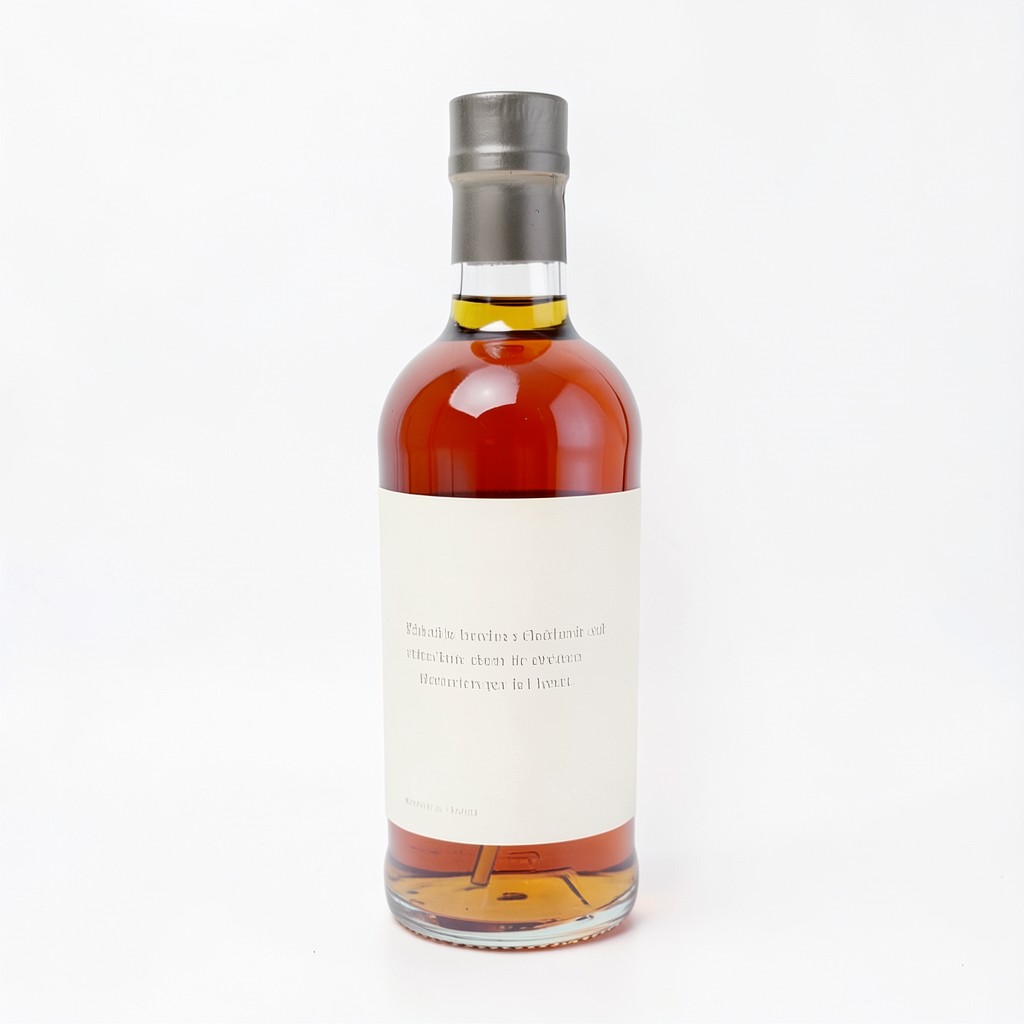 15 ml maraschino liqueur
Luxardo is the standard. It's dry, not syrupy sweet, with a cherry pit character.
- 15 ml crème de violette, optional
This is the signature ingredient. The Rothman & Morgan brand is the most common. If you omit it, you have a different drink.
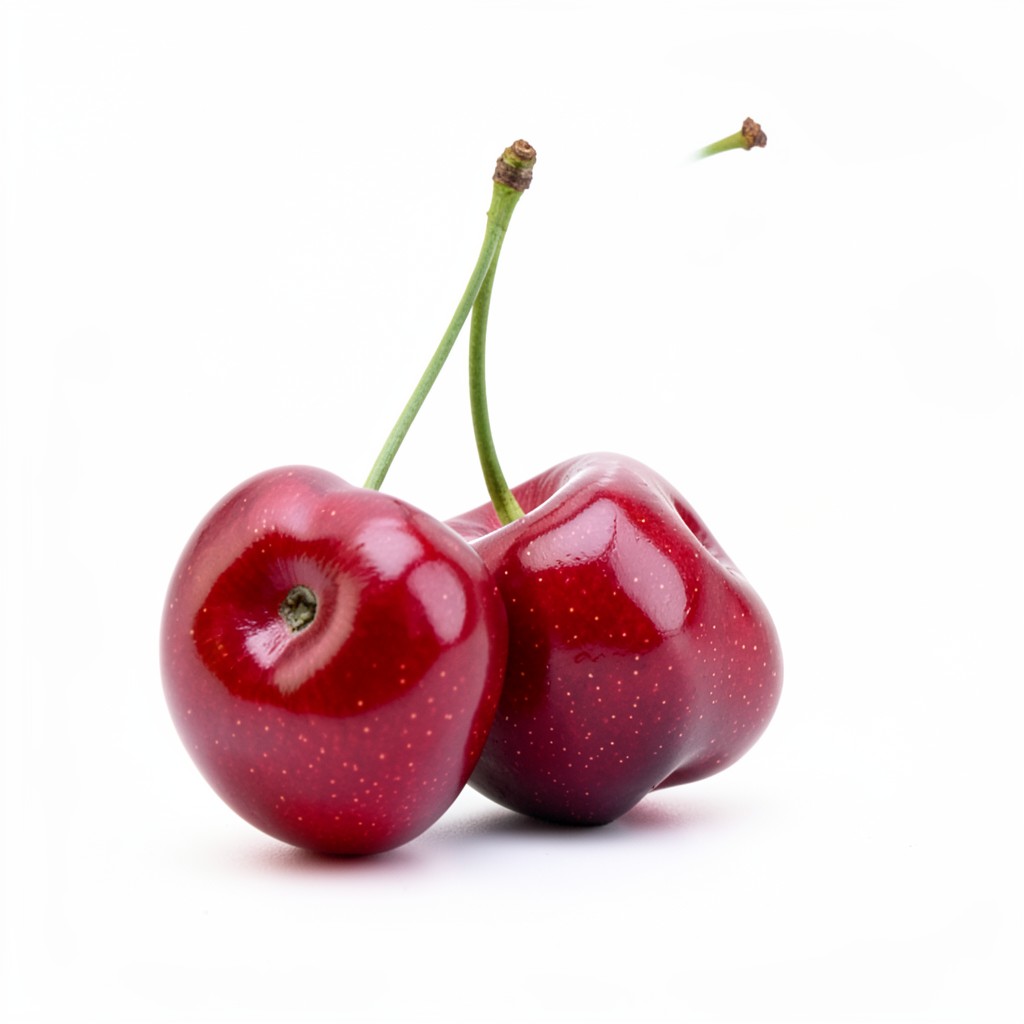 1 Brandied cherry, for garnish
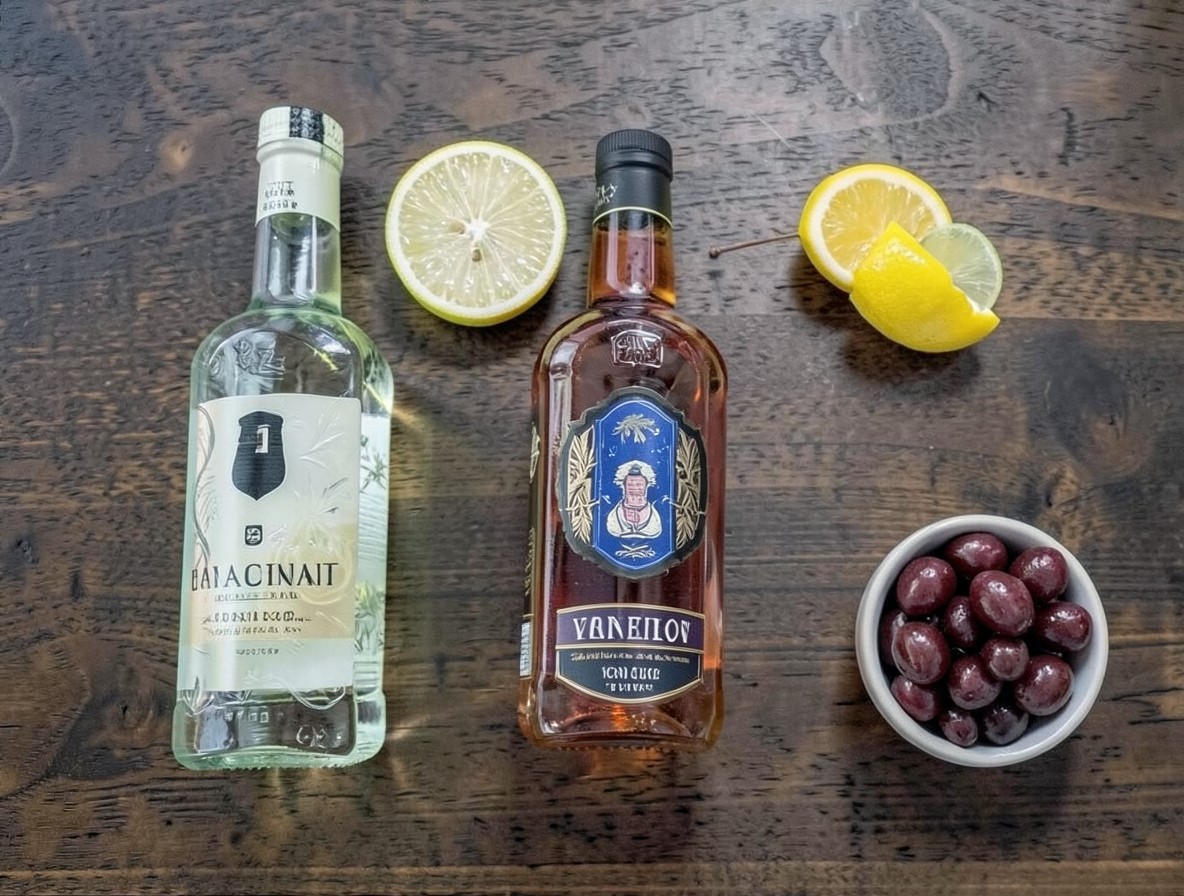
ingredients
Gin matters here more than in most cocktails. A classic London dry gin with strong juniper and moderate proof, 40-47% ABV, works best. The violette is the variable that makes or breaks the drink. Start with 15 ml and adjust from there. Some brands are more concentrated than others. If your lemon is particularly tart, a teaspoon of simple syrup can soften it, but the classic recipe doesn't call for it. Maraschino is not cherry syrup. That's a different, much sweeter product. Buy Luxardo and you're on the right track.
You need: jigger, cocktail shaker, strainer, fine strainer.
Method
Chill your glass
Fill your coupe with ice or pop it in the freezer for five minutes. A cold glass keeps the drink at temperature longer, which matters because this cocktail is served up with no ice in the glass.
Look for: A light frost forming on the outside of the glass, or the glass feeling cold to the touch when you hold the stem.
Common mistake: Skipping the chill and serving in a room-temperature glass. The drink warms up in minutes and the floral notes flatten into a soapy finish.
Add the gin, lemon juice, maraschino, and crème de violette to your shaker. Fill it with cracked ice — about two-thirds full. The ice should be cold and dry, not watery from sitting out.
Look for: The shaker feels heavy and full, with ice reaching about two-thirds of the way up the tin.
Common mistake: Using wet or melting ice. It dilutes the drink too fast and leaves it watery. Use fresh ice straight from the freezer.
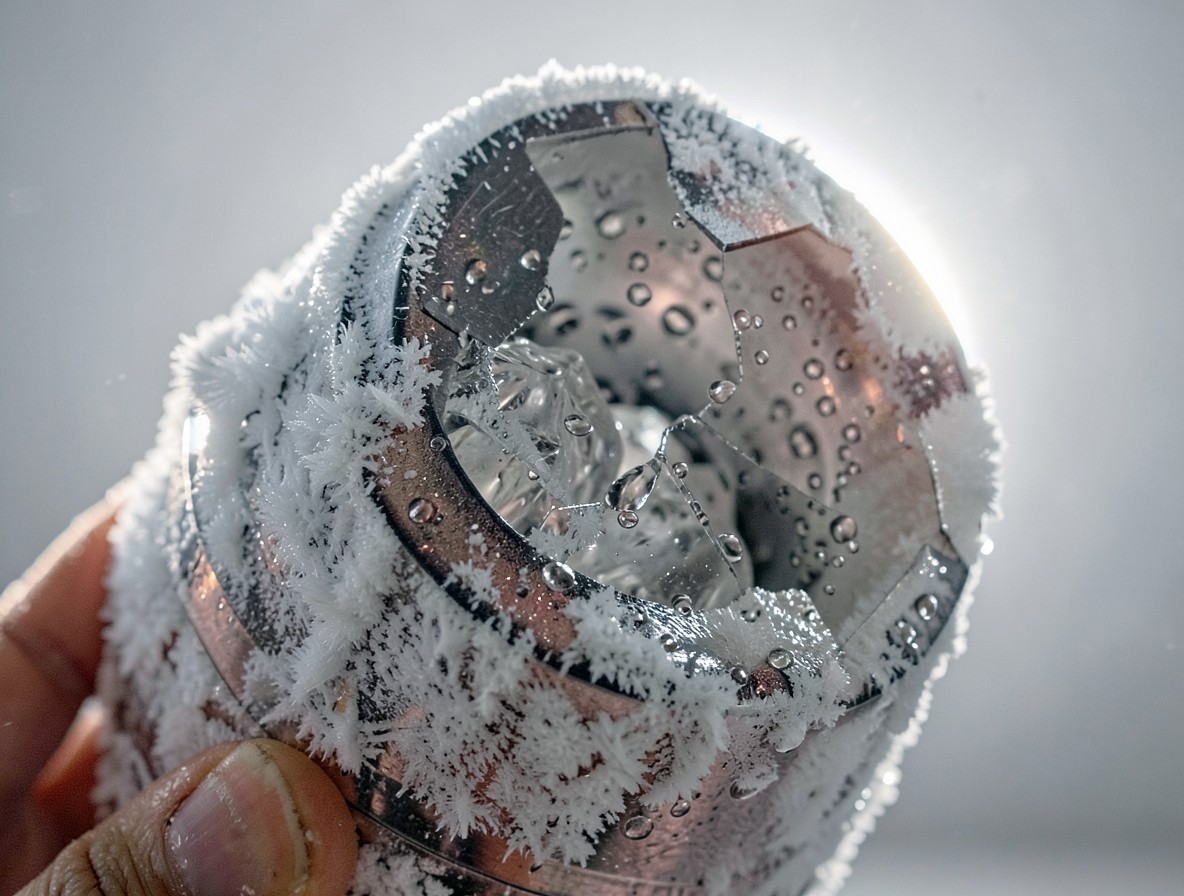
Put the lid on and shake hard — aim for a rhythm that's fast and aggressive, not gentle. Twelve seconds of shaking gives you proper dilution and aeration. The lemon juice needs the agitation to integrate with the spirits.
Look for: The outside of the tin frosts over and you hear the ice slamming from end to end. When the tin feels ice-cold, the shake is done.
Common mistake: Shaking too long. Ten to twelve seconds is plenty. Beyond that, the drink gets over-diluted and the floral notes wash out to nothing.
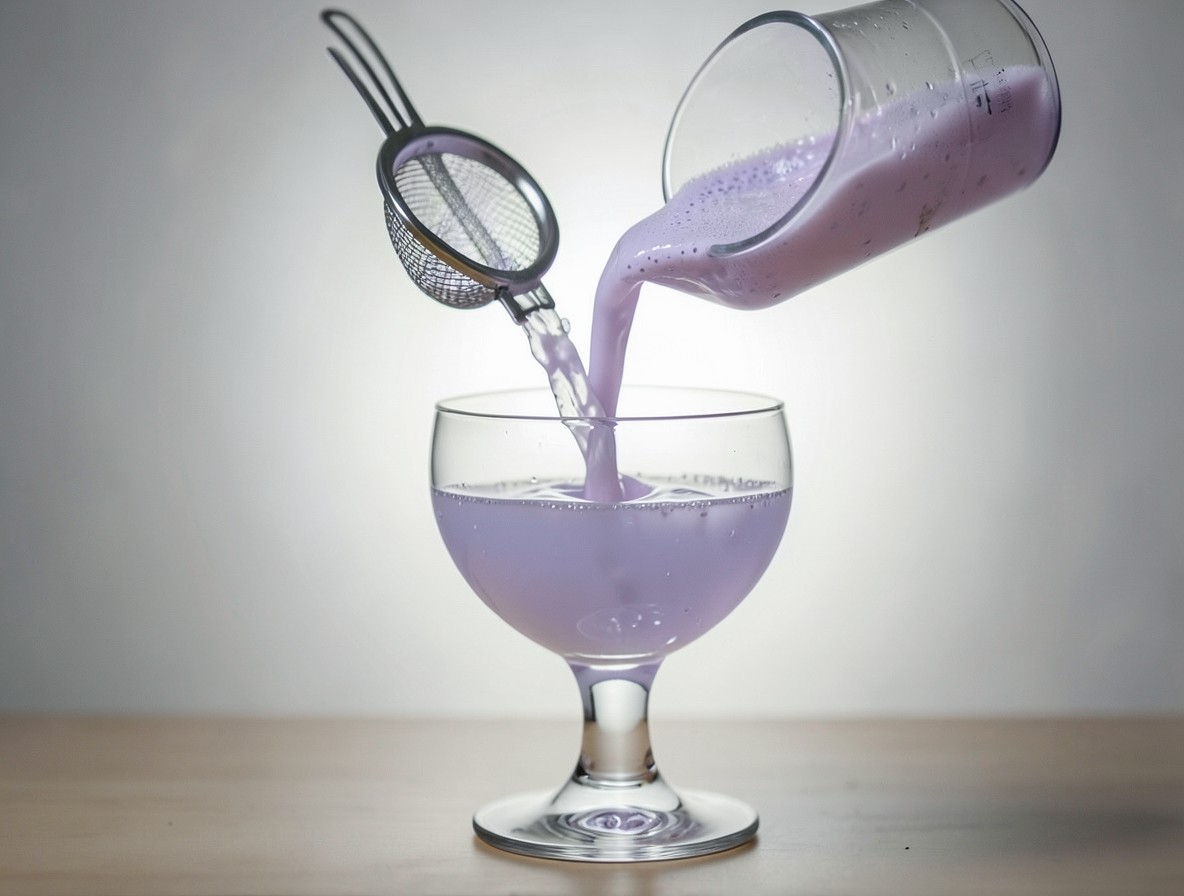
Hold your fine strainer over the shaker and pour through it into your chilled coupe. The double strain catches ice shards and any pulp from the lemon, leaving you with a crystal clear liquid.
Look for: A clear, pale lavender liquid fills the coupe, with no cloudiness and no floating ice chips. The color should be a light periwinkle — the sky just before sunset.
Common mistake: Skipping the fine strainer. Ice shards end up in the drink, which waters it down as they melt and ruins the texture.
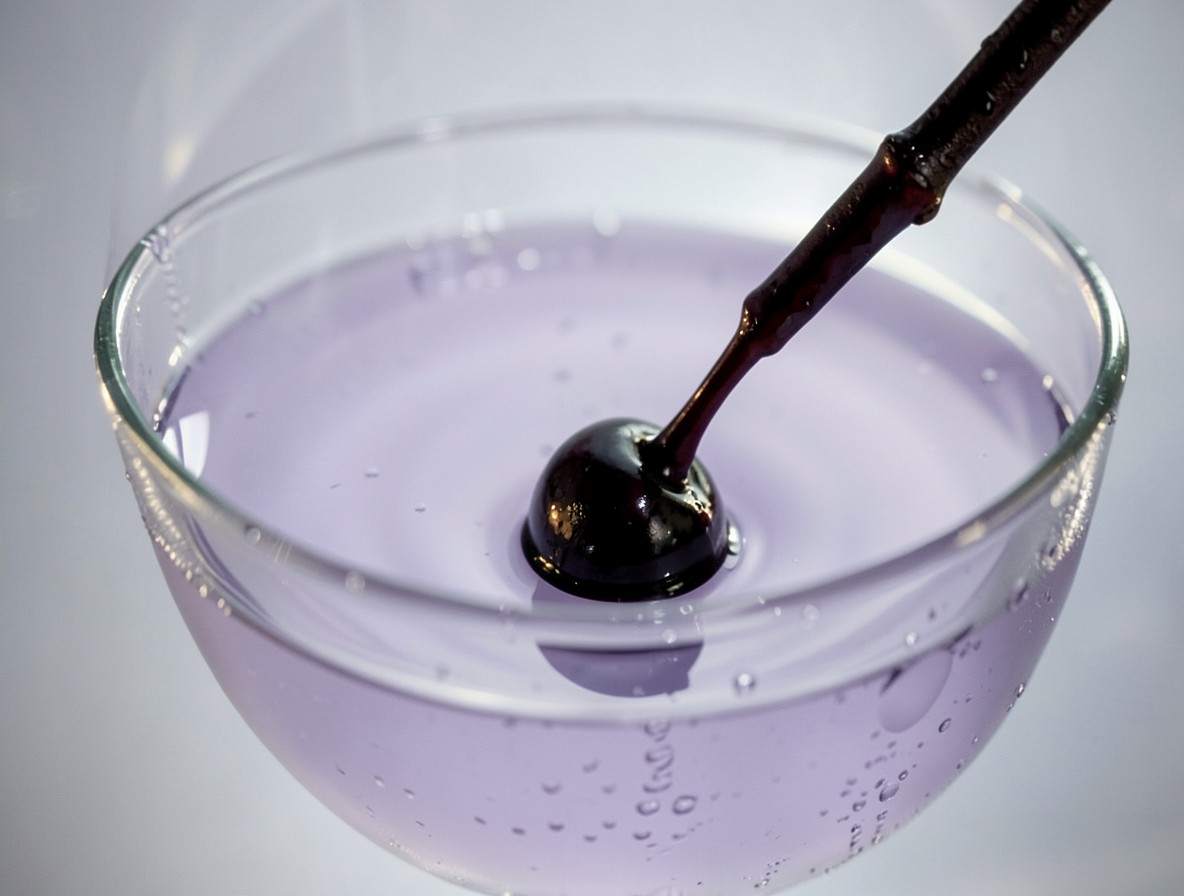
Drop a single brandied cherry into the glass, letting it sink to the bottom. That's the classic presentation. It adds a dark red contrast to the pale purple liquid and gives you that cherry-marzipan aroma as you sip.
Look for: The cherry rests at the bottom of the coupe, the deep red a stark contrast to the pale lavender liquid above it.
Common mistake: Using a bright red maraschino cherry from a jar. It clashes with the drink's delicate character. A dark brandied cherry, or even a Luxardo cherry, is the right call.
Tips from the bar
- 1Measure with a jigger, not a free pour. The whole drink hinges on a 3:1:1:1 ratio. A heavy hand with the violette turns it into hand soap.
- 2Taste before you serve. If the violette is too strong, add a few drops of lemon juice to rebalance. The acid cuts the floral intensity.
- 3Pre-batch the gin and maraschino if you're making a round. The lemon and violette should go in fresh per drink.
- 4Keep your crème de violette refrigerated after opening. It's a delicate liqueur and oxidizes faster than spirits.
Variations
- Blue Moon — swap gin for a floral-forward gin like Hendrick's and increase the violette to 20 ml for a more perfumed drink.
- Without violette — the classic pre-revival version. Mix the gin, lemon, and maraschino only. You get a pale yellow sour that's drier and less aromatic.
- With simple syrup — add 5 ml of simple syrup if your lemon is especially tart or your gin is high-proof. It rounds the edges without making it sweet.
Substitutions
- Crème de violette → Crème Yvette. It's less concentrated and has a berry note. Use 20 ml to compensate.
- Maraschino → Kirsch (cherry eau-de-vie) plus 5 ml simple syrup. The kirsch is dry and unsweetened, so you need the sugar.
- London dry gin → Plymouth gin. It's softer and more earthy, which gives the drink a rounder body.
Serving, storing, batching
Serve the Aviation as an aperitif before dinner, or as a palate cleanser between courses. It's light enough to start a meal but complex enough to stand alone. Pair it with light hors d'oeuvres — oysters, bruschetta, or a soft cheese plate.
This drink doesn't store. The lemon juice will break down the floral notes within an hour, and the color will dull. Make it fresh each time. If you pre-batch the gin and maraschino, that mix will keep indefinitely in a sealed bottle at room temperature.
For a party, scale the gin, maraschino, and violette ahead of time and store them in a bottle. Shake each serving fresh with lemon juice — the citrus doesn't hold. For each drink, shake 75 ml of the pre-batch with 15 ml lemon juice and ice for 12 seconds.
Questions people ask
An Aviation is made with gin, lemon juice, maraschino liqueur, and crème de violette. The gin provides the base, the lemon adds tartness, the maraschino contributes a nutty cherry note, and the violette gives the drink its signature floral aroma and pale purple color.
At about 24% ABV, the Aviation is moderate — stronger than a wine spritzer but lighter than a neat spirit. The floral and citrus flavors can mask the alcohol, so it drinks more easily than its strength suggests. Always drink responsibly.
The classic Aviation cocktail requires gin, lemon juice, maraschino liqueur, and crème de violette. The IBA standard ratio is 45 ml gin, 15 ml lemon juice, 15 ml maraschino, and 15 ml crème de violette.
The best Aviation starts with a quality London dry gin and fresh lemon juice. Shake the ingredients hard with cracked ice for 12 seconds, then double strain into a chilled coupe. Use a light hand with the crème de violette — start with 15 ml and adjust to taste.
Aviation is made of gin, lemon juice, maraschino liqueur, and crème de violette. The combination creates a tart, floral flavor with a dry edge and a distinctive pale lavender color.
The best Aviation recipe uses 45 ml gin, 15 ml fresh lemon juice, 15 ml maraschino liqueur, and 15 ml crème de violette. Shake all ingredients with ice for 12 seconds, strain into a chilled coupe, and garnish with a brandied cherry.
The Aviation drink is made of gin, lemon juice, maraschino liqueur, and crème de violette. The crème de violette gives it the signature pale purple color and floral aroma that distinguishes it from other gin sours.
Yes, but it won't have the signature purple color or floral aroma. Before crème de violette was widely available, the Aviation was made with just gin, lemon, and maraschino. That version is drier and less aromatic, essentially a gin sour with a cherry note.
Last word
The Aviation is a cocktail that rewards precision. Once you've made it with the right ratio, you'll understand why it's survived a century. Use a quality London dry gin.