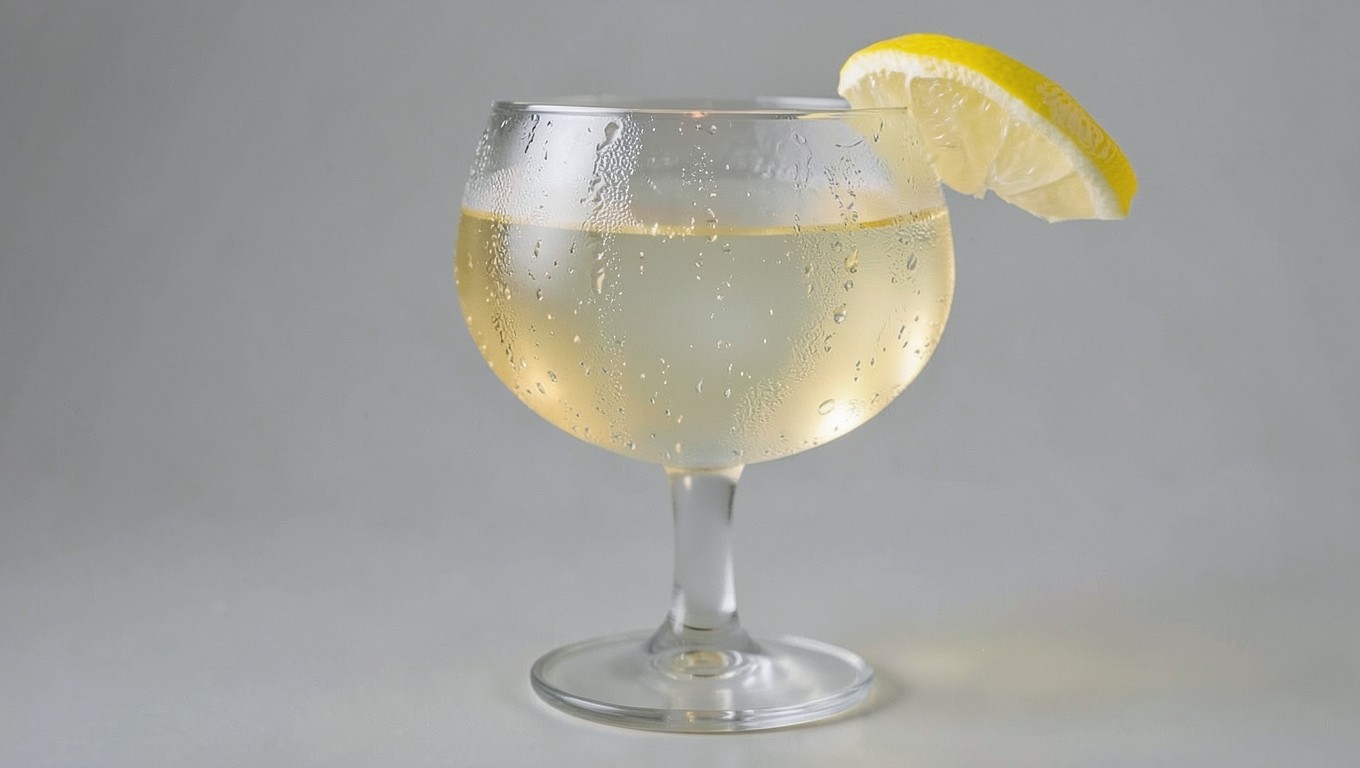
Bee's Knees Recipe: The Prohibition-Era Gin Cocktail Done Right
The Bee's Knees is a classic gin sour made with just three ingredients: gin, fresh lemon juice, and honey. It's sweet and tart, with a silky texture from the honey balancing the botanical gin. Takes 5 minutes to make one serving.

- Basegin
- Strength24% ABV, approximate
- Methodshake
- Glasscoupe
- Difficultyeasy
- Total3 min
- Serves1
- Sweet-tart
- Floral
- Silky
- Jigger or measuring spoons
- Cocktail shaker
- Strainer
- Bar spoon
- Fine strainer
The Bee's Knees is a drink with a misleading name. It sounds like a novelty, but it's one of the most elegant, perfectly balanced sours you can make. Three ingredients: gin, lemon, and honey. The honey is the whole point. It isn't just a sweetener; it gives the drink a silky, slightly viscous body that simple syrup can't replicate. You're not hiding the gin or masking the lemon. You're using the honey to blur the edges and pull everything together. You should be able to taste the gin's botanicals, the sharpness of the citrus, and the floral sweetness of the honey in a single sip. A hard shake and a fine strain reward you with a cocktail that comes together beautifully.
About the Bee's Knees
The Bee's Knees cocktail is a Prohibition-era classic, though its exact origin is debated. The phrase itself was 1920s slang for 'the best' or 'the height of quality.' The drink likely emerged as a way to make bathtub gin more palatable, using lemon and honey to mask the harsh flavors of poorly distilled spirits. It belongs to the 'sour' family of cocktails.
Why it works
- 1Honey provides more than sweetness; its natural viscosity coats the palate and gives the drink a rich, silky mouthfeel that simple syrup cannot.
- 2A hard shake with ice achieves the right dilution (around 30%), which is essential to tame the alcohol burn and open up the floral notes in the gin.
- 3Double straining removes the ice shards and any lemon pulp, resulting in a beautifully clear, crisp expression of the cocktail.
- 4Using fresh lemon juice is non-negotiable; bottled juice lacks the bright, volatile oils that give the drink its finish.
- 5The 4:1 ratio of gin to lemon, balanced by a full tablespoon of honey, creates a perfectly balanced sour where no single element dominates.
Ingredients
Serves 1.
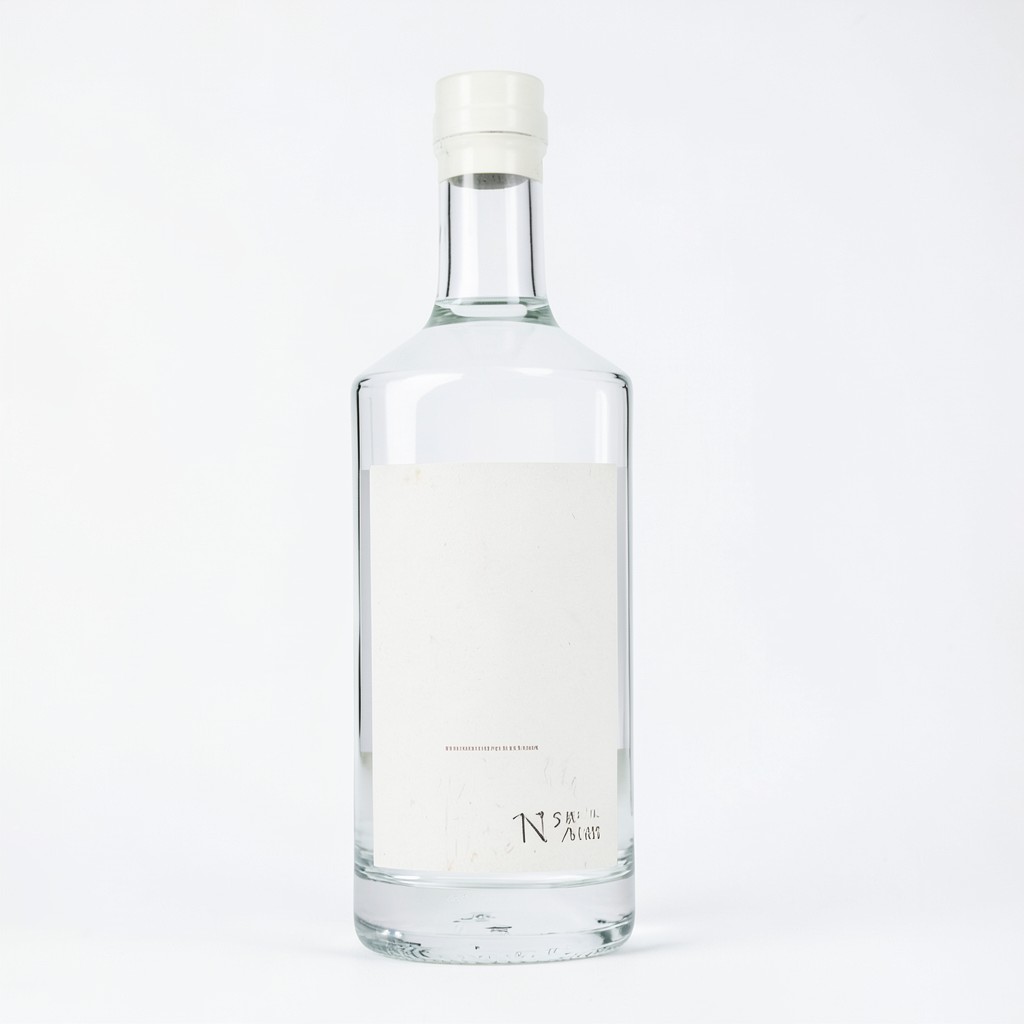 40 ml dry gin
A London Dry gin is the classic choice here. Its juniper-forward profile stands up beautifully to the honey and lemon. A more floral or citrus-forward gin will work too, but the drink will be less defined.
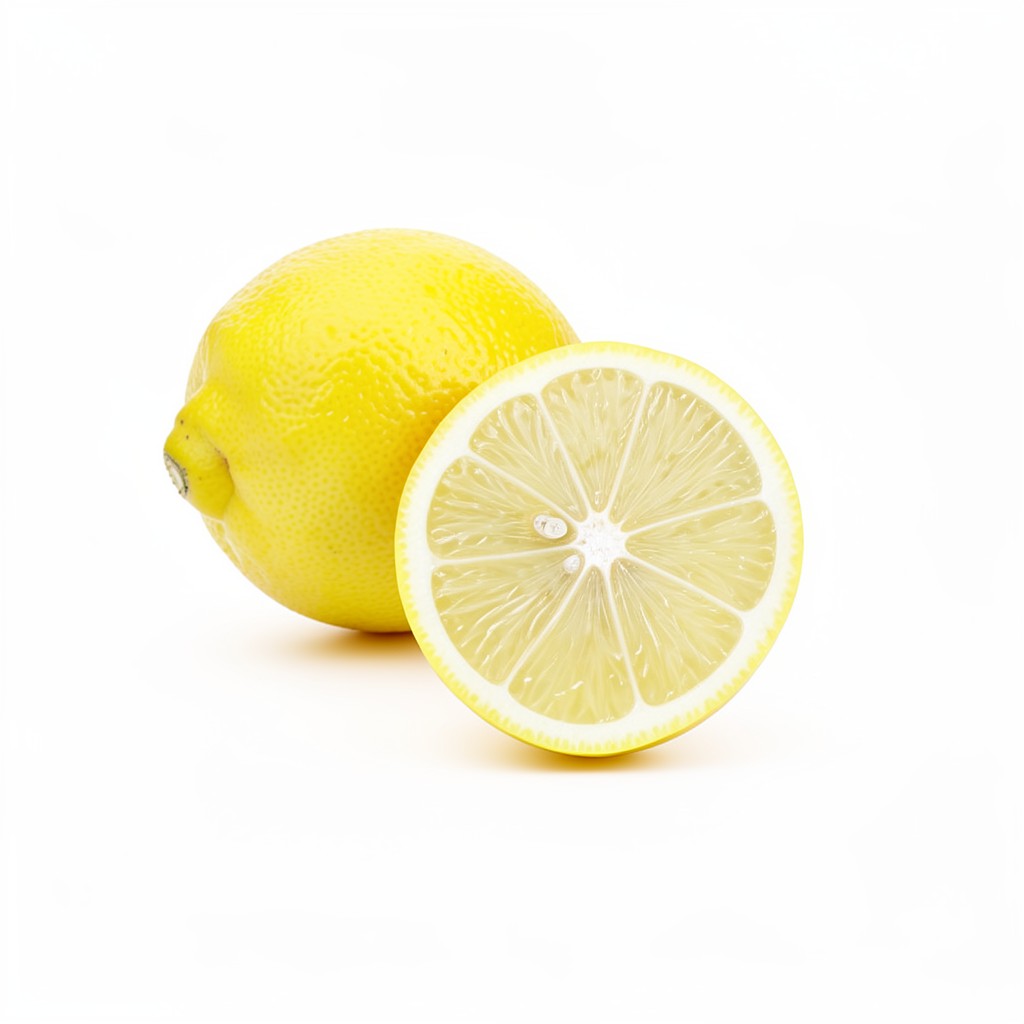 10 ml lemon juice, freshly squeezed, strained of pulp
Freshly squeezed is the only way to go. The bright, volatile oils in fresh lemon juice are what cut through the honey and make the drink sing. Bottled juice will make it taste flat and sour.
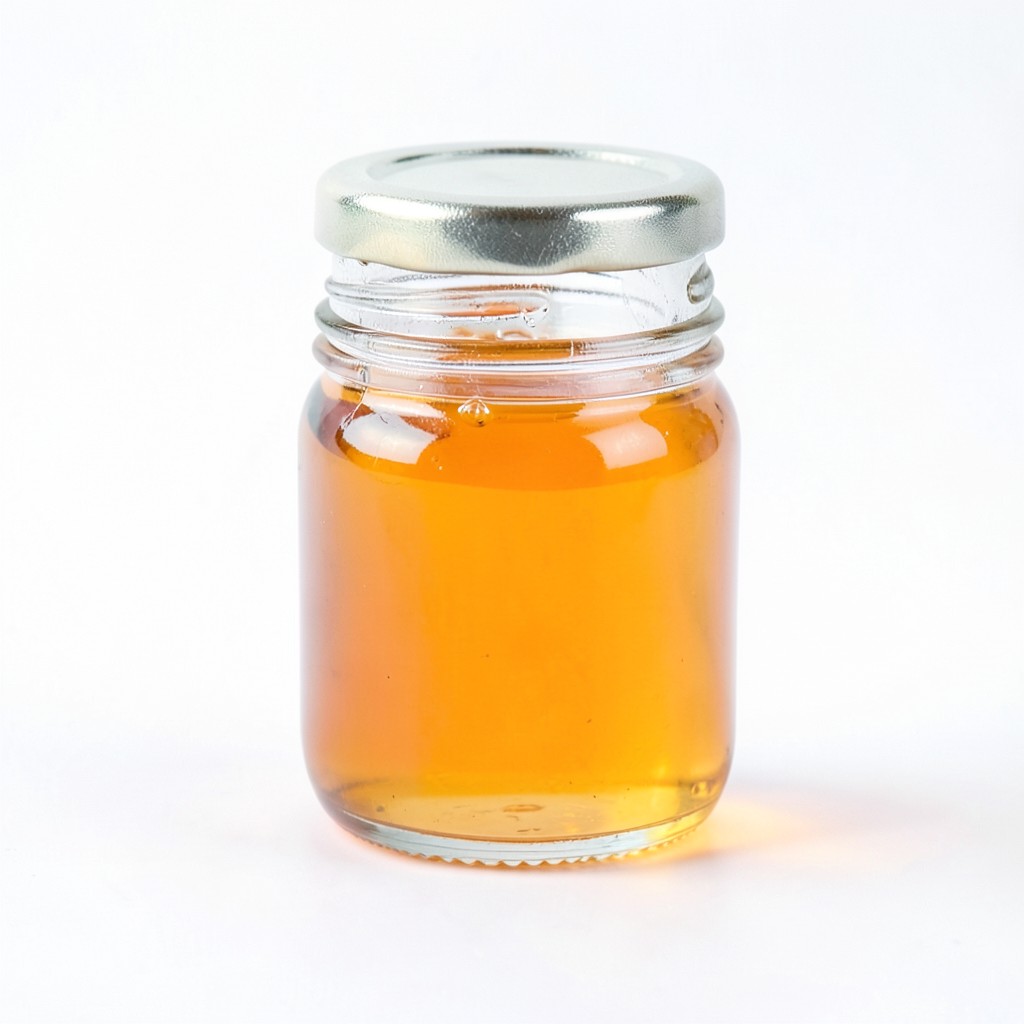 1 tbsp honey
A mild, floral honey like acacia or clover is ideal. It should complement the gin, not overpower it. A strong, dark honey like buckwheat can easily dominate the drink.
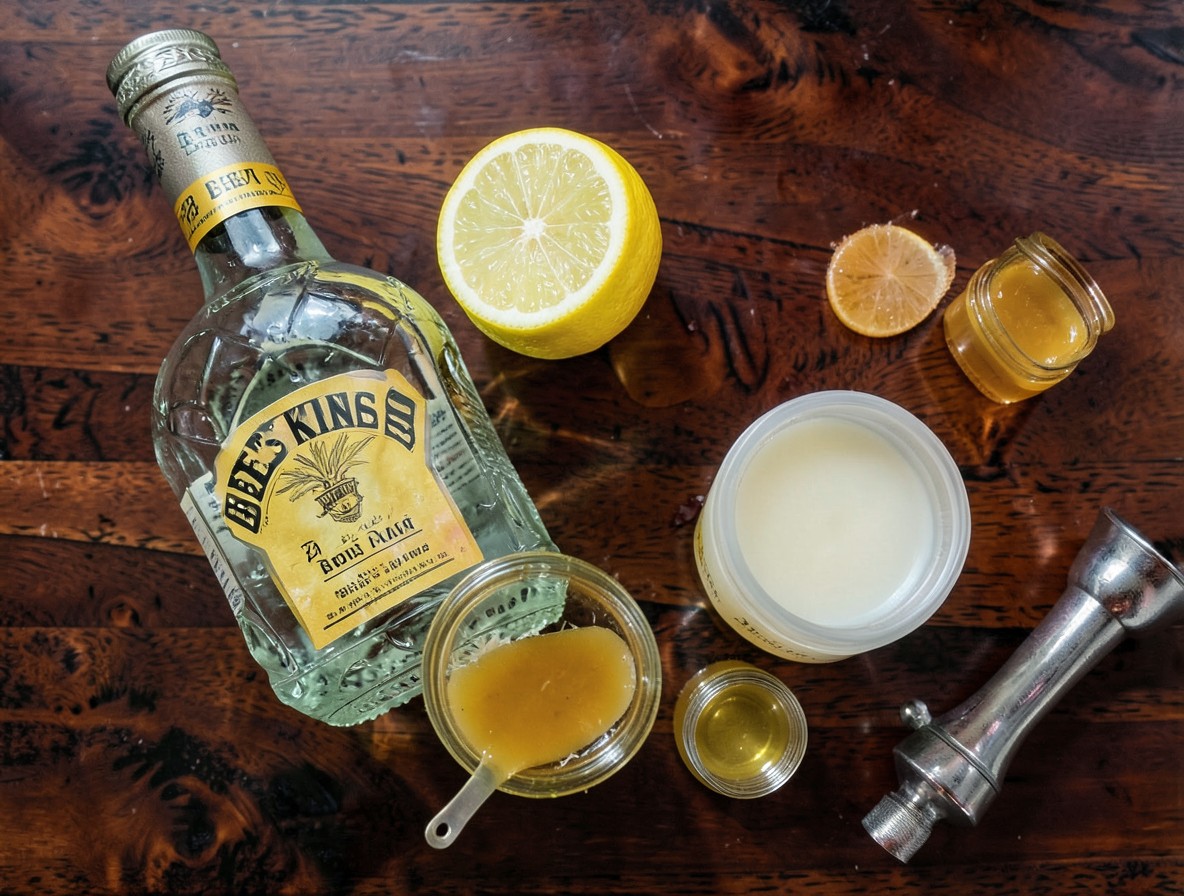
ingredients
The choice of gin is the most important decision you'll make. A classic London Dry like Beefeater or Tanqueray offers a clean, juniper-forward canvas. You can experiment with more contemporary gins, but be aware that the honey will amplify any unusual botanicals, so stick to something you already enjoy sipping. For the honey, the goal is a mild sweetness that doesn't compete. A standard clover honey from the grocery store works perfectly. If you want to get fancy, an orange blossom honey adds a subtle citrus note that plays well with the lemon.
You need: jigger or measuring spoons, cocktail shaker, strainer, bar spoon, fine strainer.
Method
Combine the Ingredients
In a cocktail shaker, combine the gin, fresh lemon juice, and honey. Stir briefly with a bar spoon to help the honey begin to dissolve into the liquids. Skip this and you'll find a stubborn lump of honey at the bottom of your shaker after you've strained the drink.
Look for: The honey will sink and start to create slow, wispy ribbons as it mixes with the gin and lemon.
Common mistake: Skipping this initial stir. The honey won't dissolve properly during a quick shake, leaving you with an inconsistent, overly sweet first sip and a thin, sour finish.
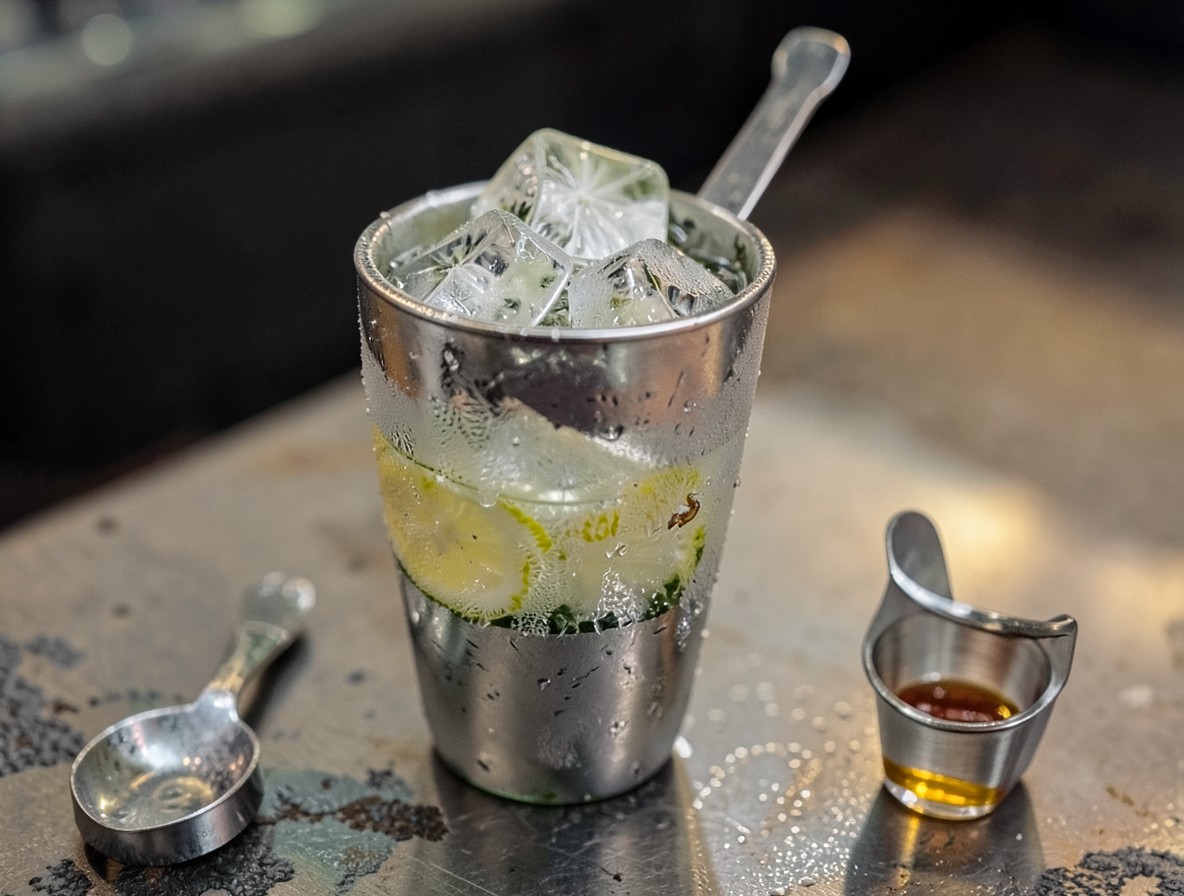
Fill the shaker with a generous amount of cracked ice. The more ice, the better the aeration and dilution. Shake hard and fast for 15 seconds. You're not just chilling the drink; you're incorporating air and melting just enough ice to bring the honey, lemon, and gin into perfect harmony. You'll feel the shaker get painfully cold to the touch—that's the signal to stop.
Look for: The shaker will frost over on the outside. When you stop, you should hear a distinct, loud 'tink' of the ice and liquid inside. The shaker will be too cold to hold comfortably.
Common mistake: Shaking for too long. Over-dilution will make the drink watery and wash out the delicate honey and botanical flavors. 15 seconds of hard shaking is all it needs.
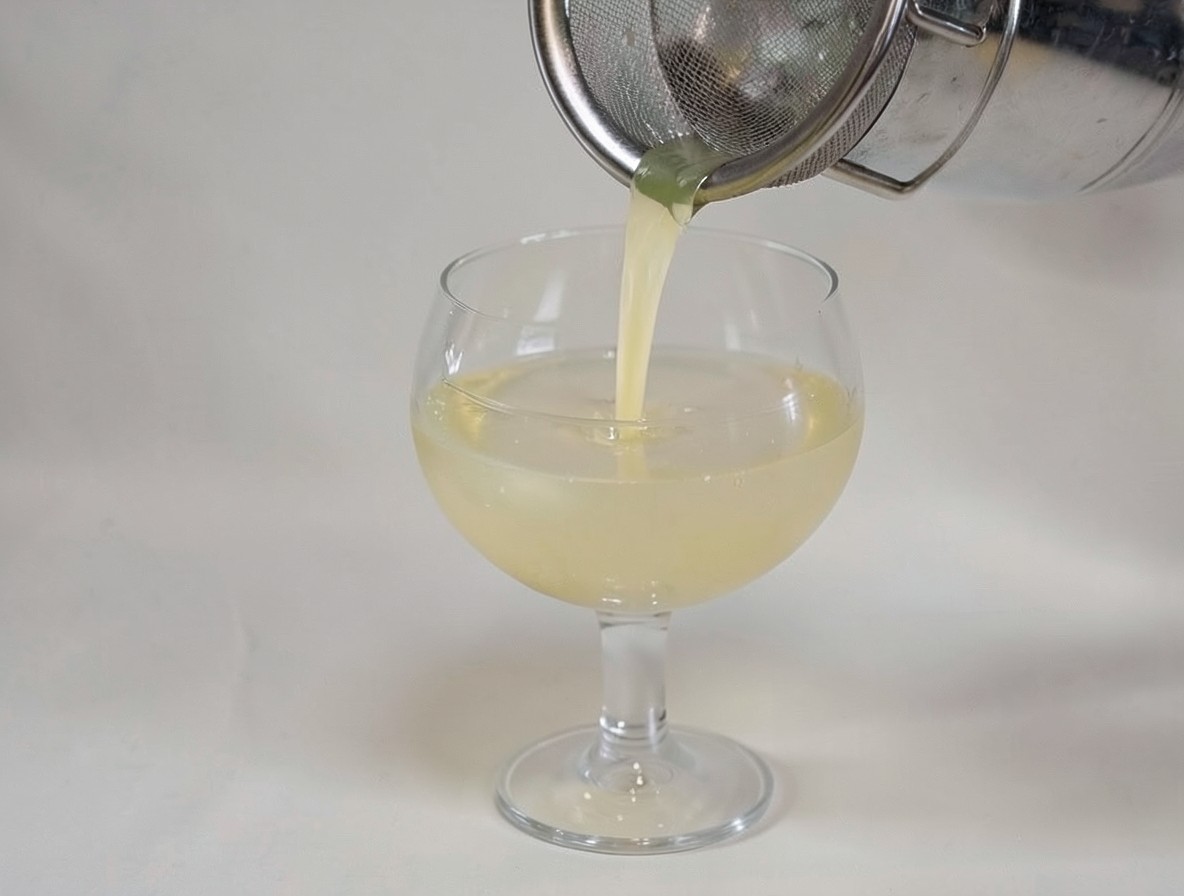
Place a fine mesh strainer over the mouth of your shaker and strain the cocktail into a chilled coupe glass. The double strain catches tiny ice shards and any bits of lemon pulp, leaving you with a pristine, silky-smooth drink. It's a small step that makes a big difference in the final texture.
Look for: The liquid should be a clear, pale gold, completely free of ice shards or pulp. It should look clean and bright, with a light, shimmering quality.
Common mistake: Using only the shaker's built-in strainer. Small shards of ice and lemon pulp can get through, making the drink cloudy and slightly grainy on the palate.
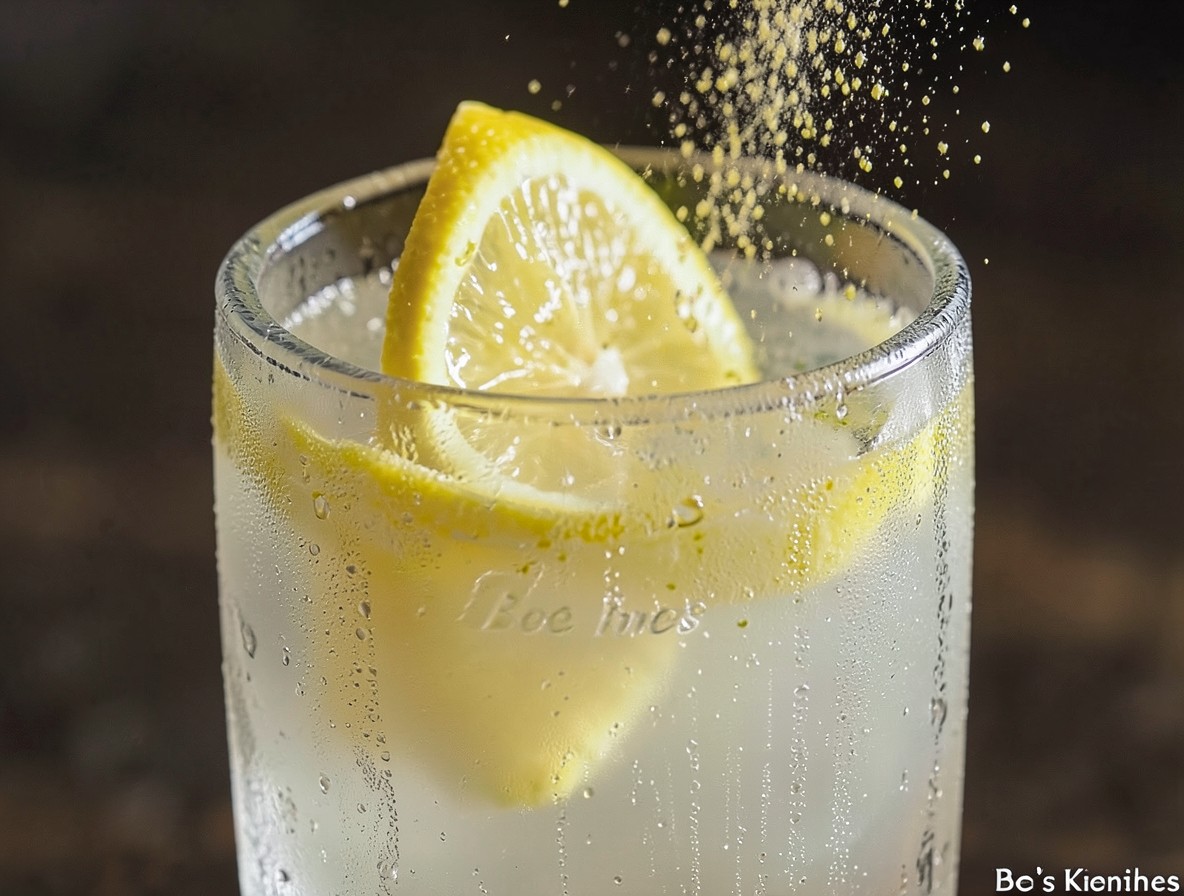
Take a fresh piece of lemon peel, about the size of a large coin. Hold it over the glass, skin side down, and give it a sharp twist to express the oils onto the surface of the drink. Rub the peel around the rim of the glass for a subtle aroma, then drop it in or discard it. This final touch adds a fragrant, citrusy top note that elevates the entire cocktail.
Look for: You should see a fine mist of lemon oil spray over the surface of the drink. The rim of the glass will have a faint sheen from the oil.
Common mistake: Skipping the oil expression. The aromatic oils are the 'nose' of the cocktail—they prepare your palate for the bright lemon flavor. Without it, the drink can taste one-dimensionally sweet or sour.
Tips from the bar
- 1Chill your coupe glass in the freezer for at least 15 minutes before you start. A cold glass keeps the drink at the perfect temperature for longer, preventing it from becoming watery as it sits.
- 2Warm your honey slightly. If your honey is thick or crystallized, place the sealed jar in a bowl of warm water for a few minutes. This makes it much easier to measure and ensures it dissolves fully.
- 3Use a jigger or measuring spoons. This drink is all about balance, and a heavy hand with the lemon or honey can throw it off completely.
- 4Taste it. After you've strained it, take a small sip. If it's too tart, add a drop of honey and give it a quick swizzle. If it's too sweet, a tiny squeeze of lemon will fix it.
Variations
- For a slightly different character, try a honey syrup instead of straight honey. Mix equal parts honey and hot water until the honey dissolves, then use 20ml (about 4 teaspoons) of the syrup in place of the tablespoon of honey. This makes for a cleaner mix and is the standard in many bars.
- The Bee's Knees can be made with other base spirits. Try a reposado tequila for an earthy, agave-forward take, or a bourbon for a richer, spicier version that stands up well to the honey.
- Add a few sprigs of fresh thyme or basil to the shaker before you shake. The herbal notes will infuse into the drink, adding a whole new layer of complexity.
- For a sparkling version, top the strained cocktail with a splash of chilled club soda or a dry sparkling wine like Prosecco for a longer, effervescent drink.
Substitutions
- Aged gin: Swap a London Dry for an aged gin like Hayman's Old Tom. Its sweeter, wood-aged profile will add a layer of vanilla and spice, creating a rounder, less juniper-forward drink.
- Maple syrup: Replace the honey with a high-quality maple syrup. The flavor will be more woody and smoky, a fantastic autumn twist, though it will slightly change the silky texture.
- Agave nectar: For a neutral sweetness, agave nectar is an easy substitute. It dissolves instantly and won't impart any flavor, but you'll lose the unique floral and textural qualities of the honey.
Serving, storing, batching
Serve the Bee's Knees as an aperitif or a palate cleanser. Because of its bright, citrusy nature, it pairs beautifully with light appetizers like oysters, goat cheese crostini, or a simple green salad. It's also a perfect way to start an evening before a richer, heavier meal.
This is a drink to make fresh, not to batch and store. When honey, lemon, and gin are combined and diluted, the flavor will degrade over time. However, you can pre-batch the cocktail without the lemon juice. Combine the gin and honey in a bottle and refrigerate. This mixture will keep for months. When you're ready to serve, shake one portion of the mixture with the fresh lemon juice and ice.
For a party, you can scale the recipe. For 10 servings, combine 400ml gin, 100ml lemon juice, and 10 tablespoons of honey. To make honey easier to mix, create a honey syrup (see variations). Pour all ingredients into a large pitcher and refrigerate. To serve, shake individual portions with ice and strain into chilled coupe glasses. The batch will last for a few hours in the fridge, but the lemon's brightness will fade, so it's best to finish it the night of the party.
Questions people ask
The phrase 'bee's knees' was 1920s slang for 'the best' or 'the height of quality.' The name was likely a playful marketing term for a cocktail that used honey, and it stuck because the drink is, in fact, the bee's knees. It's a catchy name for a well-balanced drink.
The classic Bee's Knees cocktail is made with only three ingredients: dry gin, fresh lemon juice, and honey. The standard ratio is 40ml (2 parts) gin to 10ml (1 part) lemon juice, balanced by a tablespoon of honey. No syrups, no bitters, and no liqueurs.
First, use a London Dry gin you enjoy. Second, use freshly squeezed lemon juice, always. Third, give the honey a head start by stirring it with the gin and lemon before adding ice. Finally, shake hard for a full 15 seconds to get the right dilution and a silky texture.
A classic London Dry gin like Beefeater or Tanqueray is the traditional and best choice. Its strong juniper backbone stands up to the honey and lemon, creating a balanced, iconic flavor. More floral or citrus-forward gins can work, but they will produce a softer, less defined cocktail.
Start with a chilled coupe glass. Combine 40ml of a quality London Dry gin, 10ml of fresh lemon juice, and a tablespoon of honey in a shaker. Stir to dissolve the honey, add ice, and shake hard for 15 seconds. Double strain into the chilled glass and express a lemon peel over the top.
Yes. A honey syrup (equal parts honey and hot water) is actually the standard in many bars because it mixes more easily. If using a syrup, use 20ml (about 4 teaspoons) instead of the tablespoon of raw honey. Your drink will be slightly less silky but just as delicious.
The Bee's Knees must be shaken, never stirred. The ingredients include citrus juice and honey, both of which need to be thoroughly diluted and aerated. A hard shake creates the proper icy texture and silky mouthfeel that makes this cocktail great.
With 40ml of gin and only 10ml of lemon juice, it is a spirit-forward drink. However, the honey and the dilution from shaking bring the alcohol content down to around 24% ABV. It's a balanced cocktail that warms as you drink it.
A Bee's Knees is traditionally served 'up' in a chilled cocktail glass, such as a coupe. The coupe's wide, shallow bowl lets the aromatic lemon oils reach your nose. A standard martini glass works equally well.
You can, but the drink will be different. In a large jar with a tight-fitting lid, combine the ingredients with a handful of ice. Seal and shake hard for 15 seconds. Strain into a glass. The result will be slightly less aerated, but it will still taste great.
It tastes like a perfectly balanced lemon dessert. The first impression is bright, sweet lemon, followed immediately by the piney, botanical notes of the gin. The honey provides a smooth, silky finish that coats the palate, leaving a pleasant, lingering sweetness.
Yes, it is a sweet cocktail, but it's balanced by the sourness of the lemon and the dryness of the gin. The honey's sweetness is perceived as rich and mellow, not cloying. The goal is a perfect equilibrium among the ingredients.
A twist of lemon peel is the classic garnish. The key is to express the peel's oils over the surface of the drink to enhance the aroma. You can drop it in the glass or discard it. Some variations use a small, edible flower for a more decorative touch.
Yes, the classic recipe is vegan. It's made with gin, lemon juice, and honey. While honey is derived from bees, it is a plant-based product and is generally considered vegan. If you practice a strict vegan diet that excludes honey, you can substitute it with agave nectar or maple syrup.
Last word
The Bee's Knees shows what a simple recipe can do when it's executed well. It's a drink that feels both timeless and refreshingly modern. With just three quality ingredients and a little technique, you can make a cocktail that tastes like the height of sophistication.