The Paradise Recipe: A Classic Gin Cocktail Worth Knowing
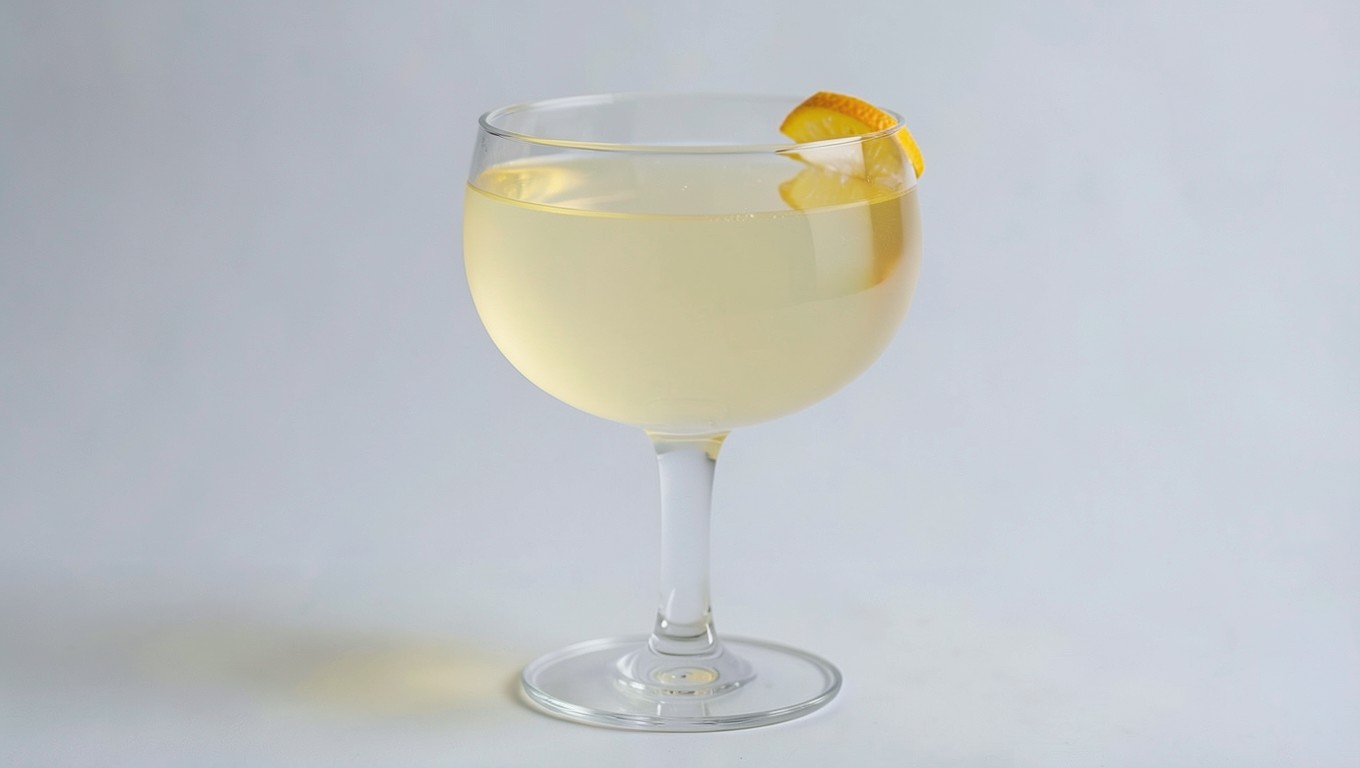
The Paradise recipe is a classic gin cocktail mixing gin, apricot brandy, and orange juice. It tastes fruity, slightly nutty from the apricot, and balanced by the juniper-forward gin. It takes under five minutes to make and serves one.

- Basegin
- Strength24% ABV, approximate
- Methodshake
- Glasscoupe
- Difficultyeasy
- Total3 min
- Serves1
- Fruity
- Slightly nutty
- Juniper-forward
- Jigger or measuring spoons
- Cocktail shaker
- Strainer
- Fine strainer
The Paradise recipe is an old one, born in an era when bartenders weren't chasing obscure bitters but building drinks around a few quality bottles. Gin, apricot brandy, orange juice. Three ingredients, and the whole drink hinges on the balance between them. The apricot brandy isn't just a sweetener; it's a rich, almost jammy fruitiness that orange juice alone can't touch. The gin provides the backbone, the structure that keeps the drink from collapsing into a sugary mess. This version is the classic spec, the one you'll find in the Savoy Cocktail Book and on the back of your memory of a good bar. Shake it hard, strain it into a chilled coupe, and you have a drink that's simultaneously retro and refreshing. It's the kind of cocktail that makes you understand why people fell in love with gin in the first place.
About the Paradise
The Paradise is a pre-Prohibition classic, likely originating in the United States before finding its way into Harry Craddock's 1930 Savoy Cocktail Book. It's a member of the 'duo and a juice' family, a structure common to many early 20th-century cocktails. Its cultural role is that of a bridge between the spirit-forward drinks of the 19th century and the fruitier, more accessible cocktails that followed. It's distinguished from a simple gin and juice by the apricot brandy, which adds a layer of complexity and a distinct, almost nutty fruit character. The drink is traditionally served up in a cocktail glass for a refined, pre-dinner sip.
Why it works
- 1The apricot brandy provides a rich, jammy fruitiness that complements the botanicals in gin without overwhelming them.
- 2Orange juice adds acidity and freshness, which balances the sweetness of the liqueur and the strength of the spirit.
- 3A hard shake with ice achieves the perfect dilution, softening the alcohol burn and melding the three ingredients into a cohesive whole.
- 4Serving it up, without ice, keeps the texture silky and the drink focused, as the ice would only water it down further.
Ingredients
Serves 1.
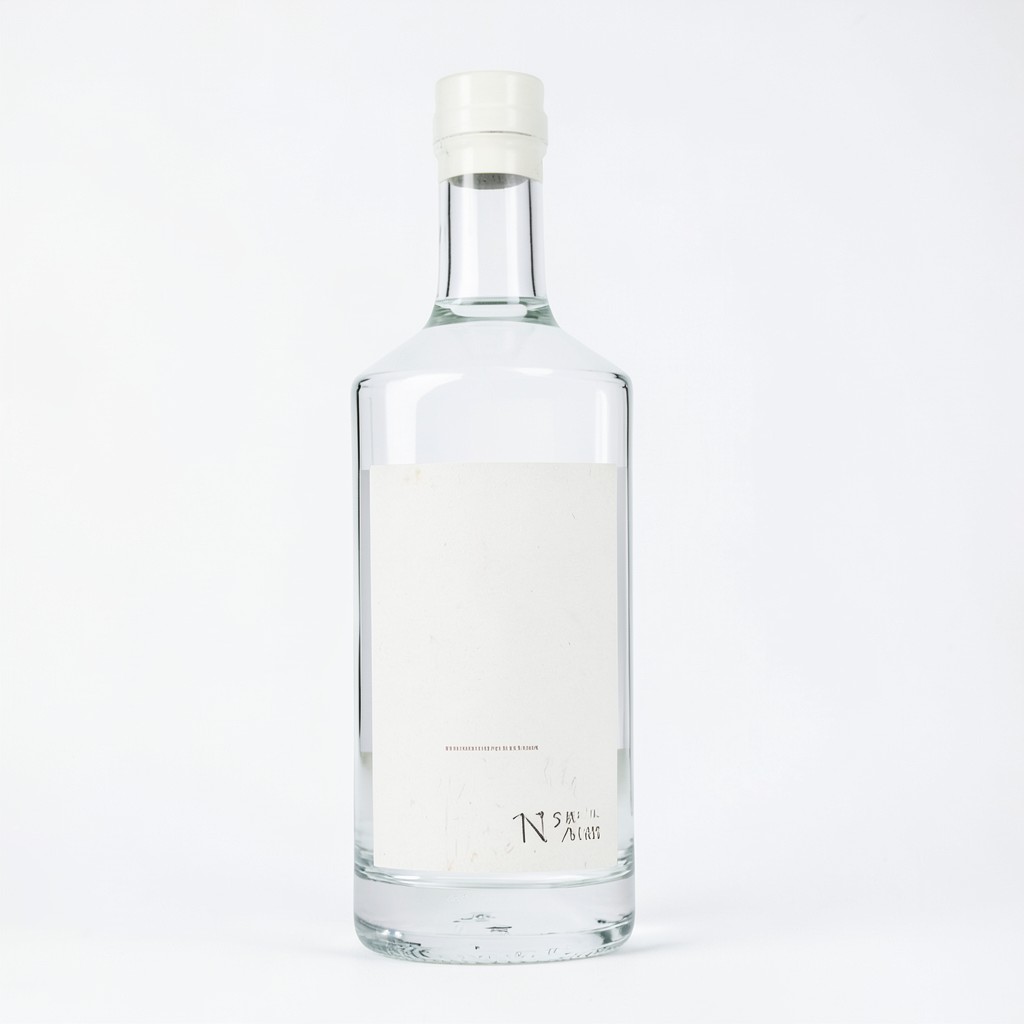 1.5 oz Gin, A London Dry Gin like Beefeater or Tanqueray works best.
A London Dry Gin provides the dry, juniper-led backbone that the sweet apricot brandy needs to balance against.
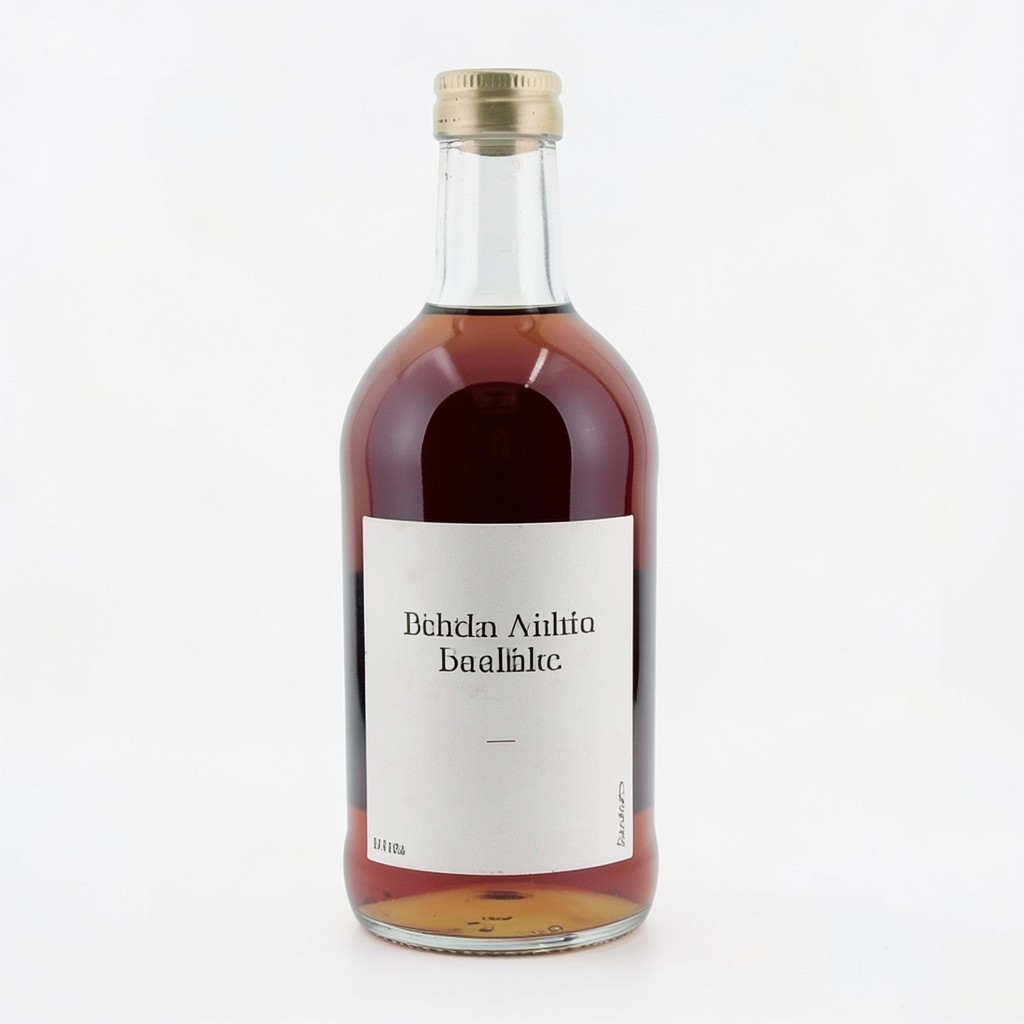 0.75 oz Apricot Brandy, Use a quality liqueur like Rothman & Winter, not a cheap imitation.
This is the soul of the drink. A good apricot liqueur has a rich, true fruit flavor that a cheaper, candy-sweet one will lack.
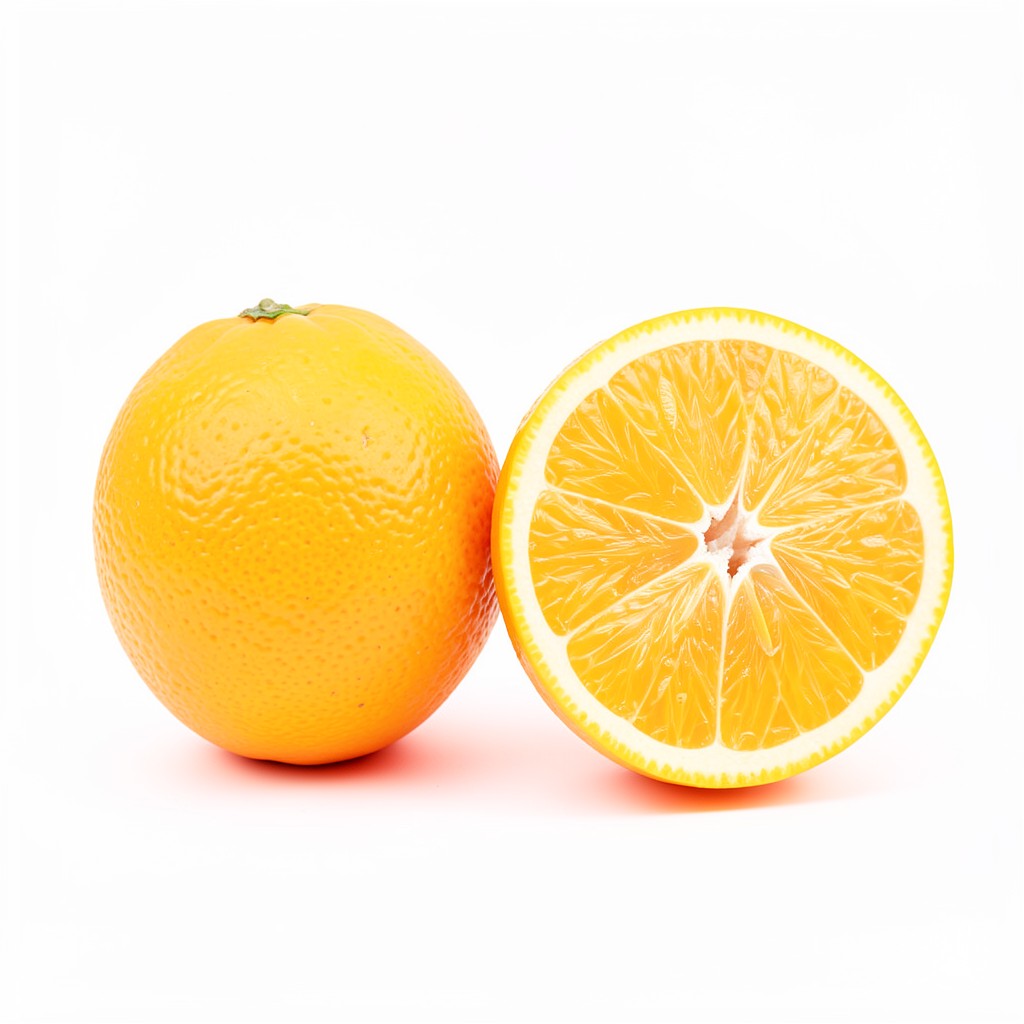 0.5 oz Orange Juice, Freshly squeezed is non-negotiable.
Fresh juice provides a bright, tart acidity that cuts through the sweetness. Carton juice is flat and will make the drink taste dull.
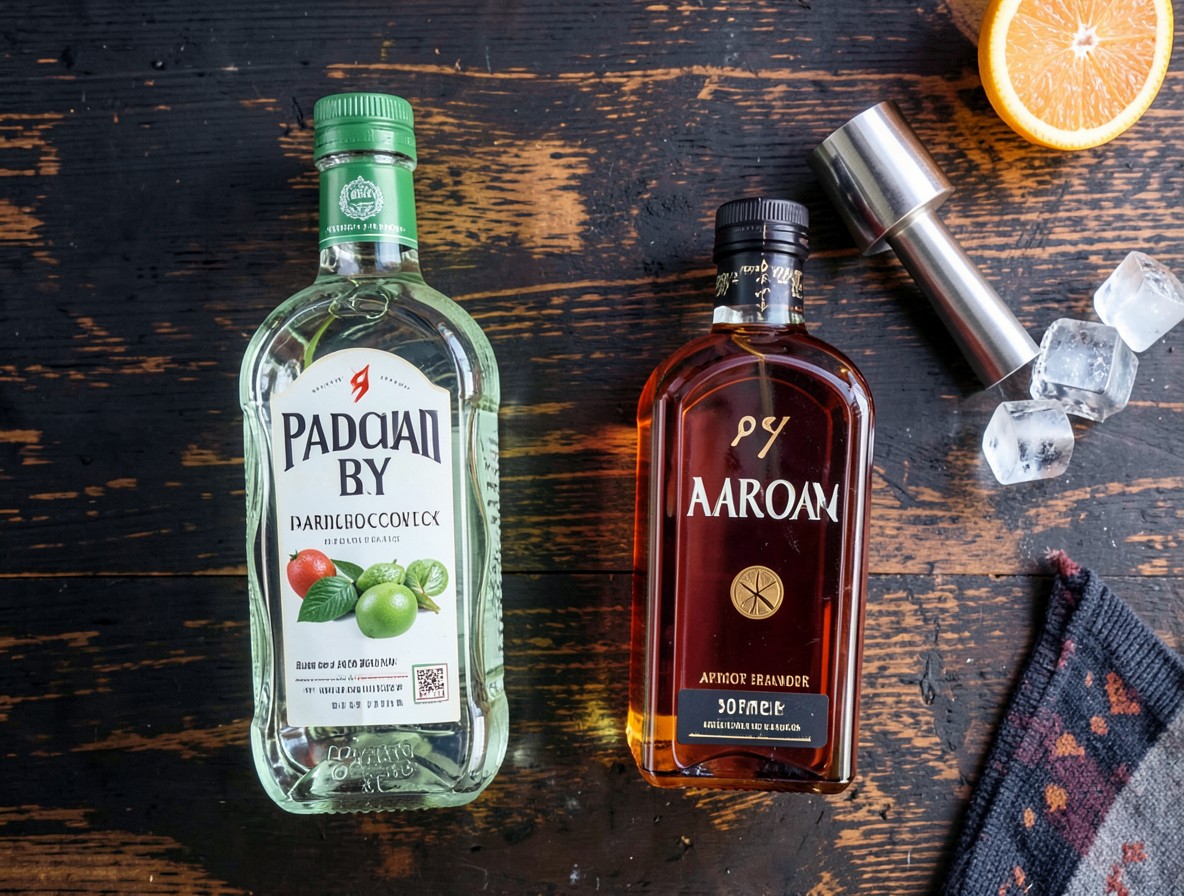
ingredients
The choice of gin matters. You want a classic London Dry—something with a firm juniper backbone and citrus notes like Beefeater or Tanqueray. A softer, more floral gin will get lost. For the apricot brandy, this is not the time for a cheap, syrupy bottle. Look for an apricot liqueur, like Rothman & Winter or Giffard, which has a more authentic, less cloying flavor. And the orange juice? It has to be fresh. Squeeze one orange. Anything from a carton will flatten the entire drink.
You need: jigger or measuring spoons, cocktail shaker, strainer, fine strainer.
Method
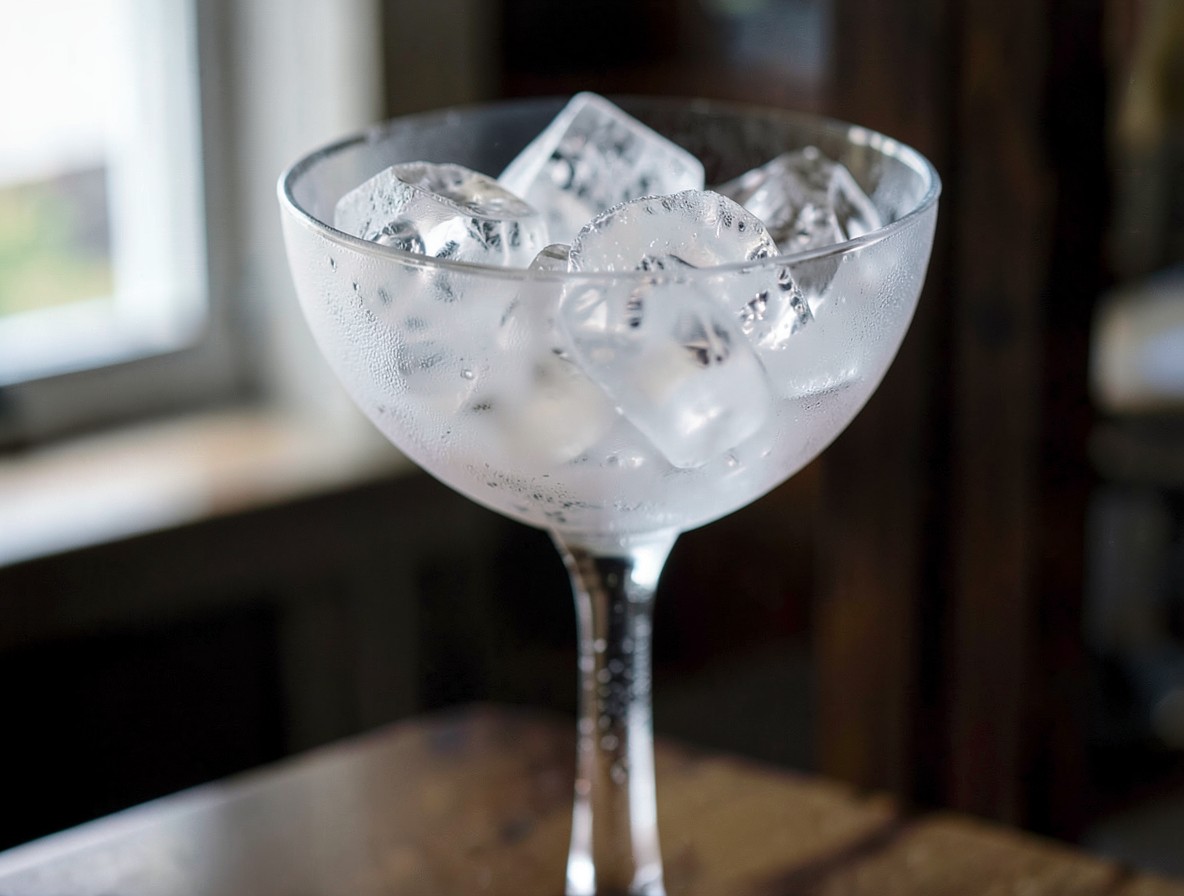
Chill Your Glass
Fill your coupe or martini glass with ice and set it aside. This does two things: it chills the glass for a proper serve, and it gives you a visual cue to start building the drink.
Look for: The glass is cold to the touch and starting to frost on the outside.
Common mistake: Skipping this step. A warm glass will immediately warm up your cold cocktail, dulling the flavors and making the drink taste flat.
Into your cocktail shaker, add the gin and the apricot brandy. Use a jigger and pour carefully—the ratio here is the whole drink.
Look for: The two liquids sit in the bottom of the shaker, the clear gin and the deep amber apricot brandy.
Common mistake: Pouring sloppily. A heavy-handed pour of one ingredient over another will throw the whole balance off.
Pour in the fresh orange juice. Don't worry if it looks like a small amount—it's a modifier here, not the base.
Look for: The bright, pulpy orange juice mingles with the amber brandy, creating a marbled effect in the bottom of the shaker.
Common mistake: Using too much juice. It's tempting to add more, but it will dilute the spirit and turn the drink into a sad, weak cocktail.
Fill your shaker three-quarters full with cracked ice. Shake it hard for 12-15 seconds. You're not just mixing, you're chilling, diluting, and aerating. The ice melts just enough to soften the alcohol and open up the flavors.
Look for: The outside of the metal shaker frosts over. You'll hear the ice stop rattling as the liquid gets colder and the sounds become more muffled.
Common mistake: Shaking too gently. You need the force to properly mix and chill. If you're not feeling the shaker get painfully cold, you're not doing it right.
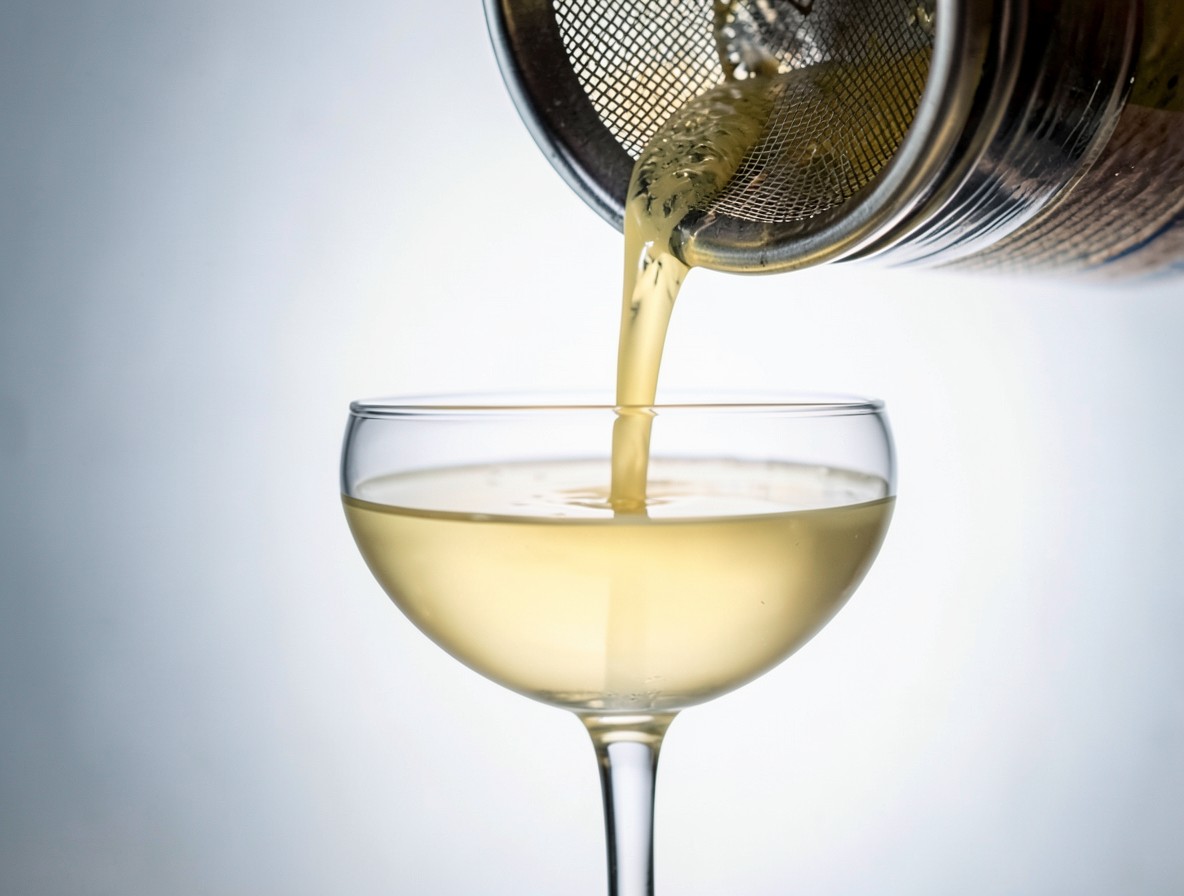
Discard the ice from your serving glass. Double strain the cocktail into the chilled coupe, using both your shaker strainer and a fine strainer to catch any pulp or ice shards.
Look for: The liquid pours out a pale, glowing gold. It's completely clear and smooth, with no ice chips or pulp floating on top.
Common mistake: Skipping the double strain. A few ice shards in the glass will water down the last sip and ruin the silky texture.
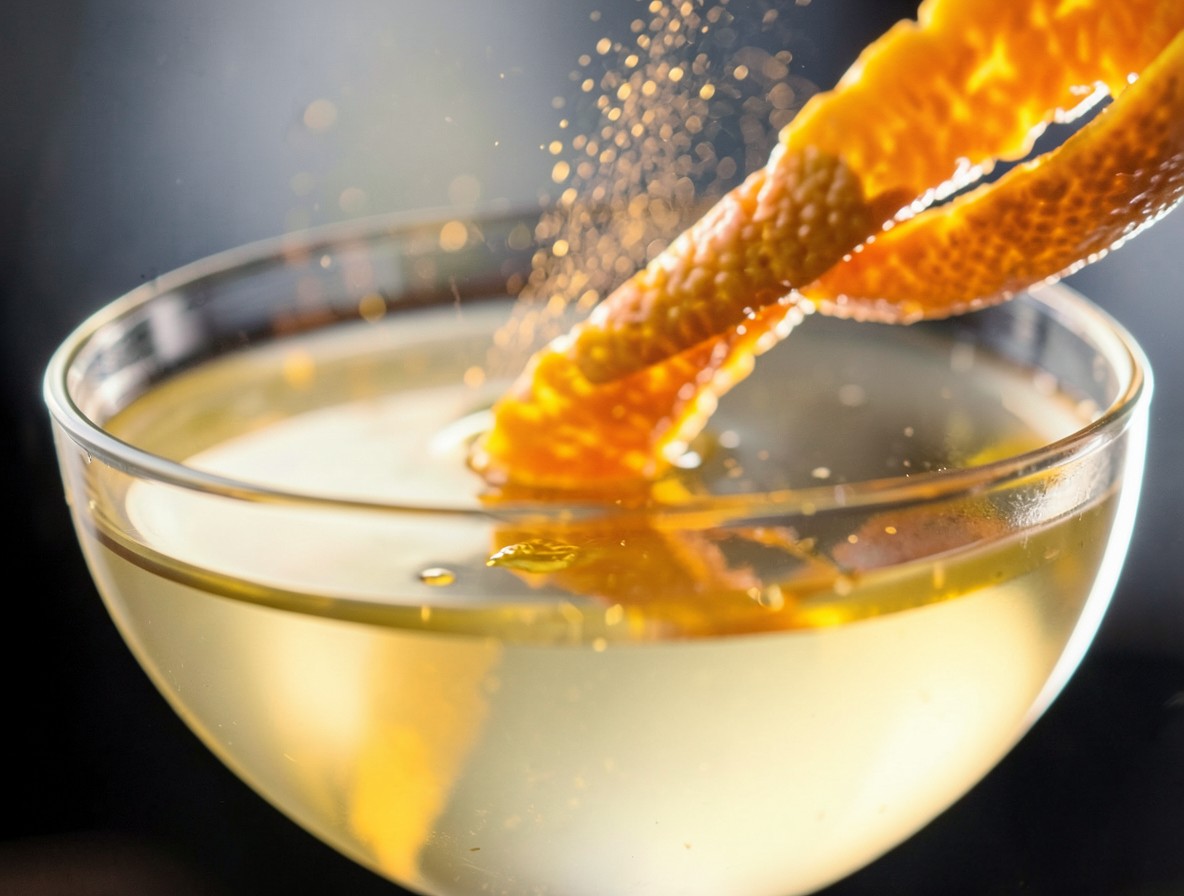
Garnish is optional, but a single, thin strip of orange peel expressed over the top is a classic touch. Twist it over the drink to release the oils, then drop it in or discard it.
Look for: A fine mist of orange oil appears over the surface. The drink is a clear, golden color with a bright, citrusy aroma.
Common mistake: Skipping the expression. The oils are what add that aromatic experience; dropping the peel in without expressing it does almost nothing.
Tips from the bar
- 1For the best results, chill your gin and apricot brandy in the freezer before making the drink. This minimizes dilution during the shake.
- 2If you want a slightly sweeter, more rounded drink, use a dash of simple syrup. The original recipe sometimes calls for a touch of sweetness to balance a tart orange.
- 3Don't be afraid to adjust the ratio. If you find the apricot too forward, dial it back slightly. The recipe is a starting point, not a law.
- 4Experiment with a more floral gin, like a Hendrick's, for a slightly different character. It won't be the classic, but it can be delightful.
- 5A small, cold glass is key. The smaller the surface area, the slower your drink warms up.
Variations
- The 'Improved Paradise' adds a barspoon of Maraschino liqueur for a subtle almond-like complexity.
- For a sparkling version, top the strained cocktail with a splash of Champagne or prosecco in the glass.
- Substitute the orange juice with blood orange juice for a deep red color and a slightly more tart flavor.
- Some historical versions call for a dash of orange bitters to enhance the citrus notes.
Substitutions
- Use a good quality apricot jam syrup (a barspoon of jam shaken with the drink) if you don't have apricot brandy, but the flavor will be less complex.
- If you're out of orange juice, a high-quality orange liqueur like Cointreau can be used in a pinch, but it will make the drink much sweeter and more spirit-forward.
- Vodka can replace gin for a smoother, less botanical drink, but you'll lose the juniper backbone that makes the Paradise what it is.
Serving, storing, batching
Serve this as a pre-dinner drink, or as a refreshing option for a garden party. Its bright, fruity nature pairs well with light appetizers like nuts, olives, or a simple cheese plate.
This is a single-serve cocktail, best made fresh. Do not store mixed. You can, however, pre-mix the gin and apricot brandy in a bottle and keep it in the fridge for up to a week, adding the orange juice only when you're ready to shake and serve.
To serve a crowd, scale the recipe by the number of guests. For a batch of 8, combine 12 oz gin, 6 oz apricot brandy, and 4 oz orange juice in a large pitcher. Refrigerate for at least an hour. To serve, pour the mixture into a shaker with ice, shake, and strain into individual glasses. Don't shake the whole batch at once, as it will dilute too much.
Questions people ask
The Paradise cocktail is made with just three ingredients: gin, apricot brandy, and orange juice. The standard ratio is 7 parts gin, 4 parts apricot brandy, and 3 parts orange juice, which scales to 1.5 oz gin, 0.75 oz apricot brandy, and 0.5 oz orange juice.
A Paradise drink is a classic gin cocktail that combines gin, apricot brandy, and orange juice. It's a pre-Prohibition era recipe, known for its sweet, fruity flavor balanced by the dry botanicals of the gin. It is typically shaken and served straight up in a cocktail glass.
A Paradise cocktail is traditionally served in a chilled cocktail glass, like a coupe or a martini glass. This is because the drink is served 'up,' meaning it's shaken with ice and then strained, so no ice is in the final glass.
The Paradise cocktail must be shaken, not stirred. This is a hard rule because it contains orange juice. The vigorous shaking is necessary to properly incorporate the juice, chill the ingredients, and create a smooth, slightly aerated texture. Stirring would leave it oily and poorly mixed.
You can, but a London Dry Gin is the classic and recommended choice. Its strong juniper and citrus notes are designed to stand up to the sweet apricot brandy. A more delicate or floral gin can get lost, while a barrel-aged gin will change the color and flavor profile significantly.
It takes about five minutes from start to finish. This includes chilling the glass, measuring the three ingredients, shaking them with ice, and double straining into the glass. It is one of the fastest classic cocktails to prepare.
Yes, the Paradise cocktail is vegan. All three ingredients (gin, apricot brandy, and orange juice) are plant-based. There are no dairy, egg, or honey products involved in the drink.
Cloudiness is usually the result of not double straining. The orange juice has pulp, and when shaken hard, that pulp gets broken up into tiny pieces that cloud the drink. Using a fine mesh strainer (a 'tea strainer') while pouring will give you a completely clear, brilliant cocktail.
The Paradise cocktail tastes distinctly of apricot, which is rich and slightly jammy. This is immediately followed by the sharp, piney flavor of the gin, and rounded out by the bright acidity of fresh orange juice. The overall impression is a sweet-but-balanced, fruity cocktail that goes down deceptively easily.
There isn't a perfect one, but a high quality apricot syrup can be used to mimic the flavor. The drink will be less complex and a bit thinner. Alternatively, you could try a peach liqueur, but it would change the character of the drink away from the classic.
Last word
The Paradise is more than a recipe; it's a piece of cocktail history that still tastes fresh today. It's worth adding to your repertoire for its simplicity and the impressive balance of its three ingredients. Mix one up for your next cocktail hour and see why it's lasted a century.