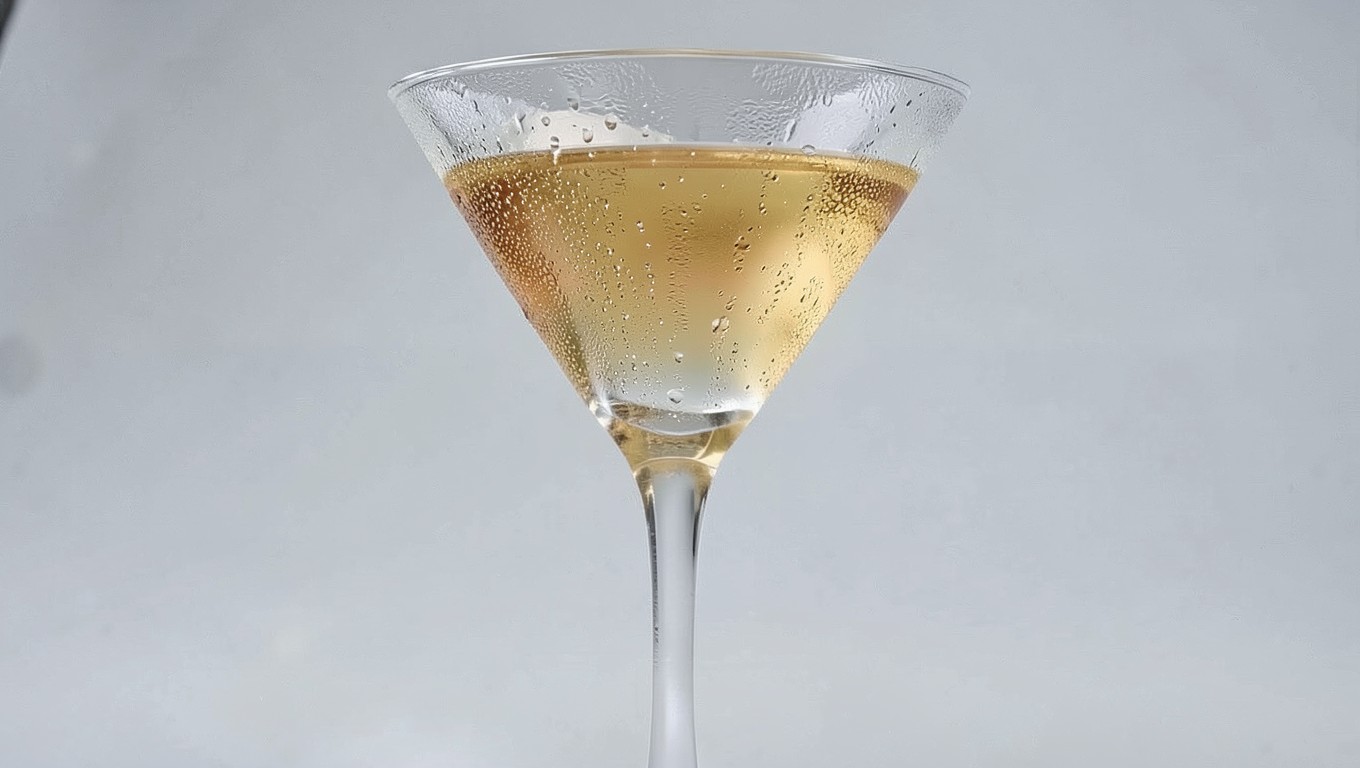
The Angel Face Cocktail: A Classic You Can Make in Minutes
The Angel Face is a classic three-ingredient cocktail made with gin, apricot brandy, and apple brandy (like calvados or applejack). Shake it with ice and strain into a chilled martini glass. It's fruity and smooth, ready in about 3 minutes for one.

- Basegin
- Strength28% ABV, approximate
- Methodstir
- Glassmartini
- Difficultyeasy
- Total3 min
- Serves1
- Fruity
- Smooth
- Slightly tart with a dry
- Botanical finish
- Jigger or measuring spoons
- Cocktail shaker
- Strainer
- Fine strainer
The Angel Face is a classic cocktail that's been around for nearly a century, and it's easy to see why. Three simple ingredients create something surprisingly complex: the botanical kick of gin, the sweet stone-fruit punch of apricot brandy, and the tart, earthy depth of apple brandy. Stirred together, they balance into a drink that's fruity but dry, smooth but with a real backbone of spirit. This cocktail rewards attention to ingredient quality because there's nowhere to hide. It takes about three minutes to make and makes a fine change from a Negroni.
About the Angel Face
The Angel Face is a classic cocktail that first appeared in Harry Craddock's influential 1930 book, 'The Savoy Cocktail Book.' It comes from the pre-Prohibition and interwar era, when three-ingredient drinks built on a base spirit and two complementary liqueurs were the gold standard. Its exact origins are debated, but it's firmly part of the classic cocktail canon. The drink's character hinges on the balance between the dry, juniper-forward gin and the two fruit brandies, which are technically liqueurs. That combination yields a drink that is fruit-forward and spirit-driven, making it a versatile aperitif or a sophisticated after-dinner sipper.
Why it works
- 1The juniper and botanicals in a London Dry gin provide a dry, savory counterpoint to the sweetness of the two fruit liqueurs, preventing the drink from becoming cloying.
- 2Apricot brandy contributes a rich, jammy stone-fruit sweetness and a round mouthfeel that forms the drink's core flavor.
- 3Apple brandy, especially a Calvados, adds a tart, earthy complexity with a slight funk that cuts through the apricot sweetness and gives the drink a dry, elegant finish.
- 4Shaking, rather than stirring, chills and dilutes the viscous liqueurs properly, marrying the flavors and creating a silky, well-integrated texture.
- 5The combination of apricot and apple creates a complex flavor profile that tastes like a well-aged orchard in a glass.
Ingredients
Serves 1.
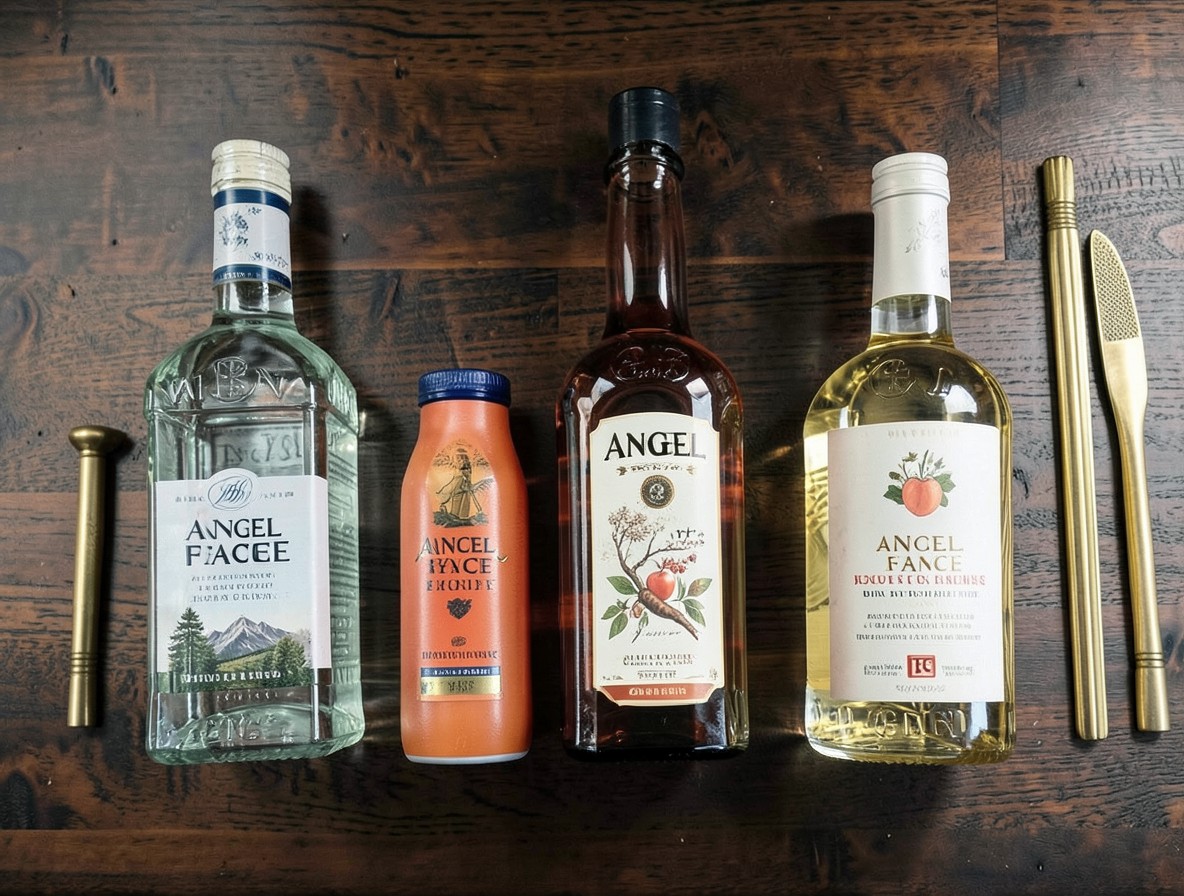
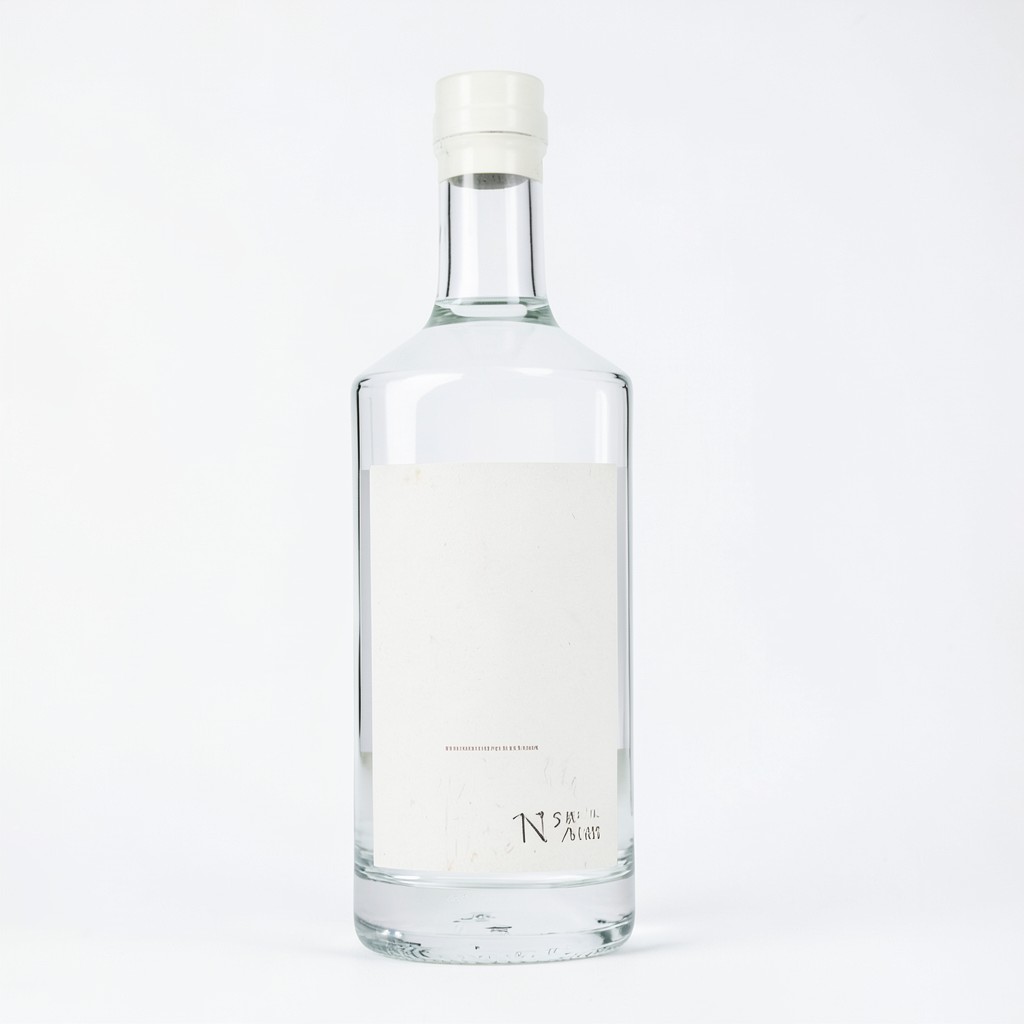 1 oz London Dry Gin, A dry gin, like a London Dry style
The quality and dryness of the gin are crucial; it's the backbone of the drink.
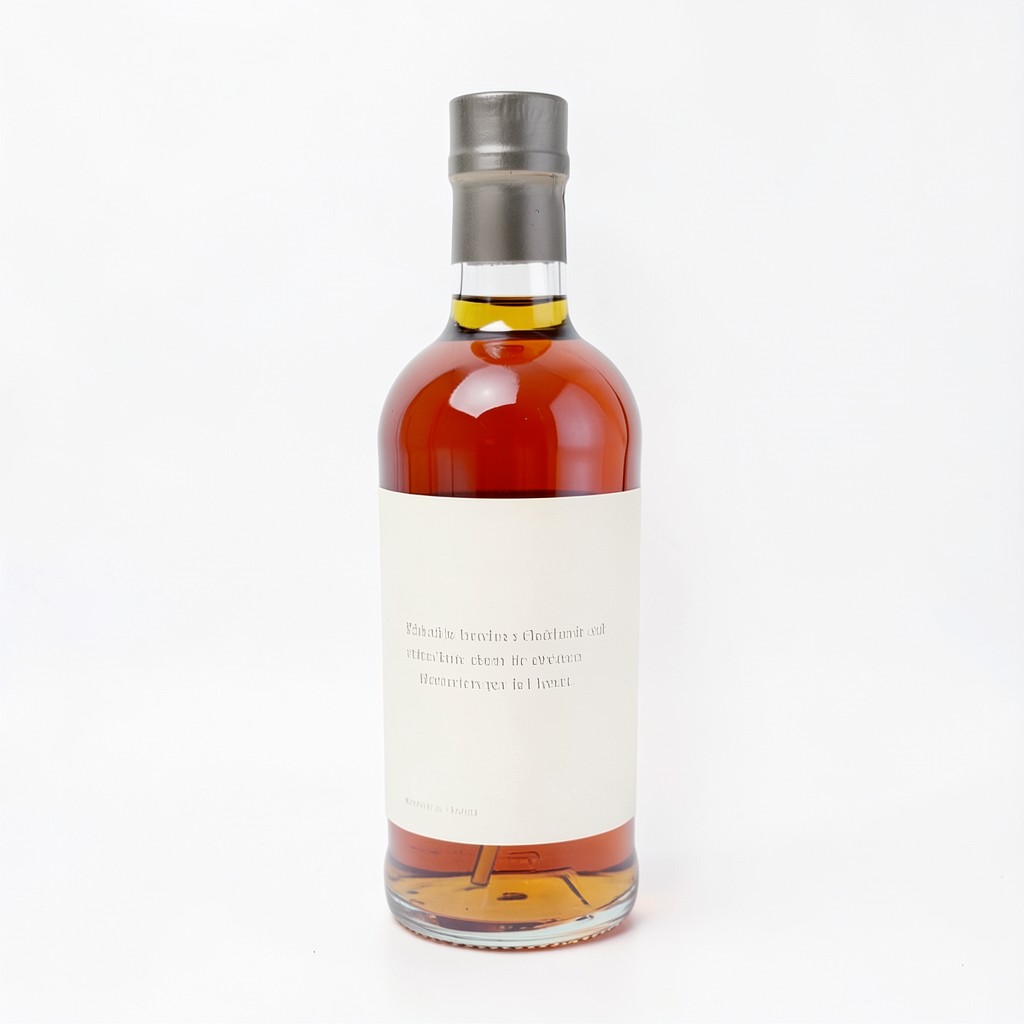 ½ oz Apricot Brandy Liqueur, Use a liqueur, not a true eau de vie
A liqueur provides the necessary sweetness and body; an eau de vie is too dry and will not balance the cocktail.
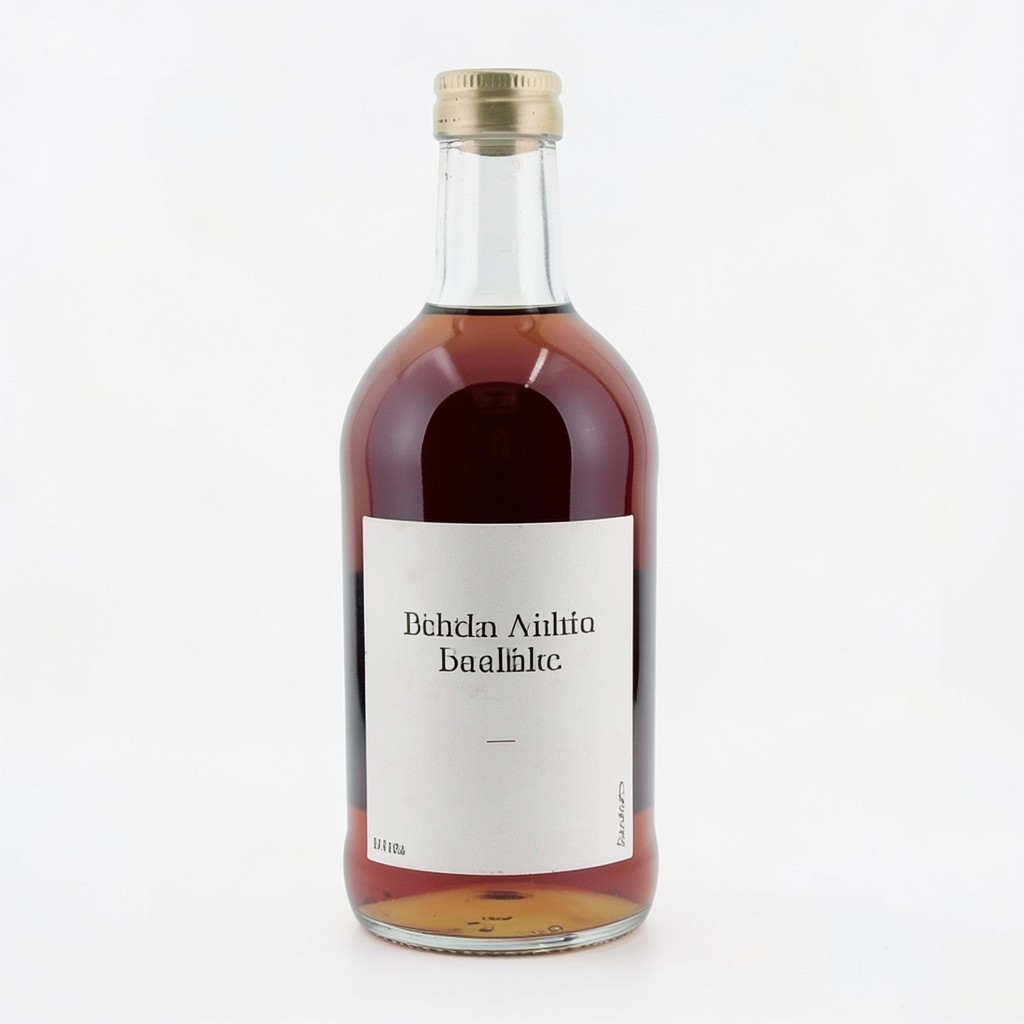 ½ oz Apple Brandy (Calvados or Applejack), Use a calvados or an applejack
Provides an earthy, tart complexity that is essential to the drink's character.
ingredients
The choice of gin matters. A classic London Dry like Beefeater or Tanqueray works perfectly, but a softer, more floral gin can also shine here. Don't use a navy-strength gin, as its high proof can overpower the delicate fruit. For the apricot brandy, you want a liqueur, not a true brandy (eau de vie). A well-known brand like Rothman & Winter or Giffard is ideal. For the apple brandy, a good Calvados from Normandy is the classic choice, but an American applejack like Laird's is a fantastic, slightly more rustic substitute that brings a great depth of flavor.
You need: jigger or measuring spoons, cocktail shaker, strainer, fine strainer.
Method
Chill your glass
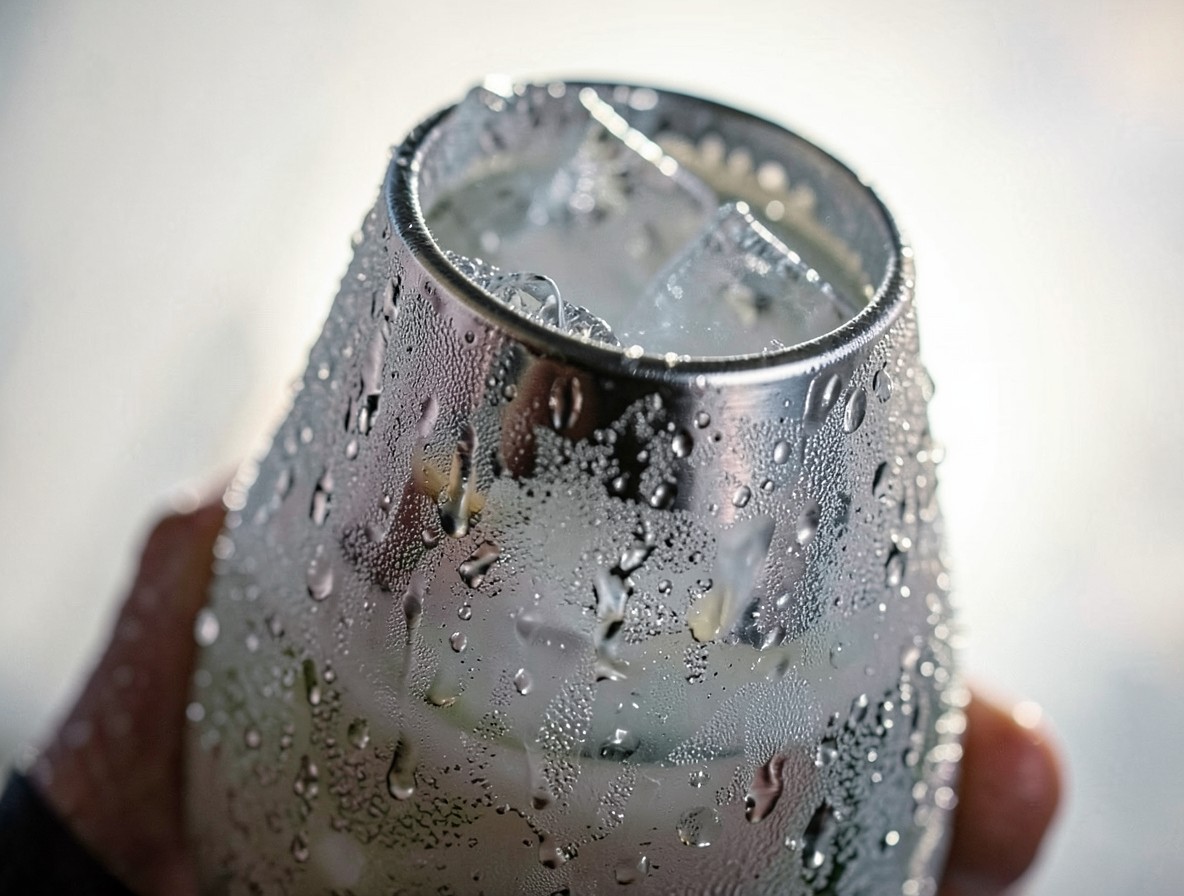
Fill your martini glass with ice and water, or pop it in the freezer for a few minutes. A properly chilled glass is the first step to a great cocktail, keeping it cold and crisp from the first sip to the last.
Look for: A light frost or a fine layer of condensation forming on the outside of the glass.
Common mistake: Skipping this step. A warm glass will quickly dilute and warm your drink, ruining the texture and flavor.
Fill a mixing glass with ice. Pour the 1 oz of gin, ½ oz of apricot brandy, and ½ oz of apple brandy into the glass. Use your jigger and measure precisely; this is a delicate drink and an extra quarter-ounce of one ingredient will throw it off-balance.
Look for: The clear gin and the two amber-colored liqueurs swirling together over the ice.
Common mistake: Being sloppy with the measurements. This is a 2:1:1 ratio, and if you pour heavy on the sweet apricot brandy, you'll get a one-note, sugary drink.
Stir the cocktail for about 30 seconds. You're not just chilling the drink; you're incorporating the dilution that brings all the flavors together. You'll feel the mixing glass get so cold it's almost painful to hold.
Look for: A heavy frost forms on the outside of the shaker. The sound of the ice shifts as it cools.
Common mistake: A gentle, wristy shake. A lazy shake won't provide enough dilution or chill, leaving the drink feeling hot and syrupy.
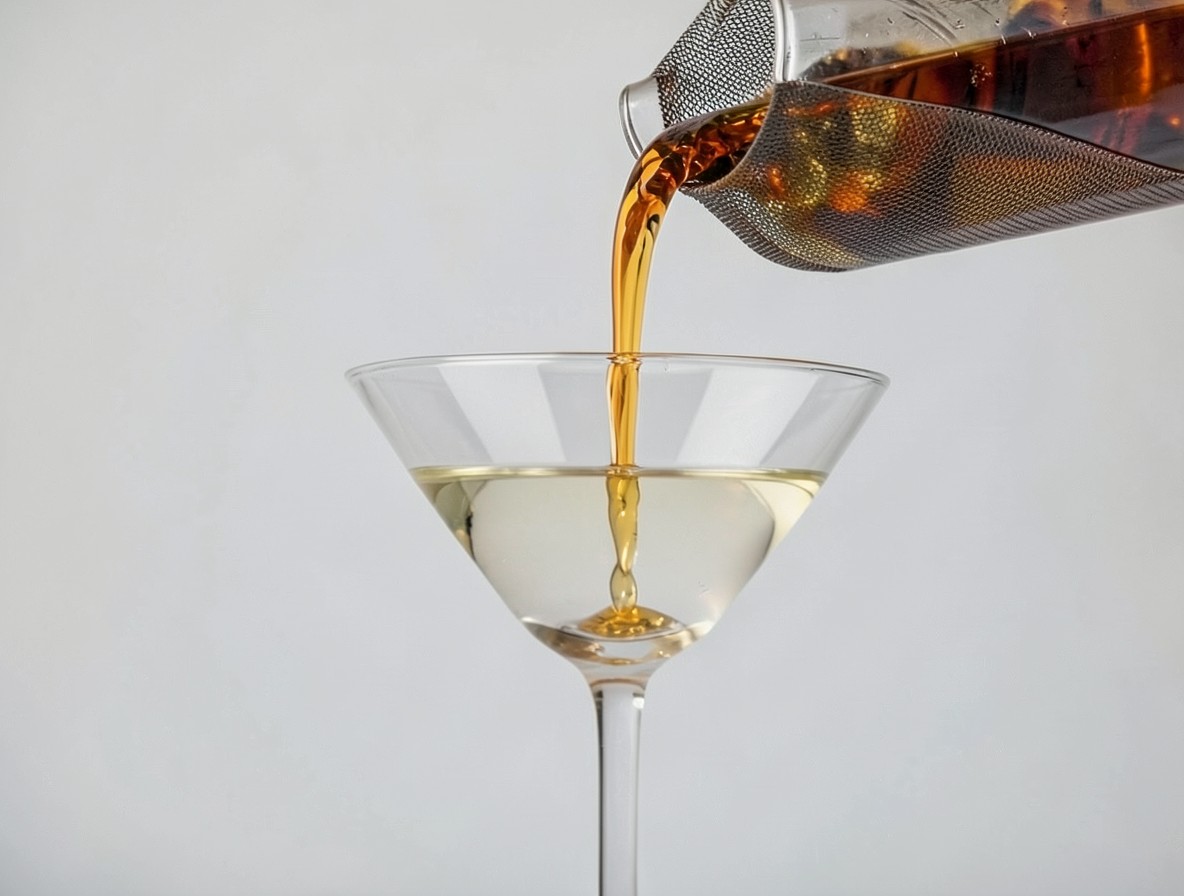
Discard the ice and water from your serving glass. Place a strainer over the mouth of the mixing glass and strain the drink into the chilled martini glass. This single-straining step catches any bits of fruit sediment, leaving the drink perfectly clear and silky.
Look for: The clear, amber liquid flowing through the strainer into the glass. The drink should be perfectly clear, with no cloudiness or ice chips.
Common mistake: Skipping the fine strain and letting small ice chips fall into the glass. They melt quickly, altering the drink's balance and watering down the first few sips.
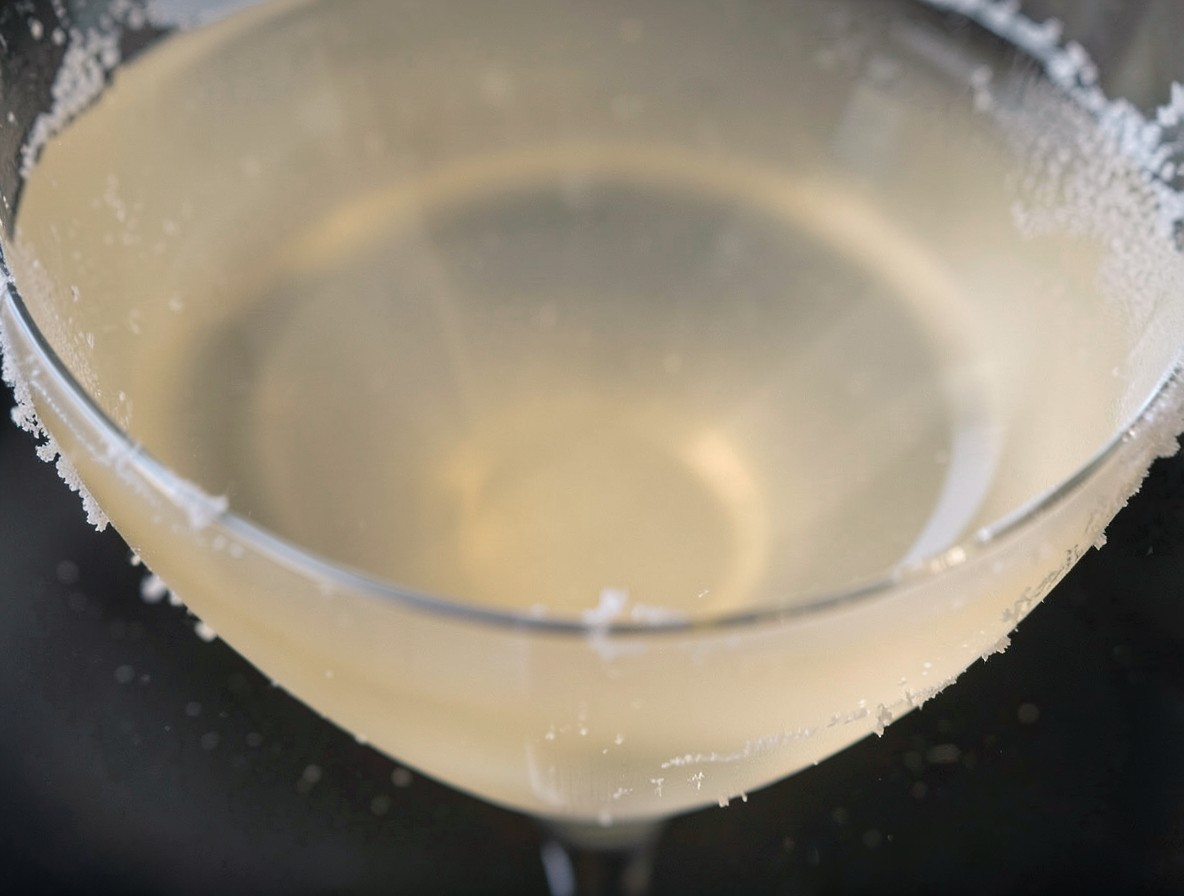
Serve the drink immediately, with no ice and no garnish. The Angel Face is a beautiful, pale amber color on its own, and its aroma is best enjoyed unadorned. Just present it and let the drink speak for itself.
Look for: The elegant, crystal-clear pale amber liquid in the chilled martini glass, with no ice and a pristine surface.
Common mistake: Adding a garnish. A citrus twist or a cherry will overpower the delicate nose of this drink. It's a classic that was designed to be served clean.
Tips from the bar
- 1For a different texture, try stirring the drink instead of shaking it. You'll get a silkier, more spirit-forward result with less dilution, though it will be slightly less chilled.
- 2If you only have a standard strainer, pour the drink slowly and stop as soon as you see ice chips approaching the strainer to avoid them falling in.
- 3The quality of your ice matters. Use fresh, clean ice cubes, ideally larger ones. They melt more slowly and dilute the drink more evenly than tiny or old ice.
- 4Consider keeping your gin and liqueurs in the freezer for a few hours before making this drink. An extra-cold start means a perfect temperature with even less dilution.
- 5If you want to make it a bit more robust, try a 1.5:1:1 ratio of gin to the fruit brandies. This makes a more gin-forward and drier version.
Variations
- For a more rustic, American version, swap the Calvados for a bonded applejack like Laird's. It will give the drink a slightly more fruity and less refined, but still delicious, character.
- If you prefer a more gin-forward drink, add an extra ½ oz of gin to the shaker for a drier, more botanical take on the classic.
- Make it a long drink by building the standard ingredients in a highball glass over ice and topping it with a good quality ginger ale or soda water for a refreshing summer sipper.
Substitutions
- If you don't have apricot brandy, you could try a good quality apricot jam stirred into the gin, but the texture will be different and you'll need to strain it thoroughly. The flavor will be close, but it won't have the same round, smooth mouthfeel.
- In a pinch, you can use a pear brandy (Poire Williams) in place of the apple brandy. The drink will be a bit more floral and delicate, but still balanced and fruity.
- For a different flavor profile, you could use a sloe gin in place of the London Dry Gin for a much more fruit-forward and sweeter drink, but this changes the character entirely.
Serving, storing, batching
Serve this as an elegant aperitif before a dinner of roasted chicken or pork. Its fruity and dry profile also pairs beautifully with a cheese board, especially with aged gouda or a creamy brie.
The Angel Face is best made fresh and served immediately. It is not a drink that stores well, as dilution from shaking will ruin it. Store your bottles of gin and liqueurs in a cool, dark place.
To batch this for a party, you can scale the recipe up in a pitcher, using 8 oz gin, 4 oz apricot brandy, and 4 oz apple brandy. Keep the mixture in the refrigerator until it's cold, and add your water for dilution (about 3-4 oz) just before serving over a large block of ice in the pitcher. Stir gently to combine and chill, then pour into chilled glasses.
Questions people ask
The Angel Face has a complex, fruity flavor that's smooth and slightly tart. The apricot brandy brings a sweet, jammy note, while the apple brandy adds a dry, earthy depth. The gin provides a botanical, juniper backbone that keeps the drink from being too sweet, resulting in a balanced and sophisticated profile.
It is a gin-based cocktail. While it contains two types of brandy liqueurs, the gin is the larger measure (1 oz) and is the primary spirit or base, with the brandies acting as the flavoring and sweetening agents.
The most common reason is using a low-quality apricot brandy that is overly sweet and syrupy. It could also be that your pour was heavy-handed. The drink relies on a 2:1:1 ratio and the dryness of a good London Dry gin to balance the sweet components. Try adjusting your amounts or using a drier gin.
A classic London Dry gin is the best choice because it's dry and well-balanced, providing a clear backbone for the fruit flavors. A more floral or contemporary gin can also work, but a heavy, navy-strength gin will overpower the delicate apricot and apple notes.
For this recipe, you want an apricot liqueur. A true apricot brandy (or eau de vie) is a clear, dry spirit distilled from apricots. A liqueur is sweetened and often has a thicker, more syrupy texture, which is exactly what the Angel Face recipe calls for to provide body and sweetness.
It should be shaken. The recipe includes viscous liqueurs that need to be properly diluted and chilled to integrate with the gin. Shaking provides this dilution and aeration, which results in a smoother, more well-mixed drink than stirring would.
Yes, the Angel Face is listed as an IBA (International Bartenders Association) official cocktail. It is part of their 'The Unforgettables' list, which recognizes classic cocktails that have stood the test of time.
Yes, you can create a 'mocktail' version. A common approach is to use a good quality non-alcoholic gin substitute, and combine it with an apricot syrup and a splash of apple juice. This won't be identical, but it can capture the fruity and botanical notes of the original.
A classic cocktail (martini) glass is the traditional and best choice. Its wide, shallow bowl allows the drink's aromas to be appreciated, and its long stem keeps the drink from being warmed by your hand. It should be served up, without ice.
You can typically find apricot liqueur or brandy at well-stocked liquor stores, especially those with a good selection of liqueurs. Look for brands like Rothman & Winter, Giffard, or Marie Brizard, which are commonly used by bartenders for classic cocktails.
A simple way to make a homemade aperitif is to combine a base wine or vermouth with a bittering agent like gentian root or a fruit liqueur, and let it infuse. However, a simpler route for a cocktail like the Angel Face is to focus on a balanced mix of quality spirits and liqueurs.
Yes, it's an excellent beginner cocktail because it only uses three ingredients and a single technique (shaking). It's a great way to learn how important precise measurements are, and the result is a sophisticated, impressive drink that's hard to get wrong with good ingredients.
Last word
The Angel Face shows the power of simplicity. With three quality ingredients and a proper stir, you can craft a smooth, complex classic that feels far more sophisticated than its 3-minute prep time suggests. It's a great drink to impress a guest, or to treat yourself to a quiet, classic moment.