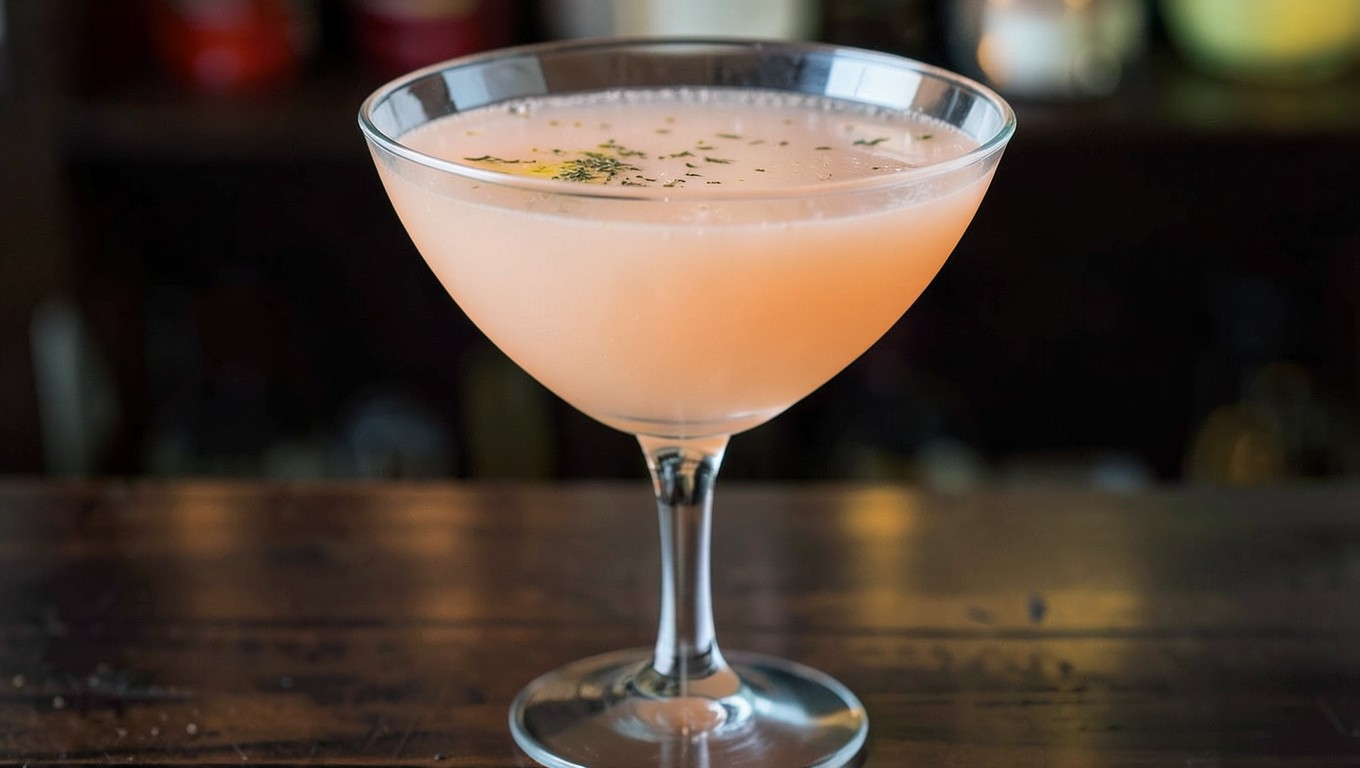
Monkey Gland Cocktail Recipe
The Monkey Gland is a shaken gin sour built from 1½ oz gin, 1½ oz fresh orange juice, 1 tsp grenadine, and a rinse of absinthe. It's sweet and tangy, with a faint herbal note from the absinthe. Takes 3 minutes to make one drink.

- Basegin
- Strength20% ABV, approximate
- Methodshake
- Glassmartini
- Difficultyeasy
- Total3 min
- Serves10
- Sweet
- Tangy
- Herbal
- Jigger
- Cocktail shaker
- Strainer
- Fine strainer
- Martini glass
The Monkey Gland sounds like a dare, and in a way it is. A full measure of gin, a big pour of fresh orange juice, a spoonful of grenadine for sweetness, and then the twist: the glass is rinsed with absinthe before the drink goes in. That anise note hangs in the air and on the rim, so every sip starts herbal and finishes clean and citrusy.
It's a 1920s invention, often credited to Harry MacElhone at Harry's New York Bar in Paris. The name came from a bizarre medical fad of the era, not from anything in the glass. What matters today is that the drink survives on its own merits: it's bright and balanced, and far more interesting than a plain gin and juice.
This version sticks to the IBA spec. No shortcuts on the orange juice — bottled stuff turns it cloying. And don't skip the absinthe rinse, because that's the whole point of the drink.
About the Monkey Gland
The Monkey Gland emerged in Paris during the 1920s, attributed to Harry MacElhone of Harry's New York Bar. The name references a short-lived medical craze involving monkey gland transplants, which the bar's regulars found amusing enough to attach to a cocktail. The drink belongs to the sour family, with absinthe as an aromatic accent. It appears on the International Bartenders Association list of official cocktails, which fixes the proportions used here. Unlike many Prohibition-era drinks, it never faded entirely, surviving in cocktail guides and bar menus as a curious relic that tastes better than its name suggests.
Why it works
- 1The absinthe rinse coats the glass with a thin layer of anise that hits first and fades, rather than dominating the drink.
- 2Fresh orange juice provides acidity and body that bottled juice lacks, keeping the cocktail from tasting flat or syrupy.
- 3Grenadine adds sweetness and a rose tint without the heavy mouthfeel of simple syrup.
- 4Shaking with ice chills and dilutes the drink to around 20-25% water, which softens the gin's heat.
- 5The 1:1 gin-to-juice ratio keeps the spirit present while letting the orange read clearly.
Ingredients
Serves 10.
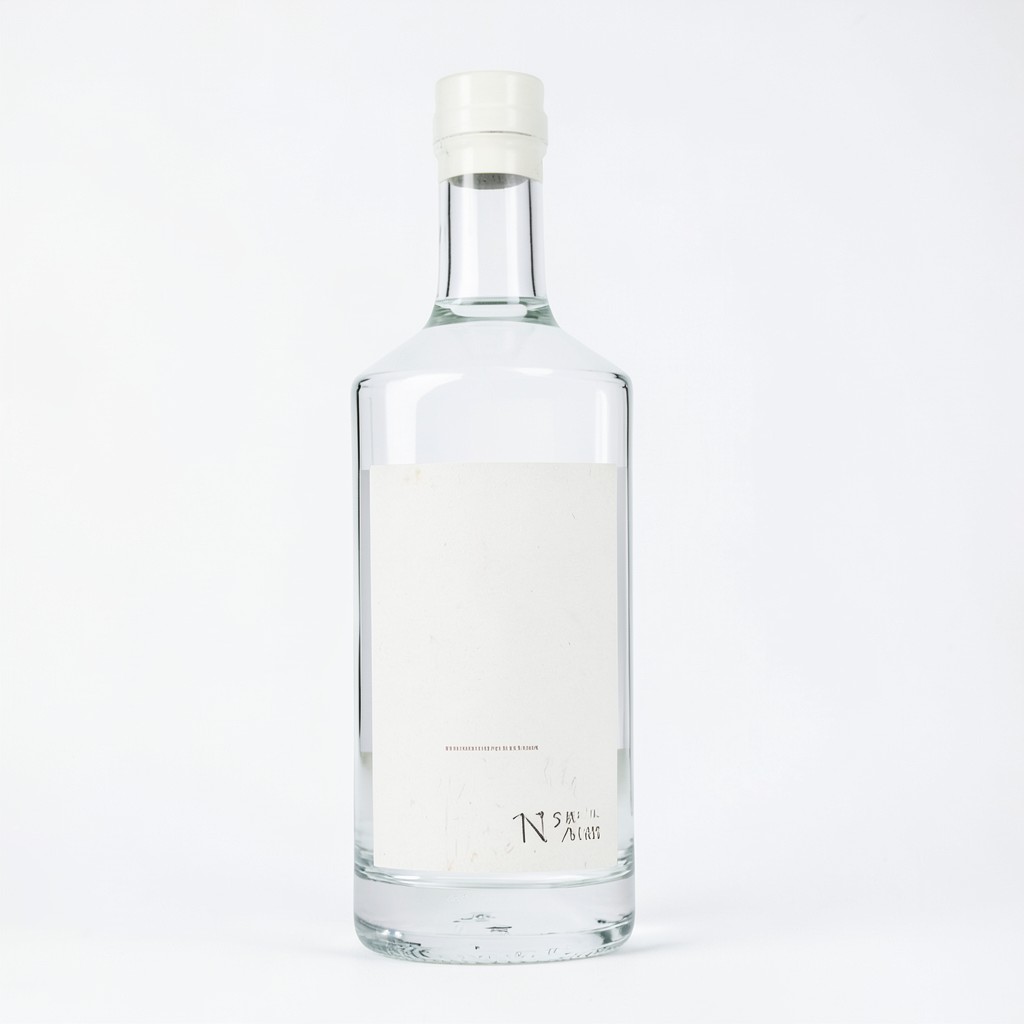 1½ oz Gin, chilled, chilled, preferably a London dry style
London dry gin gives the juniper backbone that stands up to the orange and absinthe.
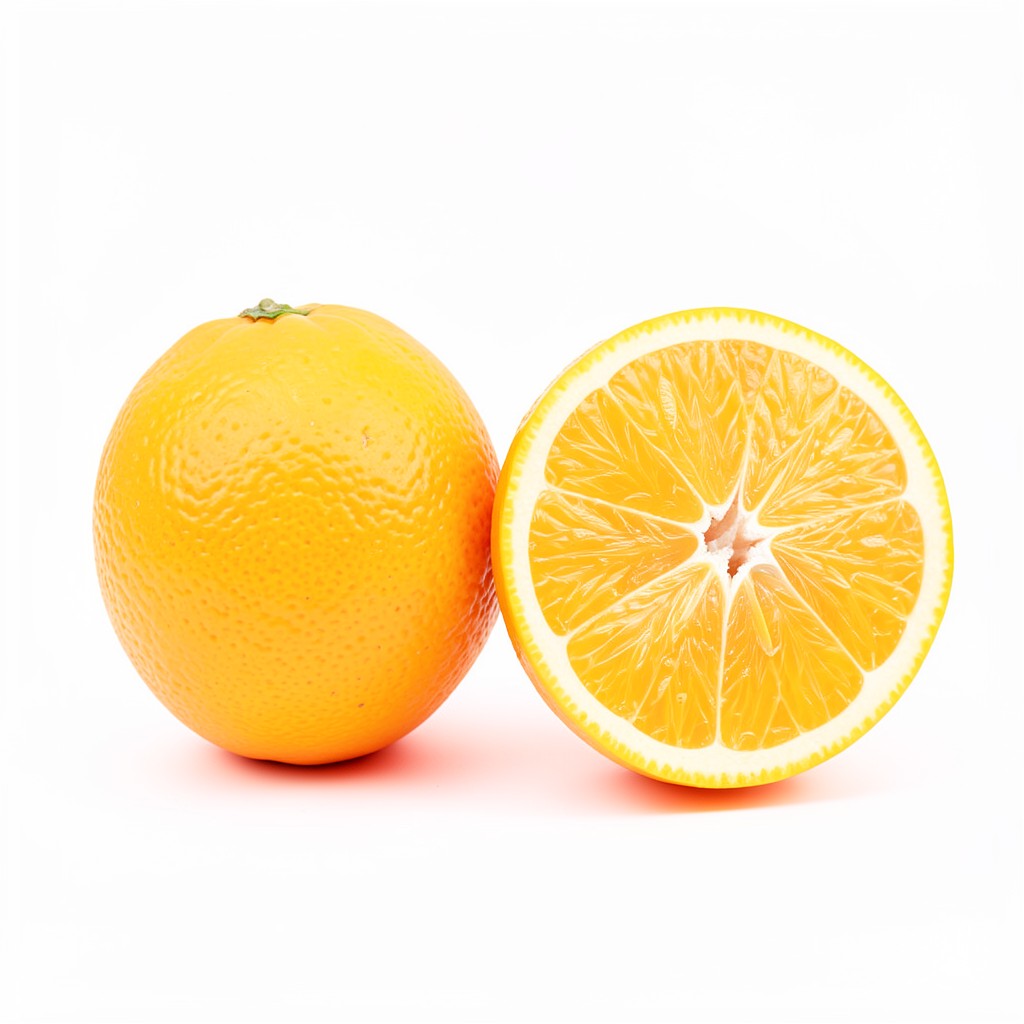 1½ oz Fresh orange juice, freshly squeezed, strained
Fresh juice has the acidity and brightness this drink needs; bottled juice is flat and overly sweet.
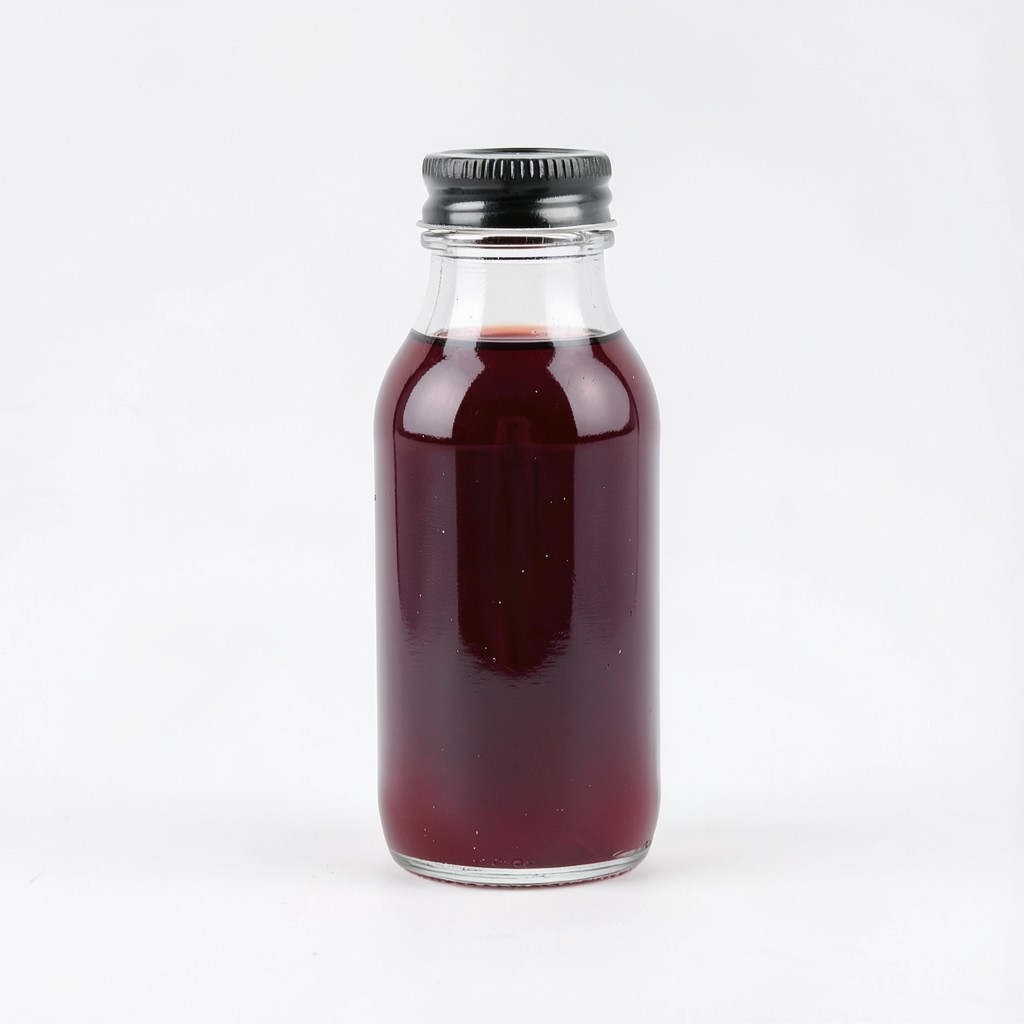 1 tsp Grenadine
Adds sweetness and a subtle rose note; use a pomegranate-based grenadine, not bright red corn syrup.
- 1 tsp Absinthe, for rinsing the glass
The rinse is the signature. You only need enough to coat the inside of the glass.
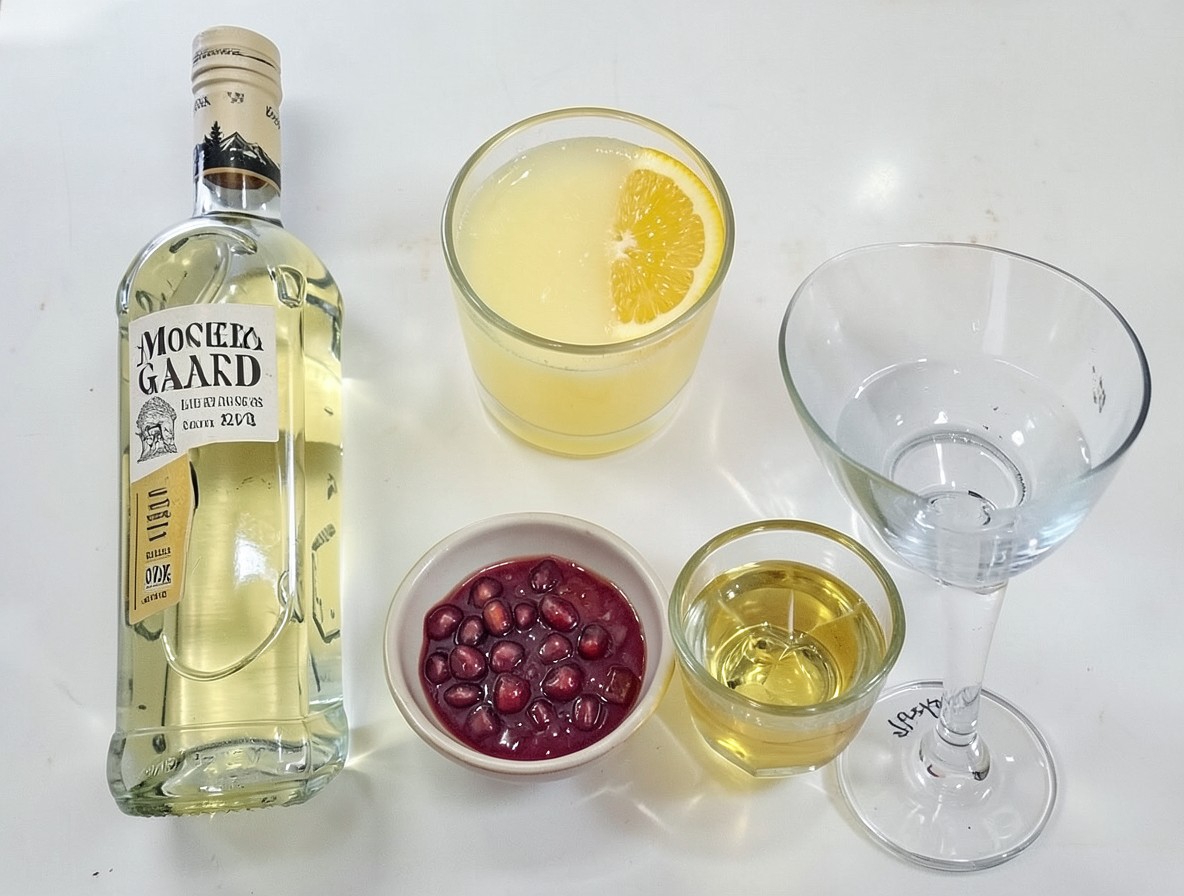
ingredients
The gin matters most. London dry is the safe call — something like Beefeater or Tanqueray gives the juniper push that cuts through the orange and anise. Avoid barrel-aged gins; the woody notes clash with the absinthe. For the orange juice, squeeze it fresh and strain out the pulp unless you want a cloudy drink. A good grenadine is made from pomegranate juice, not high-fructose corn syrup and red dye. Rose's works fine; homemade is better. The absinthe can be any brand, you only need a teaspoon for the rinse.
You need: jigger, cocktail shaker, strainer, fine strainer, martini glass.
Method
Rinse the glass with absinthe
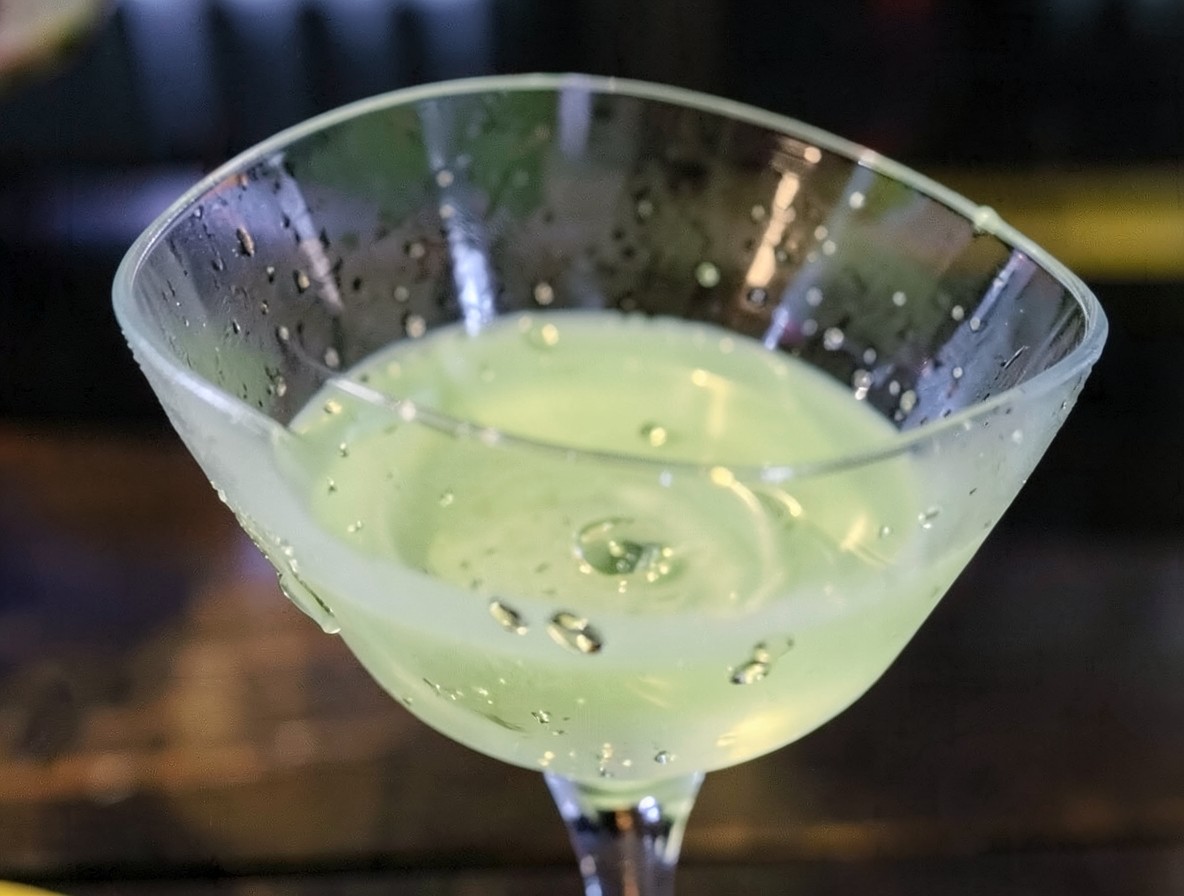
Pour about a teaspoon of absinthe into your chilled martini glass. Swirl it around so the whole inside surface gets coated, then dump the excess. You want a film, not a puddle. If you have a spray bottle, a single spritz works just as well.
Look for: The glass looks wet and faintly cloudy inside, with the smell of anise rising off it.
Common mistake: Leaving too much absinthe in the glass. That turns the drink into a licorice bomb and drowns the gin. Dump it out properly.
Fill a cocktail shaker two-thirds full with cracked ice. Add the gin, orange juice and grenadine. Shake hard for 12 to 15 seconds. You're not just chilling this drink — you're diluting it so the alcohol softens and the juice integrates. Stop when the shaker feels painfully cold in your hand.
Look for: The shaker frosts over on the outside and the liquid inside turns a uniform pale orange.
Common mistake: Shaking too long. Past about 20 seconds, you're over-diluting and the drink turns watery. Judge it by the frost on the shaker, not the clock.
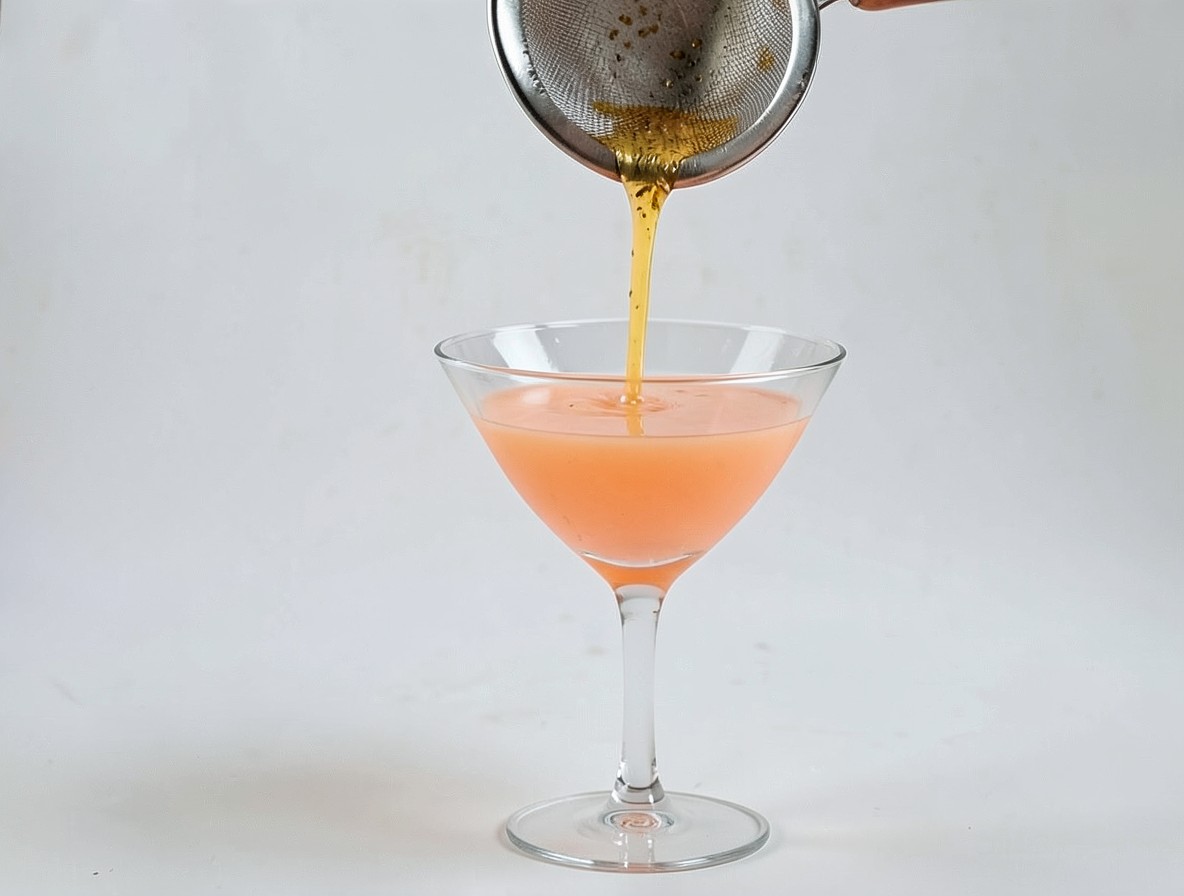
Double-strain into the absinthe-rinsed glass. A fine strainer catches the tiny shards of ice and any stray bits of pulp. Pour slowly so you don't disturb the coating on the glass. The drink should be a clear, pale coral color with no ice floating in it.
Look for: A translucent, pale orange-pink liquid filling the glass, completely free of ice chips and pulp.
Common mistake: Skipping the fine strainer. Ice shards end up in the glass and water down the drink as they melt. Use both strainers.
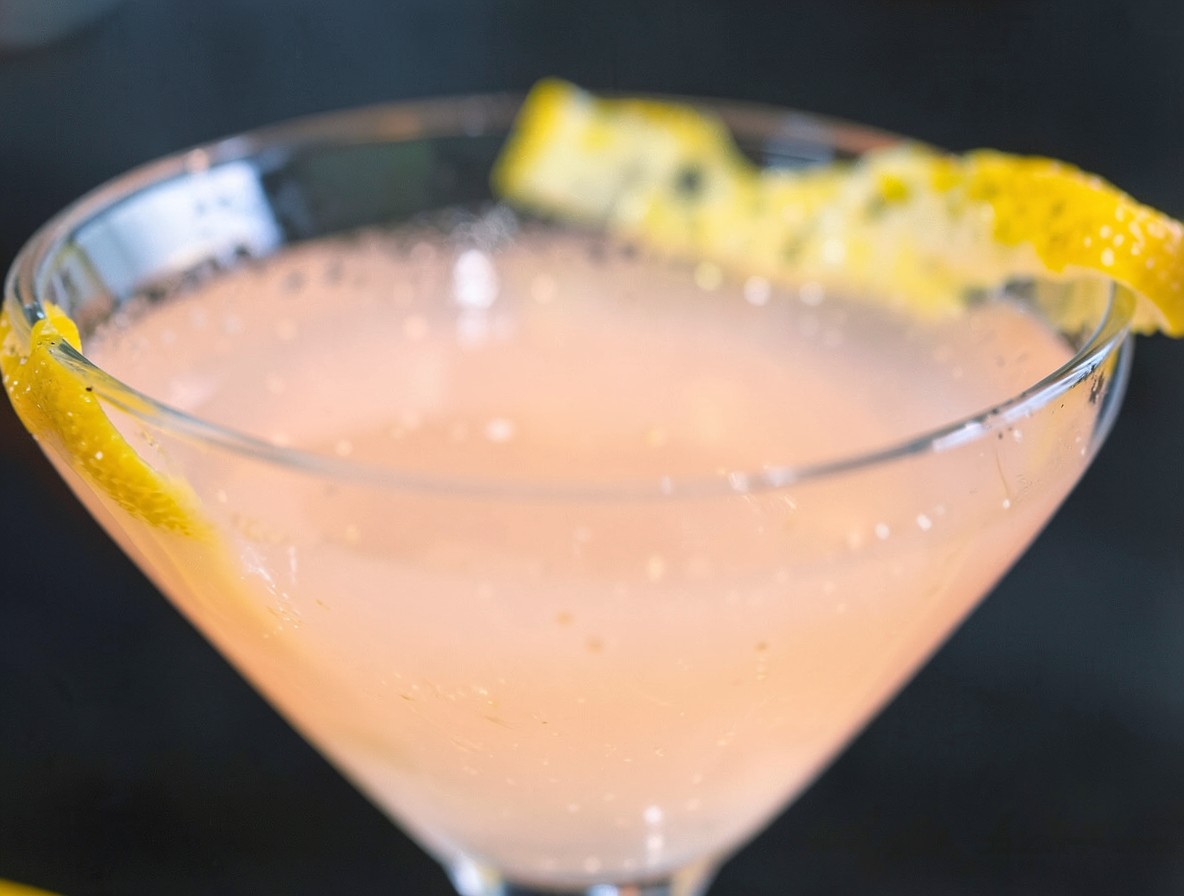
No garnish is traditional, but if you want one, a thin orange twist expressed over the surface adds a fresh citrus note. Twist the peel over the glass to spray the oils, then drop it in or discard it. Serve immediately.
Look for: A faint shimmer of orange oil on the surface of the drink, and the aroma of citrus mixing with the anise from the glass.
Common mistake: Skipping the expression and just dropping a peel in. The oils are the point — if you don't twist it over the drink, you're not getting the aromatic lift.
Tips from the bar
- 1Chill the glass in the freezer for 15 minutes before you start. The drink will hold its temperature longer.
- 2Use a jigger, not a free pour, for the orange juice. This drink is a 1:1 ratio and tipping the pour ruins it.
- 3If you don't have absinthe, pastis like Pernod or Ricard works as a substitute in the rinse.
- 4Make your own grenadine with pomegranate juice and sugar. It takes 10 minutes and tastes noticeably less artificial.
- 5Batch the gin, juice and grenadine ahead of time, but always shake per drink. Don't shake a whole batch at once.
Variations
- Use a rye gin or Old Tom gin for a slightly sweeter, spicier base that changes how the absinthe reads.
- Add a dash of orange bitters along with the grenadine for extra aromatic depth.
- Swap the orange juice for blood orange when it's in season — the color goes deep red and the flavor gets more complex.
- For a low-alcohol version, reduce the gin to 1 oz and add ½ oz of soda water after shaking.
Substitutions
- Pastis instead of absinthe: slightly sweeter and less herbal, but the anise character comes through fine.
- Simple syrup instead of grenadine: loses the pomegranate depth and the pink tint. Use a bit less, about ¾ tsp.
- Bottled orange juice in a pinch: the drink will be sweeter and flatter. Add a squeeze of lemon juice to restore some acidity.
Serving, storing, batching
Serve it as an aperitif before dinner — the bitterness of the absinthe rinse wakes up the palate and the orange juice keeps it light. It pairs well with salty snacks like olives or almonds, which balance the sweetness.
This drink is made to order. The gin and absinthe keep indefinitely at room temperature. Fresh orange juice lasts 2-3 days in the fridge. Grenadine, if homemade, keeps for about a month in the refrigerator. Don't pre-mix the cocktail and refrigerate it — the juice oxidizes and the dilution is wrong.
To scale for a party, mix the gin, orange juice and grenadine in a pitcher in the same ratios: 1½ oz gin and 1½ oz juice per drink. Keep it refrigerated and shake each serving individually with ice. Do not add water to the batch — the shake provides the dilution. Rinse each glass with absinthe just before pouring.
Questions people ask
The Monkey Gland is made with gin as the base spirit, plus a rinse of absinthe. The gin provides the body and juniper flavor, while the absinthe coats the glass and adds an anise aroma that hits first. Orange juice and grenadine round it out.
A Monkey Gland is a classic cocktail made from gin, fresh orange juice, grenadine and an absinthe rinse. It's named after a bizarre 1920s medical fad involving monkey gland transplants, popularized at Harry's New York Bar in Paris. The drink itself is a balanced gin sour.
A Monkey Gland contains gin, fresh orange juice, grenadine and a rinse of absinthe. The gin and juice are equal parts at 1½ oz each, with a teaspoon of grenadine for sweetness. The absinthe is used to rinse the glass, not mixed into the drink.
Monkey juice is a nickname for the Monkey Gland cocktail. It's made from equal parts gin and fresh orange juice, a teaspoon of grenadine, and an absinthe rinse on the glass. Shake the liquid ingredients with ice and strain into the rinsed glass.
The IBA spec calls for 1½ oz gin, 1½ oz fresh orange juice, 1 tsp grenadine, and 1 tsp absinthe for rinsing. Shake the gin, juice and grenadine with ice, then strain into a glass that's been rinsed with absinthe.
It's moderately sweet, balanced by the acidity of fresh orange juice and the herbal bitterness of the absinthe rinse. The grenadine adds sweetness, but it's only a teaspoon, so the drink stays in sour territory rather than tipping into dessert territory.
You can, but it changes the drink significantly. The absinthe rinse is what gives the Monkey Gland its distinctive anise aroma and herbal edge. Without it, you're left with a basic gin and orange juice. Pastis like Pernod is the closest substitute.
A chilled martini glass is the traditional choice. The drink is served up, meaning it's shaken with ice and then strained into a stemmed glass with no ice. A coupe glass also works well and has a more vintage feel.
At about 20% ABV, it's moderate compared to spirit-forward drinks like a Martini or Manhattan. The orange juice dilutes the gin significantly. It's a good aperitif — enough alcohol to be present, but light enough to drink before a meal.
Last word
The Monkey Gland shows that a weird name and a strange history can still lead to a genuinely good drink. Try it once with the absinthe rinse done properly, and you'll understand why it survived.