The Vieux Carré Recipe, Made Properly
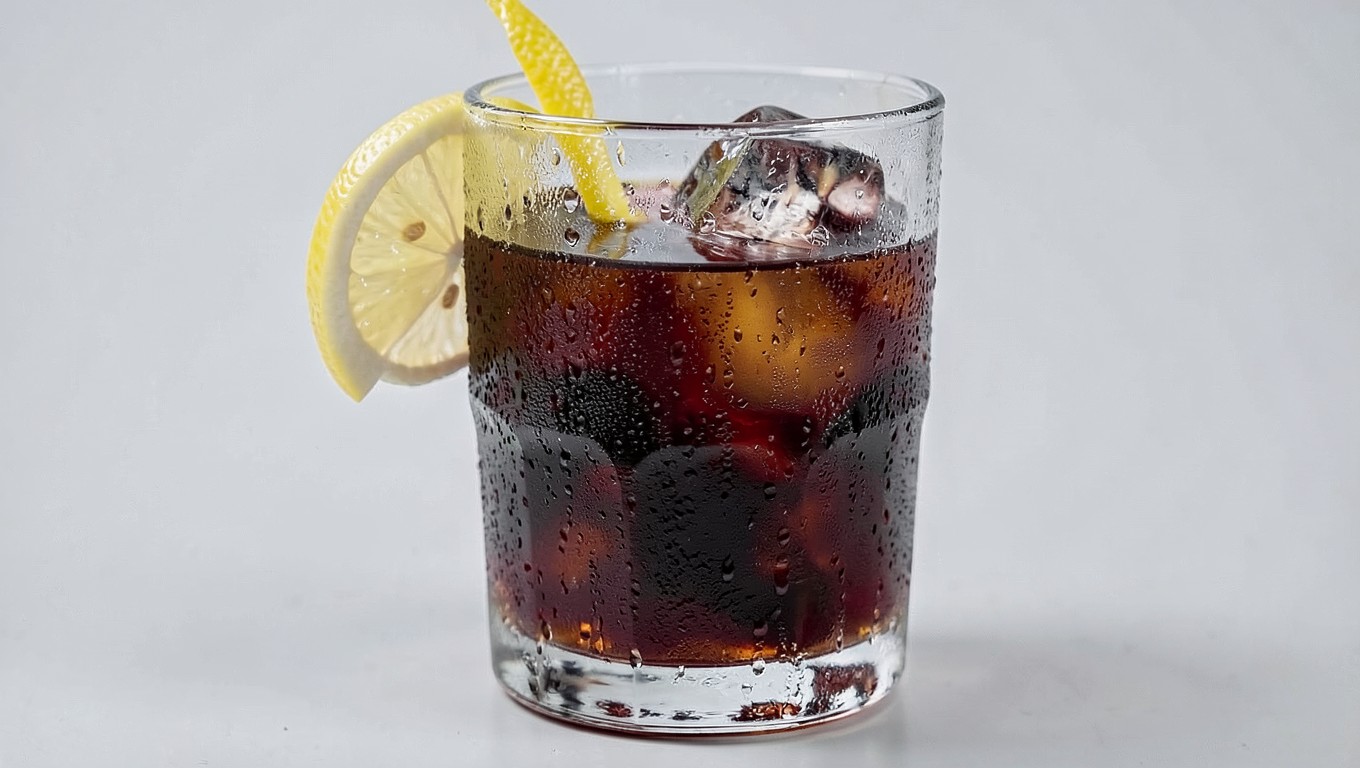
The Vieux Carré is a spirit-forward New Orleans classic combining rye whiskey, cognac, sweet vermouth, Benedictine, and two bitters. It's rich, herbal, and slightly sweet, taking about 3 minutes to stir and serve over a large ice cube. Serves one.

- Baserye
- Strength28% ABV, approximate
- Methodstir
- Glassrocks
- Icelarge cube
- Difficultyeasy
- Total4 min
- Serves1
- Rich
- Herbal
- Slightly sweet
- Warming
- Jigger or measuring spoons
- Mixing glass or cocktail shaker
- Bar spoon
- Fine strainer
- Rocks glass
- Large ice cube
The Vieux Carré is a study in layered richness. It's a drink that rewards a slow hand and a precise pour. You're building something with deep herbal notes from the Benedictine, warmth from the rye, and a round, grapey sweetness from the vermouth, all held together by the double bitters. It’s a cocktail that tastes like a history book but drinks like something you want to savor in a dim, quiet bar.
There's a persistent argument about whether to shake or stir this one. I'm going to settle it for you. You stir. The drink is all spirits and fortified wine. There's no citrus, no juice, nothing cloudy that needs a hard shake to integrate. Stirring keeps the texture silky and the appearance clear. Shaking it will bruise the spirit, add too much water, and leave you with a slightly cloudy, less elegant drink.
If you've only had one, you probably had it too cold and too watery, which means you had a bad one. This version, stirred properly, is a different beast.
About the Vieux Carre
The Vieux Carré was created in the 1930s at the Hotel Monteleone's Carousel Bar in New Orleans, a city also known as the Vieux Carré, which translates to 'old square.' The drink is a direct reflection of that city's cultural blend, combining the French taste for cognac with the American rye whiskey and the Italian sweet vermouth. It's a classic, ordered less often than a Sazerac or a Manhattan, but it's a cocktail that any serious bartender respects. It is traditionally served in a rocks glass over ice, distinguishing it from many of its spirit-forward peers that are served up.
Why it works
- 1The equal parts rye and cognac create a solid backbone of flavor without one spirit dominating the other.
- 2Benedictine's herbal, honeyed character is the bridge that ties the rye's spice to the vermouth's sweetness without making the drink cloying.
- 3The combination of Angostura and Peychaud's bitters adds complexity and a subtle lift, balancing the sweetness and adding a hint of anise.
- 4Stirring over a large cube provides controlled dilution, softening the high-proof spirits while maintaining the drink's intended silky texture.
Ingredients
Serves 1.
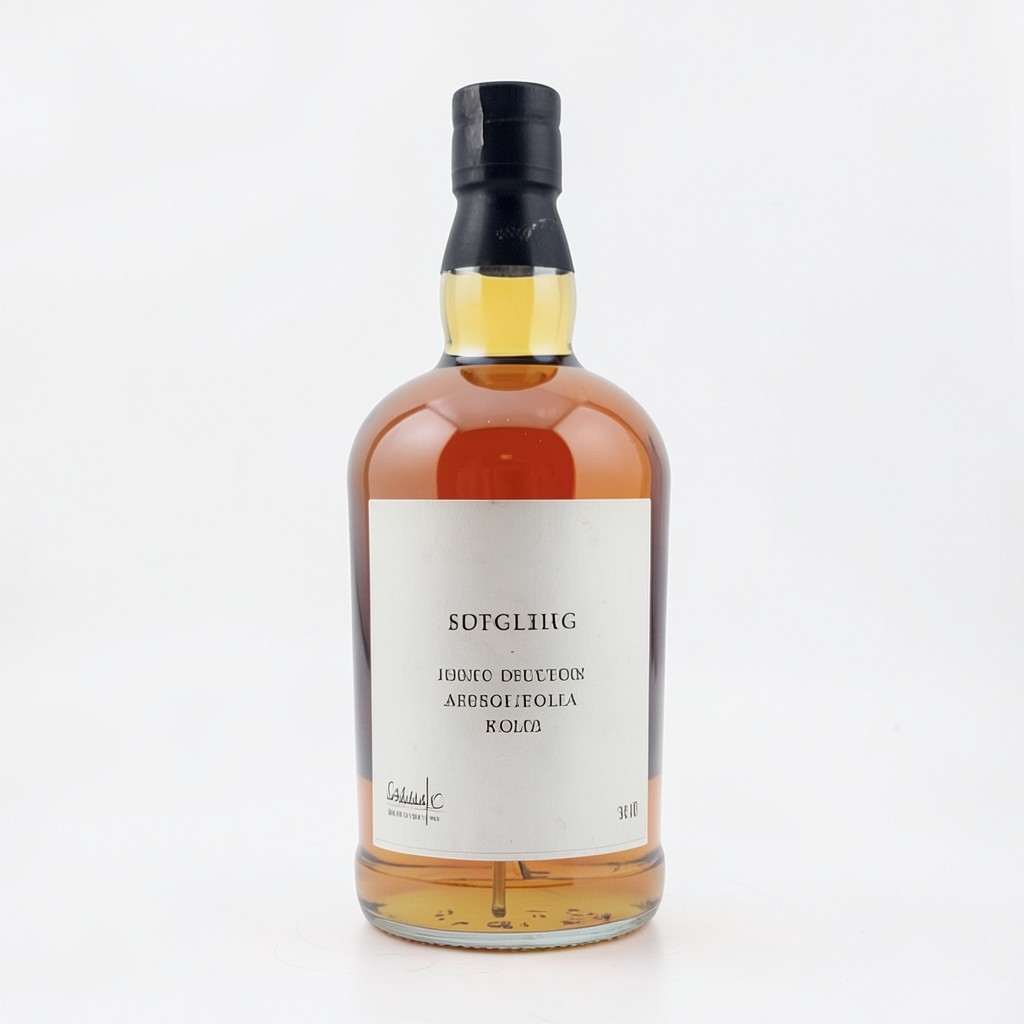 3/4 oz Rye whiskey
A high-rye content adds a spicy, peppery kick that stands up to the cognac and vermouth.
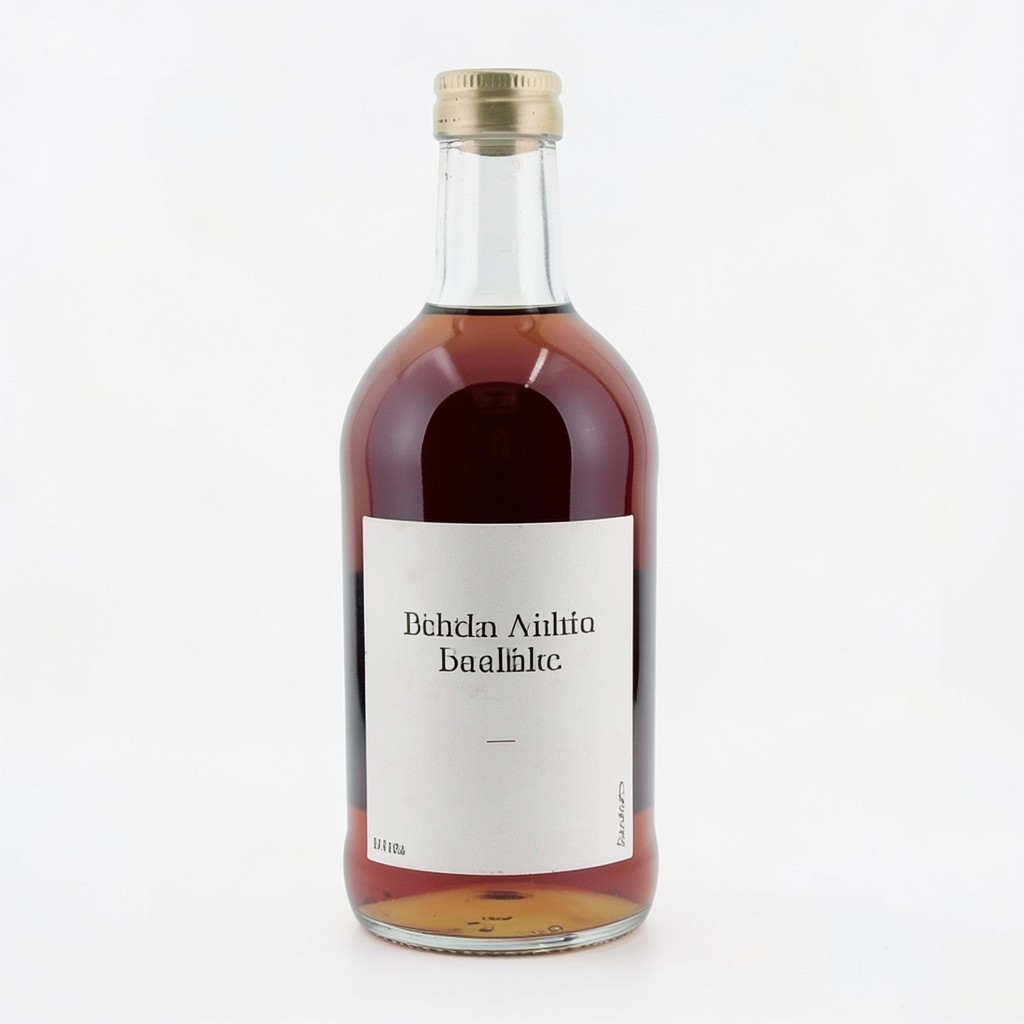 3/4 oz Cognac
Use a VSOP or better for a round, rich fruitiness that complements the rye without being lost.
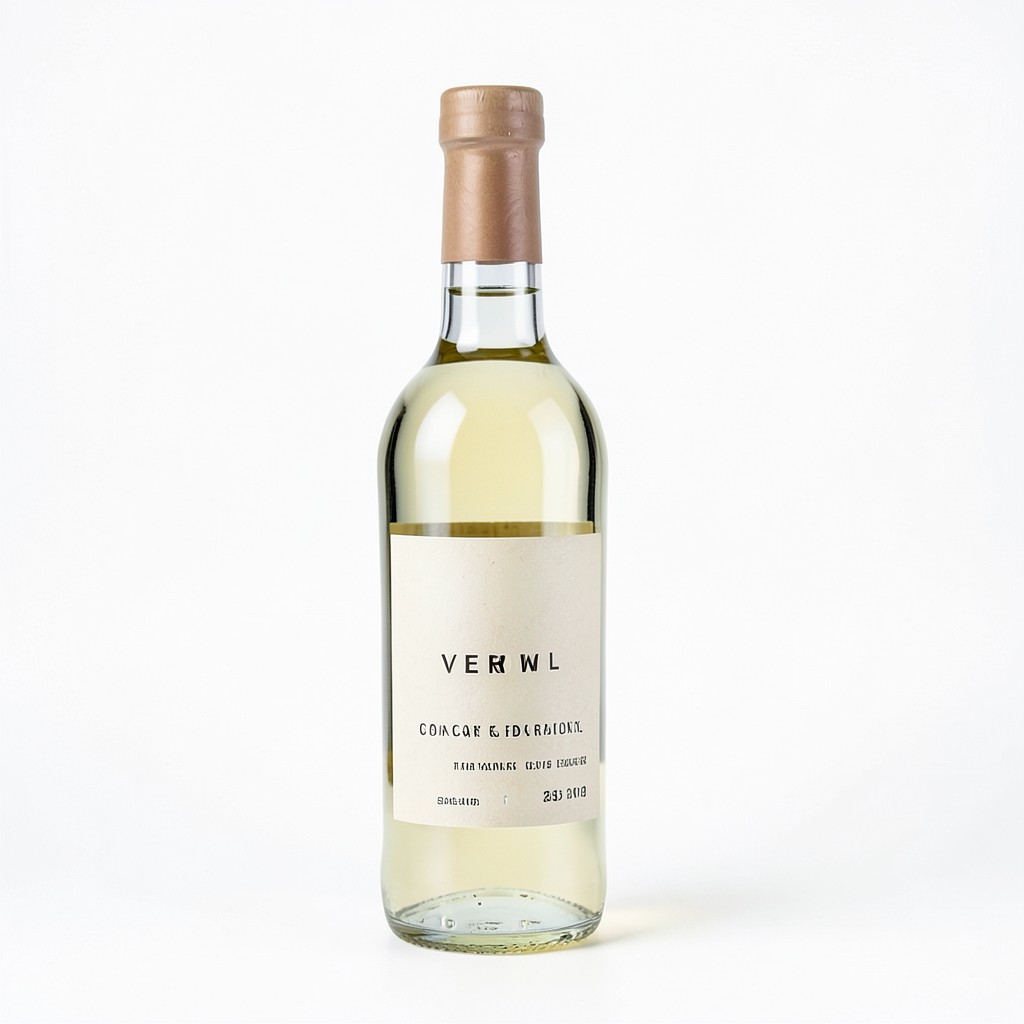 3/4 oz Sweet vermouth
A high-quality sweet vermouth, like Carpano Antica or Cocchi di Torino, is crucial. The sweeter, richer style stands up to the other strong flavors.
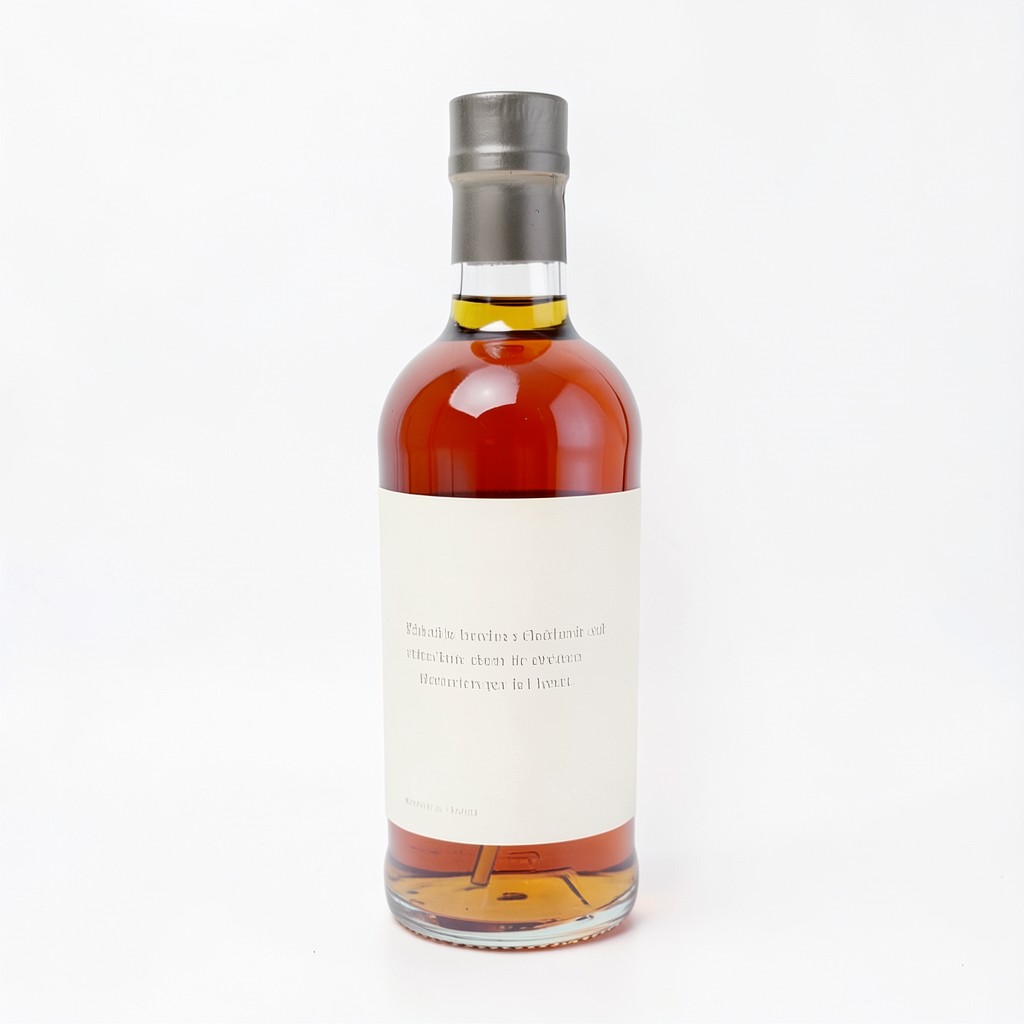 1 tsp Benedictine
Only a little is needed. It provides the signature herbal and honeyed complexity.
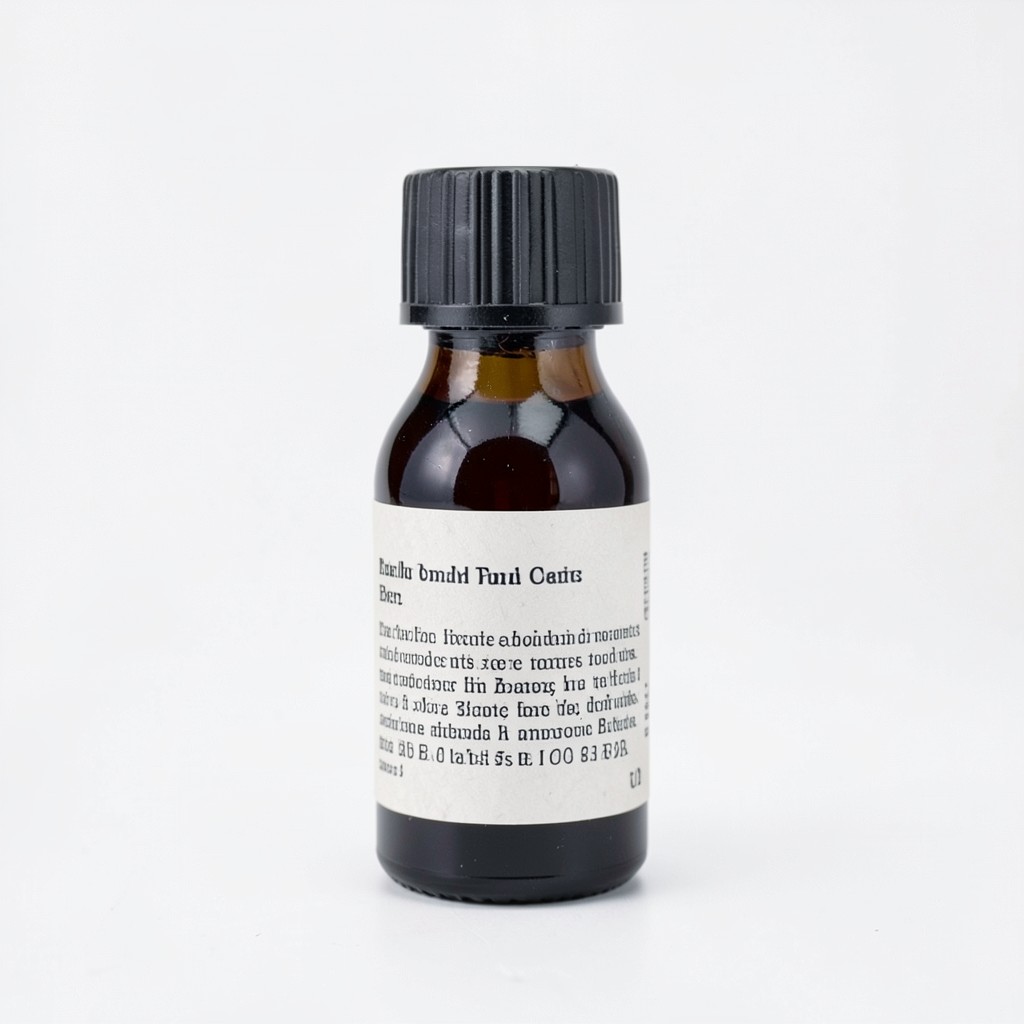 1 dash Angostura bitters
Adds the classic warm baking-spice backbone.
- 1 dash Peychaud's bitters
This New Orleans staple adds a distinct anise and cherry note that makes the drink unmistakably local.
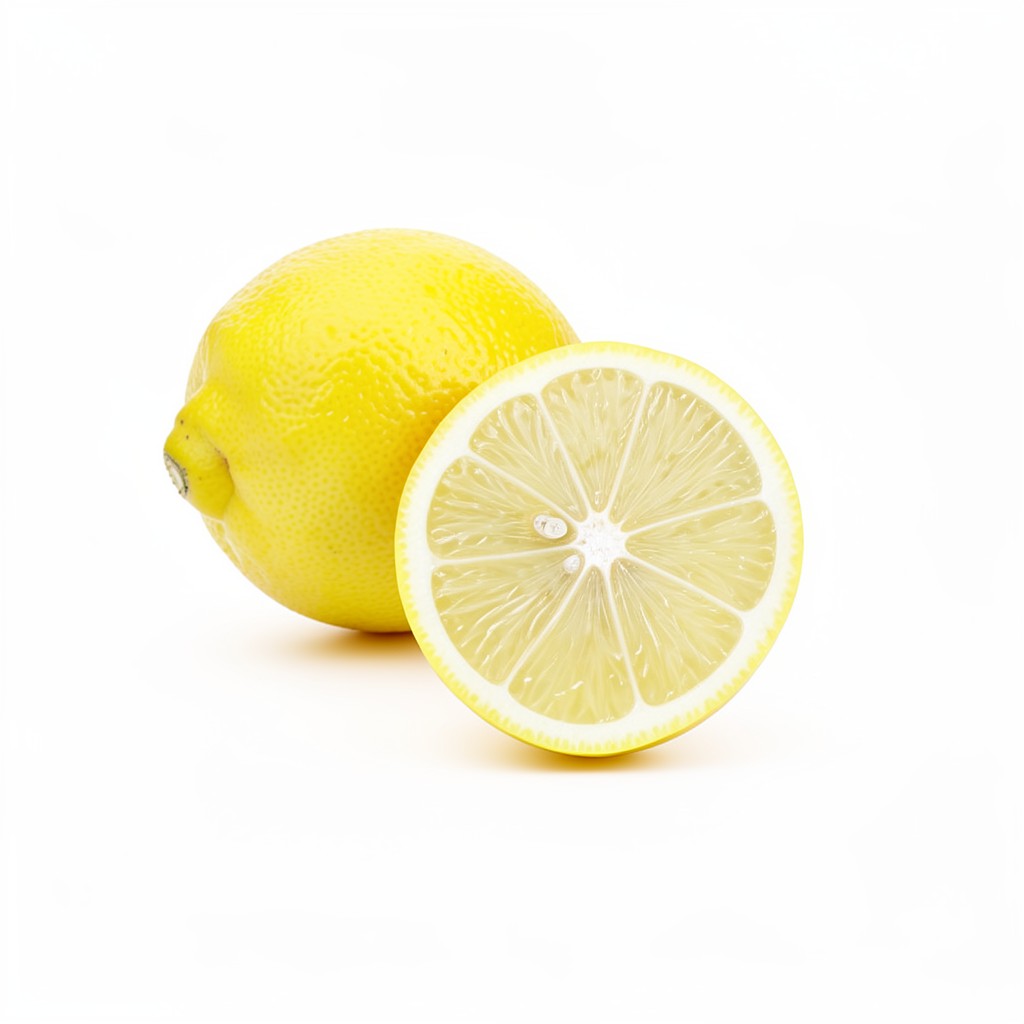 1 strip Lemon peel, for garnish
The oils from the lemon peel are not a garnish; they're a final aromatic ingredient that cuts through the richness.
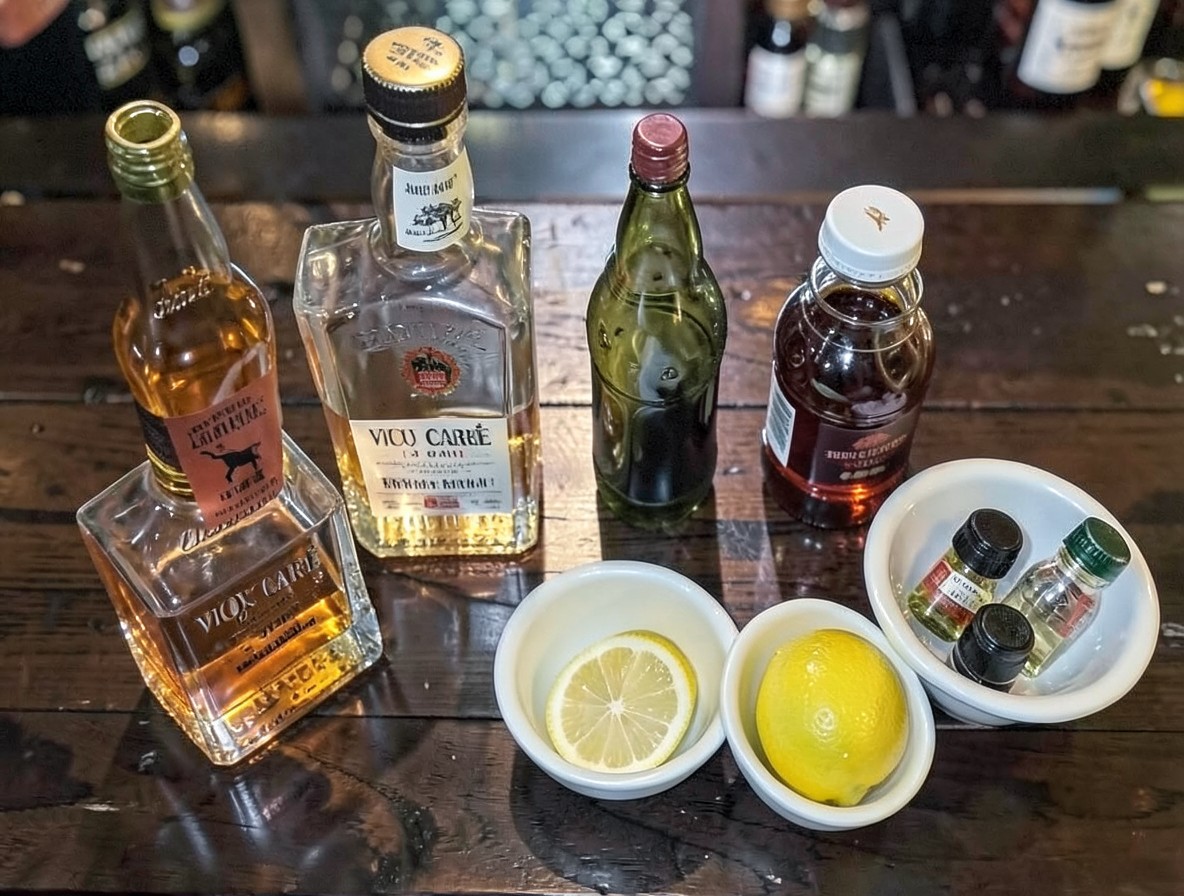
ingredients
The vermouth is the most important choice you'll make. A cheap, thin sweet vermouth will ruin the drink, making it taste sharp and cloying. Look for a rich, full-bodied one. For the rye, a 95-proof bottling like Rittenhouse works beautifully, giving you a spicy punch. Your cognac doesn't need to be vintage, but it should be a VSOP quality to have enough body to compete.
You need: jigger or measuring spoons, mixing glass or cocktail shaker, bar spoon, fine strainer, rocks glass, large ice cube.
Method
Chill your glass
Fill your rocks glass with ice and water, or pop it in the freezer. You want it cold to keep the drink chilled without over-diluting it as you stir.
Look for: The glass should be cold to the touch and lightly frosted on the outside if it's been in the freezer.
Common mistake: Skipping this step. A warm glass will instantly melt the large cube and over-dilute your carefully built drink.
Pour the rye, cognac, sweet vermouth, Benedictine, and both bitters into a mixing glass. Fill it with a generous amount of ice — more than you think you need. You want the liquid to be in full contact with the ice for a proper chill.
Look for: The spirits combine into a single, deep amber-brown liquid, with the ice stacked near the top of the glass.
Common mistake: Using too little ice. If the ice melts before you've finished stirring, the drink will be watery and warm. Use enough to fill the mixing glass almost to the top.
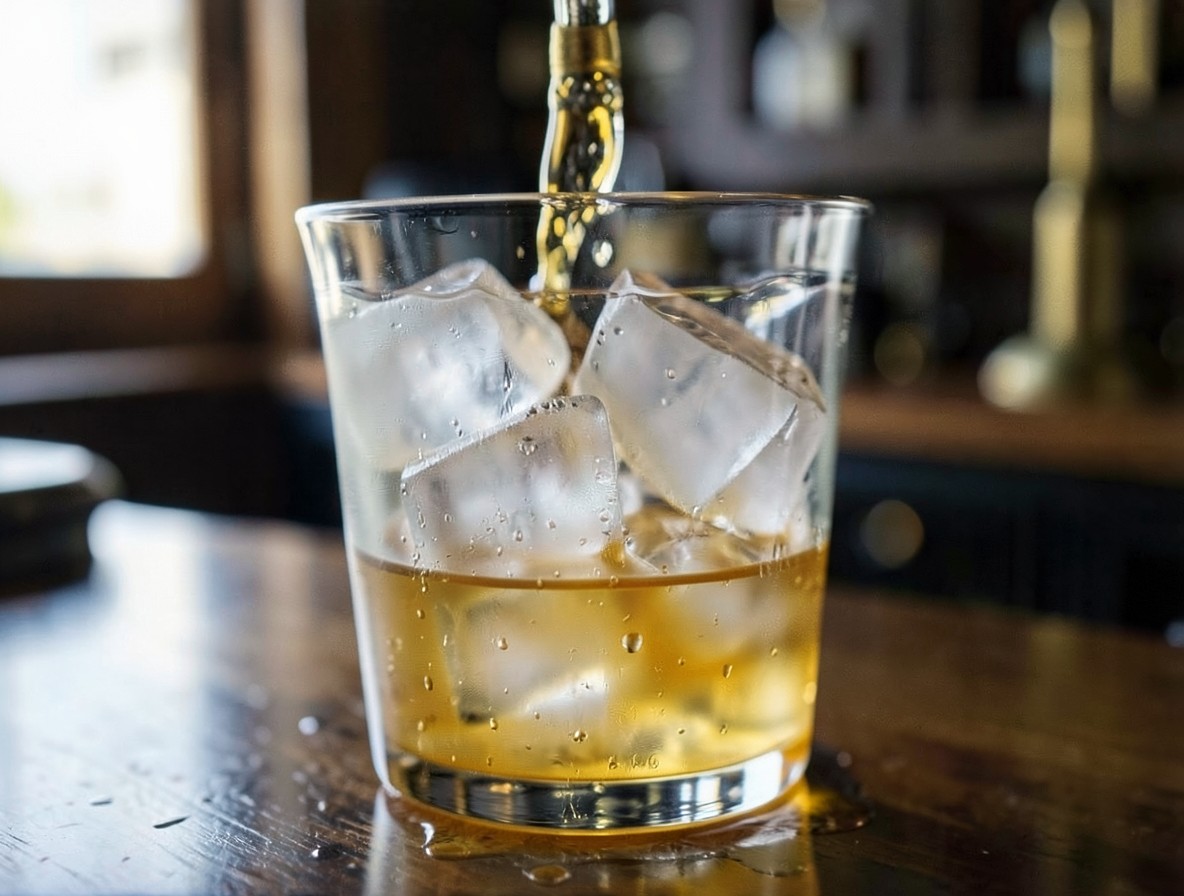
Stir the mixture with a bar spoon for about 30 seconds. The goal is not just to chill it, but to properly dilute it. The stirring action will slowly melt the ice, and that water is what opens up the flavors and makes the high-proof spirits drinkable.
Look for: The spoon moves silently through the ice. You'll feel the resistance of the liquid change as it chills, and a light layer of condensation will form on the outside of the mixing glass.
Common mistake: Stirring for too long or too short. 30 seconds at a good pace is right. Too little time and the drink is hot and harsh; too much and it becomes watery and the flavors flatten out.
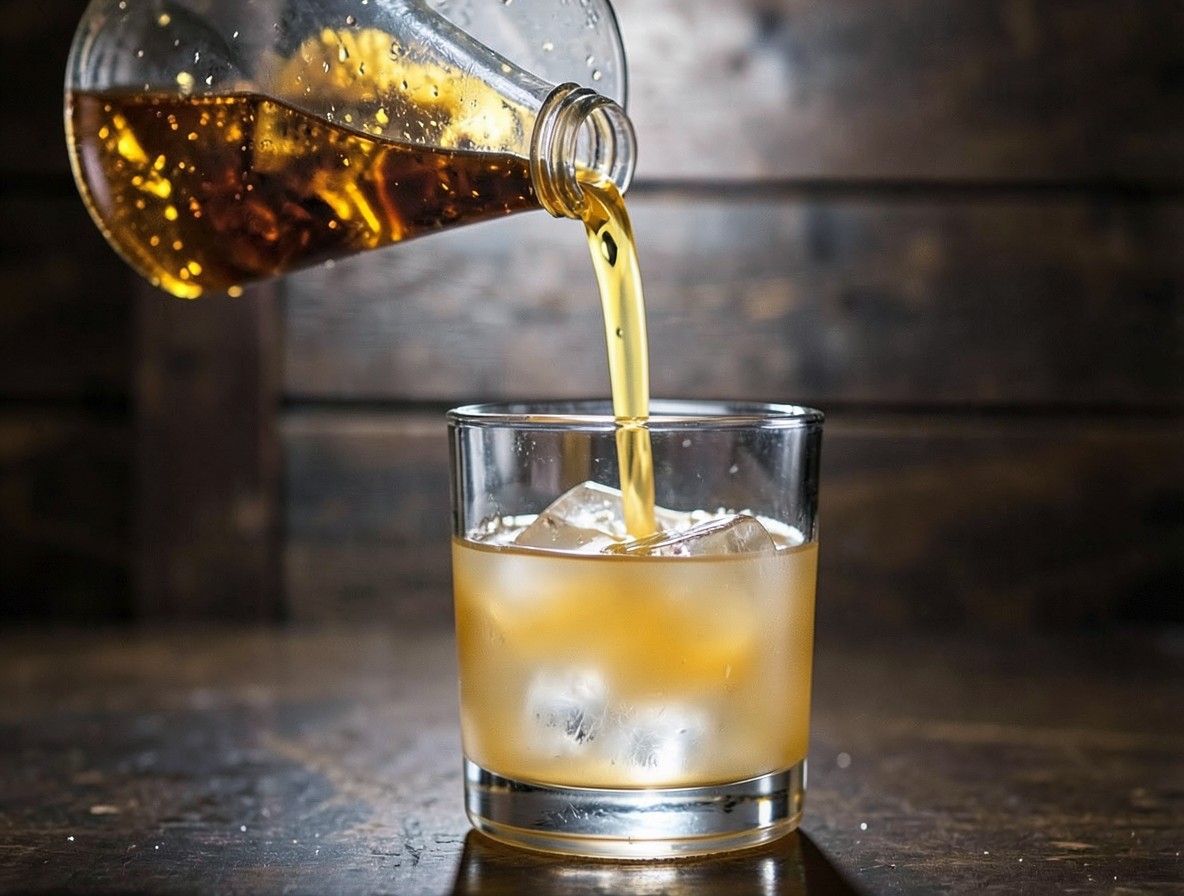
Discard the ice and water from your chilled rocks glass, and place a single large ice cube inside. Strain the stirred cocktail into the glass over the cube. A fine strainer will catch any small chips of broken ice.
Look for: The liquid is a clear, deep mahogany amber, completely transparent with no cloudiness. It flows into the glass over the large, clear cube.
Common mistake: Using a regular strainer without a fine mesh. Small ice shards will end up in the drink and water it down faster than you want.
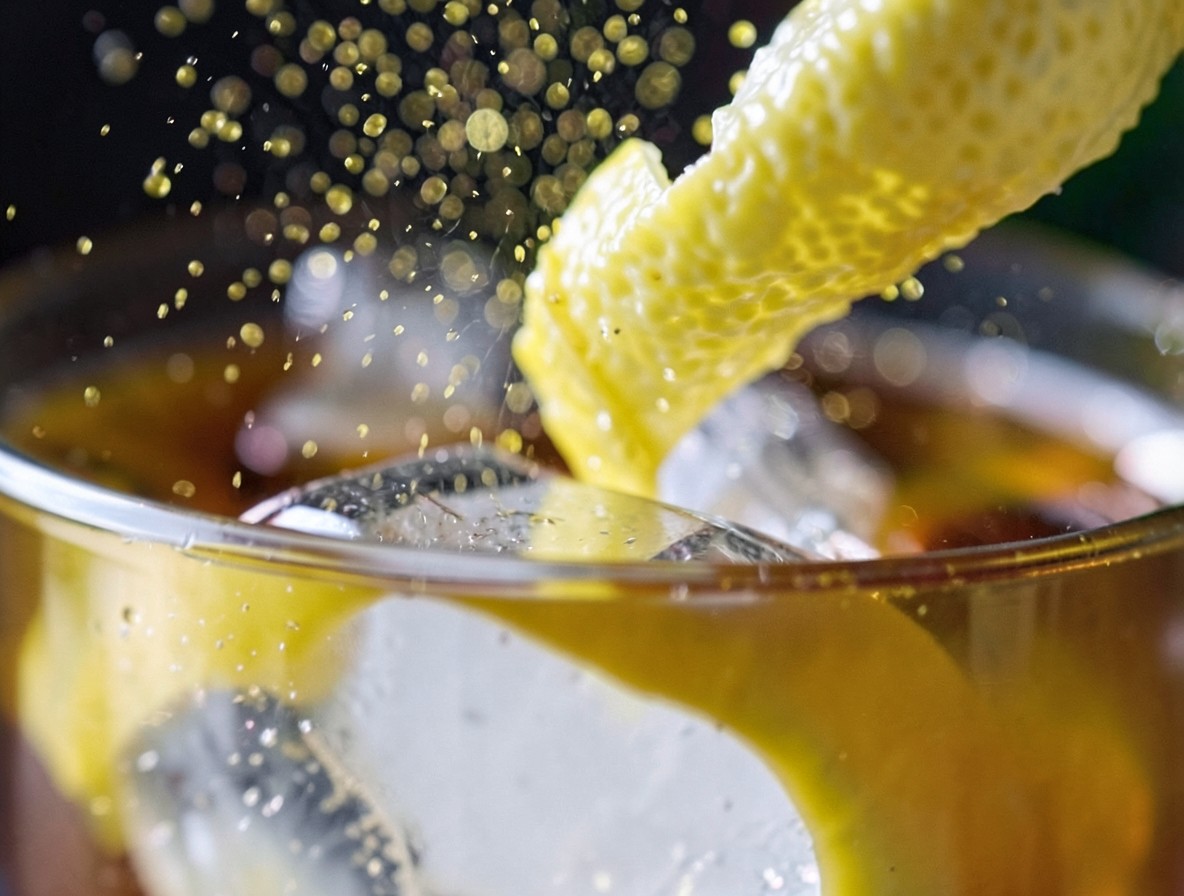
Take a strip of lemon peel, about an inch and a half long. Hold it by the edges with the yellow side facing the glass. Gently twist it over the drink to express the oils onto the surface, then rub the peel around the rim of the glass. Drop it in or discard it — I find leaving it floating adds a nice aroma with every sip.
Look for: You'll see a fine mist of oil spray over the surface of the drink. The peel will release its bright, citrusy scent immediately.
Common mistake: Squeezing so hard that the white pith gets expressed into the drink, which adds a bitter note. A gentle, sharp twist is all you need.
Tips from the bar
- 1Chill your spirits if you can. The colder they are, the slower the ice melts, giving you more control over dilution during the stir.
- 2Invest in a large, clear ice cube mold. A single big cube melts far slower than smaller ones, keeping your drink strong and cold for longer.
- 3Don't skip the fine strainer. A crystal-clear drink isn't just about looks; it also means no bitter-tasting ice shards in your final sip.
- 4Taste the cocktail after you've stirred for 25 seconds. You're looking for the point where it tastes balanced and silky, not watery. Adjust your stirring time for next time.
- 5If you can't find Peychaud's, this is one of the few drinks where the substitution matters. It's not the same without it. Seek it out.
Variations
- The Big Easy: Add a bar-spoon of absinthe to the mix for an even more pronounced New Orleans character, drawing it closer to a Sazerac.
- The Scotch Vieux Carré: Swap the rye whiskey for a peated single malt Scotch. The smoky notes will replace the spicy rye and add a whole new dimension.
- The Maple Vieux Carré: Replace the Benedictine with a rich maple syrup. This makes the drink less herbal and more deeply sweet, leaning into the autumn flavors.
- Served Up: For a more elegant presentation, strain the drink into a chilled coupe glass without any ice. This is a drier, more spirit-forward experience.
Substitutions
- Benedictine: A 1:1 mix of honey and an herbal liqueur like Chartreuse or Yellow Chartreuse can approximate its flavor, but it won't be the same. The balance will be different.
- Sweet Vermouth: You can use a blanc vermouth for a lighter, slightly less sweet drink, but the final character will be more delicate and less round.
- Rye Whiskey: A high-proof bourbon is the closest substitute. It will be sweeter and less spicy, making the drink richer but a bit less complex.
Serving, storing, batching
This is a slow-sipping cocktail. Serve it on its own, after dinner, as a digestif. It's not a drink for a raucous party; it's a drink for conversation. If you must, a dark chocolate truffle or a few toasted pecans on the side complement the herbal notes without overpowering them.
The Vieux Carré is best made fresh. Since it's a stirred cocktail, the dilution is a key part of the drink, which happens during the preparation. You can pre-mix the spirits (without ice) in a bottle and store it in the freezer for up to a month. When you're ready, you'll just pour it over ice and stir for a shorter time to account for the fact that it's already cold.
For a party, scale the recipe by the number of guests. For a batch of 8, combine 6 oz each of rye, cognac, and vermouth, 8 teaspoons of Benedictine, 8 dashes of Angostura, and 8 dashes of Peychaud's in a large pitcher. Keep it in the fridge. When you're ready to serve, stir the batch with ice until well chilled and diluted by about 20%, then strain it into a chilled bottle. Serve in rocks glasses over a fresh large cube, and express a lemon peel over the top of each glass.
Questions people ask
It translates to 'old square.' It's a direct reference to the French Quarter in New Orleans, the historic neighborhood where the drink was created at the Hotel Monteleone.
The original recipe calls for equal parts of rye whiskey, cognac, and sweet vermouth, a small amount of Benedictine, and a dash each of Angostura and Peychaud's bitters. It's garnished with a lemon peel.
It's a rich, warming, and complex drink. You'll get a spicy kick from the rye, sweet grape and herbal notes from the vermouth, honey and botanical tones from the Benedictine, and a subtle lift from the two bitters. It's spirit-forward and not sweet.
The original recipe, as credited to Walter Bergeron at the Hotel Monteleone, is 1 oz rye, 1 oz cognac, 1 oz sweet vermouth, 1 barspoon of Benedictine, and a dash each of Angostura and Peychaud's bitters, stirred and served over ice.
You want a VSOP or better. A VSOP has aged long enough to develop the rich fruit and oak notes that can stand up to the rye and vermouth. A younger VS will get lost in the mix.
You likely shook it instead of stirring. Shaking introduces air and can break down the vermouth, causing a slight cloudiness. This drink should be stirred to keep it crystal clear.
You can, but it won't be a Vieux Carré. You could substitute another grape-based brandy, but its character is integral to the drink. The combination of rye and cognac is what defines it.
Stirred, always. The drink is made entirely of spirits and fortified wine. Shaking aerates it and adds too much water, resulting in a cloudy, diluted, and less elegant cocktail.
Yes, it's a spirit-forward cocktail, with an approximate ABV of 28%. It's meant to be sipped slowly, and its richness means it's not a drink you'd want to consume in quantity.
Traditionally, it's served in a rocks glass over a large ice cube. This is a key difference from many similar classic cocktails that are served up in a coupe or martini glass.
Last word
The Vieux Carré is a drink that demands respect but rewards patience. It's a timeless classic for a reason. Take your time, use good ingredients, and stir it with intention. You'll be glad you did.