The Sazerac: New Orleans' Original Rye Cocktail
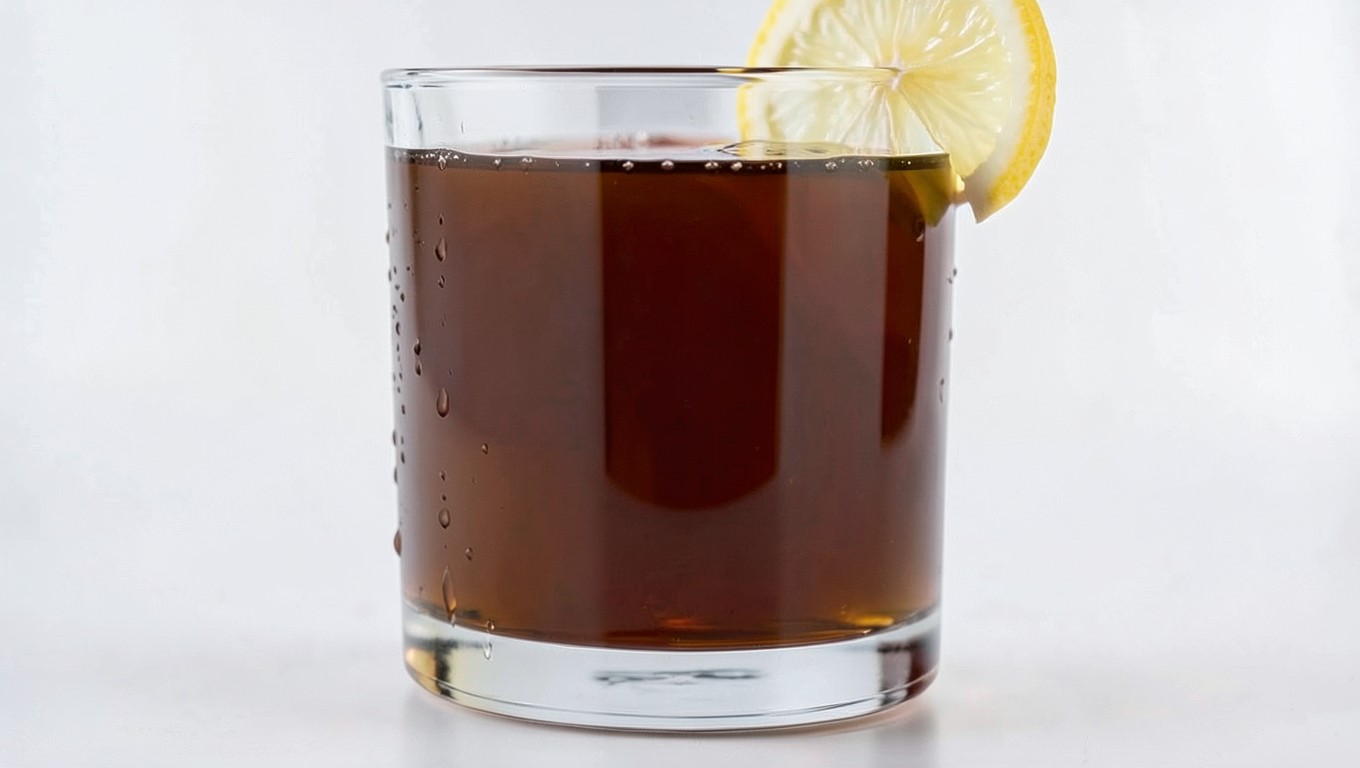
The Sazerac is a spirit-forward New Orleans cocktail made with rye whiskey, Peychaud's and Angostura bitters, a sugar cube, and a rinse of absinthe. It's stirred, not shaken, and served up in a chilled rocks glass with a lemon twist. Takes about 5 minutes to make one drink.

- Baserye
- Strength31% ABV, approximate
- Methodstir
- Glassrocks
- Icelarge cube
- Difficultyeasy
- Total3 min
- Serves1
- Spirit-forward
- Herbal
- Anise
- Spicy rye
- Citrus finish
- Rocks glass
- Jigger or measuring spoons
- Bar spoon
- Fine strainer
- Mixing glass or pint glass
The Sazerac demands your attention. It's not sweet, it's not fruity, and it doesn't hide behind juice. This is the cocktail that put New Orleans on the drinking map, long before the Hurricane or the Vieux Carré. It's rye whiskey at its most honest, sharpened by bitters and anise, softened by sugar, and finished with a ribbon of lemon oil you can smell before you take the first sip.
The secret isn't a secret ingredient, it's a ritual. You rinse the glass with absinthe, then discard the excess. You stir the whiskey with ice, never shake. You strain it into that perfumed glass and twist a lemon peel over the surface so the oils land on the drink. Each step is deliberate. Each one changes what you taste.
This version sticks to the classic proportions, the ones bars have used for over a century. It's the drink to make when you want something that tastes of New Orleans.
About the Sazerac
The Sazerac originated in New Orleans in the mid-1800s, named after the Sazerac de Forge et Fils brand of cognac originally used in the drink. Antoine Peychaud, a Creole apothecary, is credited with serving his own bitters in cognac at his Royal Street pharmacy, and the drink evolved from there. When phylloxera devastated European vineyards, rye whiskey replaced cognac, and the Sazerac as we know it was born. It is traditionally served during the holiday season in New Orleans, particularly around Christmas, and is the official cocktail of the city. It belongs to the old-fashioned family of cocktails, defined by spirits, sugar, bitters, and a citrus garnish, but the absinthe rinse sets it apart, adding an herbal complexity no other drink in that family matches.
Why it works
- 1Rinsing the glass with absinthe coats the surface, so each sip carries a whisper of anise without overwhelming the whiskey.
- 2Stirring with ice chills and dilutes the drink to around 25% water, which opens up the rye's spice notes without clouding it.
- 3The sugar cube dissolves into the bitters before the whiskey goes in, which spreads the sweetness evenly instead of leaving a syrupy patch.
- 4A single large ice cube melts slower than several small ones, so you control dilution instead of letting it run away.
- 5The lemon oils expressed over the surface cut through the spirit and anise, brightening the whole drink.
Ingredients
Serves 1.
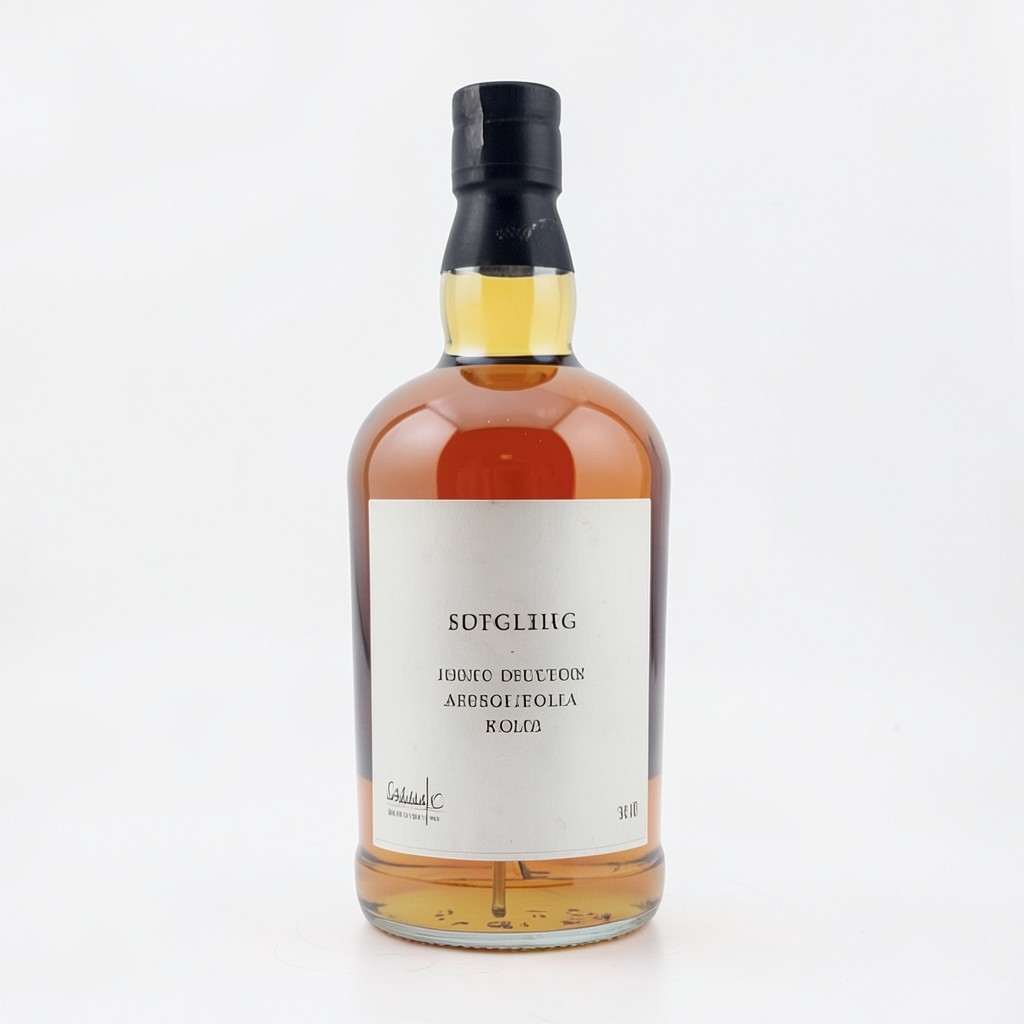 1.5 oz rye whiskey (100 proof preferred), 100 proof for more backbone, 90 works too
High-proof rye stands up to the bitters and absinthe rinse without getting lost.
- 1/8 oz absinthe or pastis, for the rinse, not the drink itself
Only a film is needed to perfume the glass. More than that takes over the drink.
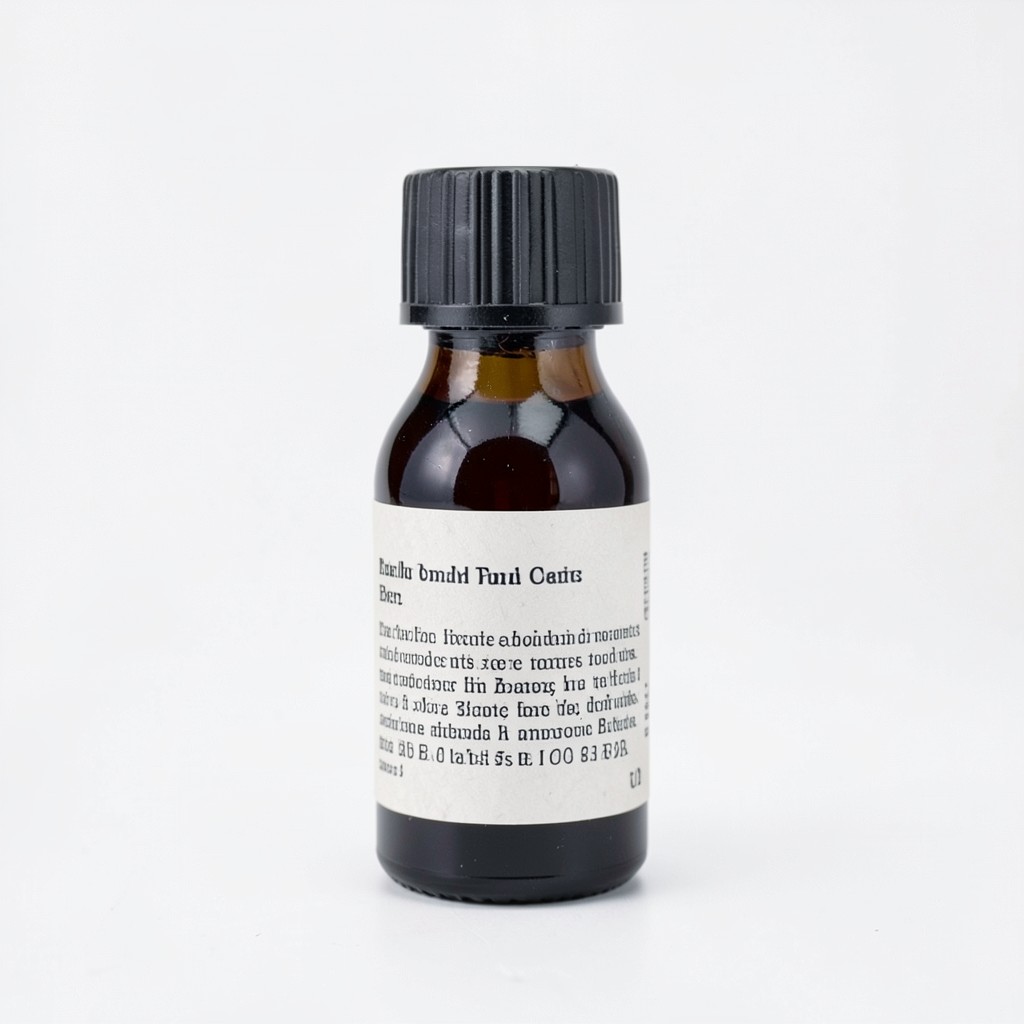 2 dash Peychaud's bitters
The defining flavor of the Sazerac, with its cherry-licorice notes. Don't skip it.
- 2 dash Angostura bitters
Adds baking-spice depth that rounds out the Peychaud's.
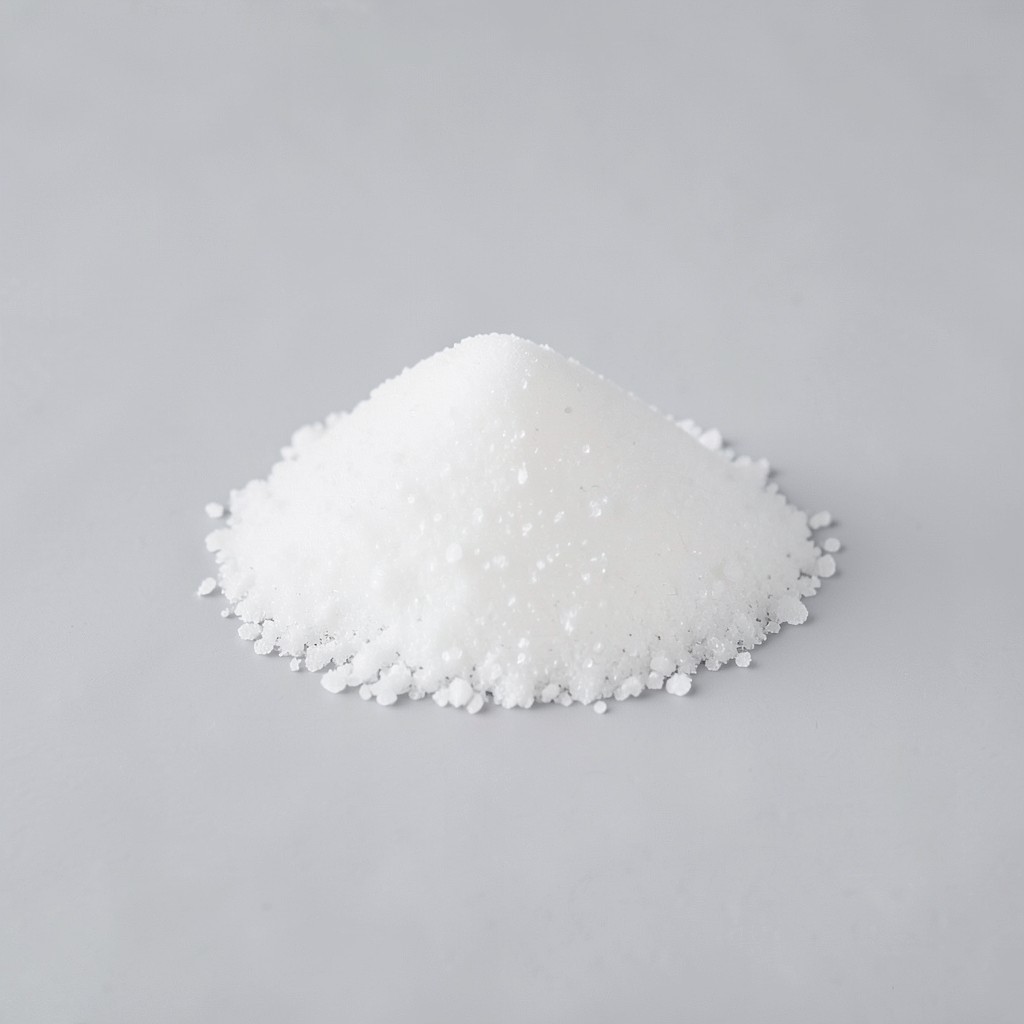 1 white sugar cube, or 1 tsp white sugar
A cube dissolves more slowly and evenly than loose sugar, but 1 tsp works in a pinch.
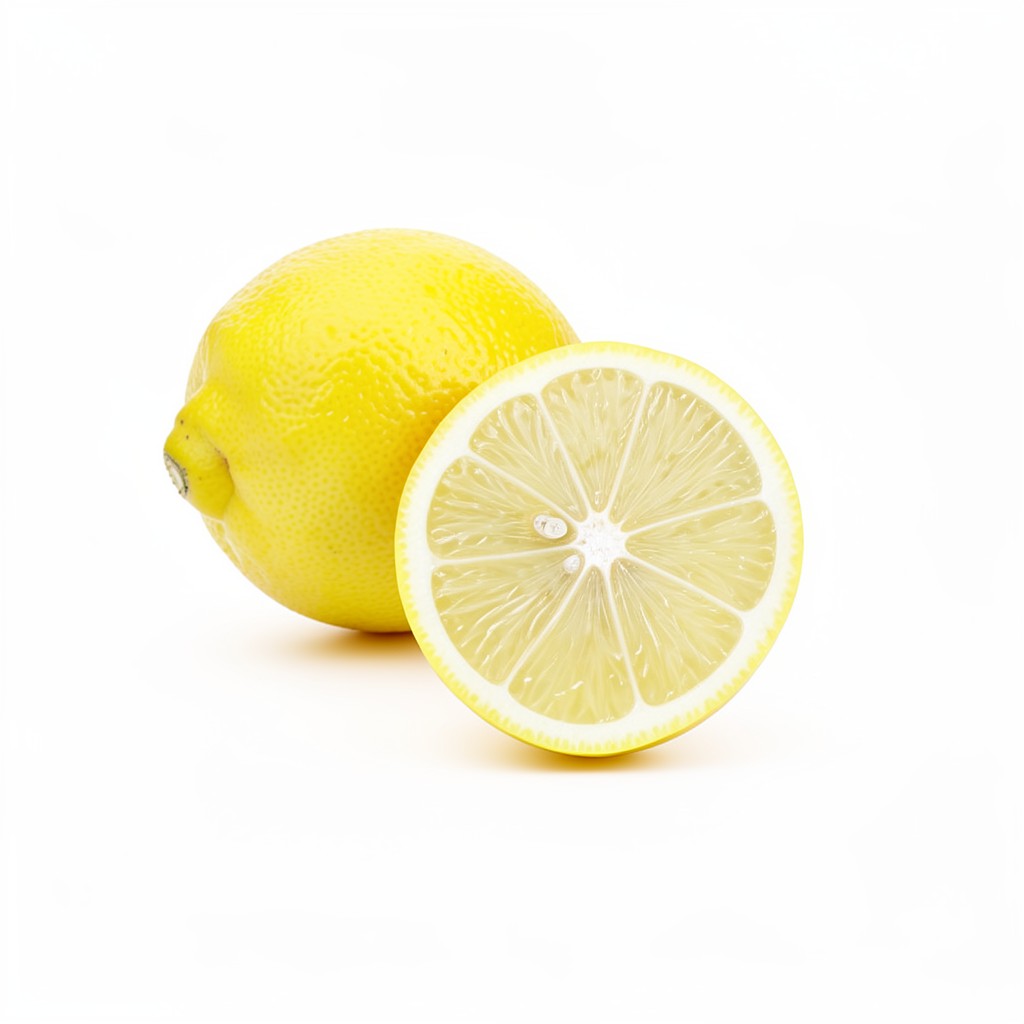 1 lemon peel, wide strip, no pith
The oils are the garnish, not the peel itself. A wide strip without white pith gives the most aromatic oil.
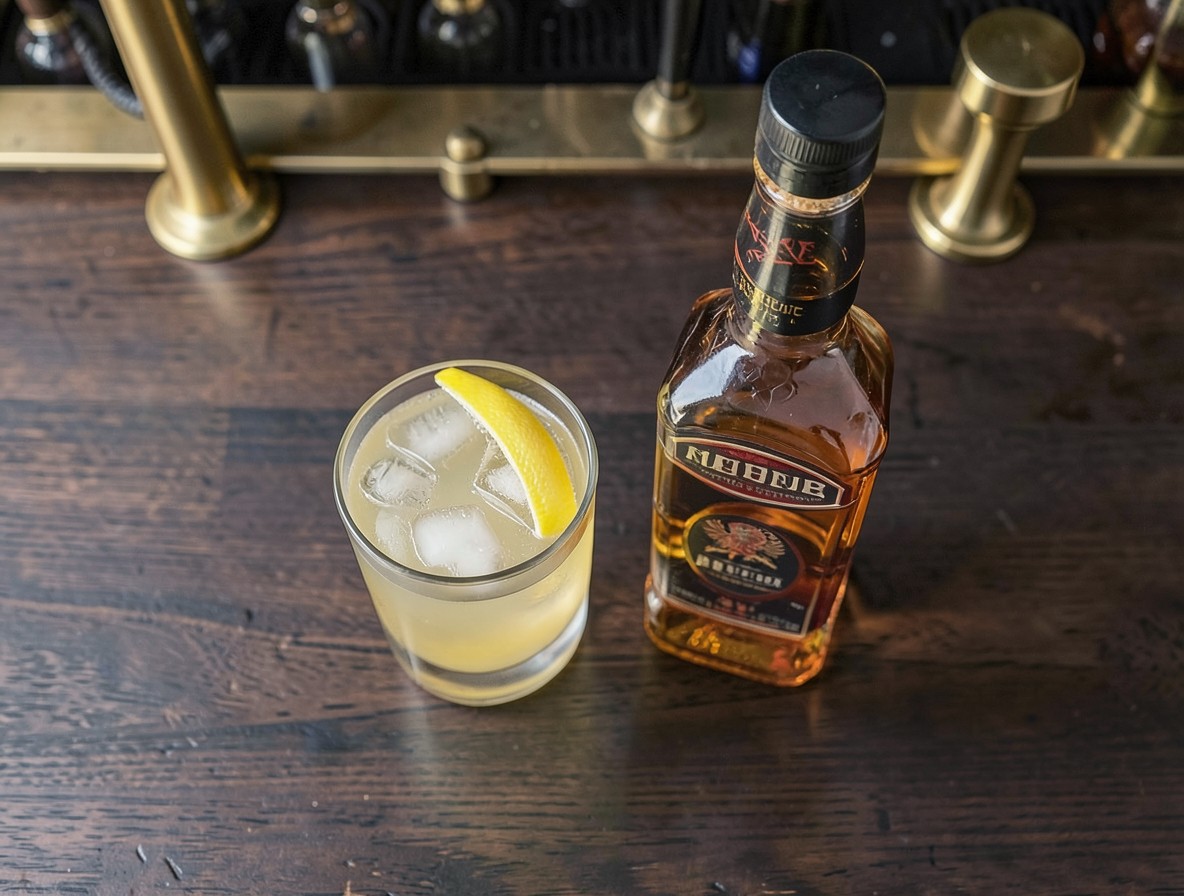
ingredients
Rye is non-negotiable. Bourbon makes a softer, sweeter drink that's fine but isn't a Sazerac — the rye's peppery spice is what stands up to the anise. Go for a 100-proof rye like Rittenhouse if you can find it. If you don't have absinthe, pastis like Pernod or Herbsaint will work; Herbsaint is actually the traditional New Orleans substitute from the prohibition era. Peychaud's you cannot skip. It's the drink's identity. Angostura plays backup and you can leave it out if you must, but the drink is better with it.
You need: rocks glass, jigger or measuring spoons, bar spoon, fine strainer, mixing glass or pint glass.
Method
Chill the glass and prep the rinse
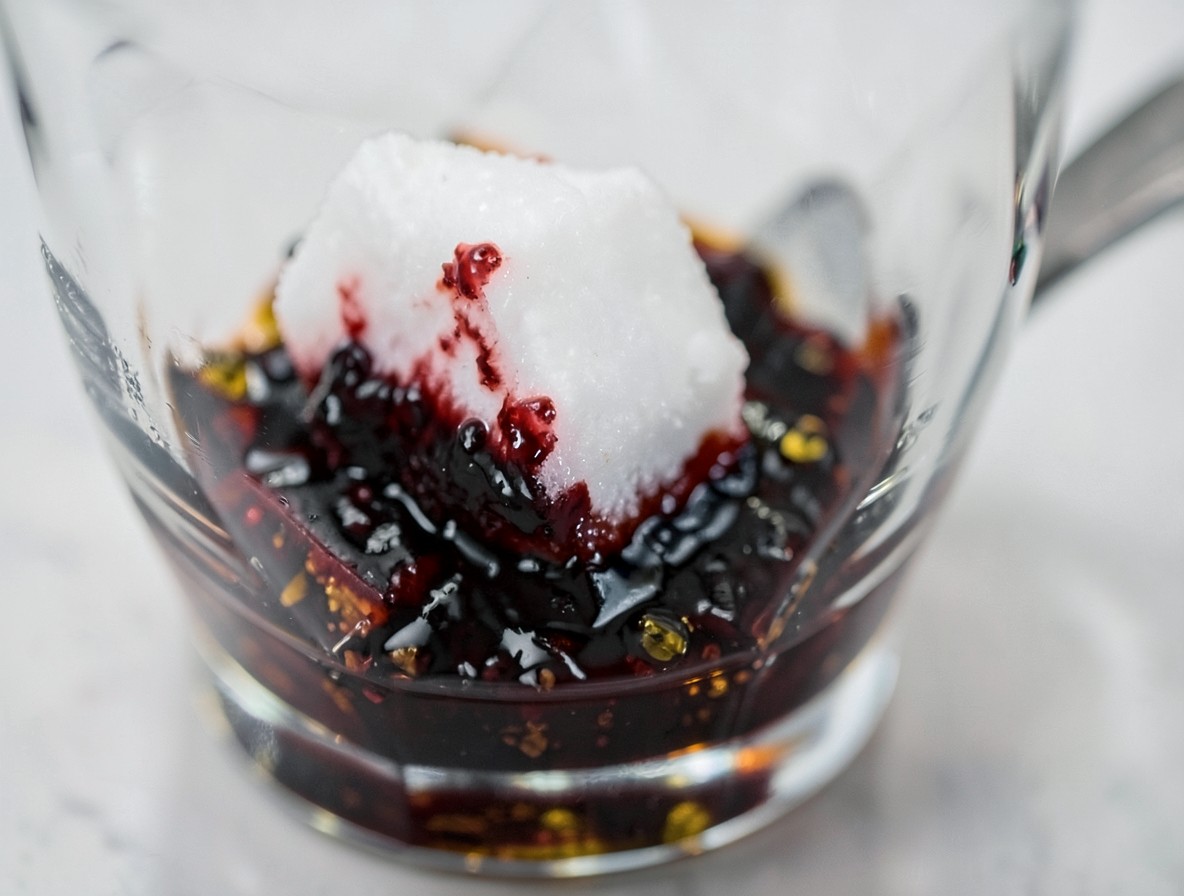
Fill your rocks glass with ice and set it aside to get properly cold. Take your mixing glass and add the sugar cube, Peychaud's bitters, and Angostura bitters.
Look for: The sugar cube sits in a puddle of dark red-brown bitters, the crystals just starting to stain.
Common mistake: Skipping the ice in the serving glass. A warm glass melts your drink's ice faster, over-diluting it before you're halfway through.
Muddle the sugar cube into the bitters until it's fully crushed and dissolved into a thick syrup. You want no grit left on the bottom of the glass.
Look for: A dark, smooth amber syrup with no visible sugar crystals, the bitters and sugar fully combined.
Common mistake: Not muddling enough. Half-dissolved sugar leaves a gritty mouthfeel and uneven sweetness. Crush it completely.
Dump the ice out of your serving glass. Pour the absinthe in, swirl it to coat every surface, and then pour out the excess. You want a film, not a pour. One-eighth of an ounce is about right; you can also use a spray bottle for this.
Look for: The glass is coated with a thin, barely-there sheen of pale green, the absinthe scent hanging in the air.
Common mistake: Leaving too much absinthe in the glass. If you can see a puddle at the bottom, you've overdone it and the anise will smother the rye. Tip it all out.
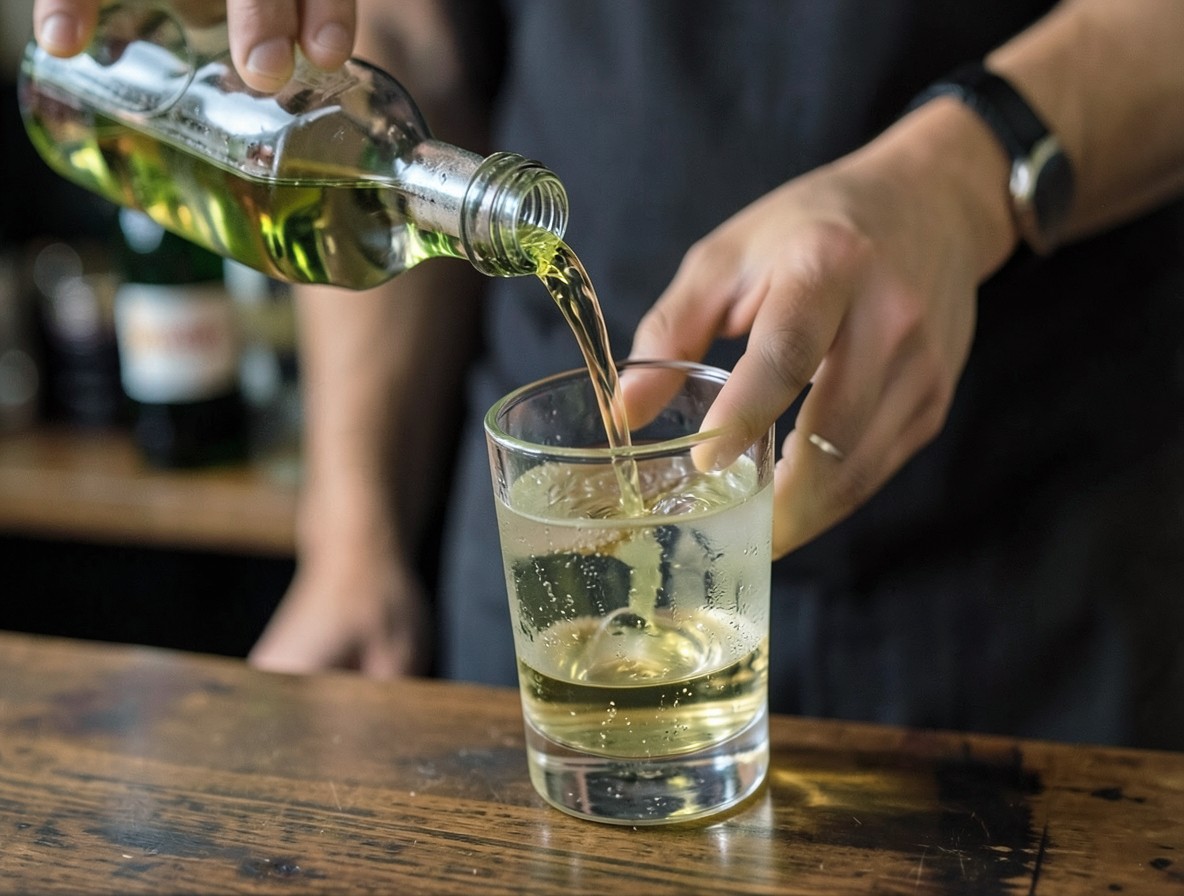
Add the rye whiskey to the mixing glass with the sugar-bitters syrup. Fill the mixing glass with ice — a big cube or several large ones, enough to fill it about 3/4 full. Stir for 20-30 seconds with a bar spoon, until the drink is properly cold and the outside of the glass fogs up.
Look for: The liquid is a deep amber, completely clear with no cloudiness, and the outside of the mixing glass is frosted with condensation.
Common mistake: Shaking instead of stirring. Shaking aerates the drink, clouds it, and adds a frothy texture that ruins the Sazerac's silky, spirit-forward character.
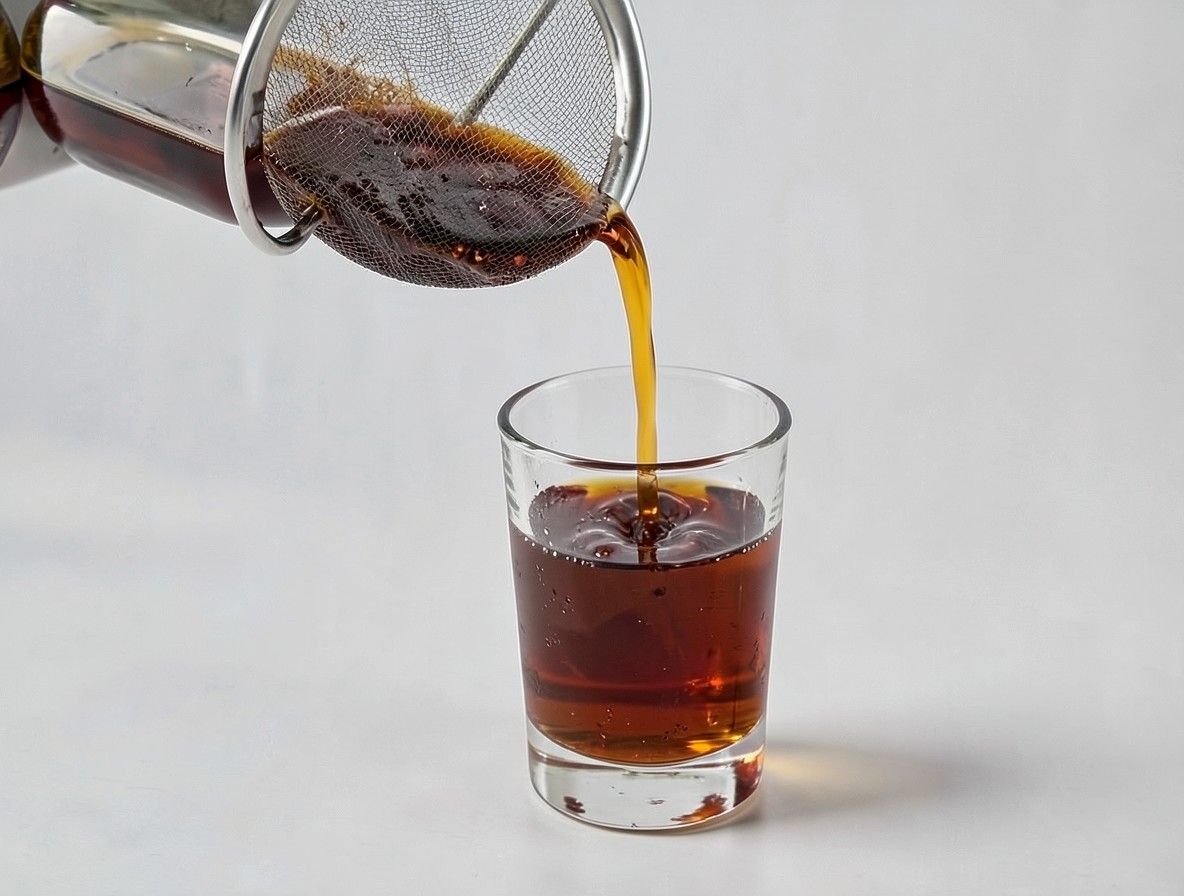
Set a fine strainer over the absinthe-rinsed rocks glass. Strain the whiskey mixture into it. The drink should be brilliant and clear, with no ice shards.
Look for: A deep, clear amber liquid fills the glass, the absinthe's subtle herbal aroma rising to meet it.
Common mistake: Skipping the fine strainer. Ice chips and undissolved sugar bits end up in the drink and change both texture and dilution.
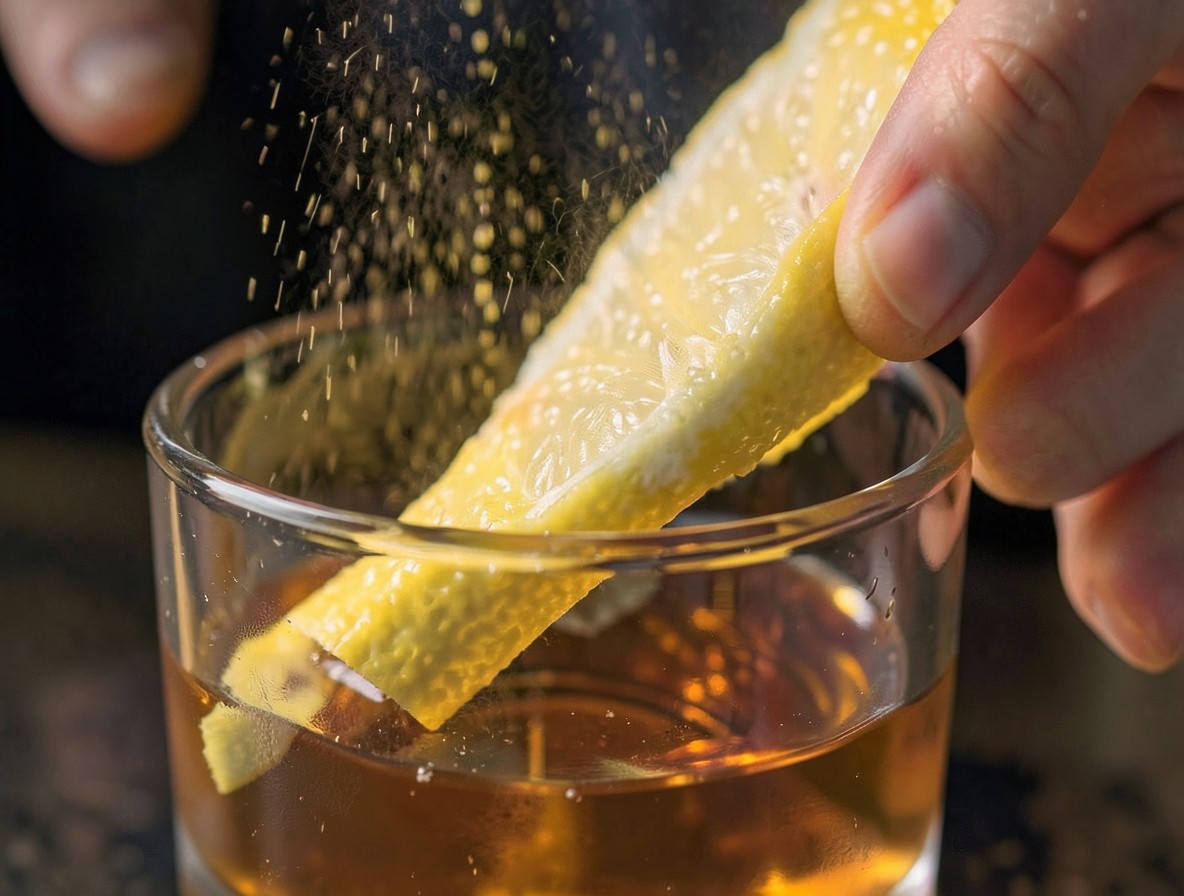
Hold the lemon peel over the glass, skin side down, and pinch it firmly to spray the oils across the surface. Run the peel around the rim, then drop it in or discard it — the oil is the garnish, not the peel itself.
Look for: A fine mist of citrus oil falls onto the surface of the drink, and the room smells of lemon and rye.
Common mistake: Skipping the expression and just dropping the peel in. The oils are what make the citrus work; a peel floating on top does nothing.
Tips from the bar
- 1Use one large ice cube in the mixing glass, not a handful of small ones. It melts slower, so you get better control over dilution.
- 2Stir for 25 seconds, taste it, and stir a little more if it still tastes sharp. The water is the ingredient that rounds out the rye.
- 3If you don't have a spray bottle for the absinthe, use your finger to coat the inside of the glass after you pour out the excess.
- 4Chill your rocks glass in the freezer for 10 minutes before you start. It keeps the drink cold without extra dilution.
- 5Try a Peychaud's-heavy ratio: 3 dashes Peychaud's and 1 dash Angostura if you want more of that anise-cherry character.
Variations
- Swap the rye for cognac if you want to taste the Sazerac as it was originally made in the 1850s. It's softer and fruitier, with less spice.
- Bourbon works if that's what you have, but the drink will be sweeter and rounder — closer to an Old Fashioned. Use a high-proof one.
- Add a bar spoon of simple syrup instead of the sugar cube for a smoother texture. Just reduce the muddling step to a quick stir.
- For a frozen version, blend all ingredients with crushed ice and serve in a coupe — a modern New Orleans twist that's dangerously easy to drink.
Substitutions
- Absinthe: use pastis like Pernod or Herbsaint, or even anise-flavored spirits like ouzo in a pinch. The flavor will shift slightly but the herbal character remains.
- Peychaud's bitters: there's no true substitute. Angostura alone makes a different drink. Try 3 dashes of Angostura and a tiny pinch of dried anise if you're desperate.
- Sugar cube: 1 teaspoon of white or demerara sugar, or 1/4 ounce of simple syrup.
- Rye whiskey: bourbon in a pinch, but expect a sweeter, less spicy drink. The Sazerac needs rye's backbone.
Serving, storing, batching
Serve the Sazerac straight up, no ice in the glass, with a single lemon twist expressed over the top. It's a drink to sip slowly, ideally before or after a rich meal. It pairs beautifully with dark chocolate, roasted nuts, or a steak dinner, where the rye and anise cut through richness.
The Sazerac is a single-serve cocktail and doesn't store well once mixed. You can batch the whiskey, bitters, and sugar syrup in a bottle and refrigerate for up to a week, but add the absinthe rinse and lemon twist fresh when serving. The sugar will settle, so shake the bottle before using.
To batch for a party, mix 12 ounces rye, 16 dashes Peychaud's, 16 dashes Angostura, and 8 sugar cubes dissolved in 1/2 ounce water. Refrigerate. For each serving, rinse a chilled glass with absinthe, pour in 2 ounces of the batch, and express a lemon twist. This skips the dilution step entirely — the batch is already at proper strength.
Questions people ask
A classic Sazerac is made with rye whiskey, Peychaud's bitters, Angostura bitters, a sugar cube, and a rinse of absinthe or pastis. It's garnished with a lemon twist. The drink is stirred with ice and strained into a chilled glass — never shaken.
The Sazerac is a variation of the Old Fashioned family. Both use spirits, sugar, and bitters, but the Sazerac specifically uses rye whiskey, Peychaud's bitters, and an absinthe rinse. An Old Fashioned typically uses bourbon, Angostura bitters, and no absinthe. The absinthe is the biggest difference, adding an herbal anise note.
Yes, the Sazerac is a spirit-forward cocktail. With 1.5 ounces of 100-proof rye and only minimal dilution from stirring, it sits at roughly 30-32% ABV. It's meant to be sipped slowly, not gulped. The sugar and bitters balance it, but the whiskey is the star.
The ingredients are 1.5 ounces rye whiskey, 2 dashes Peychaud's bitters, 2 dashes Angostura bitters, 1 white sugar cube, 1/8 ounce absinthe for the rinse, and a lemon peel for garnish. You'll also need ice for stirring and a chilled rocks glass.
Muddle a sugar cube with Peychaud's and Angostura bitters. Rinse a chilled rocks glass with absinthe and discard the excess. Add rye whiskey to the sugar mixture, stir with ice for 25 seconds, and strain into the prepared glass. Express a lemon peel over the top and serve.
Pastis like Pernod or Herbsaint are the classic substitutes and Herbsaint is the traditional New Orleans choice. Other anise-flavored liqueurs like ouzo or sambuca will also work, though they'll change the sweetness and strength slightly. You can also skip the rinse, but the drink loses its signature character.
Stirred, always. The Sazerac is an all-spirit drink with no citrus or dairy, so shaking would aerate it and create a cloudy, frothy texture that ruins its silky character. Stirring with ice chills and dilutes it properly while keeping it perfectly clear.
The Sazerac was created in New Orleans in the 1850s by Antoine Peychaud, an apothecary who served his own bitters in cognac. Over time, rye replaced the cognac, and the drink became a local icon. It was declared the official cocktail of New Orleans in 2008.
Last word
The Sazerac rewards patience. Six ingredients, one technique, and a century of history in a glass. When you need a drink that tastes like New Orleans, this is it. Make it slow, sip it slower.