The Aperol Spritz Recipe Worth Making at Home
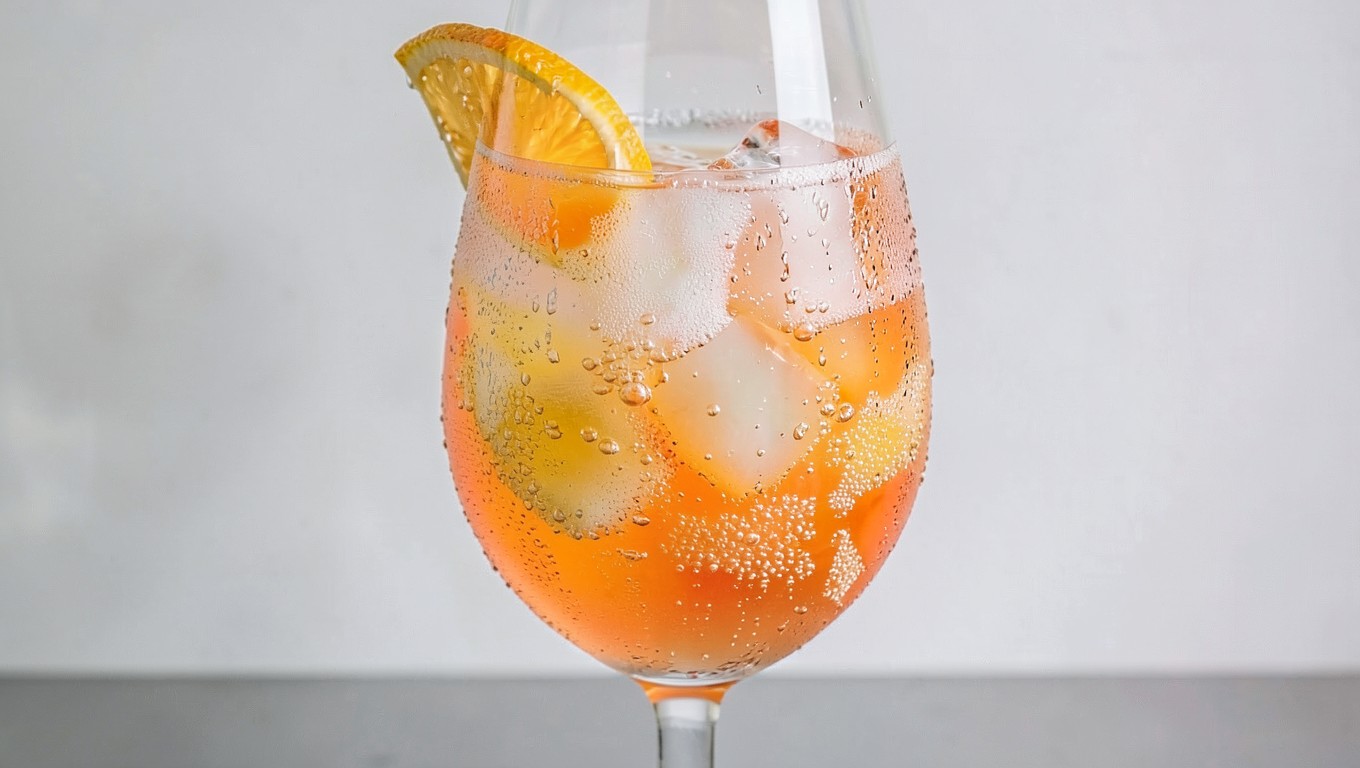
An Aperol Spritz is a Venetian aperitivo built in the glass with 3 parts Prosecco, 2 parts Aperol, and 1 part soda over ice. It takes three minutes to assemble, serves one, and tastes bittersweet, lightly herbal, and refreshingly fizzy.

- Baseprosecco
- Strength11% ABV, approximate
- Methodbuild
- Glasswine glass
- Icecracked
- Difficultyeasy
- Total3 min
- Serves1
- Bittersweet
- Lightly herbal
- Fizzy
- Dry finish
- Large wine glass
- Bar spoon
- Jigger or measuring spoons
The Aperol Spritz is the drink that taught the world that bitter can be refreshing. You've had versions that were too sweet, too strong, or drowning in orange juice. This one is the real thing — the Italian ratio that makes the whole thing work. It's a three-minute build, no shaker, no strainer, just ice, three liquids, and a slice of orange. The result is a low-alcohol, brilliantly orange aperitivo that opens your palate instead of flattening it. This is the best aperol spritz recipe for anyone who wants the actual Venetian bar experience at home. You'll taste the bitter orange and rhubarb of the Aperol, the crisp green apple notes of a dry Prosecco, and that faint mineral bite of soda that keeps it from being cloying. Make it before dinner, not as the night's finale. That's what it's for.
About the Aperol Spritz
The spritz tradition comes from the Veneto region of northern Italy, where Austrian soldiers stationed in the 19th century diluted local wines with water to make them lighter. Over time, the water became soda, and in the 1950s, the Padua-based company Aperol became the bitter of choice. What sets a spritz apart from other cocktails is its structure: wine forms the base, a bitter liqueur gives it character, and soda provides sparkle and length. It is traditionally consumed as an aperitivo — the pre-dinner ritual that runs from early evening until supper. A proper one is bright orange, slightly hazy from the pour, and served in a large wine glass over a good amount of ice. The drink's identity is built on moderation; it's meant to last the conversation, not to be slammed.
Why it works
- 1The 3-2-1 ratio keeps the ABV around 11%, so it's a long drink you can nurse through a conversation.
- 2Prosecco's dry, lightly fruity character holds up against Aperol's bitterness without fighting it.
- 3A splash of soda adds bubbles and a mineral edge that stops the drink from tasting syrupy.
- 4A big wine glass and ice let the aromatics open up and slow dilution, so it stays crisp.
- 5Building in the glass preserves the wine's delicate bubbles, which a shaker would kill.
Ingredients
Serves 1.
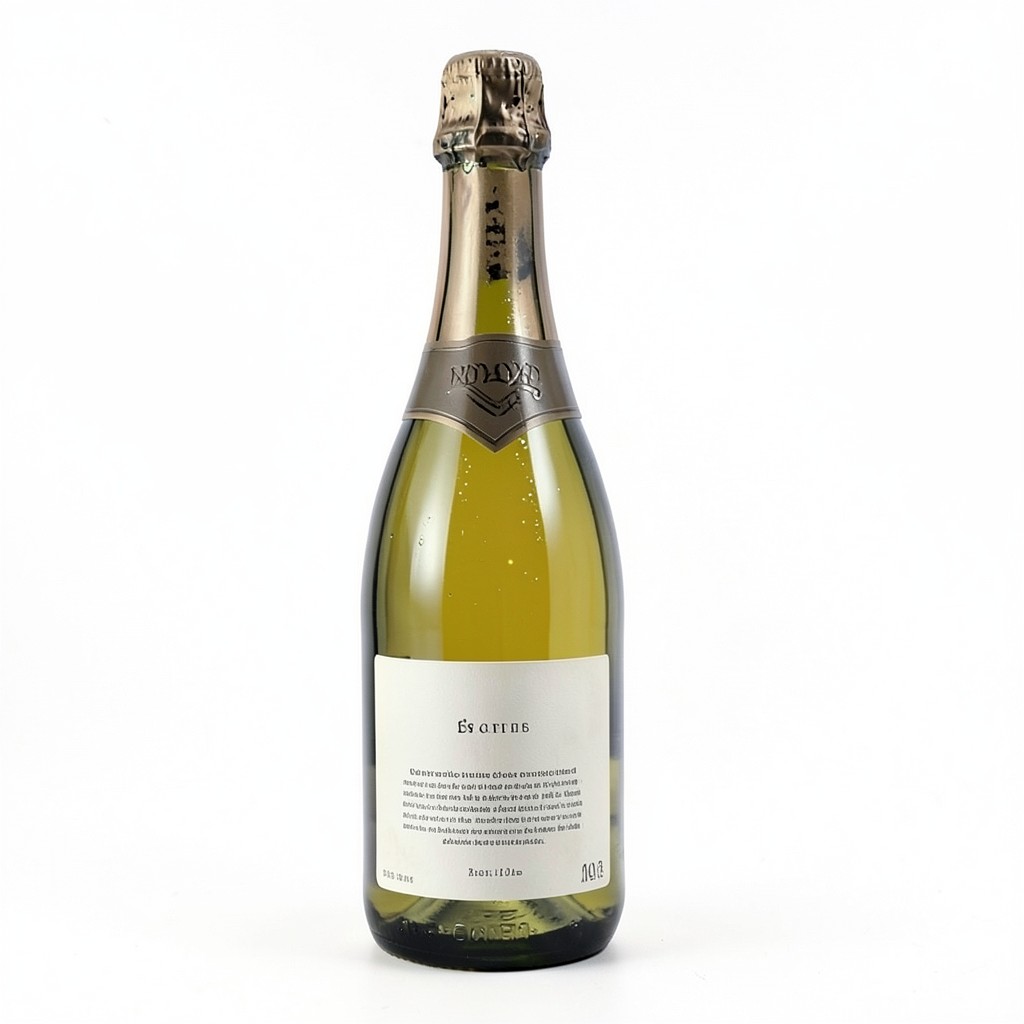 90 ml Prosecco, chilled, chilled, dry style
The base of the drink; a dry, crisp Prosecco keeps the final result from being sweet.
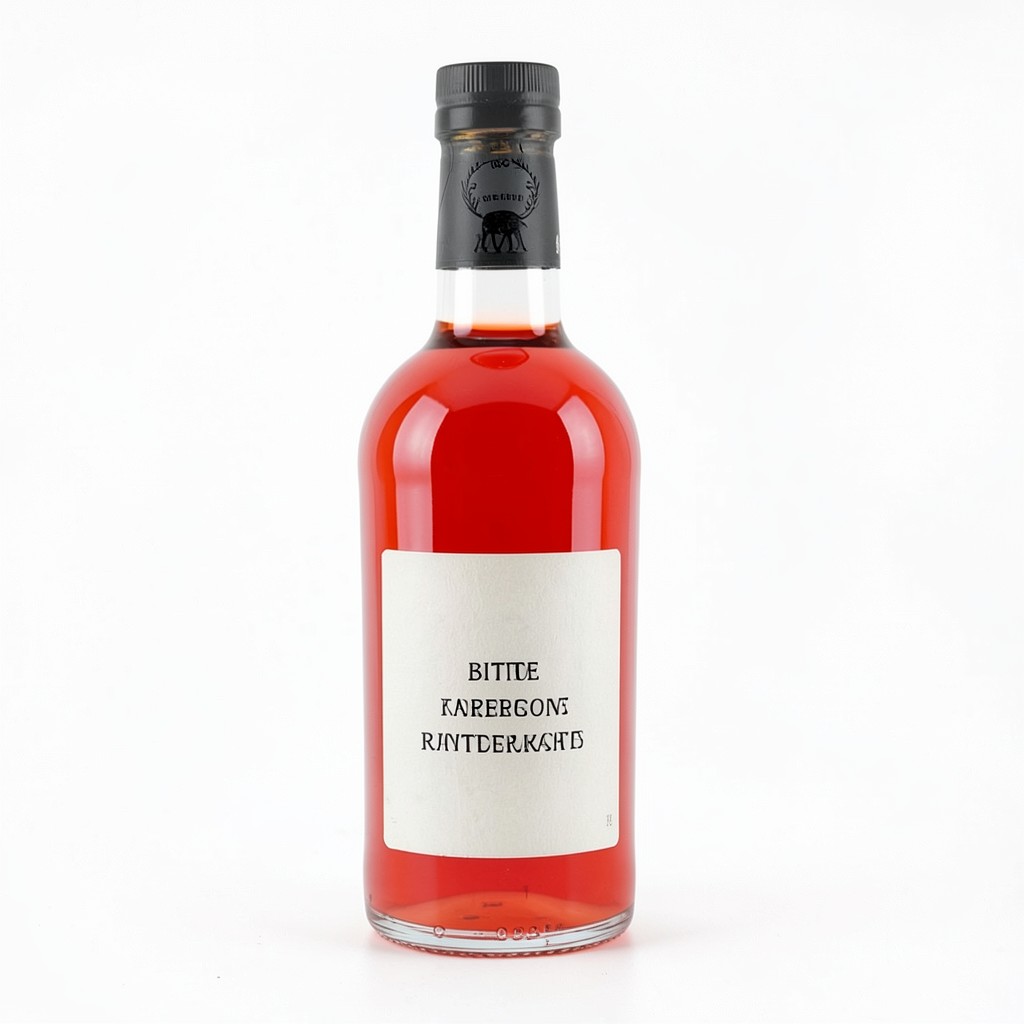 60 ml Aperol
The bitter orange liqueur that gives the drink its character and colour.
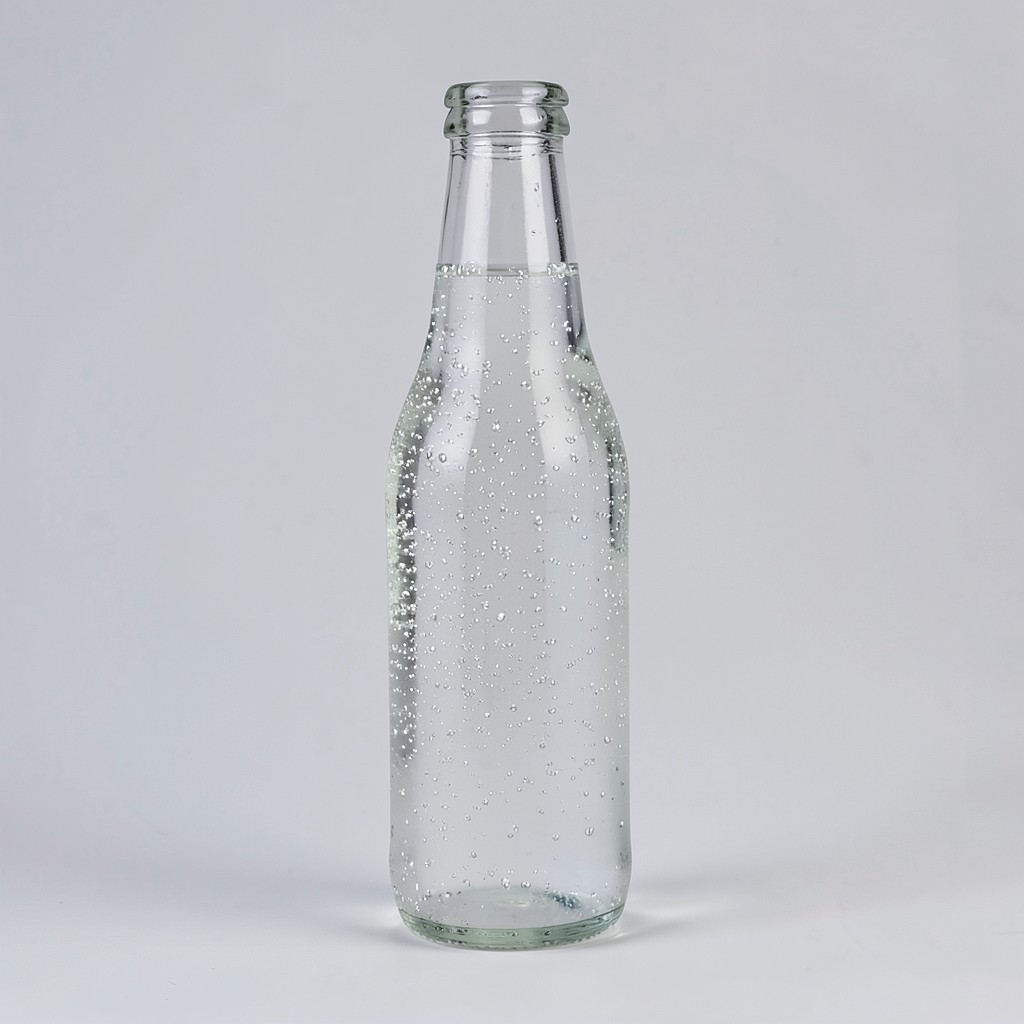 30 ml Club soda, chilled
Adds sparkle and dilutes the sweetness slightly; skip if you want a sweeter, fuller drink.
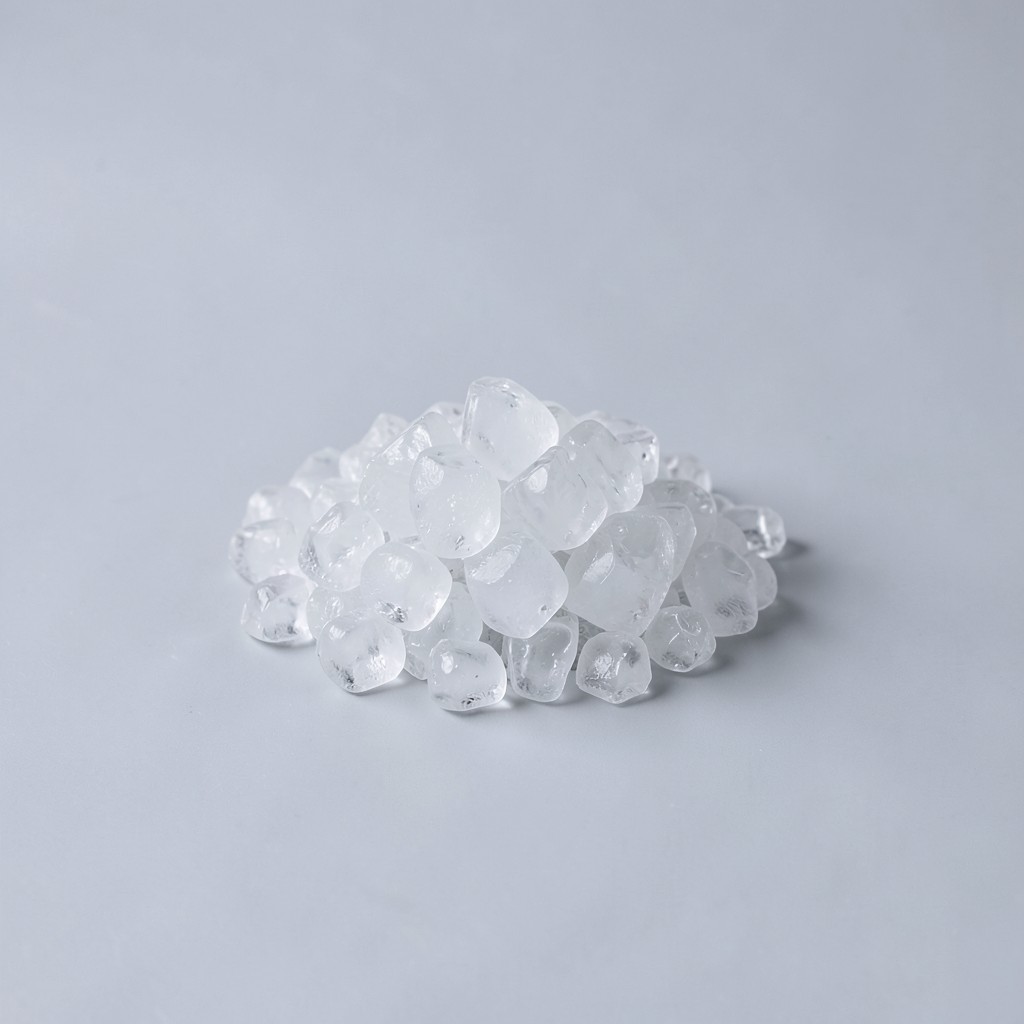 1 cup Ice, cracked or small cubes
Cracked ice chills quickly and melts slower than one giant cube, which makes dilution gradual.
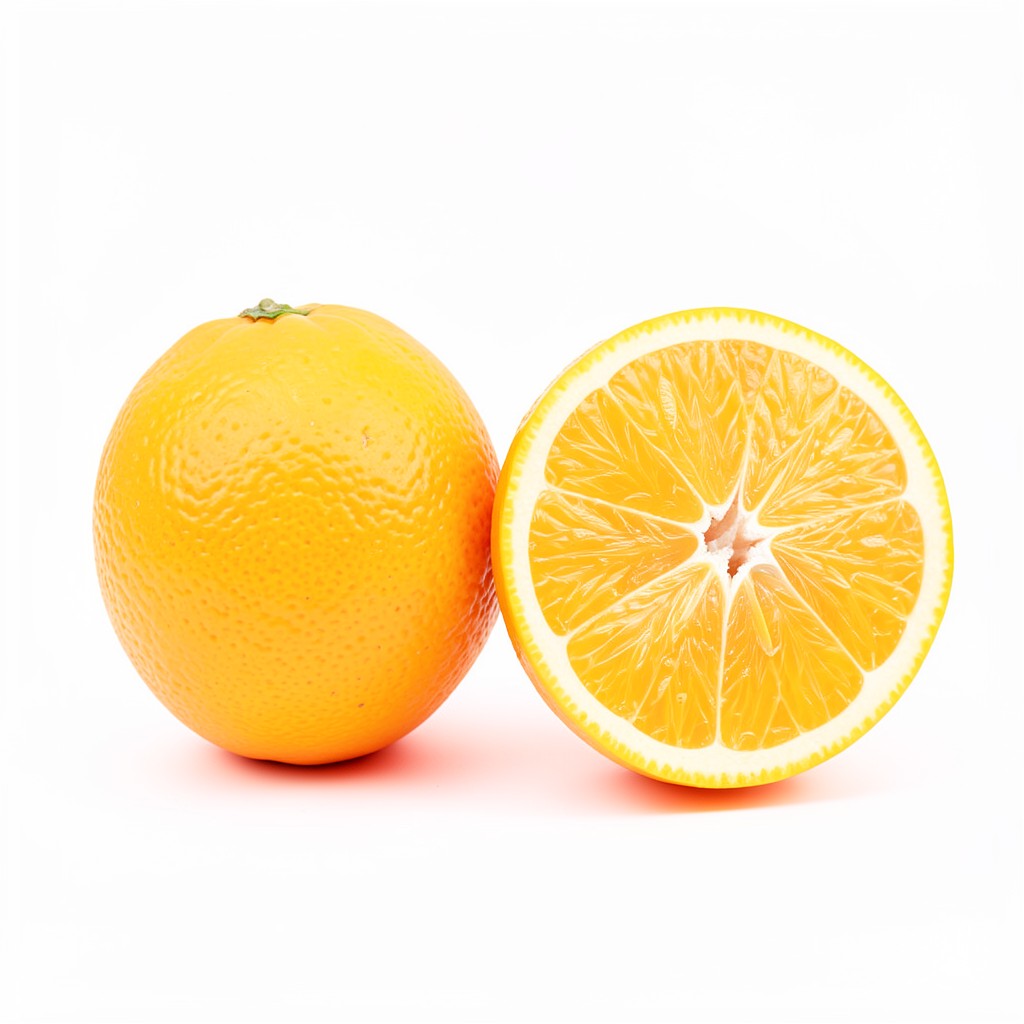 1 slice Orange slice, half-moon, 1/4 inch thick
The oil from the peel adds a bright top note that echoes Aperol's orange character.
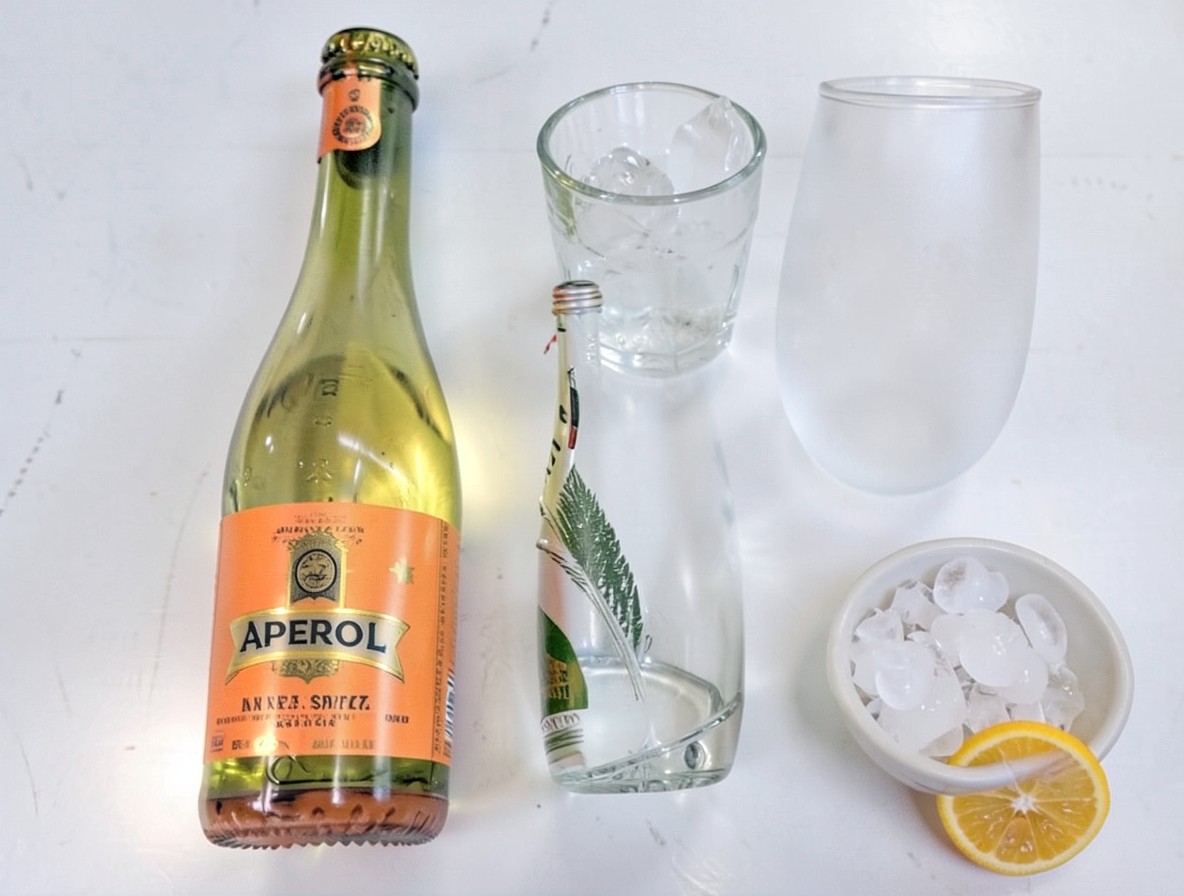
ingredients
Use a dry Prosecco — look for 'Brut' on the label. A sweet one makes the drink cloying. Aperol is the standard and not interchangeable with Campari, which is significantly more bitter and higher in alcohol. Real club soda, not tonic water, which adds quinine bitterness and sugar. The orange matters more than you think: a slice with the peel intact, not a peeled segment. The oils are part of the flavour.
You need: large wine glass, bar spoon, jigger or measuring spoons.
Method
Fill the glass with ice
Take a large wine glass with at least 300ml capacity and fill it most of the way with cracked ice. You want the glass nearly full so the liquids stay cold without diluting fast. Swirl the ice to chill the glass, then pour off any melted water.
Look for: The glass is three-quarters full of cracked ice, with a light frost forming on the outside.
Common mistake: Using one giant cube. It chills the drink too slowly and doesn't provide the gradual dilution that cracked ice does. The spritz ends up tasting flat and warm by the halfway point.
Measure 60ml of Aperol directly over the ice. Let it settle for a second before adding anything else so it coats the ice and starts to chill.
Look for: The Aperol is a deep burnt-orange liquid pooling around the ice at the bottom of the glass.
Common mistake: Adding the soda first. The order matters because Aperol is the heaviest ingredient and needs to mix with the ice before the wine and soda lighten the mixture.
Pour 90ml of chilled Prosecco over the ice and Aperol. Pour it in a steady stream down the side of the glass, not directly onto the ice. This preserves the wine's carbonation.
Look for: The Prosecco creates a pale orange gradient as it mixes with the Aperol, with fine bubbles rising steadily from the ice.
Common mistake: Pouring the Prosecco onto the ice. The agitation knocks out the carbonation, and your spritz goes flat in minutes. Pour down the side of the glass.
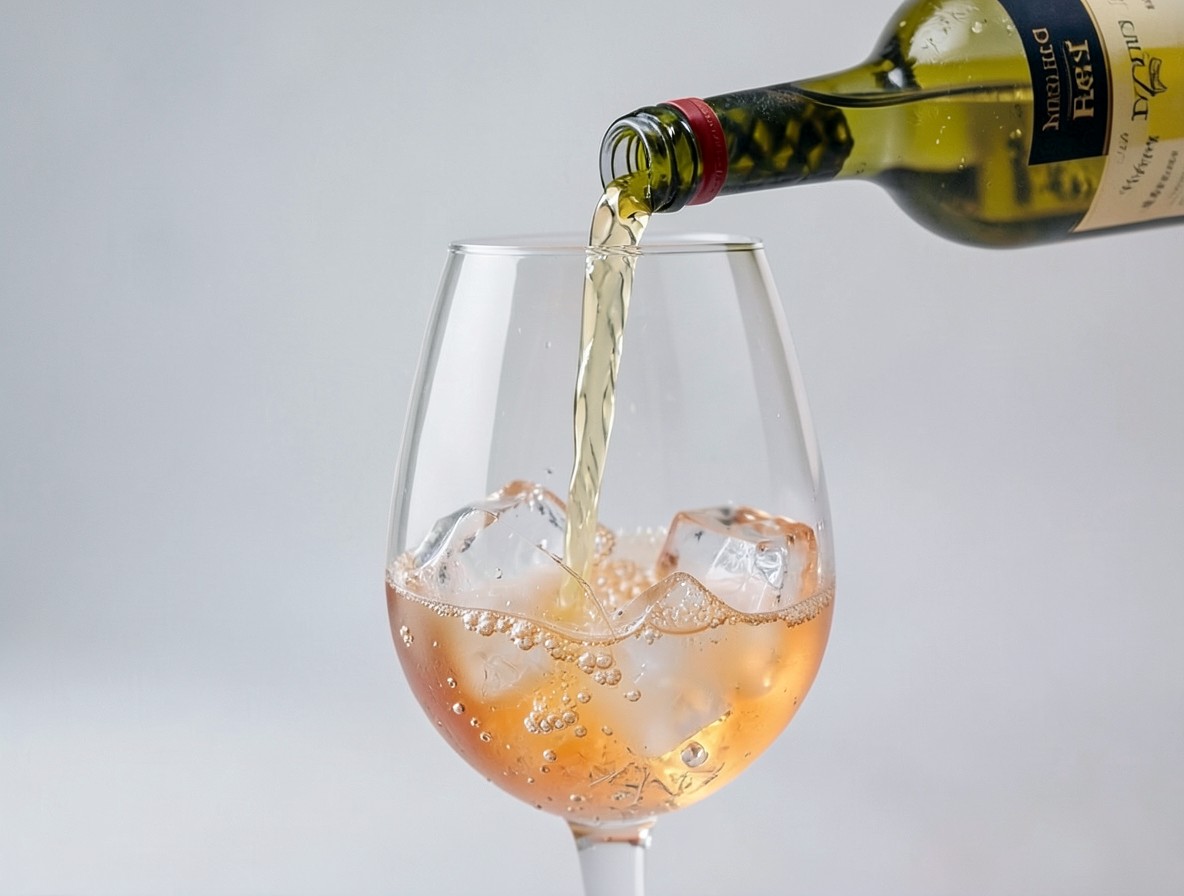
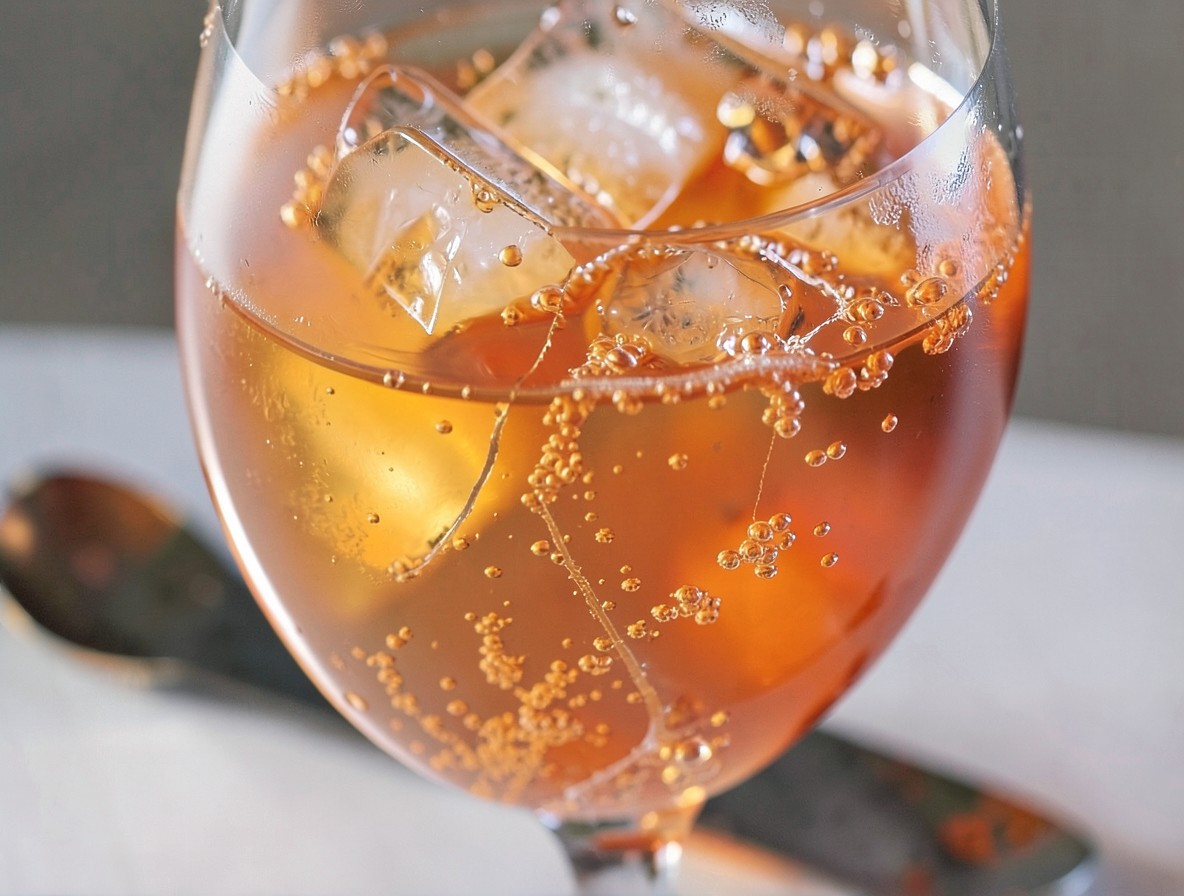
Add 30ml of club soda and give the drink one gentle stir with a bar spoon — just two or three rotations. You're combining, not aerating. The drink should look slightly hazy from the mixing, not fully blended.
Look for: The liquid is a uniform bright orange with a light haze, and the bubbles are fine and persistent rather than large and aggressive.
Common mistake: Over-stirring. More than a few rotations knocks out the carbonation and melts the ice too fast. One to three turns is all it needs.
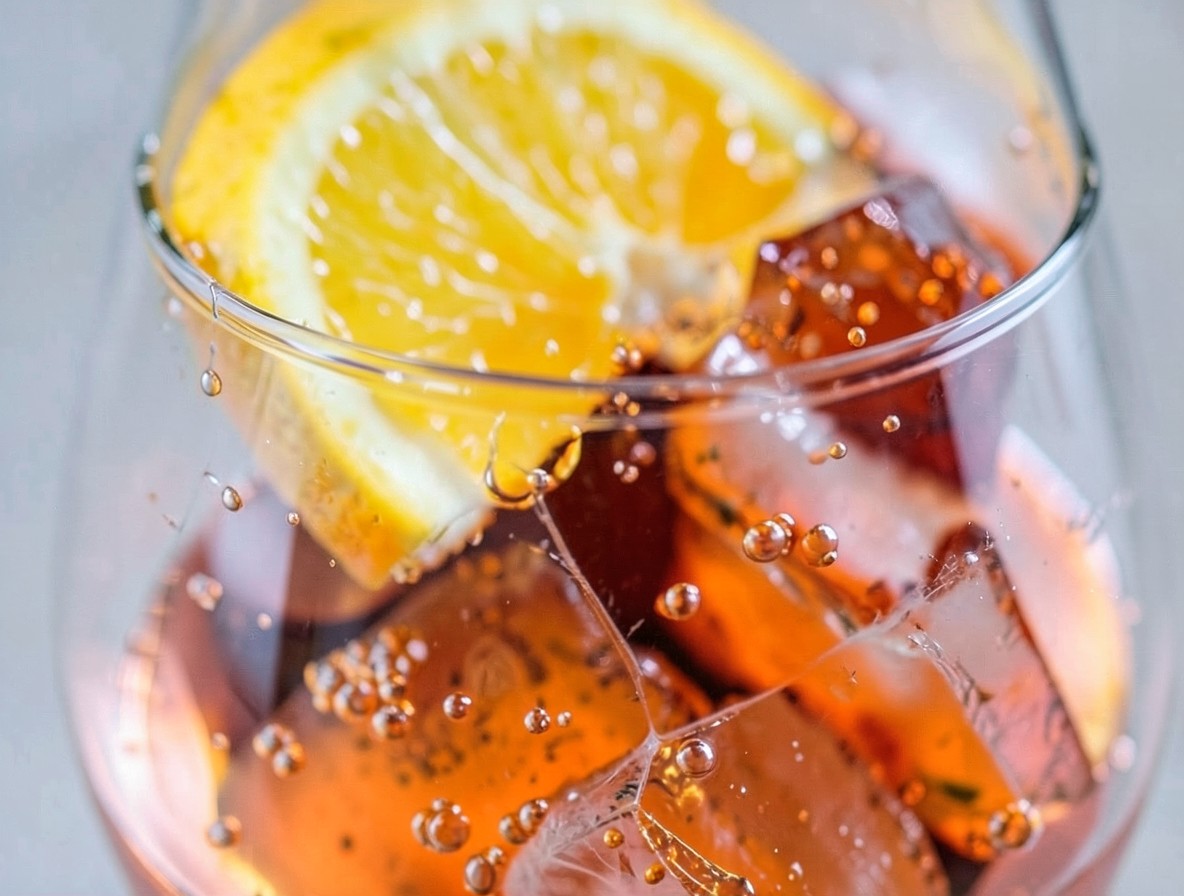
Place a half-moon slice of orange on the rim, peel side in contact with the glass. Give the peel a gentle squeeze over the surface before you rest it in — the oils land on the drink and brighten the aroma. Serve immediately, before the ice melts further.
Look for: A bright orange slice resting on the rim, one end in the liquid, with tiny beads of orange oil shimmering on the surface of the drink.
Common mistake: Using a peeled orange segment instead of a slice with the peel. You lose the aromatic oils that make the garnish part of the flavour, not just decoration.
Tips from the bar
- 1Chill everything — the Prosecco, the soda, even the glass. A cold spritz dilutes slower and stays crisp longer.
- 2If you're making this for guests, pour the Aperol and ice into the glasses first, then add the Prosecco and soda right before serving.
- 3Use a large wine glass, not a highball. The wide bowl lets the aromatics open up and gives the drink the right proportions.
- 4For a slightly drier version, swap the Aperol for a 50/50 mix of Aperol and Campari.
- 5Don't use a jigger for this — a standard wine pour (about 90ml) and a shot measure (60ml) get you the exact ratio without extra measuring.
Variations
- Venetian style: add a splash (15ml) of still sparkling water instead of club soda for a softer, rounder mouthfeel.
- Casoni Spritz: swap the Aperol for Casoni 1814 for a more herbal, less sweet version.
- Sparkling rosé version: replace Prosecco with a dry sparkling rosé for a slightly richer, berry-forward profile.
- Non-alcoholic: use a non-alcoholic sparkling wine and a 50/50 mix of Aperol and a bitter orange syrup like Sanbitter for the same character without the alcohol.
Substitutions
- Aperol: use Campari for a more bitter, higher-alcohol drink — start with 45ml instead of 60ml. Trade-off: loses the gentle sweetness and gets a darker colour.
- Prosecco: use Cava or a dry sparkling white wine. Trade-off: slightly different fruit profile but the same structure.
- Club soda: use seltzer water if you have it. Trade-off: identical, just a matter of available brands. Avoid tonic water, which adds quinine bitterness and sugar.
- Orange garnish: a lemon peel works in a pinch, but the drink will lean more citrus-forward and less sweet.
Serving, storing, batching
Serve the Aperol Spritz as the first drink of the evening, before dinner. It pairs naturally with salty snacks — olives, almonds, potato chips, or a charcuterie board. The bitterness cuts through fat, and the bubbles cleanse your palate between bites.
Aperol is shelf-stable and needs no refrigeration after opening. Prosecco is not — once opened, it holds its bubbles for about 24 hours if you reseal it with a sparkling wine stopper and refrigerate it. Do not store the finished spritz; it goes flat within fifteen minutes.
To scale for a pitcher, mix the Aperol and Prosecco in a large pitcher at a 2:3 ratio (e.g. 200ml Aperol to 300ml Prosecco), then top with soda at the last minute. Keep the pitcher in a bucket of ice and add the soda per glass, not all at once — it will go flat sitting with the wine. Never add ice to the pitcher; it dilutes the whole batch.
Questions people ask
An Aperol Spritz is made of three ingredients: Prosecco, Aperol, and club soda, served over ice with a slice of orange. The classic ratio is 3 parts Prosecco to 2 parts Aperol to 1 part soda.
The disappointing truth is that many bars make them too strong or too sweet. The classic ratio is 3-2-1 (Prosecco to Aperol to soda), but many places add extra Aperol, extra soda, or skip the proper wine glass. A well-made one should be light, bitter, and refreshing — not syrupy or boozy.
The 3:2:1 method means 3 parts Prosecco, 2 parts Aperol, and 1 part soda. In the standard measurement, that's 90ml Prosecco, 60ml Aperol, and 30ml soda, built over ice in a large wine glass.
No. Aperol is 11% ABV, and when it's diluted with Prosecco (about 11-12% ABV) and soda, the final drink lands around 11% ABV. That's lower than a glass of wine.
The ingredients are Prosecco, Aperol, club soda, ice, and a slice of orange. That's the whole list — there's no simple syrup, no vermouth, and no fruit juice in the traditional version.
Fill a large wine glass with cracked ice. Pour in 60ml Aperol, then 90ml chilled Prosecco, then 30ml club soda. Stir gently once or twice, garnish with an orange slice, and serve immediately.
Italians use Prosecco (specifically from the Veneto region), Aperol, and soda water, served over ice with an orange slice. The drink originated in the Veneto region and remains most popular there.
The official recipe from the Aperol brand is 3 parts Prosecco, 2 parts Aperol, and 1 part soda water, served in a large wine glass over ice with an orange slice. The brand recommends a ratio of 90ml Prosecco, 60ml Aperol, and 30ml soda.
Last word
This is the drink that turns a regular evening into an aperitivo. Three minutes of work, three ingredients, and you're on a Venetian patio. Make it the next time you want something bright, bitter, and easy — and taste why it never went out of style.