The Americano: A Three-Ingredient Italian Classic
An Americano is a bitter, herbal Italian aperitivo built with equal parts Campari and sweet vermouth, topped with soda water over ice. It takes two minutes to assemble and serves one. Expect a dry, citrusy bitterness balanced by sweet wine and a long, fizzy finish.

- Baseamaro
- StrengthApproximately 10-12% ABV
- Methodbuild
- Glassrocks
- Icecracked
- Difficultyeasy
- Total3 min
- Serves1
- Bitter
- Herbal
- Sweet
- Effervescent
- Jigger or measuring spoons
- Bar spoon
- Rocks glass
The Americano is what you order when you want a bitter, bubbly low-ABV sip. It's the quiet cousin of the Negroni — same base of Campari and sweet vermouth, but lengthened with soda instead of gin. That swap changes everything. The soda lightens the body, stretches the bitterness, and makes it an aperitivo you can drink before dinner without falling over.
This version sticks to the classic 1:1:2 ratio: one part Campari, one part sweet vermouth, two parts soda. It's built directly in the glass over ice, so there's no shaking or straining, and cleanup is minimal. The whole thing comes together in about two minutes.
You'll taste bitter orange peel, dried herbs, and a soft vanilla sweetness from the vermouth. The soda keeps it crisp and dry on the finish. It's the drink that started the whole "American" family of cocktails, and it's still one of the best afternoon drinks ever made.
About the Americano
The Americano dates back to 1860s Italy, where it was first served as the 'Milano-Torino' — a nod to the two ingredients' hometowns: Campari from Milan and sweet vermouth from Turin. When American tourists discovered it during Prohibition-era travel to Europe, they asked for it with soda water, and the name stuck.
It belongs to the spritz family of Italian aperitivi, designed to stimulate the appetite before a meal. The drink is traditionally served in a rocks glass over ice with an orange peel garnish. Unlike its cousin the Negroni, which uses gin and is stirred, the Americano is built and topped with soda, making it lighter in both body and alcohol.
Why it works
- 1Campari's bitter orange and herb notes are balanced by the sweet vermouth's vanilla and raisin character, so neither overwhelms the other.
- 2Soda water adds dilution and carbonation, stretching the drink to a low ABV that's perfect for slow sipping.
- 3Building in the glass over ice chills the drink without over-diluting it, keeping the bubbles intact.
- 4The orange peel's oils bridge the bitter and sweet components, tying the whole drink together aromatically.
Ingredients
Serves 1.
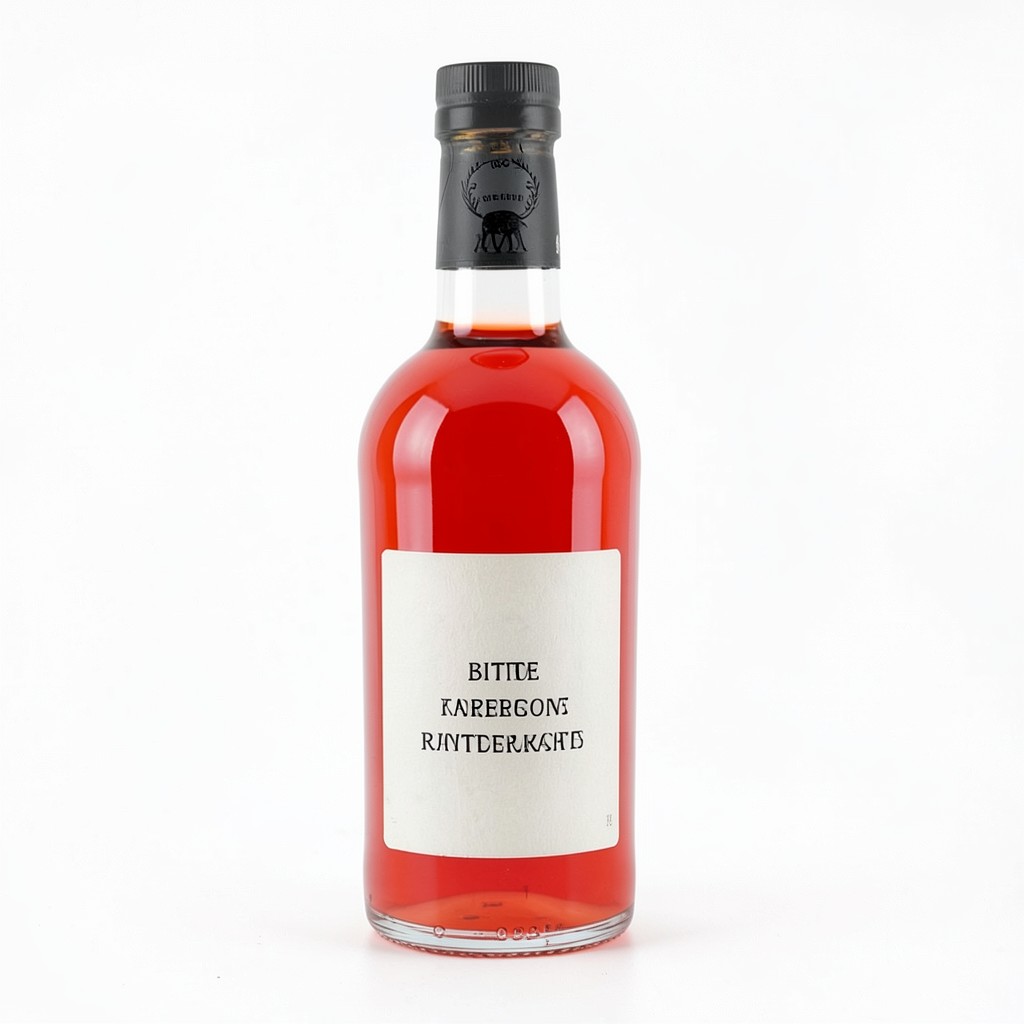 1 oz Campari, cheap substitute will ruin the drink
The sole bittering agent — its specific orange-herb profile is what makes this an Americano.
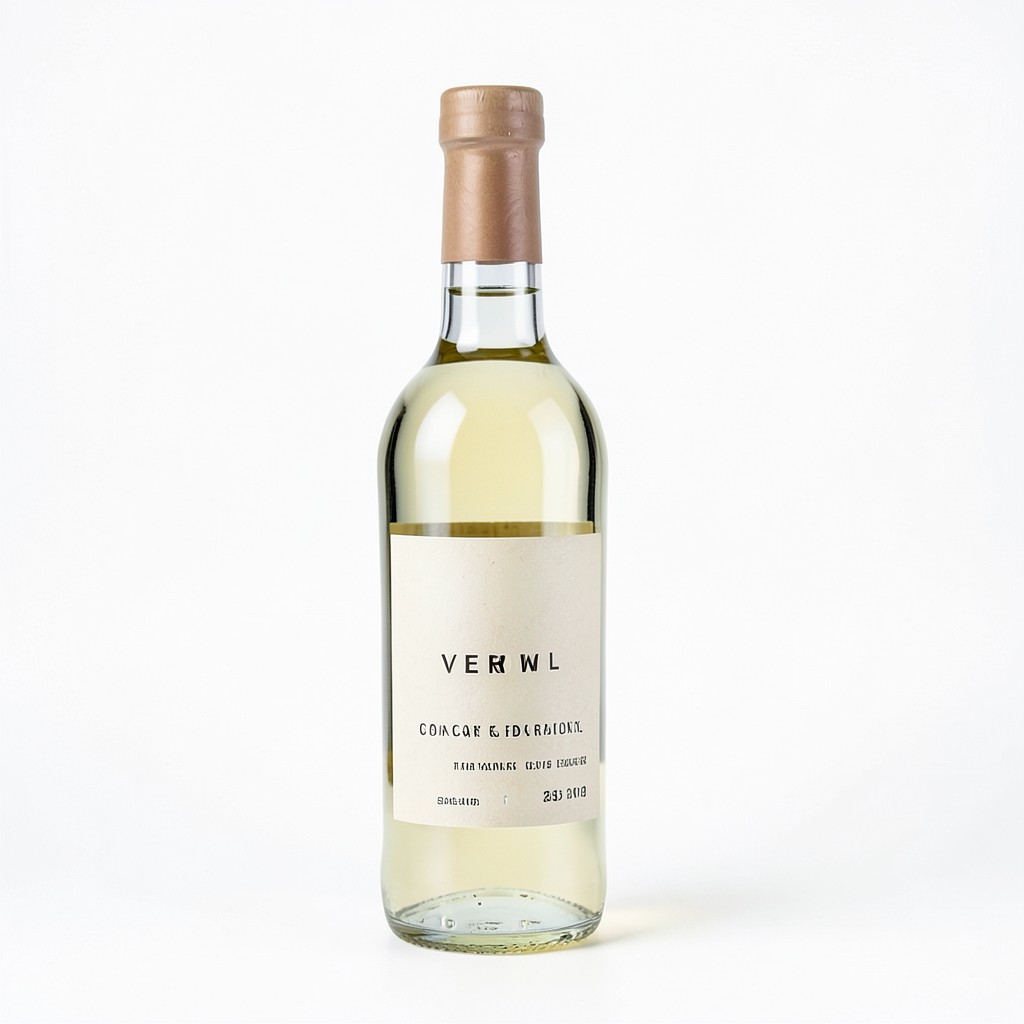 1 oz Sweet red vermouth, Carpano Antica, Cocchi Torino or Cinzano Rosso all work
Provides sweetness and body to balance the Campari. A higher-quality vermouth lifts the whole drink.
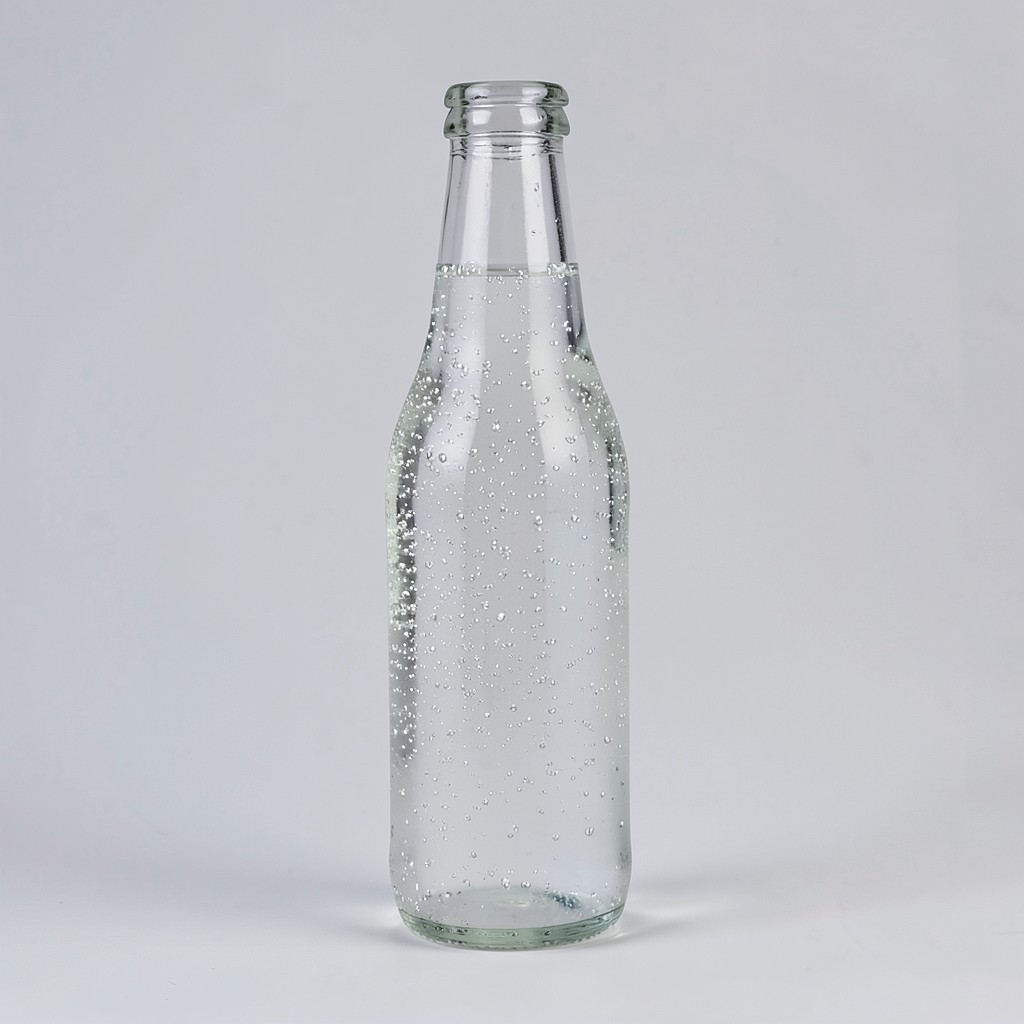 2 oz Soda water, chilled, freshly opened
Adds dilution and effervescence without introducing flavour. Flat soda ruins the texture.
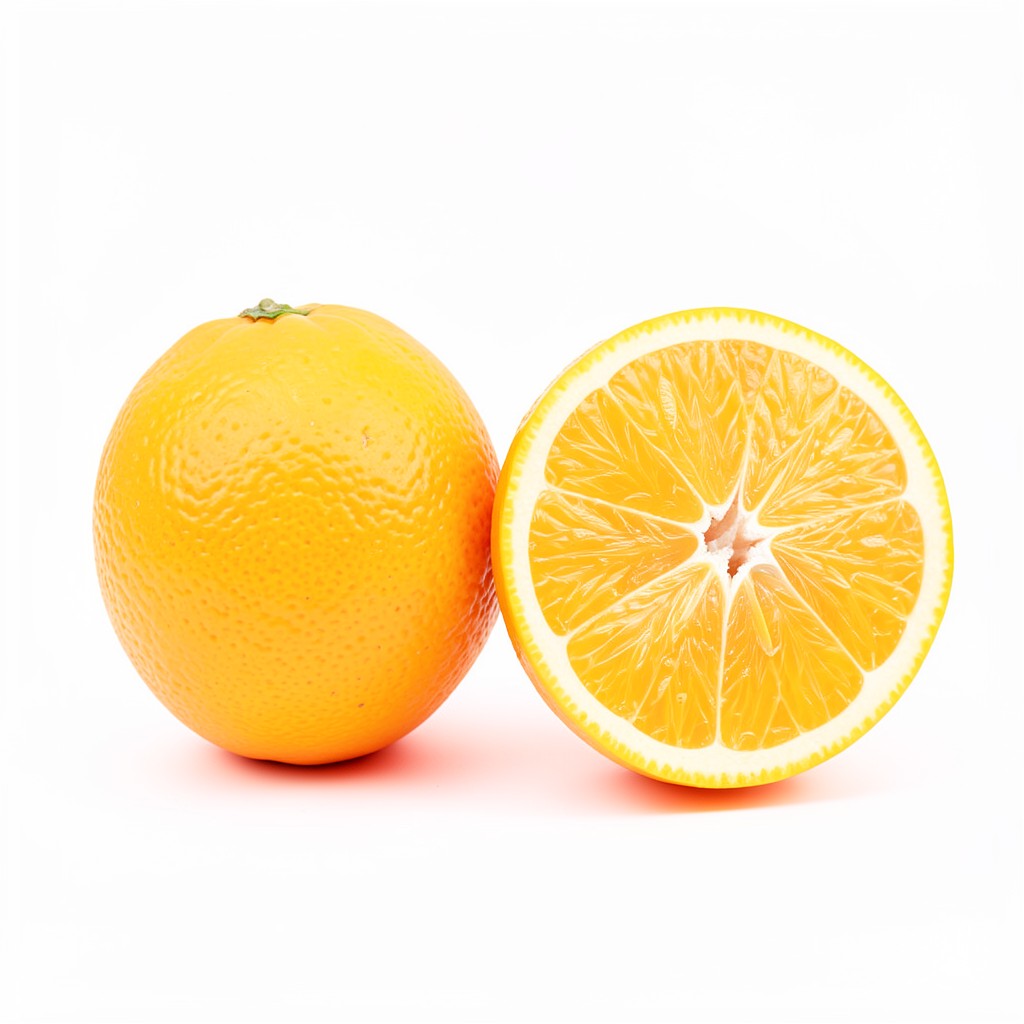 1 strip Orange peel, about 2 inches long, no pith
The oils expressed over the drink are essential for aroma and balance.
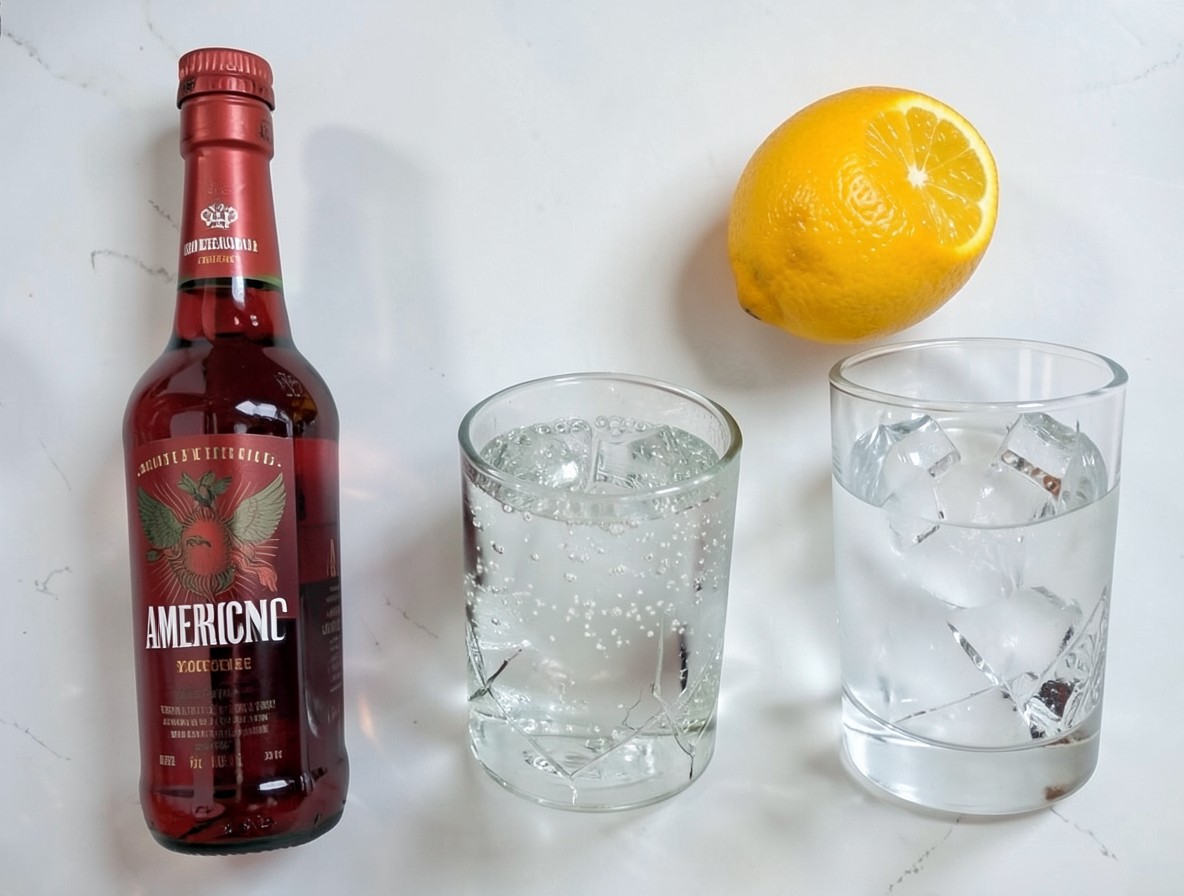
ingredients
Campari is non-negotiable. Its specific bitter orange and gentian root profile is the whole point. If you must substitute, use Aperol, but expect a lighter, sweeter, less complex drink. Sweet vermouth matters more than people think. A fresh, opened bottle of Cocchi Torino or Carpano Antica makes the drink taste expensive; a stale bottle makes it taste flat. Soda water should be cold and freshly opened. If it's lost its fizz, the drink falls flat literally.
You need: jigger or measuring spoons, bar spoon, rocks glass.
Method
Fill the glass with ice
Pack a rocks glass with cracked ice. Cracked ice dilutes faster than a single large cube, which is exactly what you want here — it softens the bitterness and chills the drink quickly.
Look for: The glass looks frosty and the ice is packed all the way up.
Common mistake: Using one giant cube slows dilution too much. The drink stays harsh and boozy. Cracked ice is the right call here.
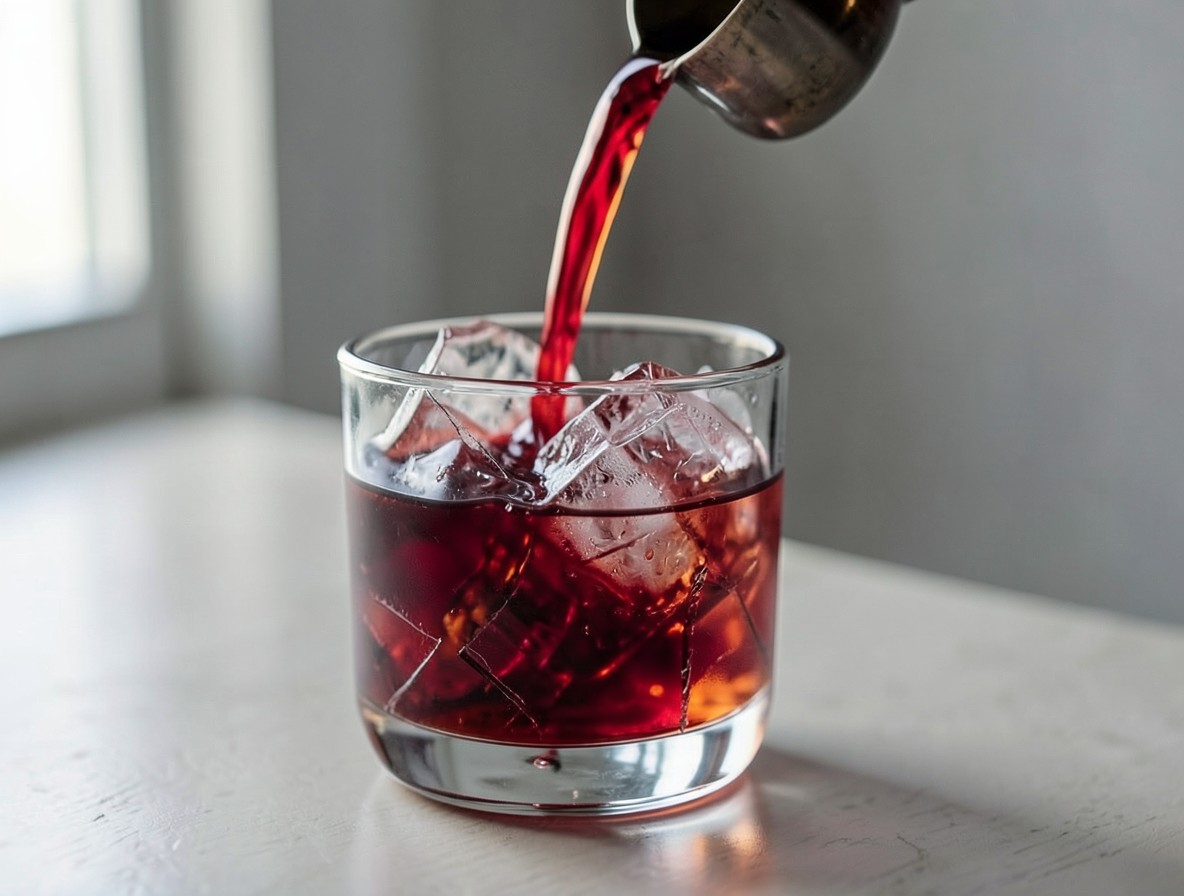
Measure 1 oz of Campari and 1 oz of sweet vermouth directly into the ice-filled glass. Use a jigger, not a free pour — the 1:1 ratio is the backbone of this drink. Give it a quick stir with a bar spoon to combine.
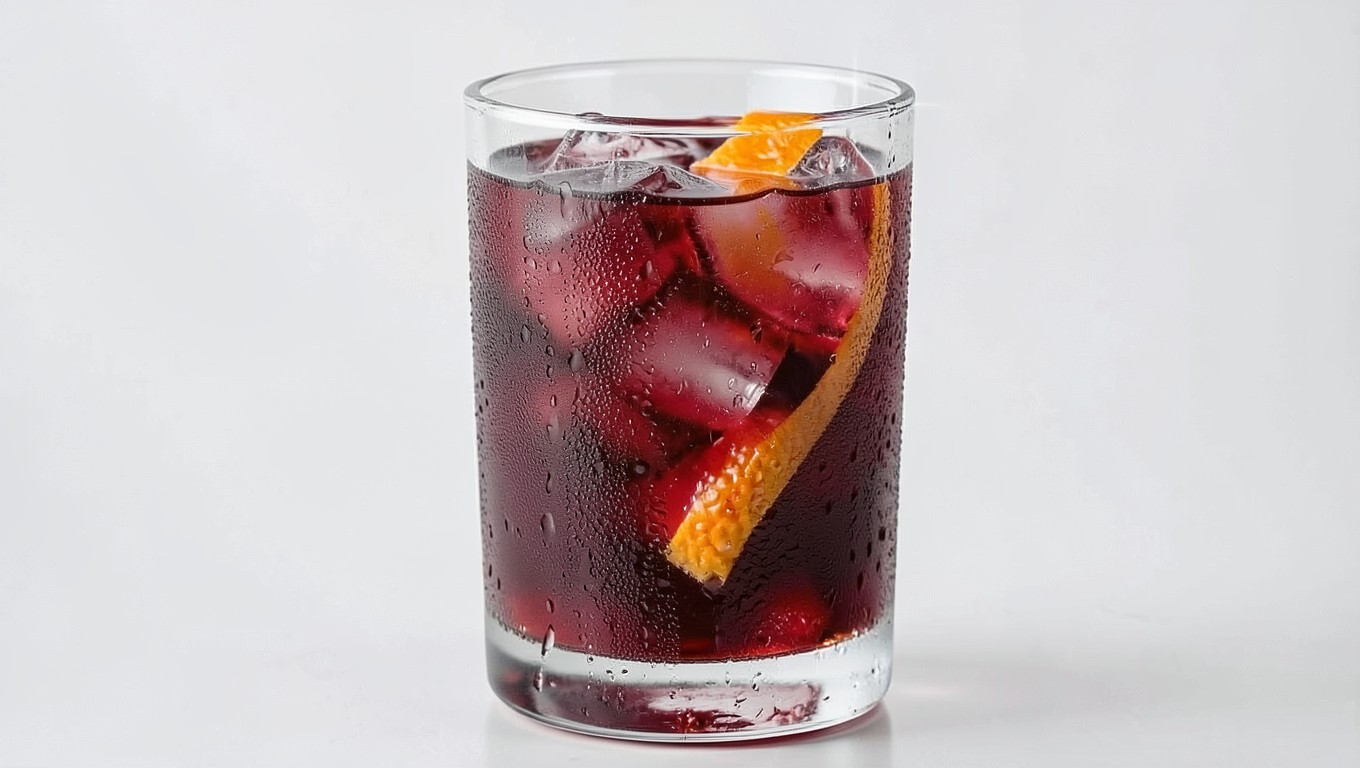
Look for: Deep ruby-red liquid swirling through the ice, uniform in colour once stirred.
Common mistake: Skipping the stir. Without it, you get a layer of vermouth on top that hits your palate first, too sweet and out of balance.
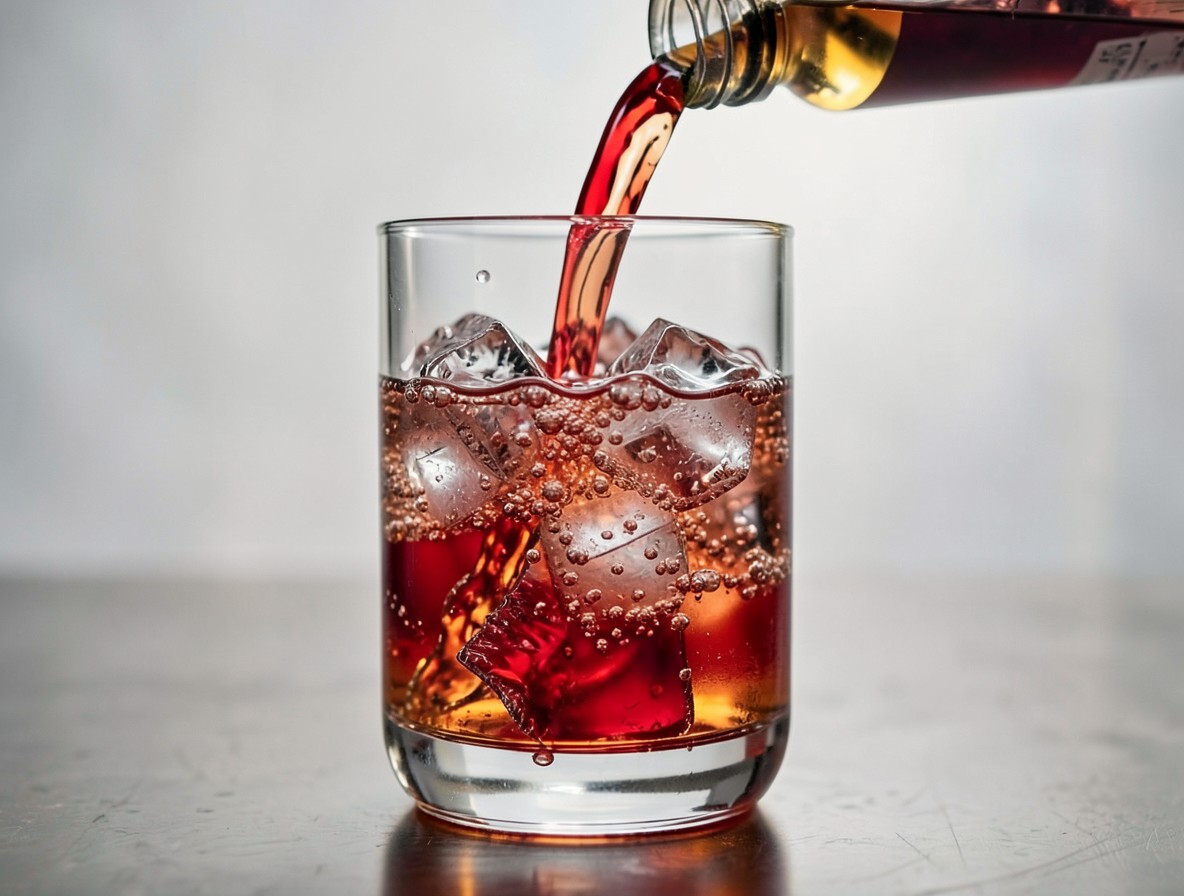
Pour 2 oz of cold, freshly opened soda water down the side of the glass. Pouring down the side preserves the carbonation. Give it one gentle, slow stir to incorporate — don't agitate it.
Look for: Bubbles rising in a steady stream through the ruby liquid, a small layer of foam at the surface.
Common mistake: Pouring soda directly onto the ice from height. It releases the CO2 and you end up with a flat, watery drink. Pour down the glass wall.
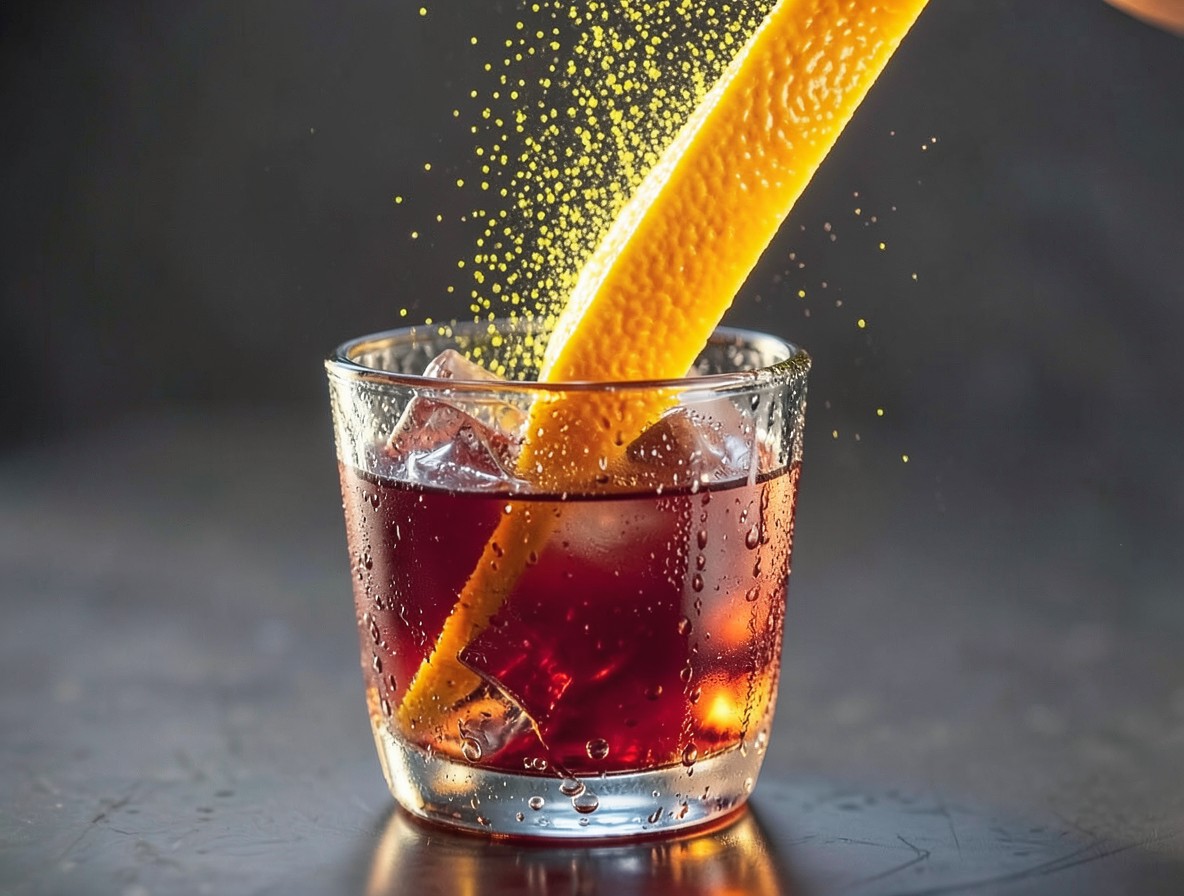
Hold a 2-inch strip of orange peel, pith removed, over the glass with the coloured side facing down. Pinch it firmly to spray the oils across the surface. Rub the peel around the rim, then drop it in.
Look for: A fine mist of oils visible in the light above the glass, the drink's surface shimmering briefly.
Common mistake: Leaving the pith on makes the peel bitter and the expressed oils go harsh. Remove it.
Tips from the bar
- 1Keep your vermouth in the fridge after opening — it's wine and will oxidise within weeks on the shelf, making the drink taste flat and stale.
- 2For a dressed-up version, serve it in a highball glass with a long orange spiral instead of a simple strip. The extra citrus aroma opens up the drink.
- 3If your soda water is warm, the drink will be flat before you finish it. Keep it cold, and open a fresh bottle per drink for maximum fizz.
- 4Sweet vermouth brands vary wildly in sweetness. If you use Carpano Antica, you might want a touch more soda to balance its richness. Taste and adjust.
- 5The Americano is a classic 'aperitivo' — serve it before a meal with olives or salted nuts. It's made to wake up the appetite.
Variations
- Negroni — add 1 oz of gin and stir instead of building; no soda. Stronger, more spirit-forward.
- Aperol Americano — swap the Campari for Aperol for a softer, sweeter, less bitter drink with a lower ABV.
- Americano Royale — top with a splash of Champagne instead of soda for a celebratory version with extra dryness.
- Garibaldi — swap the vermouth for fresh orange juice. Huffman's version uses just Campari and orange juice, equally refreshing.
Substitutions
- Campari → Aperol or Cappelletti. Expect a lighter, sweeter, less bitter drink. The balance changes, so add a touch more soda.
- Sweet vermouth → dry vermouth. This makes a much drier, sharper drink; you'll want to add a bar spoon of simple syrup to balance.
- Soda water → tonic water. A bitter, botanical twist that pairs well with the Campari. Use a light tonic like Fever-Tree.
- Orange peel → lemon peel. Brightens the drink with a sharper citrus note, but loses the sweet orange character that matches the Campari.
Serving, storing, batching
Serve the Americano before dinner with a bowl of Castelvetrano olives or salted almonds. The bitterness and bubbles are designed to stimulate the appetite without filling you up. It also pairs well with light antipasti like prosciutto and melon.
This drink doesn't store — it's built and consumed immediately. The vermouth will keep in the fridge for 4-6 weeks once opened, but it will slowly lose its vibrancy. Campari and soda water store indefinitely at room temperature, but the soda must be fresh. Keep the bottle sealed to preserve the carbonation.
For a pitcher, scale the Campari and vermouth 1:1, but never add the soda in advance — it will go flat before you pour. Instead, mix the spirits in the pitcher and use a highball glass with ice, topping each glass with freshly opened soda. For 6 servings: 6 oz Campari, 6 oz vermouth, and a fresh bottle of soda poured per glass.
Questions people ask
An Americano has three ingredients: Campari, sweet red vermouth, and soda water, served over ice with an orange peel garnish. It's a bitter, bubbly, low-ABV Italian aperitivo that takes two minutes to build.
The Negroni adds 1 oz of gin to the same Campari and sweet vermouth base, and is served without soda. It's stirred over ice and served up or on a rock. The Americano skips the gin and tops the same base with soda, making it lighter, lower in alcohol, and more effervescent.
The drink was originally called 'Milano-Torino' after the home cities of its two ingredients. In the early 1900s, American tourists in Italy asked for it lengthened with soda water, and Italians dubbed it 'Americano' after those customers.
That's a different drink entirely. A Caffè Americano is espresso diluted with hot water, served black. The cocktail Americano is a mix of Campari, sweet vermouth, and soda. They share a name, a nod to American customers, but no ingredients.
Fill a rocks glass with cracked ice. Add 1 oz Campari and 1 oz sweet vermouth. Stir briefly. Top with 2 oz chilled soda water. Express an orange peel over the surface and drop it in. Serve immediately.
The standard ratio is 1:1:2 — one part Campari, one part sweet vermouth, two parts soda water. A common build is 1 oz Campari, 1 oz sweet vermouth, and 2 oz soda over ice.
No. A coffee Americano is espresso and hot water. A cocktail Americano is Campari, sweet vermouth, and soda. The only thing they share is the name, both connected to American tastes in Italy.
The Americano is already the easiest drink you can make. Fill a glass with ice, pour in equal parts Campari and sweet vermouth, top with soda, and garnish with orange peel. You don't need a shaker or strainer.
Last word
The Americano is the drink to reach for when you want a bitter, cold, and simple cocktail. Three ingredients are enough when they're the right three. Build one before dinner, with a bowl of olives, and you'll understand why it's survived a century and a half of trends.