The New York Sour: A Whiskey Sour With a Red Wine Crown
A New York Sour is a Whiskey Sour (bourbon, lemon, sugar, and egg white) topped with a float of dry red wine. The wine adds a tart, tannic contrast to the sweet, silky base. It takes about 5 minutes to make one drink.

- Basebourbon
- Strength22% ABV, approximate
- Methodshake
- Glassrocks
- Difficultymedium
- Total3 min
- Serves1
- Tart
- Silky
- Spirit-forward
- With a dry
- Tannic finish
- Cocktail shaker
- Jigger
- Fine strainer
- Bar spoon
- Contains eggs (Egg white)
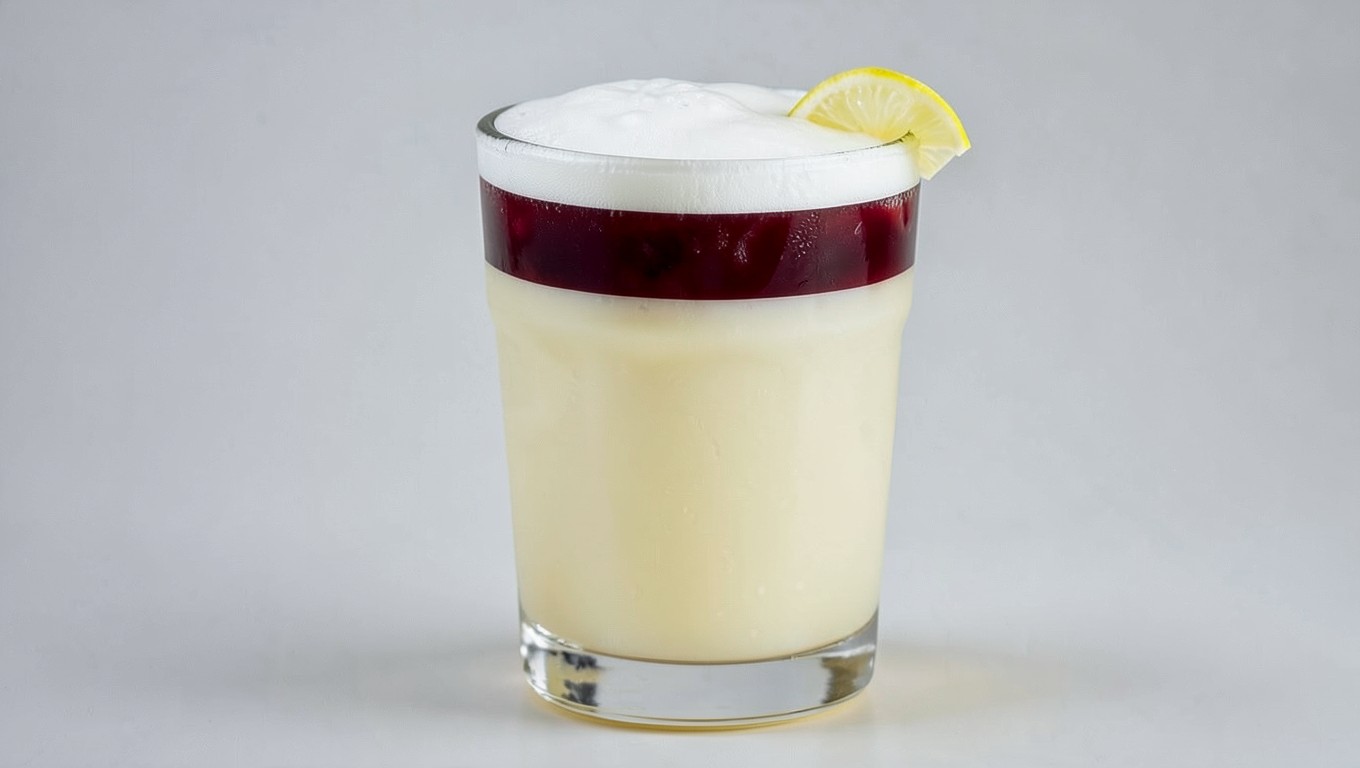
The New York Sour is what happens when a Whiskey Sour grows up and gets a little dramatic. It's the same bright, foamy, lemon-and-bourbon base you know, but finished with a slow pour of dry red wine that settles on top like a deep ruby crown. That wine isn't just for looks, though it is striking. It brings tannin and a tart berry edge that cuts straight through the sweetness of the sugar and the richness of the egg white foam.
You'll see this called a Manhattan Sour, a Brooklyn Sour, or a Southern Whiskey Sour in different bars. Same drink, different geography. What matters is the structure: a properly shaken sour base, a clean strain, and a wine float that stays put. Get those three things right and you have one of the most underrated whiskey cocktails in the American canon.
This version uses a 2:1:0.5 build (bourbon, lemon, simple syrup) with a half-part of egg white and a half-part of dry red wine. It's a drink that asks you to pay attention to technique, but rewards you with a cocktail that looks like it came from a serious bar.
About the New York Sour
The New York Sour emerged from the broader family of whiskey sours, likely gaining popularity in the early 20th century. Its exact origin is murky, but the drink is a clear cousin of the Chicago Sour and the Manhattan Sour, all of which share the signature red wine float. It's traditionally served in a rocks glass or a wine glass, letting the wine layer sit visibly above the pale, foamy sour. The drink gained a foothold in American bar culture as a way to use a splash of leftover red wine to add complexity to a simple, beloved cocktail.
Why it works
- 1The dry red wine adds tannins and acidity that balance the sweetness of the simple syrup.
- 2A reverse dry shake (shaking without ice first) creates a dense, stable foam from the egg white.
- 3The 2:1:0.5 ratio of bourbon to lemon to sugar is the classic sour template that lets the whiskey shine.
- 4Pouring the wine over the back of a spoon keeps it floating on top instead of mixing in.
- 5The egg white gives the drink a silky mouthfeel that carries the sharp lemon and wine flavors.
Ingredients
Serves 1.
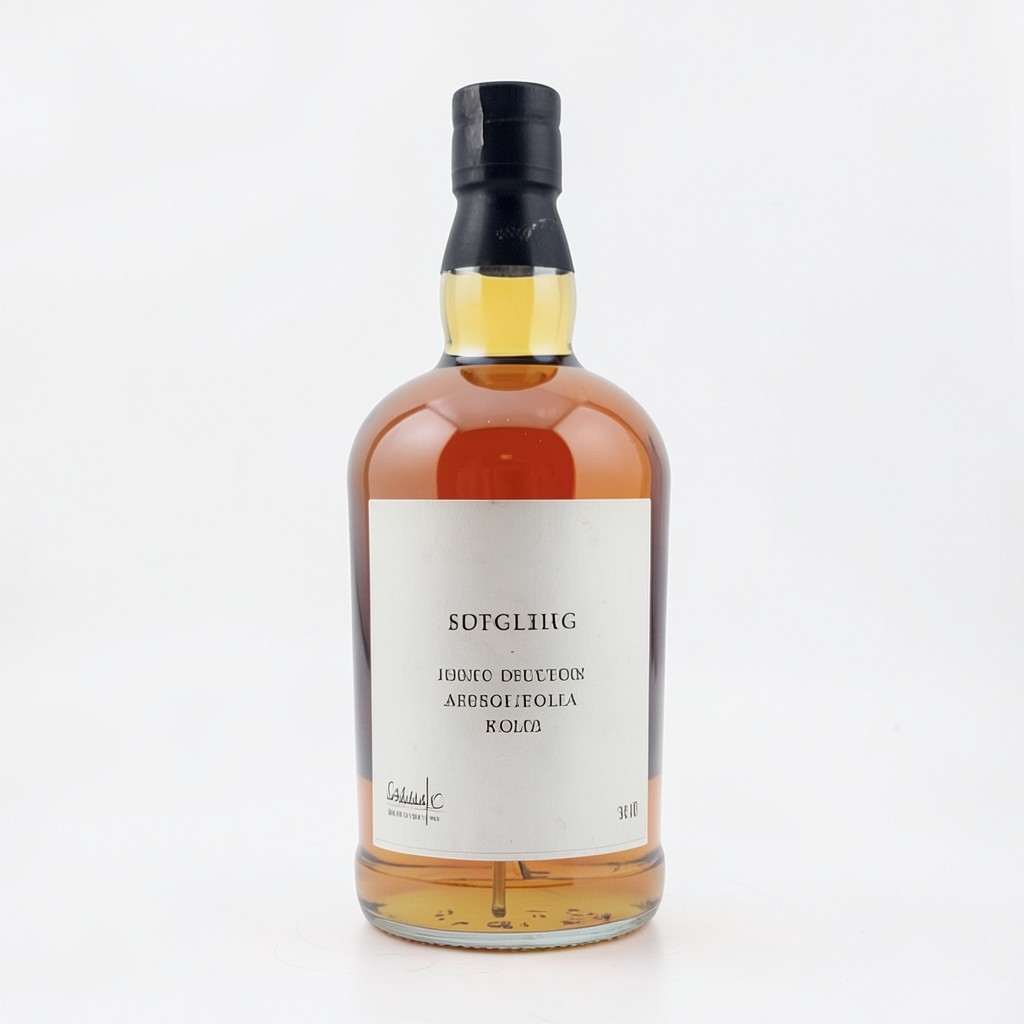 2 oz Bourbon
A rye-forward bourbon stands up to the wine. Use something you'd drink neat.
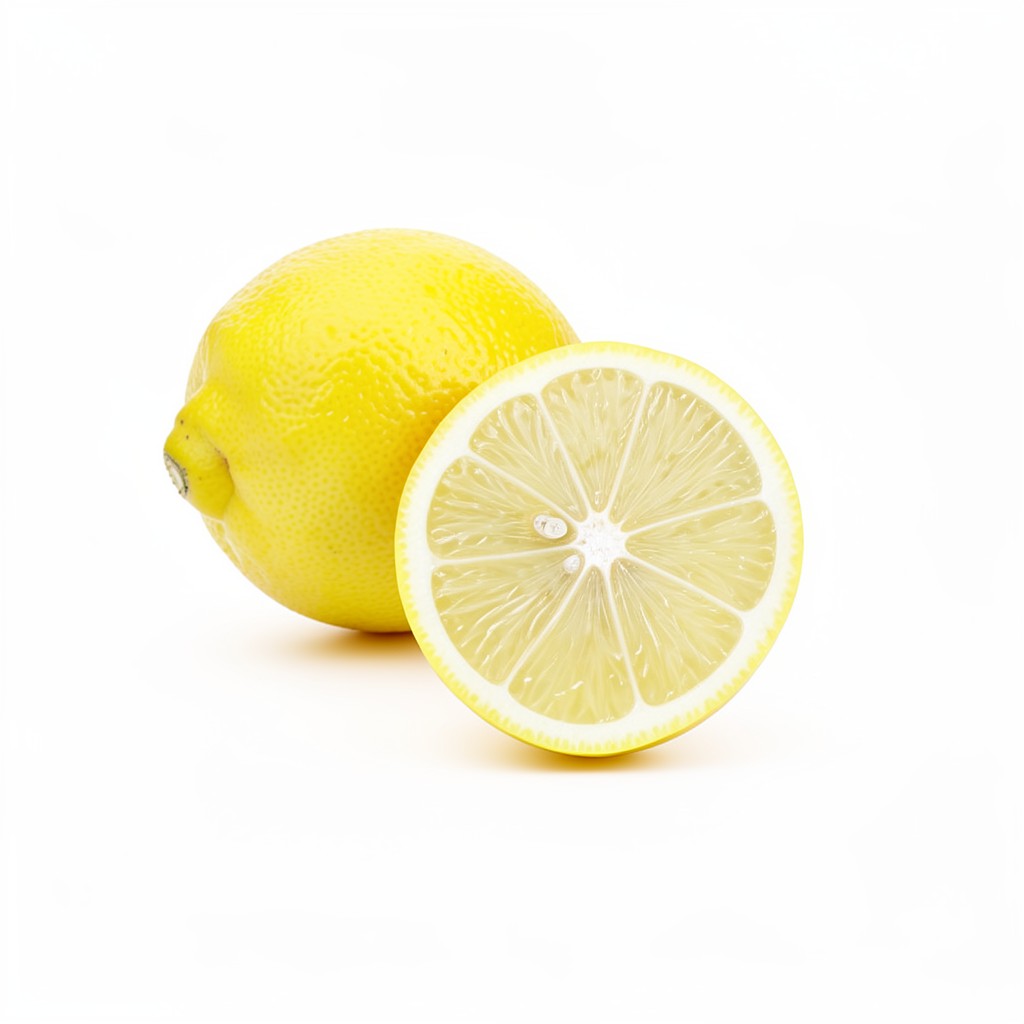 1 oz Fresh lemon juice, strained
Bottled juice is flat and dull. You need the bright, sharp acid to balance the sweetness.
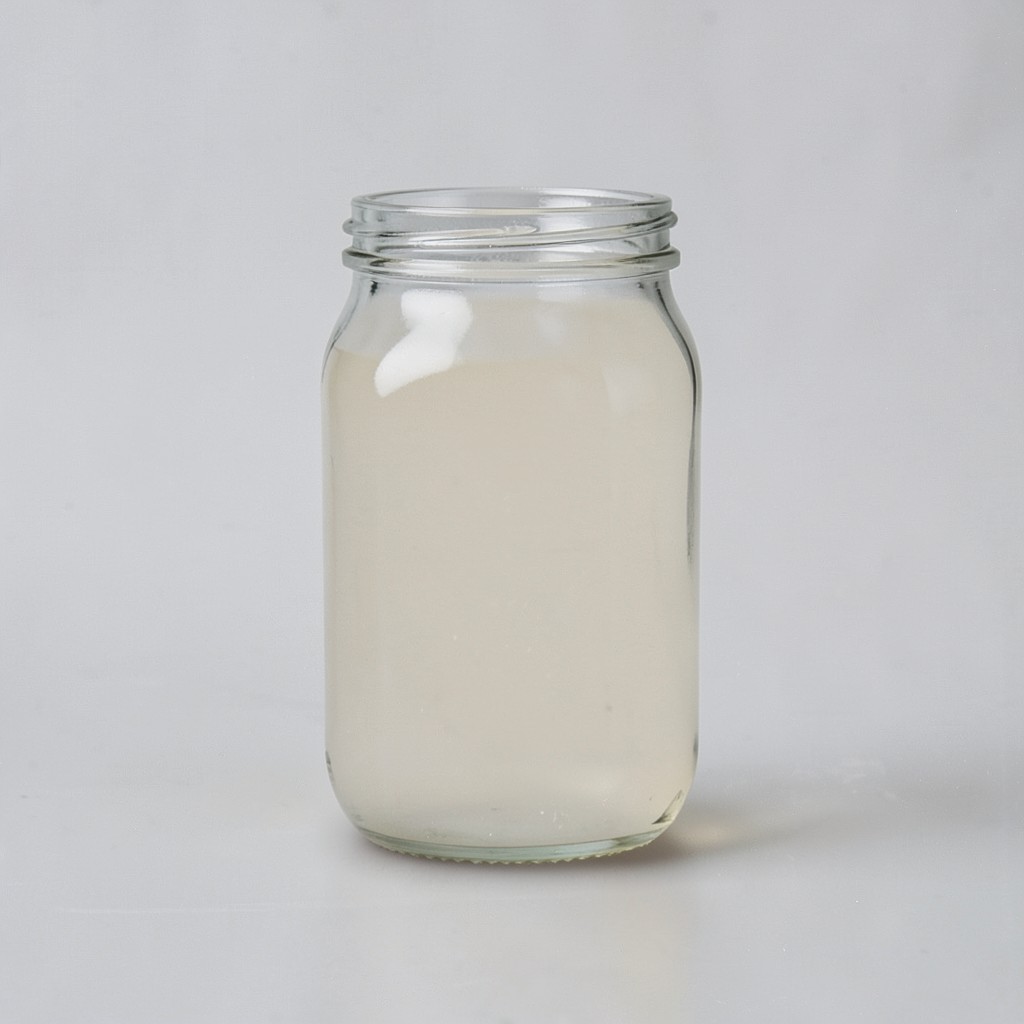 0.5 oz Simple syrup
A 1:1 syrup. Rich syrup (2:1) also works if you want a rounder, less sweet finish.
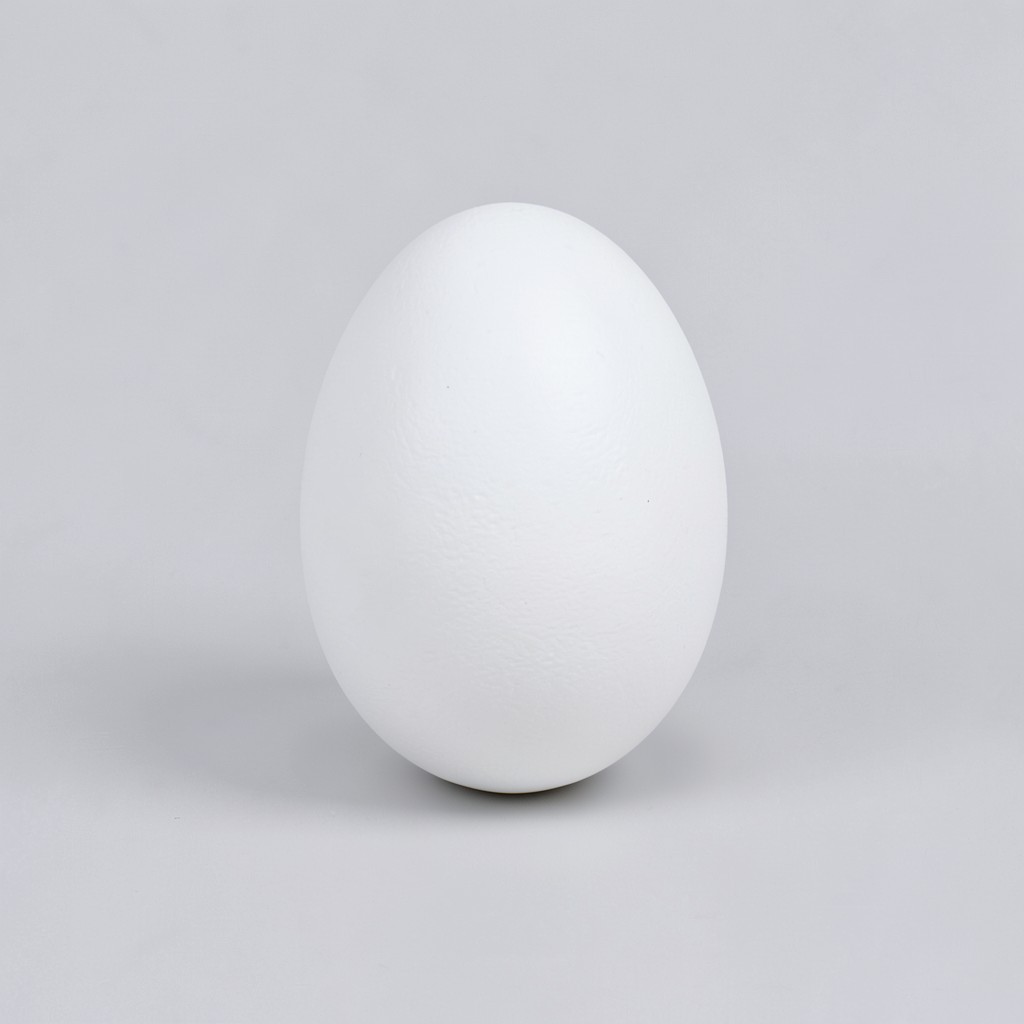 0.5 oz Egg white, from one large egg
This creates the foam. You can skip it for a 'Boston' sour, but it won't have the signature texture.
- 0.5 oz Dry red wine, such as a Cabernet Sauvignon or Malbec
It must be dry. A sweet red will make the drink cloying and the layer will not sit as cleanly.
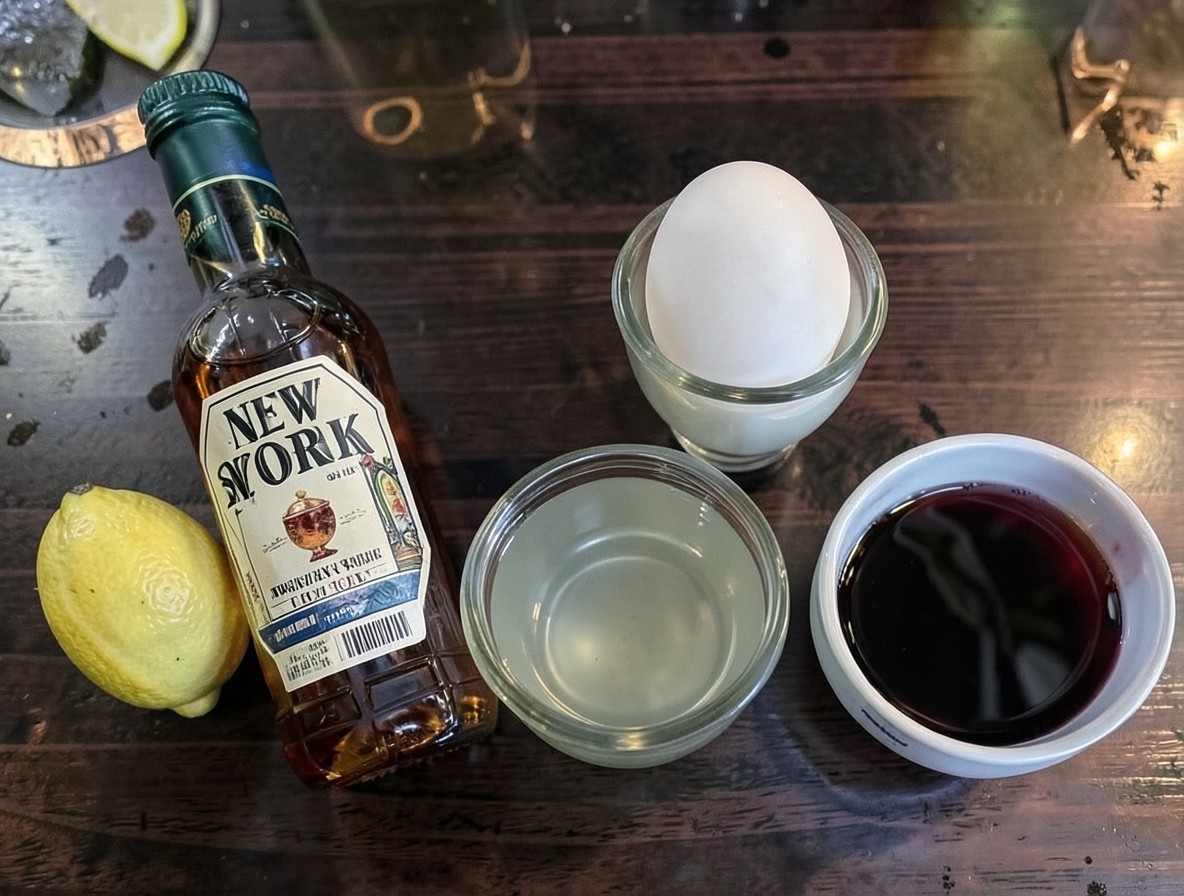
ingredients
Use a bourbon with some backbone—something in the 90-100 proof range works well. The wine is the star of the show, so pick a dry red you'd happily drink; a Cabernet Sauvignon or a Malbec with good structure works best. Avoid anything too fruity or jammy, as it will dominate the whiskey. Fresh lemon juice is non-negotiable here; the difference between fresh and bottled is the difference between a bright, lively drink and a flat, bitter one.
You need: cocktail shaker, jigger, fine strainer, bar spoon.
Method
Dry shake the base
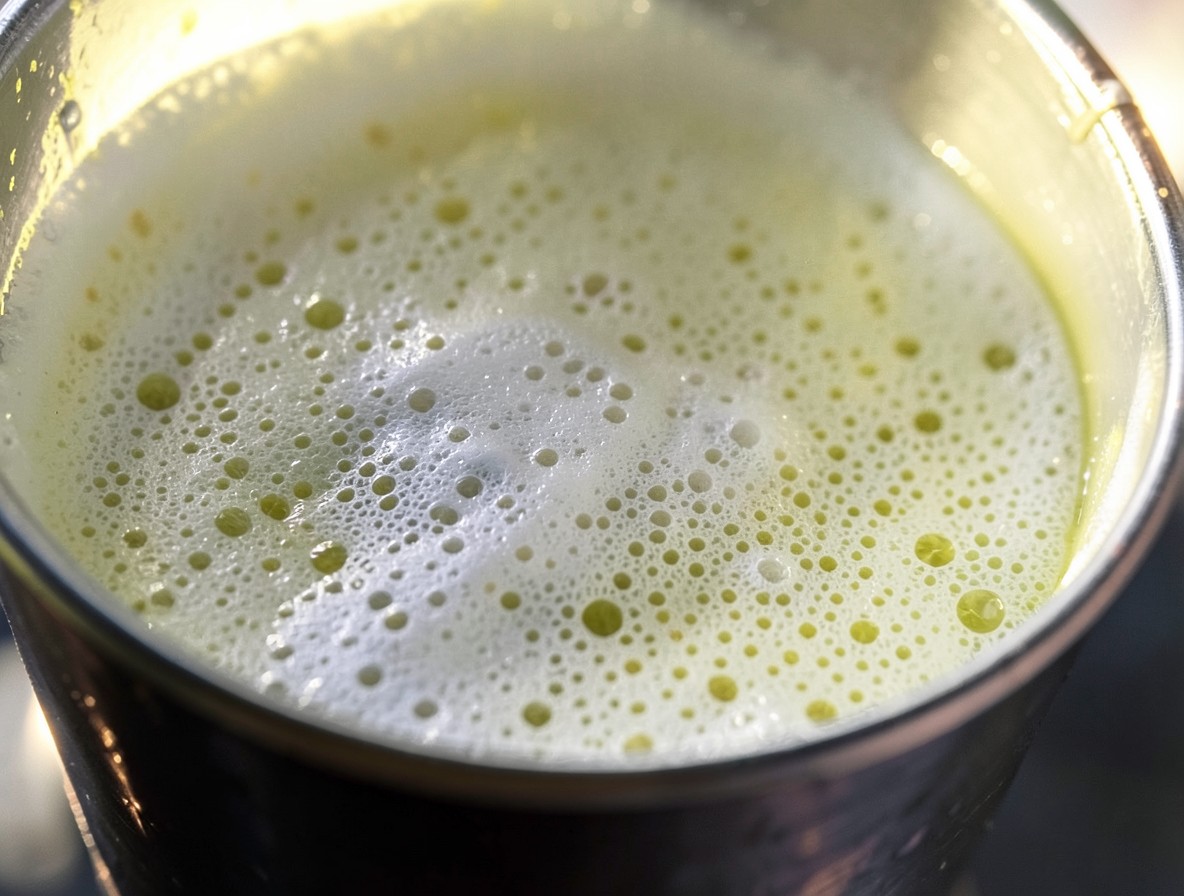
Combine the bourbon, lemon juice, simple syrup, and egg white in a cocktail shaker without any ice. Seal it tightly and shake hard for about 15 seconds. This is the dry shake—it emulsifies the egg white and creates the foam that gives the drink its signature head.
Look for: The mixture should look pale and frothy, with small bubbles forming on the surface.
Common mistake: Skipping the dry shake and going straight to ice. You'll get a thin, watery layer of foam instead of a rich, stable head.
Add a handful of ice cubes to the shaker. Shake hard for another 12-15 seconds. This chills the drink and adds the dilution that pulls the flavors together. You're looking for the shaker to feel frosty cold to the touch.
Look for: The shaker exterior develops a layer of frost, and the sound of the ice becomes quieter as the mixture chills.
Common mistake: Shaking too long. Over-diluting makes the drink watery and washes out the bourbon and wine. Stop when the shaker is frosty, not before.
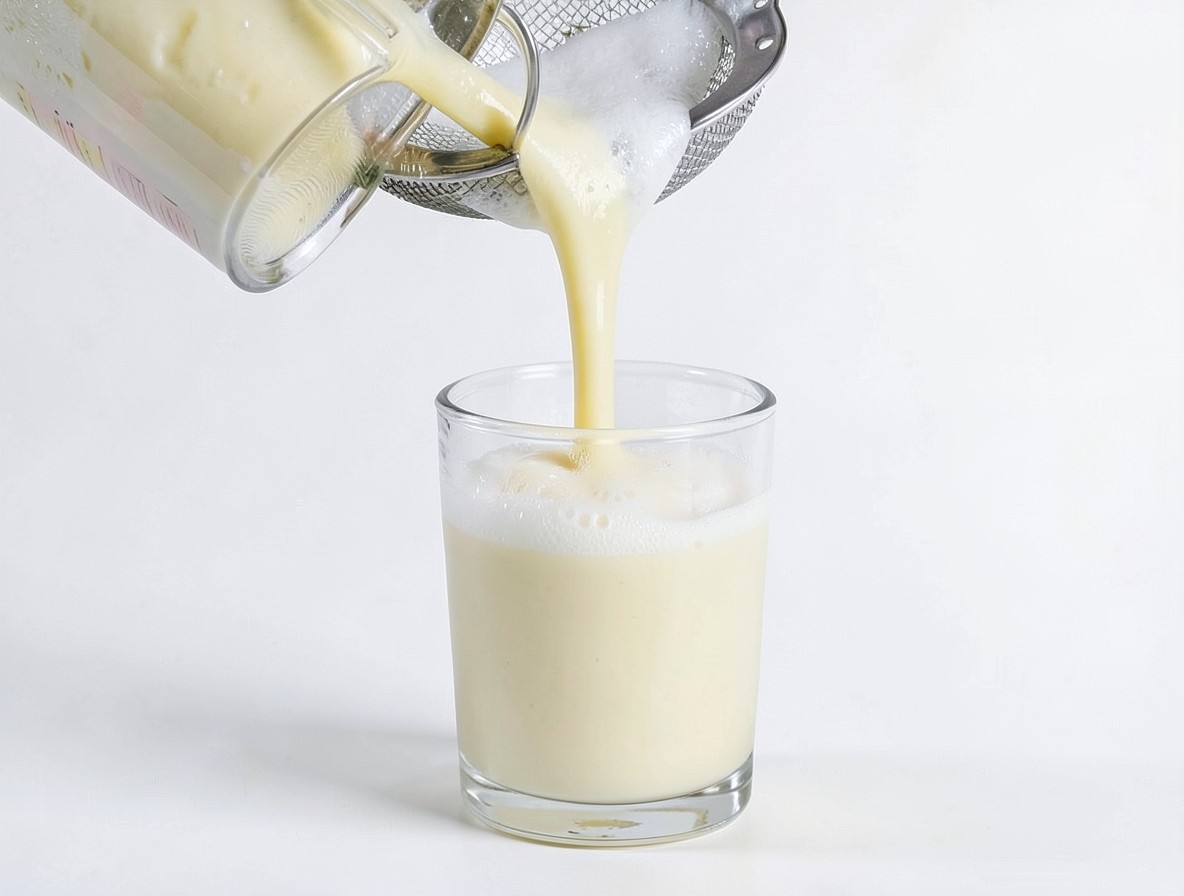
Double-strain the mixture into a chilled rocks glass—use both the shaker's strainer and a fine mesh strainer to catch any ice shards and bits of egg white. Leave about a half-inch of space at the top of the glass for the wine.
Look for: The liquid is pale, creamy, and opaque, with a thick layer of white foam sitting on top.
Common mistake: Pouring all the way to the rim. You need room for the wine float, and if the glass is too full, the wine will just sink.
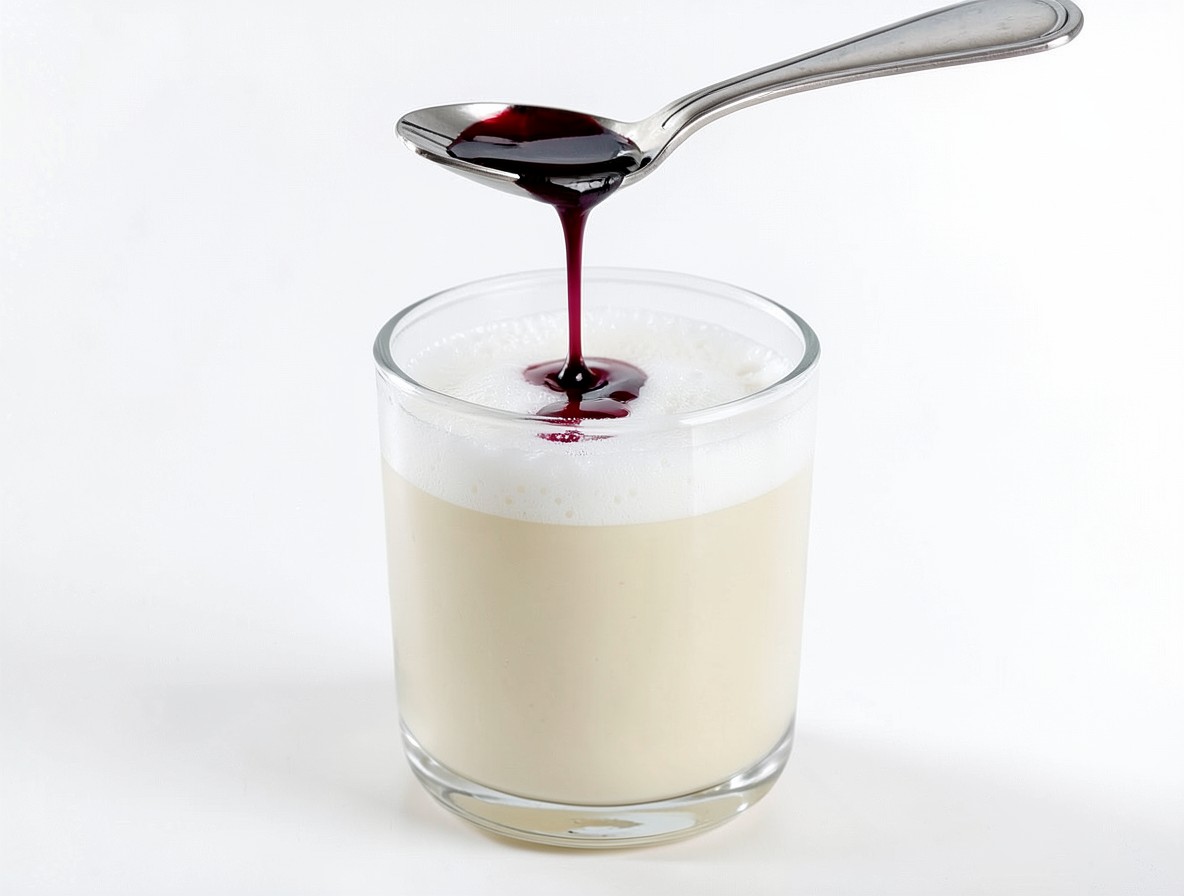
Hold a bar spoon upside down so the bowl is just above the surface of the drink. Slowly pour the red wine over the back of the spoon. It should settle gently on top of the foam. If you pour too fast, the wine will sink and muddy the drink.
Look for: A clean, deep ruby layer of wine rests on top of the pale foam. The two layers are distinct and don't mix.
Common mistake: Pouring the wine directly into the drink. It will sink to the bottom and you'll lose the entire point of the float. Always use the back of a spoon.
Tips from the bar
- 1Chill your glass ahead of time. A cold glass keeps the foam stable and the drink crisp.
- 2Use a fresh, cold egg. The white whips up better and the foam is more stable.
- 3If you're nervous about the float, pour the wine from a small jigger instead of directly from the bottle for more control.
- 4A lemon peel expresses citrus oils over the top of the wine and adds a bright, aromatic note that lifts the whole drink.
- 5For a richer version, use a 2:1 simple syrup (two parts sugar to one part water) and cut the amount to a scant half-ounce.
Variations
- Boston Sour: Omit the wine float entirely. It's a classic whiskey sour with egg white.
- Manhattan Sour: Use rye whiskey instead of bourbon for a spicier, drier base.
- Smoked New York Sour: Add a few drops of liquid smoke to the bourbon before shaking for a campfire twist.
- Rum Sour: Swap the bourbon for a dark, aged rum. The wine float still works beautifully with the molasses notes.
Substitutions
- Aquafaba (chickpea water): Use 0.5 oz in place of the egg white for a vegan version. It foams similarly, though the texture is slightly less rich.
- Rye whiskey: Replaces bourbon with a spicier, drier character that pairs well with the wine.
- Maple syrup: Replaces simple syrup with a deeper, earthier sweetness. Use slightly less, as maple is more intense.
Serving, storing, batching
Serve it as a sophisticated pre-dinner cocktail or an evening sipper. The tart, dry profile pairs beautifully with rich foods like roasted meats, aged cheeses, or dark chocolate desserts.
This is a drink to make fresh. The foam collapses and the wine layer mixes within minutes, so do not batch or store it. If you want to prep ahead, mix the bourbon, lemon, and syrup in a bottle and shake with egg white and ice when ready to serve.
For a party, scale the base ingredients (bourbon, lemon, syrup) in a large pitcher and refrigerate. When ready, shake each portion individually with egg white and ice—the foam requires per-drink shaking. Float the wine on each glass right before serving.
Questions people ask
A Boston Sour is a Whiskey Sour made with an egg white. A New York Sour is a Boston Sour topped with a float of dry red wine. The wine adds a tart, tannic layer that changes the drink's character completely.
The exact origin is disputed, but it's a regional name for a whiskey sour with a red wine float, similar to the Chicago Sour or the Manhattan Sour. Each city seems to have had its own name for the same drink in the early 1900s.
A classic Whiskey Sour is just bourbon, lemon juice, and sugar. A New York Sour adds an egg white for a silky foam and finishes with a float of red wine. The wine is the defining element.
Use a dry red wine with good structure, like a Cabernet Sauvignon, Malbec, or a dry Shiraz. The wine needs to be tannic and tart to balance the sweet sour base. Avoid sweet reds like Port or Lambrusco.
Yes, you can make a 'New York Sour' without egg white. It will be less silky and have a thinner mouthfeel, but the wine float and the core flavors will remain. The drink is more tart and direct without the foam.
A high-rye or high-proof bourbon, like a Bottled-in-Bond or a 100-proof option, works best. The rye spice stands up to the wine, and the higher proof prevents the drink from tasting watery after shaking.
Pour the wine over the back of a bar spoon held just above the surface of the drink. The spoon breaks the fall of the liquid, allowing it to spread gently across the foam rather than plunging through it.
It's a spirit-forward cocktail, approximately 22% ABV. With two ounces of bourbon, it's a single, substantial drink meant to be sipped slowly, not chugged.
It's a balance of tart lemon and dry, tannic wine on the finish, with a rich, sweet bourbon core. The egg white gives it a creamy, velvety texture that smooths out the sharp edges.
Last word
The New York Sour is a classic for a reason. It's a simple drink that looks complicated and tastes even better than it looks. Shake one up tonight and see why the red wine float never went out of style.