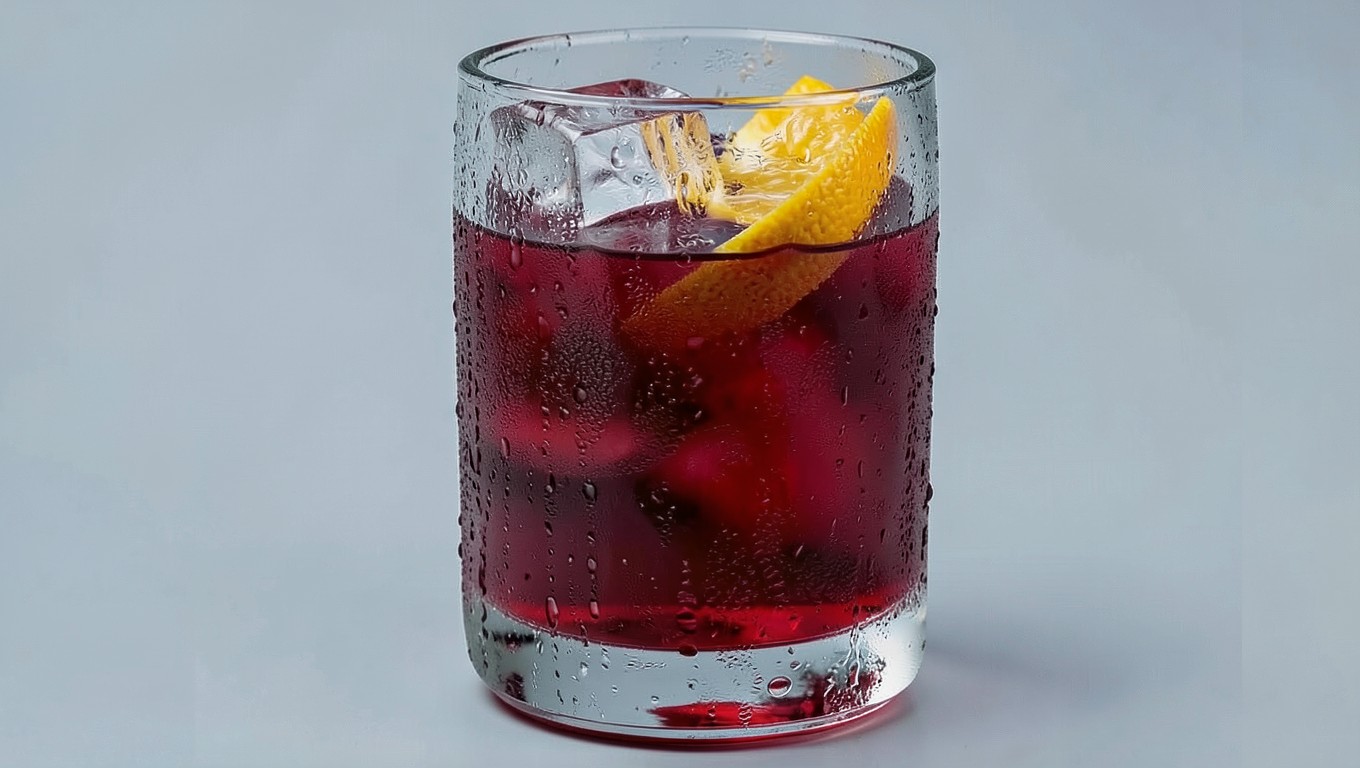
The Negroni, Made Properly
A Negroni is a classic Italian cocktail made with equal parts London Dry gin, Campari and sweet vermouth. It's bitter, herbal and slightly sweet with a warming alcohol backbone. Stir it with ice for about 30 seconds, strain over a large cube and garnish with orange peel. It takes 7 minutes and serves one.

- Basegin
- Strength29% ABV, approximate
- Methodstir
- Glassrocks
- Icelarge cube
- Difficultyeasy
- Total3 min
- Serves1
- Bitter
- Herbal
- Sweet
- Spirit-forward
- Mixing glass
- Bar spoon
- Jigger
- Fine strainer
- Rocks glass
The Negroni asks for nothing and gives everything. Three ingredients, equal parts. If you can measure, stir and pour, you can build one that stands up to anything poured in a fancy bar. It's bitter first, then sweet, then somehow both at once, with a botanical warmth that lingers well after the glass is empty. This version sticks to the classic structure because the classic structure works. You stir it, you don't shake it, and you serve it over a single large cube so the dilution stays slow and the drink stays cold without turning watery in the first three minutes. The Negroni recipe you find here is the one we actually make behind a bar, not the one written for a stylist's photo shoot. You'll have it built and chilled before your kettle boils for tea.
About the Negroni
The Negroni comes from Florence, Italy. Its story is tangled enough that we're not going to pretend there's a single true version. What we know for sure: it's a bitter-sweet aperitivo built on equal parts gin, Campari and sweet vermouth, served over ice, usually with an orange peel. It sits in the same family as the Americano, which swaps gin for soda water, and it's often credited to Count Camillo Negroni, who reportedly asked the barman to stiffen his Americano with gin in the early 1900s. Whether that's fact or bar folklore is anyone's guess. What matters is the drink itself — it became the blueprint for a whole category of spirit-forward cocktails, and it's still the one bartenders measure every bitter-sweet drink against. Campari is the non-negotiable heart of it; swap it for Aperol and you have a different drink entirely, one that's lighter and sweeter and not a Negroni in the proper sense.
Why it works
- 1Equal parts gin, Campari and sweet vermouth create a single balanced flavor block where no one ingredient dominates.
- 2Campari's bitter edge cuts the sweetness of the vermouth while the gin's botanicals bridge both, so the drink finishes dry instead of cloying.
- 3Stirring with ice chills and dilutes the drink to around 20-25% water, which rounds out the alcohol heat without flattening the flavors.
- 4A large single cube melts slowly, keeping the Negroni cold and consistent instead of watering it down fast like crushed ice would.
- 5Orange peel expresses oils that sit on the surface and soften the bitter finish, adding a bright citrus note that ties the drink together.
Ingredients
Serves 1.
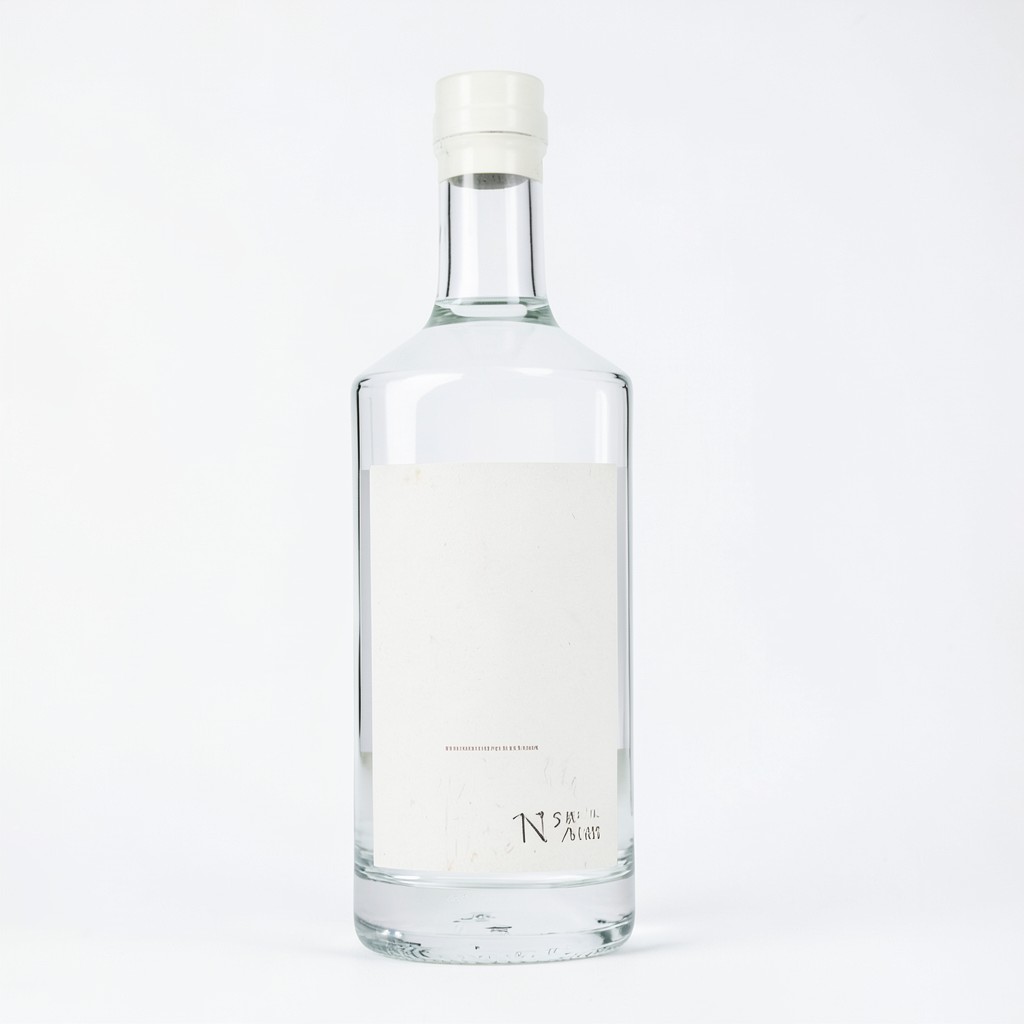 1 oz London Dry Gin, chilled
A classic London Dry like Beefeater or Tanqueray has the juniper backbone that holds up to Campari's bitterness.
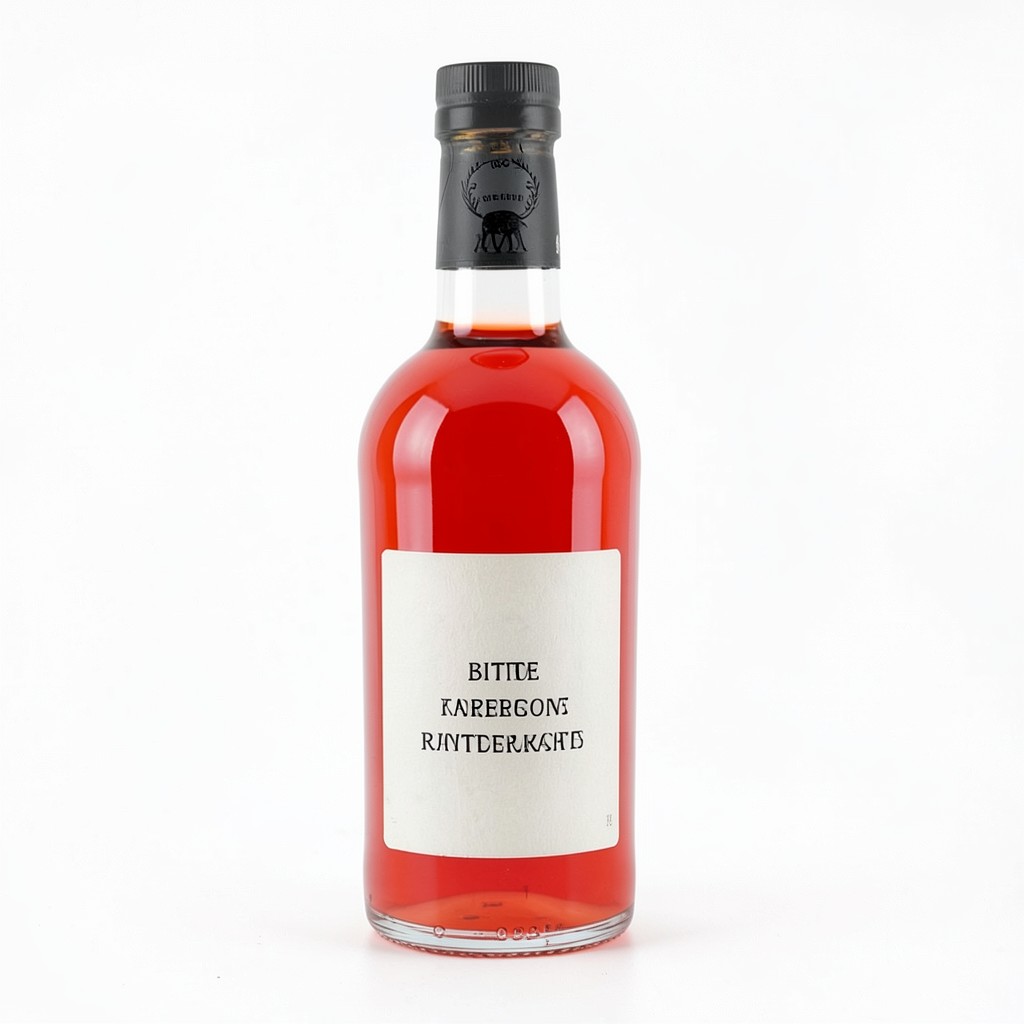 1 oz Campari
Campari is the bitter heart of the drink; its distinctive flavor is what makes it a Negroni.
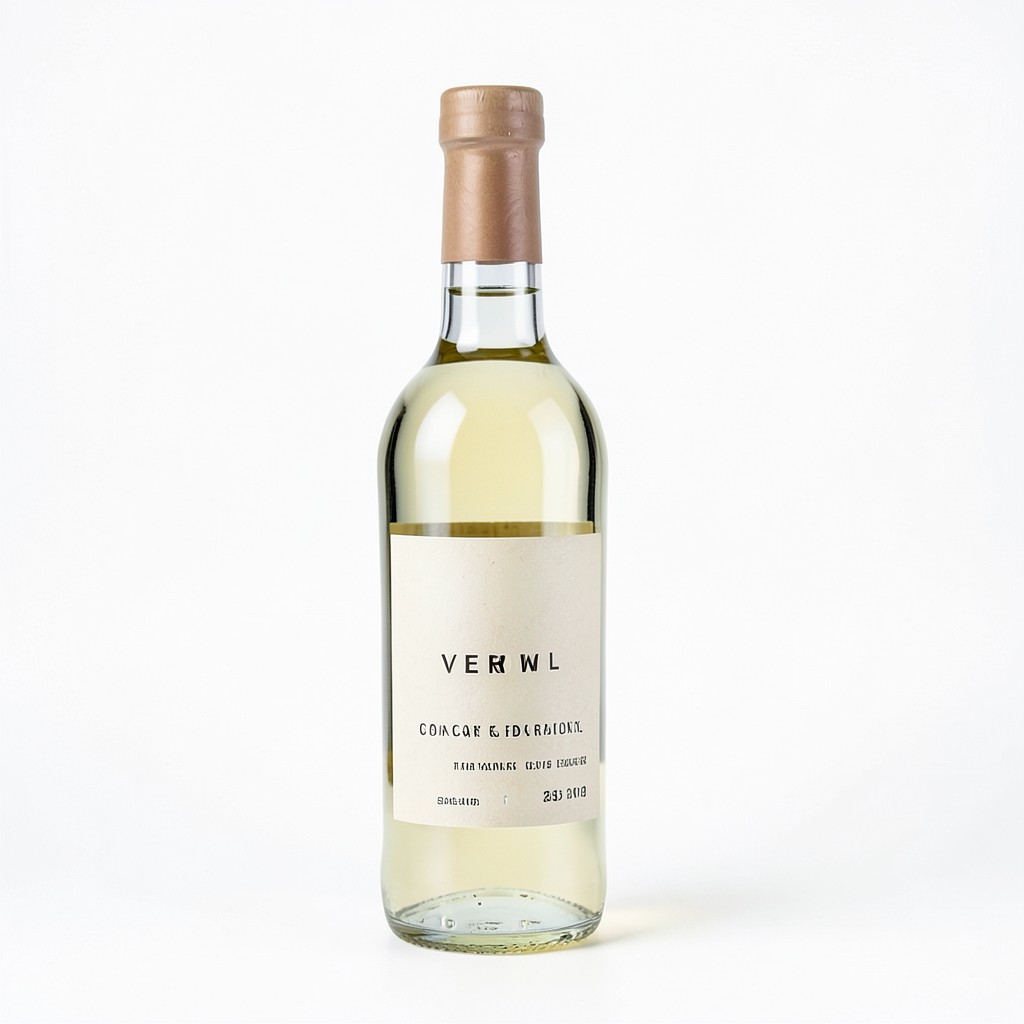 1 oz Sweet Vermouth
Carpano Antica is rich and vanilla-forward; Cocchi Vermouth di Torino is lighter and more herbal. Both work.
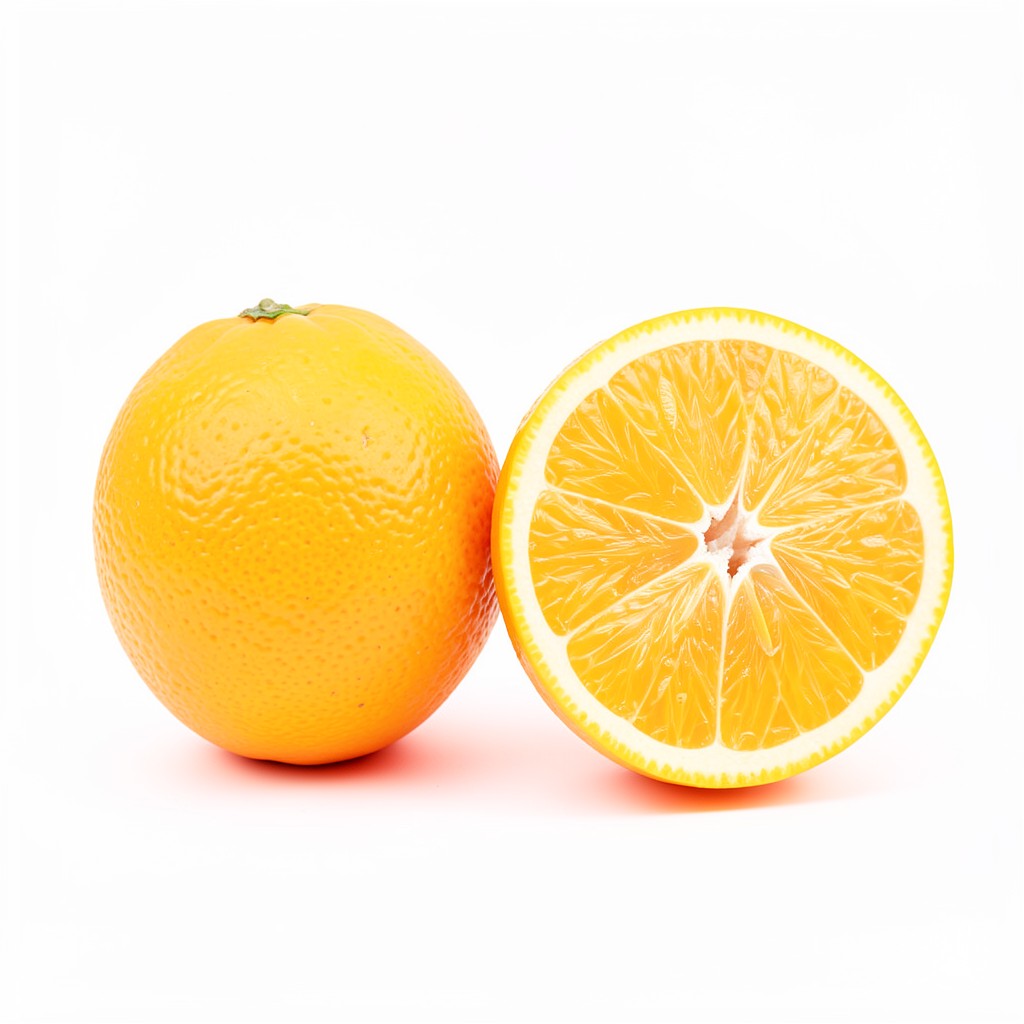 1 piece Orange Peel, about 1 inch long, no pith
A fresh, thick strip of orange zest oils the surface and brightens the bitter profile.
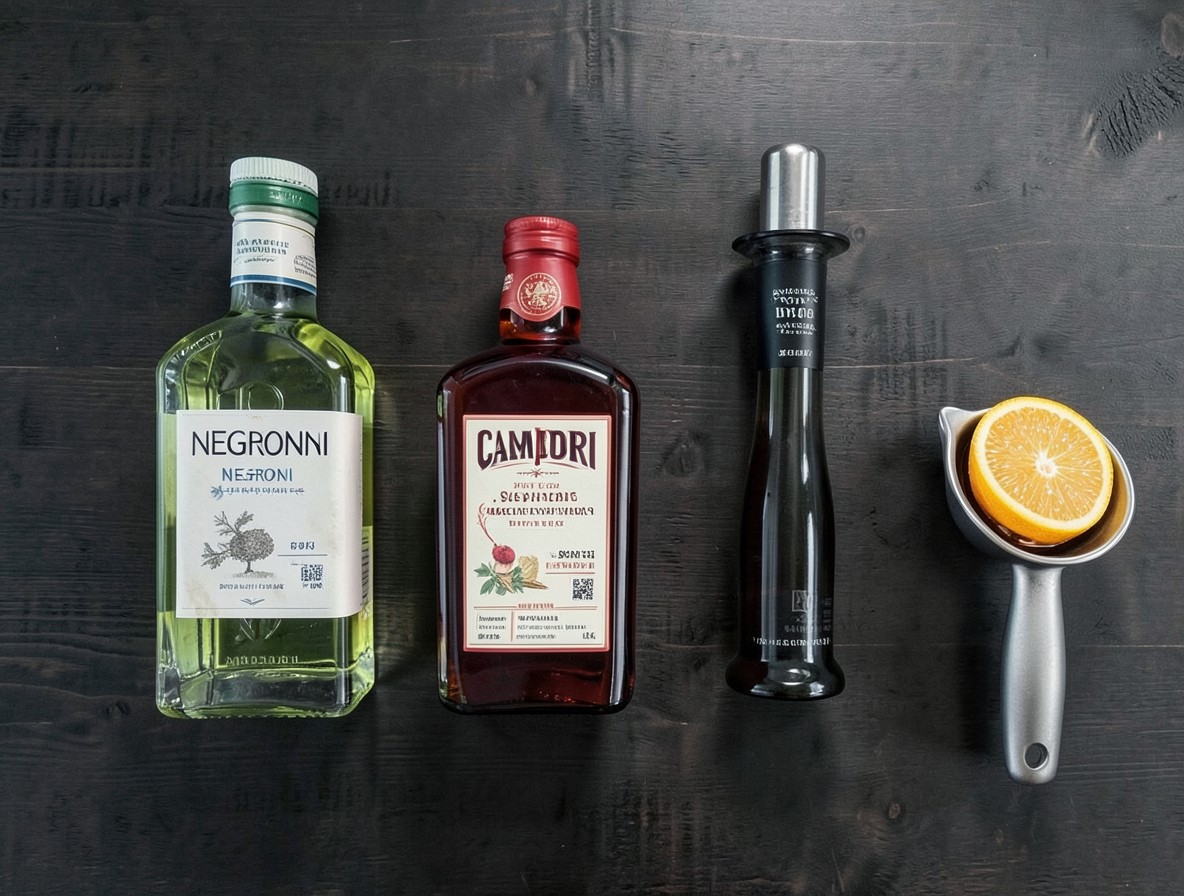
ingredients
Gin is the backbone here, so pick one that's juniper-forward. A barrel-aged or citrus-led gin will change the whole character, and not always for the better. Sweet vermouth is where you can really make this drink yours. Carpano Antica Formula brings a rich vanilla and raisin depth, while Cocchi Vermouth di Torino is brighter with more spice. Both are standard in our bar. Campari is not negotiable. If you want the lighter, sweeter cousin, that's an Aperol spritz with gin, and it's a different drink entirely. For the orange peel, use a vegetable peeler to get a strip without the white pith. The pith is bitter in the wrong way and can make the drink harsh on the nose.
You need: mixing glass, bar spoon, jigger, fine strainer, rocks glass.
Method
Chill your glass and measure
Fill your rocks glass with ice and water to chill it while you work. Then measure 1 oz gin, 1 oz Campari and 1 oz sweet vermouth into your mixing glass. That's the whole recipe. There's nothing else to weigh or measure.
Look for: The three liquids sit in the mixing glass in distinct layers before stirring, with the gin clear on top, Campari red in the middle and vermouth settling at the bottom.
Common mistake: Skipping the glass chill. A warm glass melts your ice faster, and the drink dilutes too much before it's even in front of you.
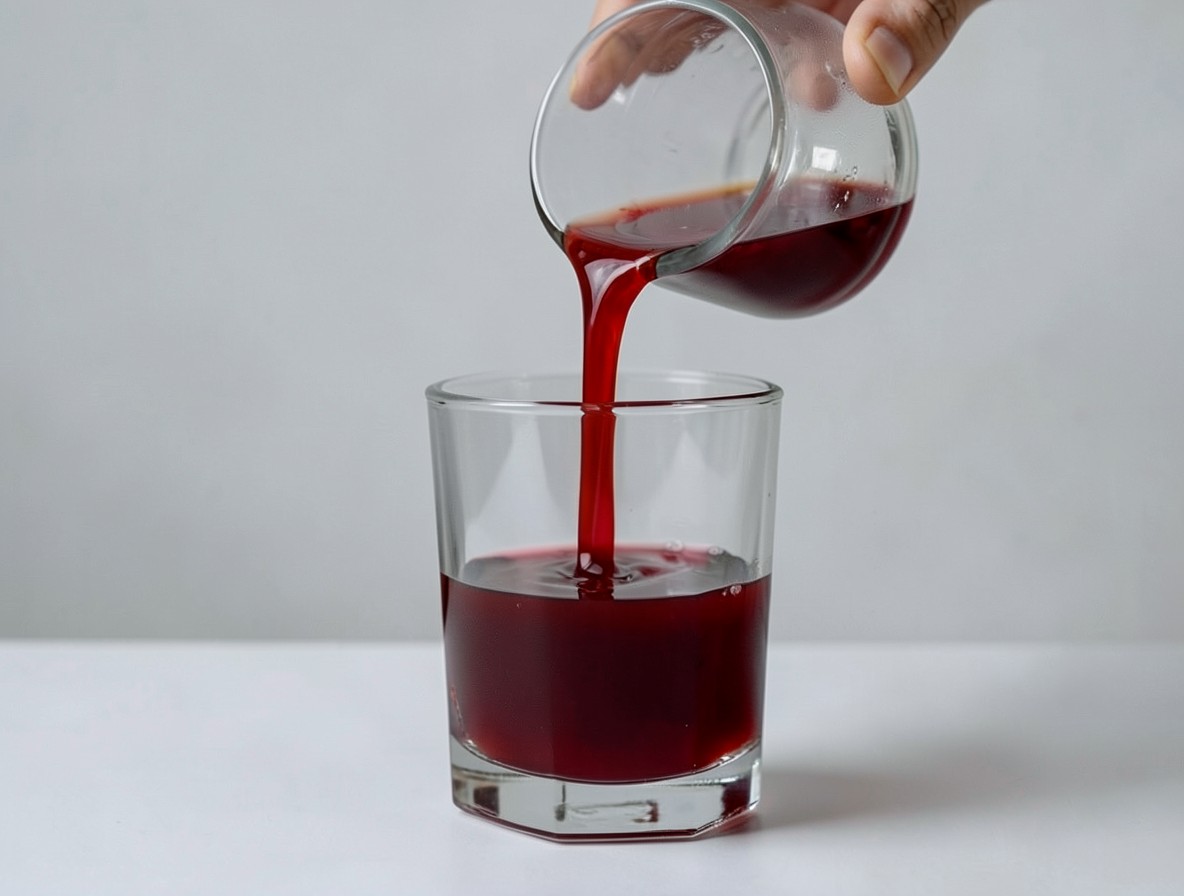
Fill the mixing glass with large ice cubes and stir gently for 30 seconds using a bar spoon. You're chilling and diluting at the same time. The water from the ice is what rounds out the bitter edge. Ten seconds of stirring is not enough; it needs the full 30 to bring the drink to about 20% dilution.
Look for: The liquid becomes a deep, translucent ruby as the three ingredients merge, and the outside of the mixing glass fogs up from the cold.
Common mistake: Shaking the Negroni. It aerates the drink and breaks the vermouth's texture, leaving it cloudy and slightly foamy instead of smooth and silky. Stirring keeps the drink clear and heavy on the palate.
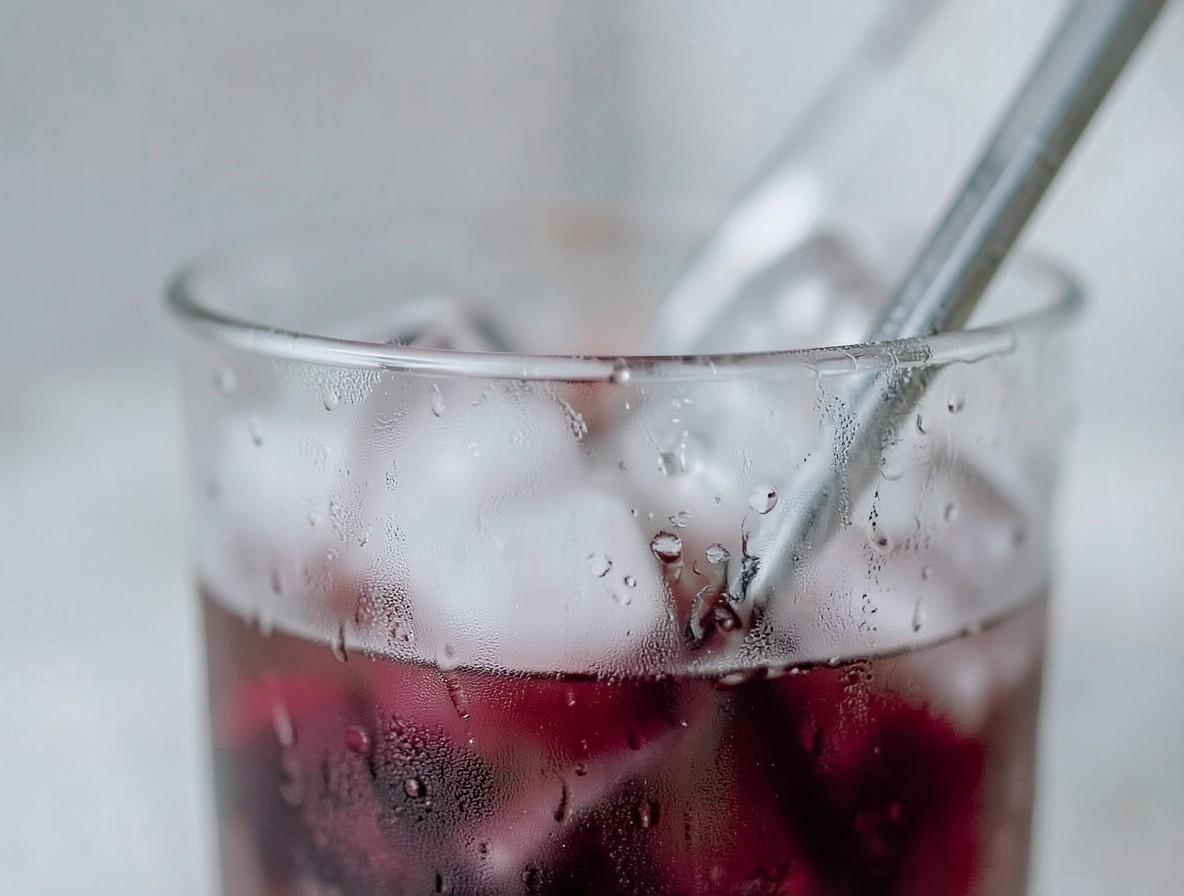
Discard the ice and water from your rocks glass, then add one large, clear ice cube. Strain the stirred drink from the mixing glass into the glass, using a fine strainer if you want to catch any tiny ice shards. The large cube keeps the drink cold without melting fast.
Look for: The drink pours a clean, deep ruby into the glass, settling over the single cube that sits clear and unclouded against the glass.
Common mistake: Using crushed or multiple small cubes. They melt fast and turn the Negroni watery before you're halfway through. One large cube is the difference between a great drink and a diluted one.
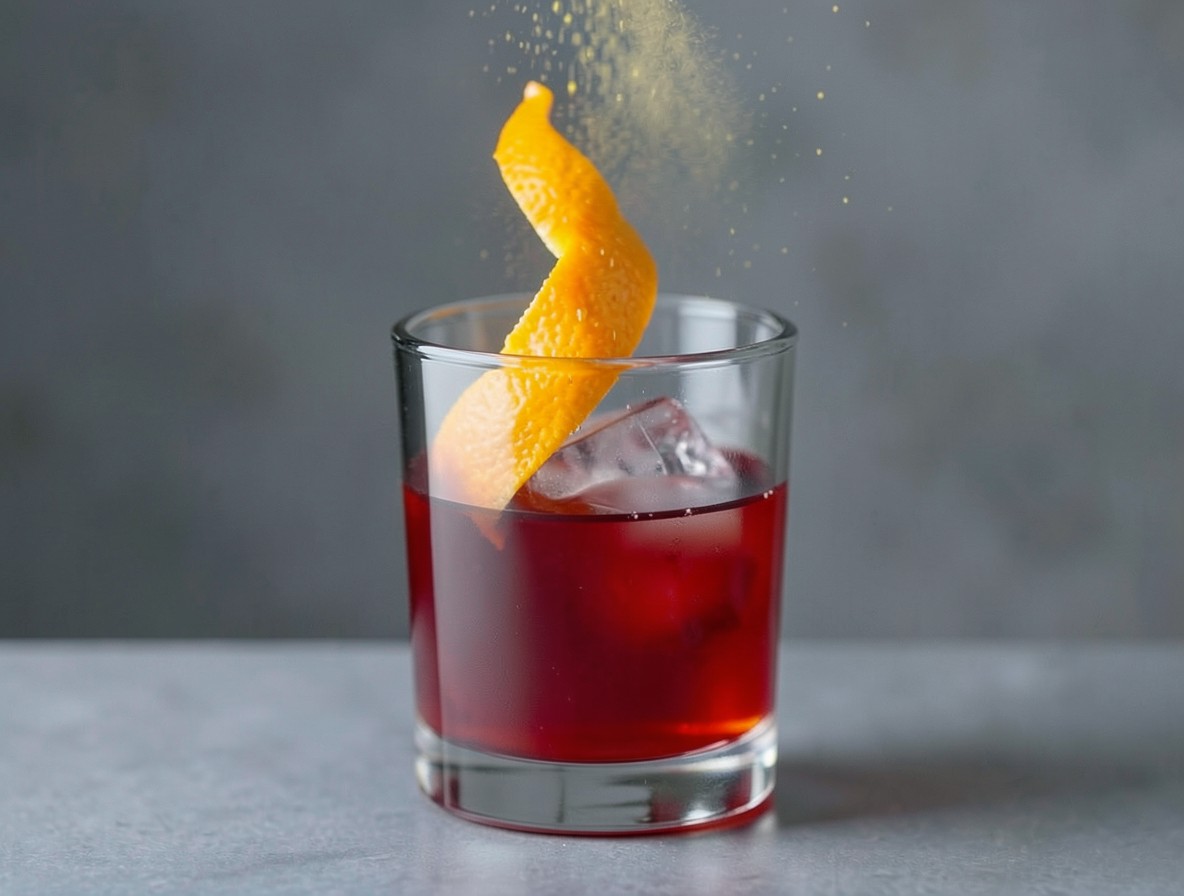
Take a strip of orange peel, about 1 inch long and free of white pith. Hold it over the glass, skin side down, and pinch it sharply so the oils spray across the surface of the drink. Then rub the peel around the rim and drop it in.
Look for: A fine mist of orange oil shimmers on the surface of the drink, and the peel sits on top, releasing a bright citrus scent that cuts through the bitter aroma.
Common mistake: Using a thin strip or one with pith attached. It won't express enough oil, and the pith adds a harsh, bitter note that fights the Campari instead of complementing it.
Tips from the bar
- 1Use a jigger, not a shot glass. The difference between 1 oz and 1.25 oz in one part is enough to unbalance the whole drink.
- 2Chill the gin bottle itself if you have time — the colder the base spirit, the less ice you melt during stirring.
- 3If you only have a small cube, stir for 20 seconds instead of 30 to account for the faster dilution.
- 4Rinse your mixing glass with a bit of the vermouth before measuring if you want an extra-soft finish — it coats the glass with sweetness.
- 5For a colder drink without extra dilution, freeze the rocks glass itself for 10 minutes before building the drink.
Variations
- Boulevardier: swap the gin for bourbon or rye whiskey. Same equal parts, same technique, but the whiskey brings a smoky, vanilla warmth that changes the drink entirely.
- White Negroni: replace Campari with Suze or Cynar and the sweet vermouth with Lillet Blanc. It's delicate and floral, with less bitterness — a completely different expression of the same structure.
- Mezcal Negroni: swap the gin for mezcal. The smokiness pairs surprisingly well with Campari's bitterness and the vermouth's sweetness. Just know it's a heavier drink.
- Negroni Sbagliato: equal parts sweet vermouth and Campari, topped with prosecco instead of gin. It's lighter and sparkling, perfect for the porch.
Substitutions
- Gin: can't be swapped easily, but a less juniper-forward gin like Hendrick's will make a softer, floral Negroni — trade-off is a less classic profile.
- Campari: Aperol is lighter and sweeter, so you'd need 1.5 parts Aperol to 1 part gin and 1 part vermouth to come close to the same balance. It won't be a Negroni, but it's a good drink.
- Sweet vermouth: any good sweet vermouth works, but a cheap one will make the drink thin and harsh. Use something you'd drink on its own.
- Orange peel: a lemon peel works in a pinch — it's brighter and less sweet, but it changes the finish.
Serving, storing, batching
Serve the Negroni with a small bowl of salted almonds or green olives. The salt cuts the bitterness and lets the herbal notes open up, and the fat from the nuts softens the alcohol's warmth. It's an aperitivo through and through, so you want something that's more of a nibble than a meal.
The Negroni is best built fresh — there's nothing to store once it's mixed. You can pre-batch the three ingredients in a bottle and keep it in the fridge for up to a month; just stir with ice before serving and account for the fact that it will be less diluted than a freshly stirred one.
To batch for a party, mix 8 oz gin, 8 oz Campari and 8 oz sweet vermouth in a pitcher with a large ice block. Stir gently for 30 seconds, strain into a bottle, and pour each serving over a fresh large cube. Account for the initial dilution of the batch, about 20%, by using slightly less ice during the batching stir.
Questions people ask
Yes, a Negroni is a strong drink at about 29% ABV before dilution. After stirring with ice, it lands closer to 24% ABV. The bitterness from Campari masks the alcohol warmth, so it drinks faster than it should — take your time with it.
A classic Negroni is made with equal parts London Dry gin, Campari and sweet vermouth. You stir the three ingredients with ice to chill and dilute, then strain over a large ice cube and garnish with an orange peel. That's the entire recipe.
Negroni means black or dark in Italian, and it refers to the drink's deep ruby color. The name is also tied to Count Camillo Negroni, who is credited with creating the drink in Florence in the early 20th century.
A classic Negroni is made of one part gin, one part Campari and one part sweet vermouth. The only garnish is a strip of orange peel. Serve it over a large ice cube in a rocks glass.
Campari is the traditional choice and gives the Negroni its signature bitter depth. Aperol is sweeter and lighter, so it produces a different drink entirely — closer to a spritz. If you want a true Negroni, use Campari. If you want something softer, try Aperol.
The three ingredients in a Negroni are gin, Campari and sweet vermouth, in equal parts. Each one plays a role: the gin provides the juniper backbone, Campari brings the bitterness, and the sweet vermouth rounds it out with sweetness and body.
The secret is in the stirring time. You need the full 30 seconds of stirring with large ice to get the dilution right, and you need a large single cube in the glass so the drink stays cold without watering down. Also, use a quality sweet vermouth.
It's a great first cocktail to make because it only has three ingredients and one technique. The challenge is getting the dilution right, but after one or two attempts, you'll have it down. It's a drink that teaches you how much stirring matters.
A classic London Dry gin like Beefeater, Tanqueray or Gordon's works best. These have enough juniper and botanicals to stand up to Campari's bitterness. Avoid floral or cucumber-forward gins, which get lost in the mix.
Stirred, always. Shaking aerates the drink and breaks down the vermouth's texture, leaving it cloudy. Stirring keeps it smooth and silky with a clear appearance, which is how a spirit-forward drink should be.
The bitterness is from Campari, and it's meant to be there, but an overly bitter Negroni usually means your vermouth is too weak or old. Fresh, quality sweet vermouth balances the Campari. A cheap or oxidized vermouth will leave the bitterness tasting harsh.
The classic recipe serves one person in a single rocks glass. If you're batching, multiply the equal parts by the number of guests — for four people, use 4 oz of each ingredient and stir everything together before pouring.
Last word
A Negroni is three ingredients and thirty seconds of technique. Master the stir, keep a good vermouth on hand, and you'll have a drink that works any time the evening asks for something substantial. Make one the next time the night needs to slow down.