The Long Island Iced Tea Recipe That Lives Up to the Legend
A Long Island Iced Tea is a high-ABV cocktail mixing equal parts vodka, rum, gin, tequila, and triple sec with sour mix and a cola top. It takes about 3 minutes to make one serving and looks like iced tea but packs serious punch.

- Basevodka
- Strength22-24% ABV, approximate
- Methodshake
- Glasshurricane
- Icecracked
- Difficultyeasy
- Total3 min
- Serves1
- Citrus-forward
- Sweet
- Boozy
- With a subtle cola finish
- Cocktail shaker
- Jigger
- Strainer
- Bar spoon
- Highball or hurricane glass
The Long Island Iced Tea is a drink that does not apologize. Five base spirits, a splash of triple sec, sour mix to hold it together, and a cola top that turns the whole thing the color of sweet tea. It's a drink designed to hide its strength behind a familiar face, and it does that job almost too well.
You've probably had a bad one—syrupy sweet, or sharp enough to make you wince. The good ones are balanced: the sour mix cuts the alcohol heat, the cola adds just enough caramel depth, and the lemon keeps everything bright. It's a build drink, not a cocktail that rewards precision the way a Martini does, but the ratios still matter.
This version sticks to the classic proportions and shows you where most bars go wrong. The result is a Long Island iced tea that drinks easier than it should, which is exactly the point. Just remember what's in the glass.
About the Long Island Iced Tea
The Long Island Iced Tea's origin is disputed—several bars claim to have invented it, with stories dating back to the 1970s. What's certain is that it emerged as a party drink designed to deliver maximum alcohol while tasting deceptively mild. The name comes from its resemblance to iced tea, not from any actual tea in the recipe.
It's typically served in a tall glass over ice, built rather than shaken, and finished with a cola float. The drink's cultural role is as a party starter and a test of a bartender's ability to balance five spirits without letting any one dominate. Outside the US, it's often made with pre-mixed sour and cheaper spirits, which is why the homemade version usually tastes better.
Why it works
- 1The equal-part base of five spirits creates a neutral, vodka-like canvas where no single liquor dominates.
- 2Fresh sour mix with lemon, lime, and simple syrup balances the alcohol with acid and sugar, making the drink drinkable.
- 3The cola float adds color and a whisper of caramel without diluting the drink's character.
- 4Building over ice in the glass keeps dilution controlled, so the drink stays strong but not harsh.
- 5Shaking the base with ice chills and dilutes it properly before the carbonated cola goes in, preserving the fizz.
Ingredients
Serves 1.
 1/2 oz vodka
Provides the neutral base that lets the other spirits shine.
 1/2 oz white rum
Adds a subtle sweetness and body without color.
 1/2 oz gin
Brings herbal juniper notes that add complexity.
 1/2 oz blanco tequila
Contributes a bright, agave-forward character.
 1/2 oz triple sec, orange-flavored liqueur
The orange sweetness that ties the spirits together.
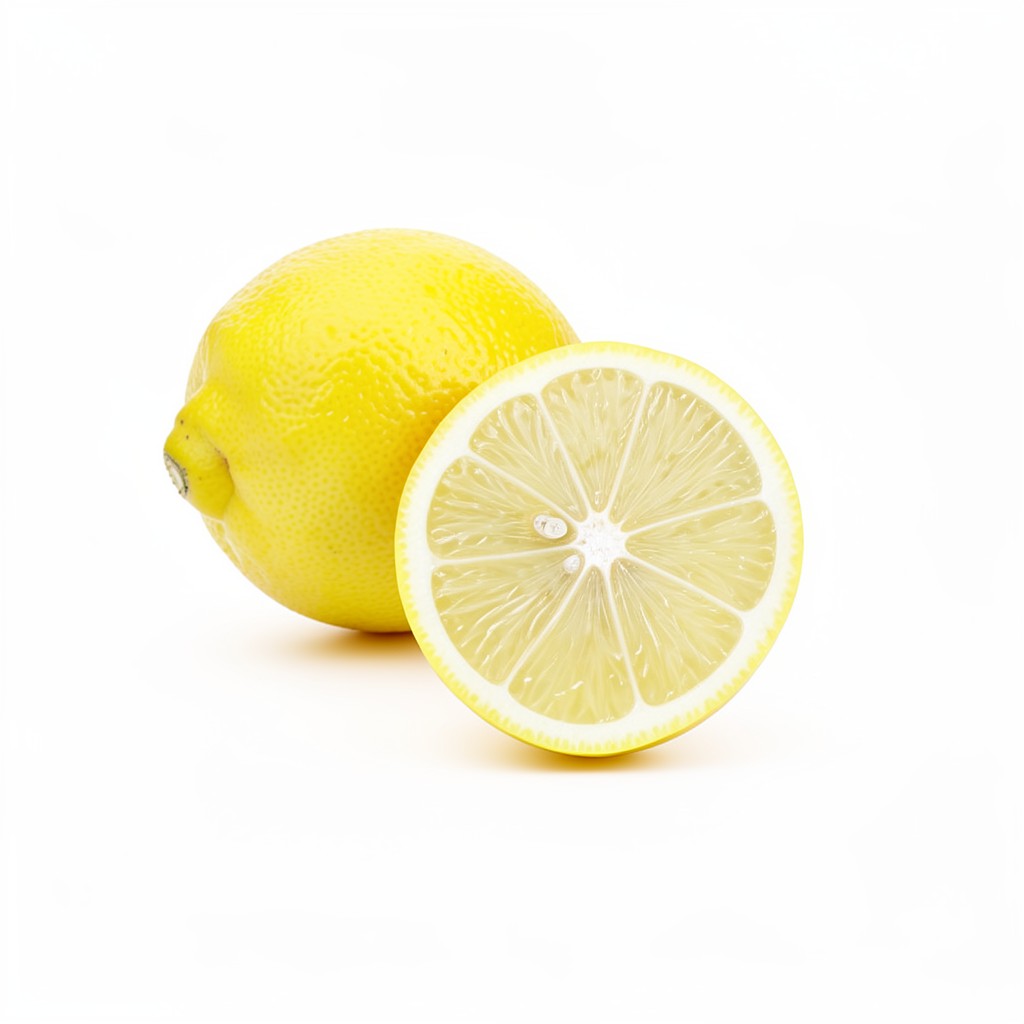 3/4 oz fresh lemon juice, freshly squeezed
Fresh acid is non-negotiable; bottled tastes flat.
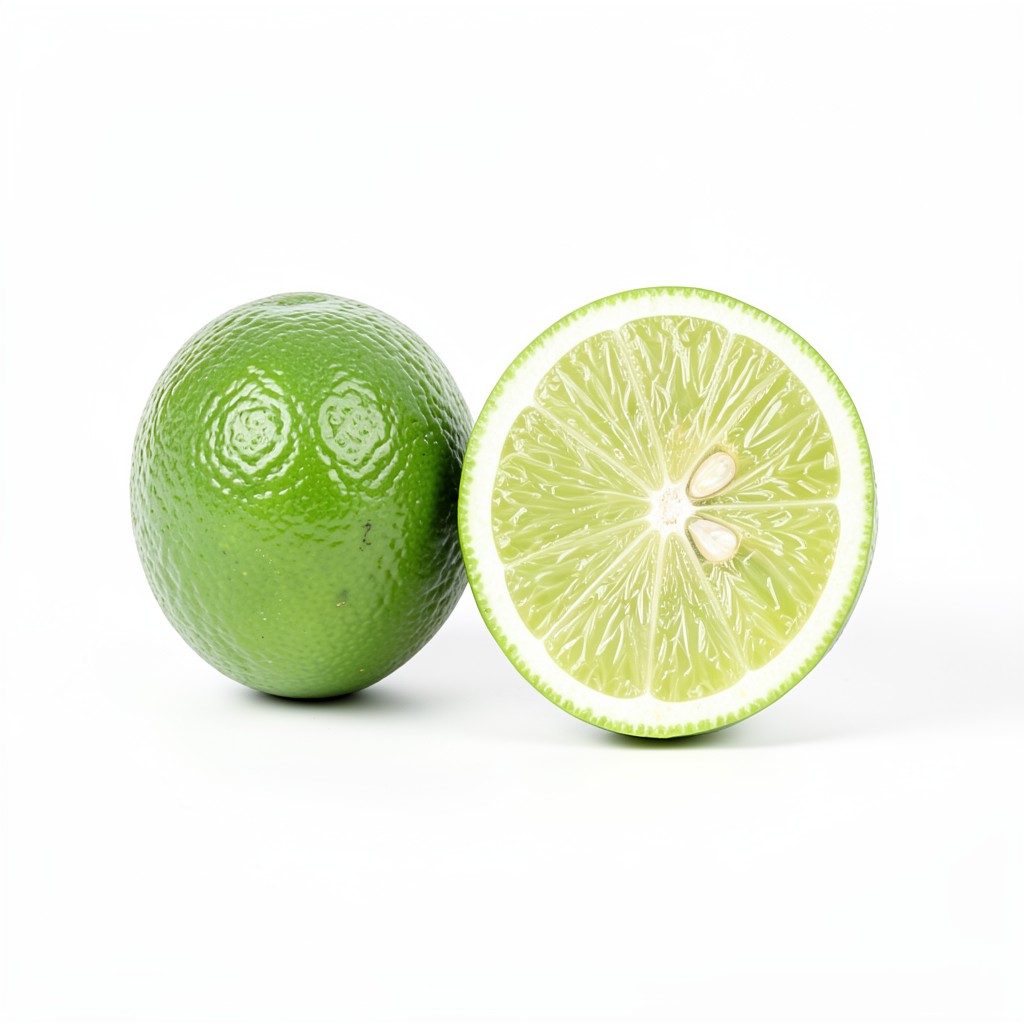 3/4 oz fresh lime juice, freshly squeezed
Adds brightness that balances the sweetness.
 1/2 oz simple syrup
Balances the acid from the citrus.
- 1 oz cola, chilled, or to taste
The float that gives the drink its iced tea color.
- 1 lemon wedge, for garnish
Adds aroma and visual appeal.
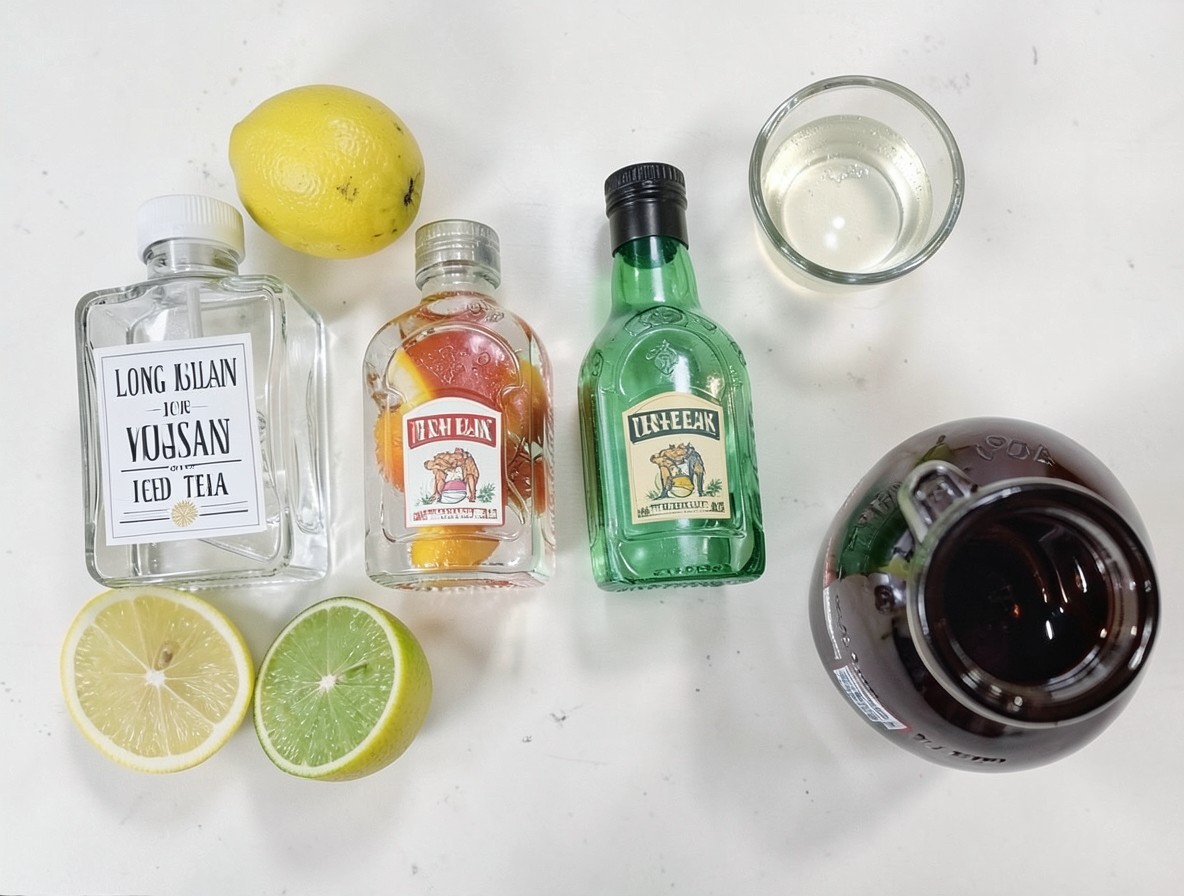
ingredients
The spirits don't need to be top-shelf; a solid mid-range bottle works fine. Avoid flavored vodkas or spiced rums, since they will throw off the balance. For the sour mix, fresh lemon and lime juice with simple syrup beats any bottled mix. If you must use bottled, taste it first. The cola should be standard, not cherry or vanilla, and it must be cold, because warm cola kills the drink. Use cracked ice, not cubes, so the drink chills quickly without diluting too fast.
You need: cocktail shaker, jigger, strainer, bar spoon, highball or hurricane glass.
Method
Fill the glass with ice
Fill your hurricane glass to the top with cracked ice. The glass should be cold to the touch before you pour anything in. This pre-chills the glass and sets up the dilution for the whole drink.
Look for: The glass is full of ice, frost beginning to form on the outside.
Common mistake: Using too little ice. The drink will dilute too fast and taste watery before you finish it.
In a cocktail shaker filled with ice, combine the vodka, rum, gin, tequila, triple sec, fresh lemon juice, lime juice, and simple syrup. Shake hard for about 12 seconds—you want it properly chilled and diluted, not watery. The point is to integrate the five spirits with the citrus so no single one jumps out.
Look for: The shaker is frosty and cold in your hand. The contents are fully combined.
Common mistake: Under-shaking. The drink will taste harsh and boozy because the spirits haven't married with the citrus.
Strain the mixture into the ice-filled glass. The liquid should be pale yellow and cloudy from the citrus. Leave about an inch of space at the top for the cola.
Look for: Pale, cloudy liquid filling the glass over the ice, with room at the top.
Common mistake: Filling the glass too full. You need that headspace for the cola or you'll spill when you pour.
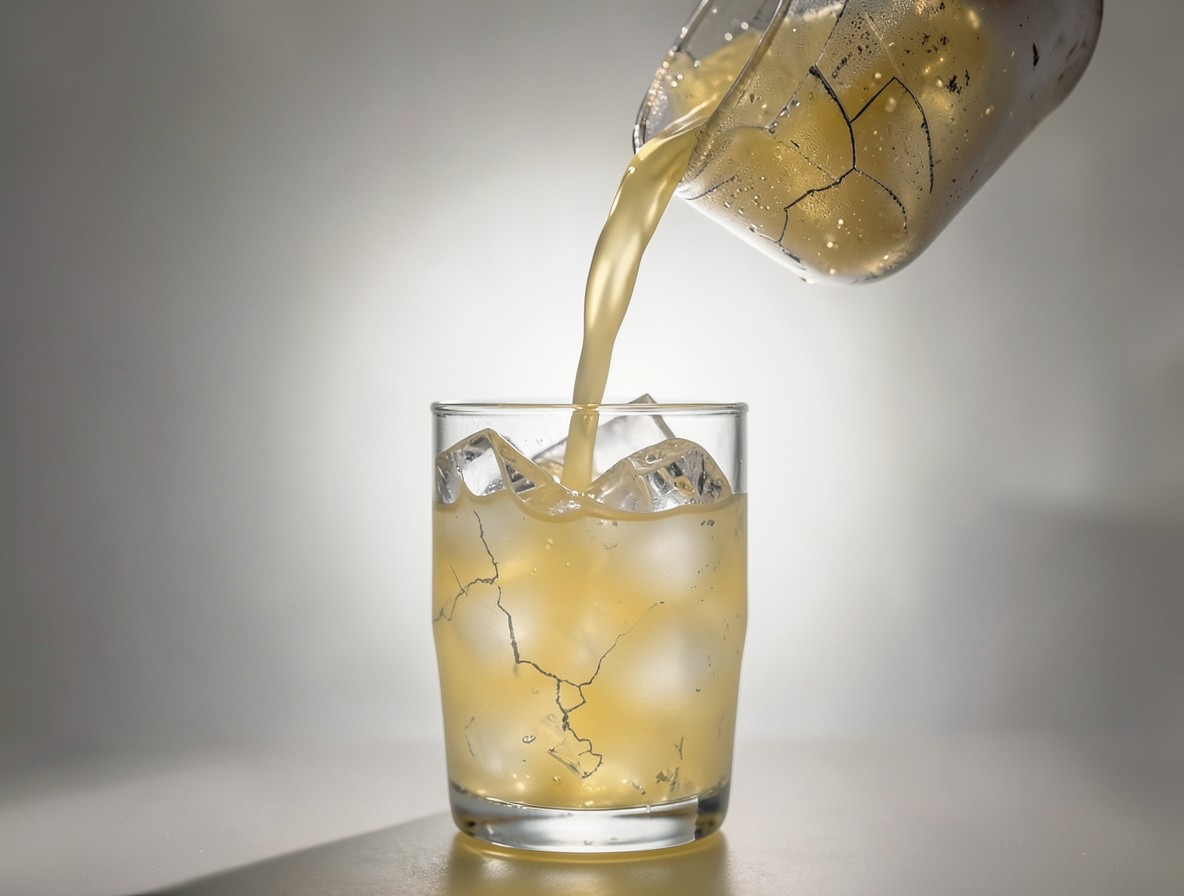
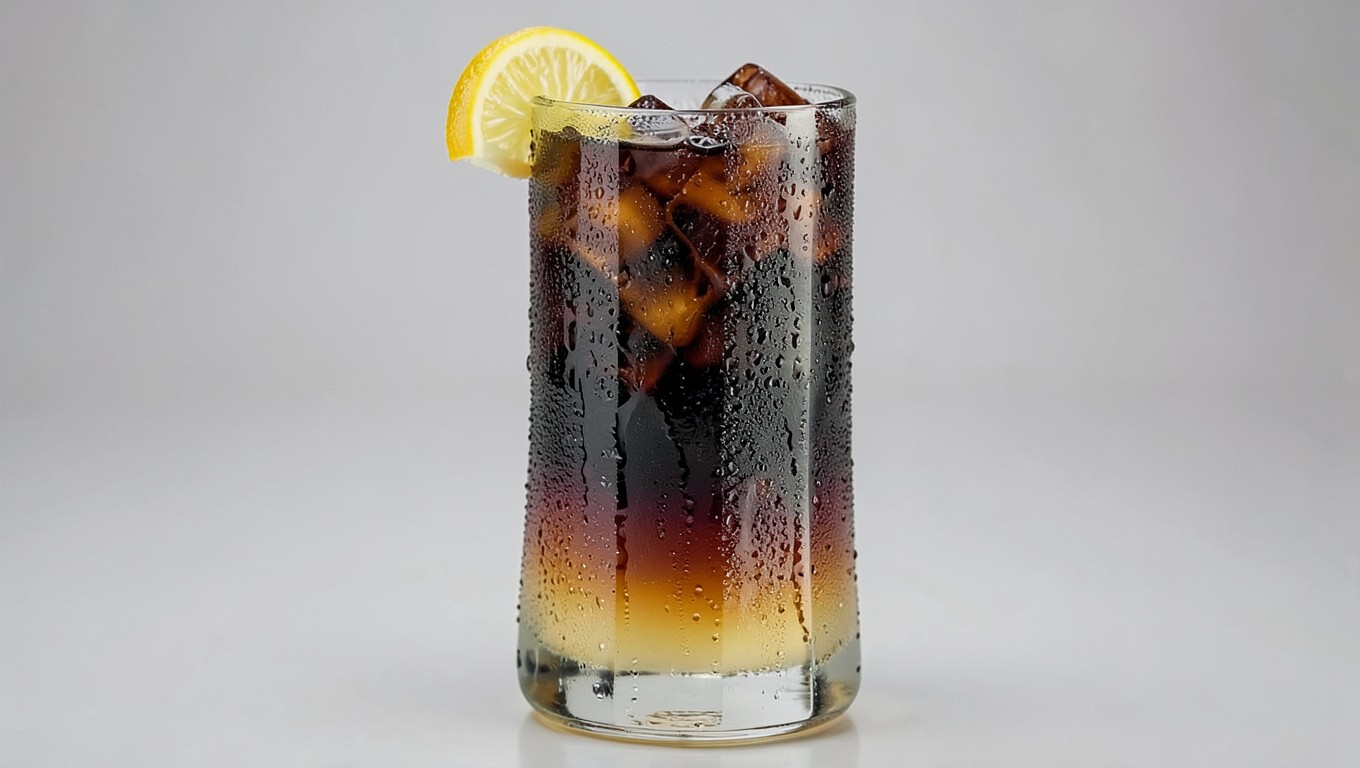
Pour the chilled cola slowly down the side of the glass so it floats on top. Let it cascade down the ice, not crash into the liquid. The cola should create a gradient—dark at the top, lighter below. This is what gives the drink its name.
Look for: A dark cola layer floating over the lighter mixture, creating an iced tea gradient.
Common mistake: Pouring the cola fast and stirring it in. You'll lose the visual effect and the carbonation will flatten the drink.
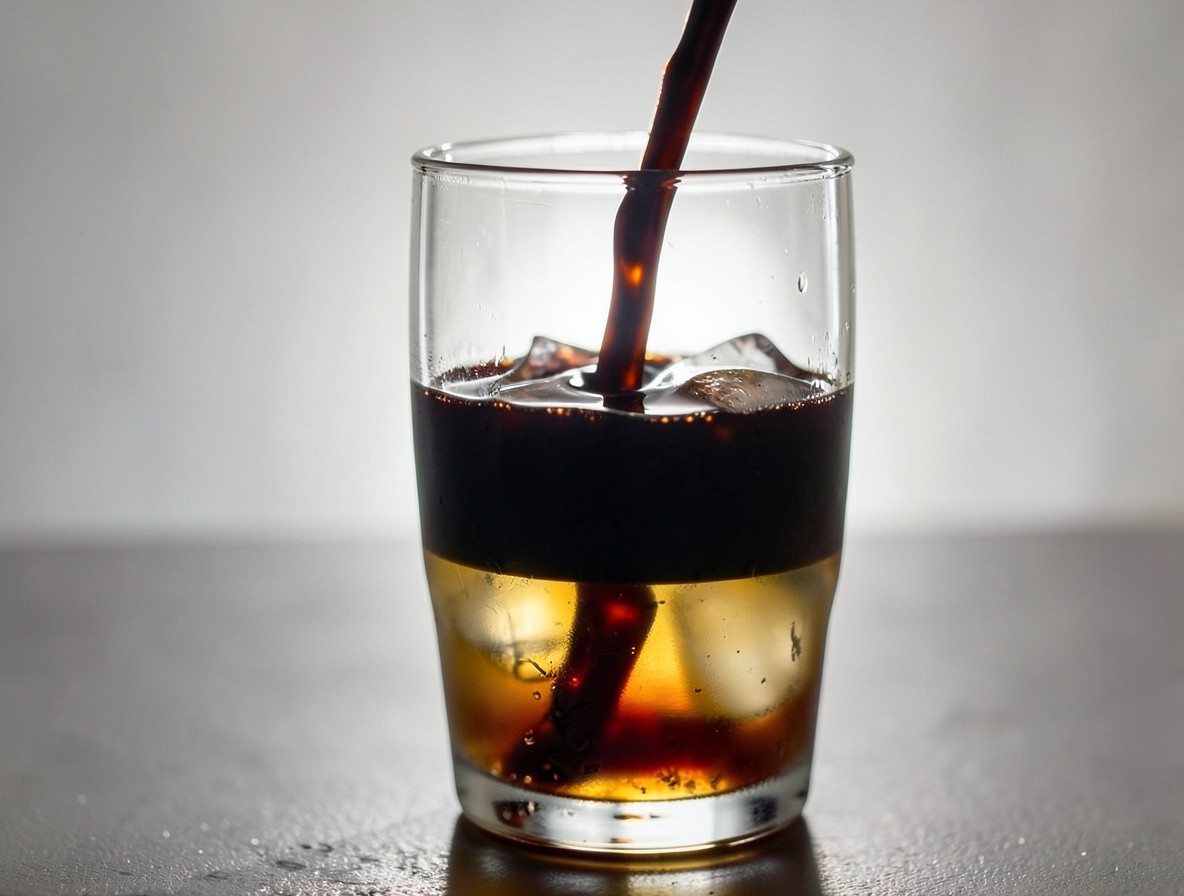
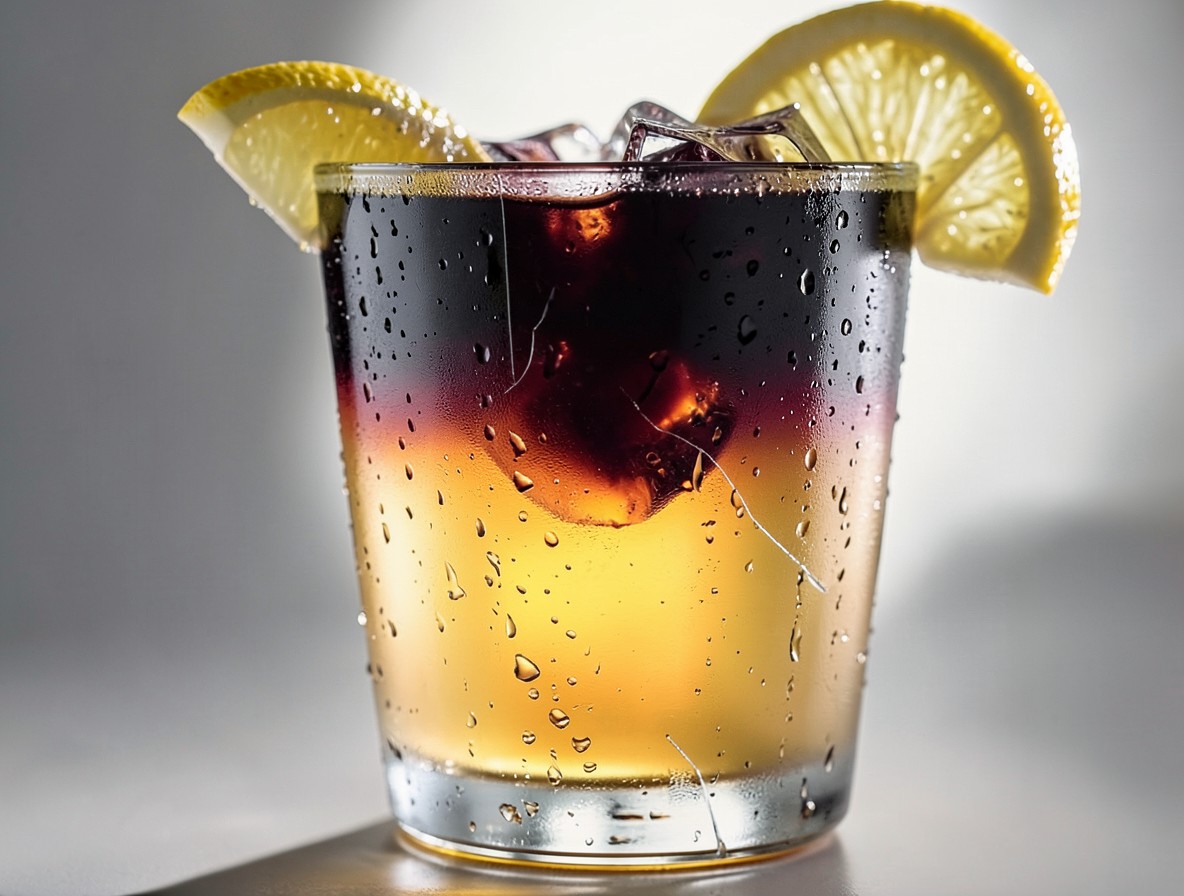
Give the drink one gentle stir with a bar spoon to barely integrate the cola—just a turn or two. Garnish with a fresh lemon wedge on the rim. Serve immediately with a straw, if you like.
Look for: The finished drink looks like iced tea, with a lemon wedge on the rim and condensation streaming down the glass.
Common mistake: Over-stirring. You'll kill the carbonation and the drink will go flat.
Tips from the bar
- 1Use good ice. Cloudy, old ice from your freezer will dilute the drink faster than fresh, clear ice.
- 2Don't skip the fresh citrus. Bottled sour mix makes the drink taste flat and artificial.
- 3Measure the spirits with a jigger, not a free pour. The equal parts matter for the balance.
- 4Keep the cola in the fridge. Warm cola will melt the ice and ruin the drink.
- 5If you want it stronger, add an extra half-ounce of vodka, not more of everything.
Variations
- Texas Tea: swap the cola for a splash of orange juice and more sour mix.
- Long Beach Iced Tea: replace the cola with cranberry juice for a tart, red version.
- Tokyo Iced Tea: use Midori instead of triple sec and top with lemon-lime soda.
- No-joke version: skip the gin for a smoother, less botanical drink.
Substitutions
- Triple sec: use Cointreau or Grand Marnier for a higher-quality orange note—the drink will be slightly sweeter.
- Simple syrup: use agave nectar or honey syrup, but reduce the amount since they're sweeter.
- Cola: use a caffeine-free cola or root beer for a different flavor profile—root beer adds a winter-spice note.
- Fresh citrus: if you have to use bottled lemon juice, cut the simple syrup to balance the extra sweetness.
Serving, storing, batching
Serve this drink as the main event, not a sidekick. It pairs well with salty bar snacks such as peanuts, pretzels, or tortilla chips, because the salt cuts through the sweetness and keeps you reaching for another sip. It's a party drink, so serve it in a tall glass with a straw so people can sip slowly.
This drink doesn't store. The carbonation dies within minutes. Mix the spirits and sour mix ahead of time and keep them in the fridge, then add the cola fresh. The pre-mixed base will keep for a day, but the citrus will lose its brightness after that.
To make a pitcher for a party: multiply the spirits and sour mix by 8, shake in batches with ice, and strain into a pitcher. Add the cola just before serving, or let guests pour their own splash. Keep the pitcher in the fridge and add fresh ice to the glasses, not to the pitcher, to avoid over-dilution.
Questions people ask
A classic Long Island Iced Tea combines half an ounce each of vodka, rum, gin, tequila, and triple sec with sour mix and a cola float. The citrus and cola mask the alcohol, giving it the look and mild taste of iced tea.
A standard Long Island Iced Tea has an ABV of about 22-24%, depending on the proof of the spirits. That's roughly three to four times the alcohol of a standard beer or glass of wine.
It's one of the strongest common cocktails, but not the strongest. Drinks like the Aunt Roberta or the Zombie can be stronger. The Long Island's reputation comes from how well it hides the alcohol, not from being the absolute strongest.
The main ingredients are vodka, rum, gin, tequila, triple sec, lemon juice, lime juice, simple syrup, and cola. The cola is added last and gives the drink its characteristic color.
Fresh citrus and proper dilution. Bottled sour mix makes it taste flat. Shake the spirits with fresh lemon and lime juice and simple syrup, then float the cola on top without stirring. The gradient is part of the experience.
A single Long Island Iced Tea contains about 2.5 ounces of total alcohol. That's the equivalent of about five standard shots, which is why the drink earns its reputation.
You can, but the drink will taste noticeably sweeter and flatter. Pre-made mix contains preservatives and less acid than fresh citrus. If you use it, add an extra squeeze of lemon to brighten it up.
Shake it. The citrus and simple syrup need aeration and proper dilution to integrate with the spirits. Stirring leaves the drink harsh and boozy.
Use standard cola, not cherry or vanilla. You want the neutral caramel note to just color the drink. Any flavored cola will throw off the balance.
Last word
The Long Island Iced Tea is a drink that rewards respect for its ratios. Use fresh citrus, measure carefully, and let the cola float. Make it for a party, sip it slowly, and remember what's actually in the glass.