The Classic Tequila Sunrise, Built Right
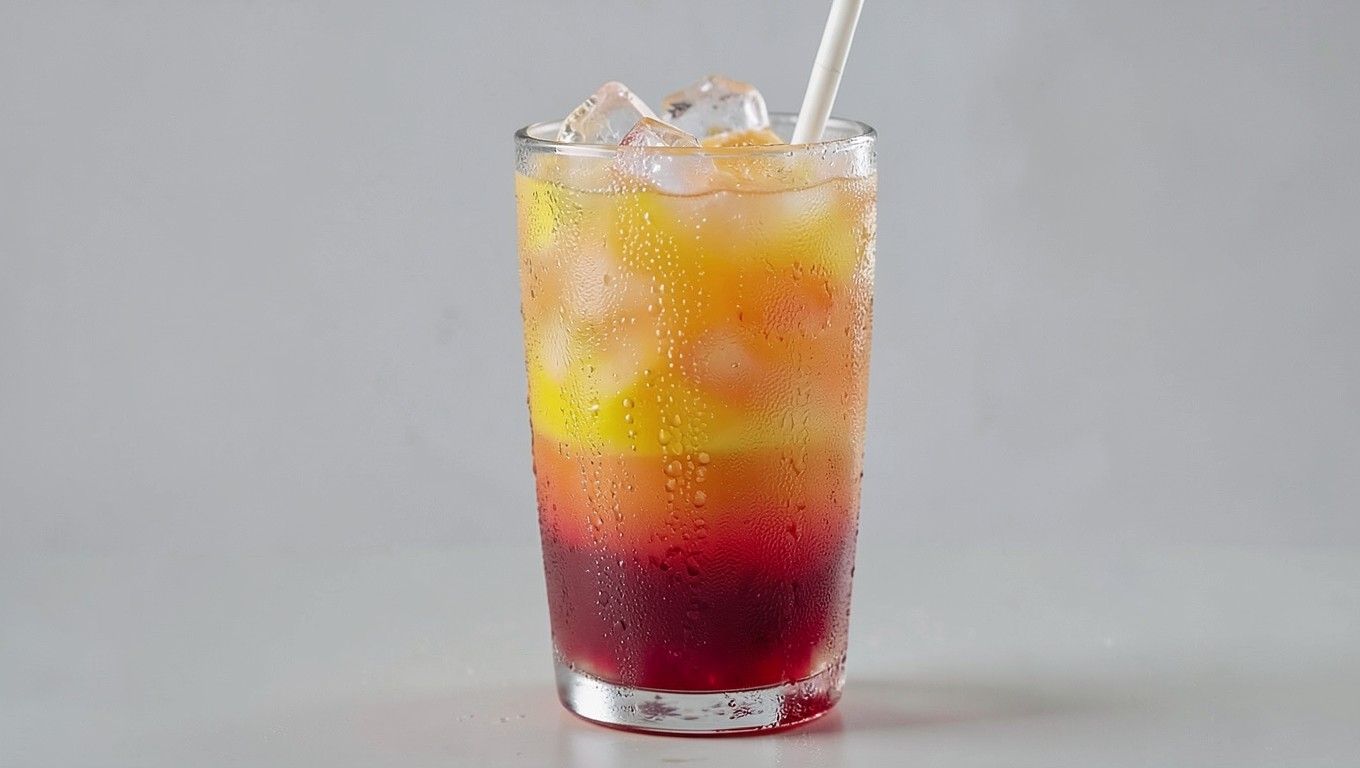
A Tequila Sunrise is a build-in-the-glass cocktail made with 2 oz tequila, 4 oz fresh orange juice, and a 1/4 oz grenadine float. It takes about 5 minutes to make. The grenadine sinks to create the signature sunrise effect, and the drink serves one.

- Basetequila
- Strength14% ABV, approximate
- Methodbuild
- Glasshighball
- Icecracked
- Difficultyeasy
- Total3 min
- Serves1
- Citrus-forward
- Sweet
- Slightly tart with a clean agave finish
- Jigger or measuring spoons
- Bar spoon
- Highball glass
The Tequila Sunrise looks like it should be complicated. It isn't. You need four ingredients, a glass, and a pour you'll nail on your second try. The whole drink is a trick of density, not technique. Grenadine is heavier than orange juice, so it sinks. That's the entire secret. You're not layering with a spoon or a careful hand. You just let physics draw the picture.
A proper Sunrise starts with a decent blanco tequila. The orange juice is the body of the drink, so it needs to be fresh and not too pulpy. The grenadine is doing the visual work, so use the real stuff with pomegranate in it, not the neon red corn syrup. That's the whole shopping list. If you're after a drink that tastes like a sunny morning and looks like one too, this is it.
About the Tequila Sunrise
The Tequila Sunrise was popularized in the early 1970s, though versions of tequila with orange juice existed decades earlier. Its modern fame came from the Rolling Stones' 1972 tour, which made the drink a symbol of excess and good times. The defining feature is the grenadine that sinks to the bottom, creating a gradient of red to orange. It is a highball-style drink, built directly in the glass with no shaking or stirring. It belongs to the broader family of tequila highballs, distinct from the Margarita's sour profile. The drink is recognized by the International Bartenders Association as an official cocktail.
Why it works
- 1Grenadine is denser than orange juice, so it sinks naturally and creates the gradient without any special technique.
- 2Building directly in the glass preserves the visual separation that gets lost if you stir or shake.
- 3Fresh orange juice has enough acidity to balance the tequila's agave sweetness.
- 4The drink's high juice-to-spirit ratio makes it approachable and easy to drink.
Ingredients
Serves 1.
 2 oz blanco tequila, blanco or reposado
Blanco keeps the drink bright and clean. Reposado adds a soft oak note that still works.
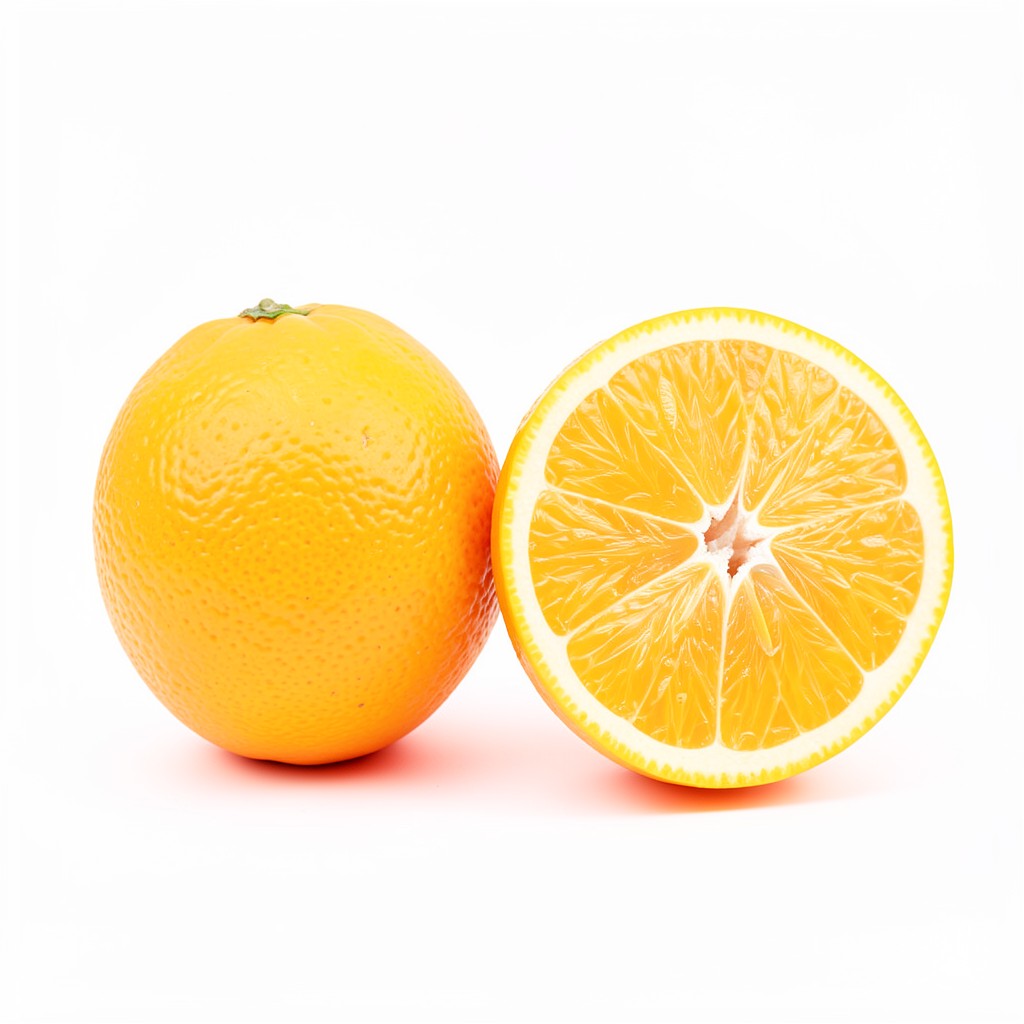 4 oz fresh orange juice, strained
Fresh juice has the acidity to balance the sweetness. Carton juice makes the drink flat.
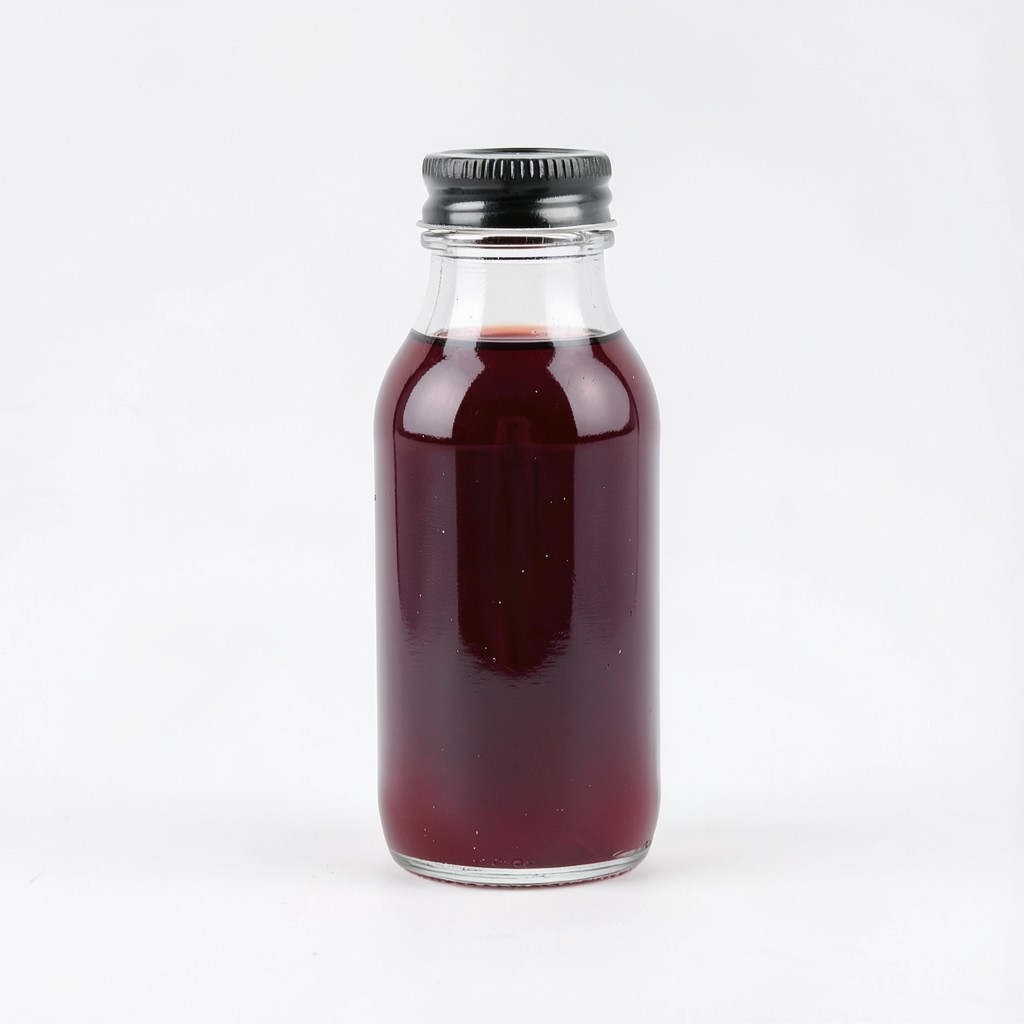 0.25 oz grenadine
Real pomegranate grenadine sinks cleanly and tastes like fruit, not candy.
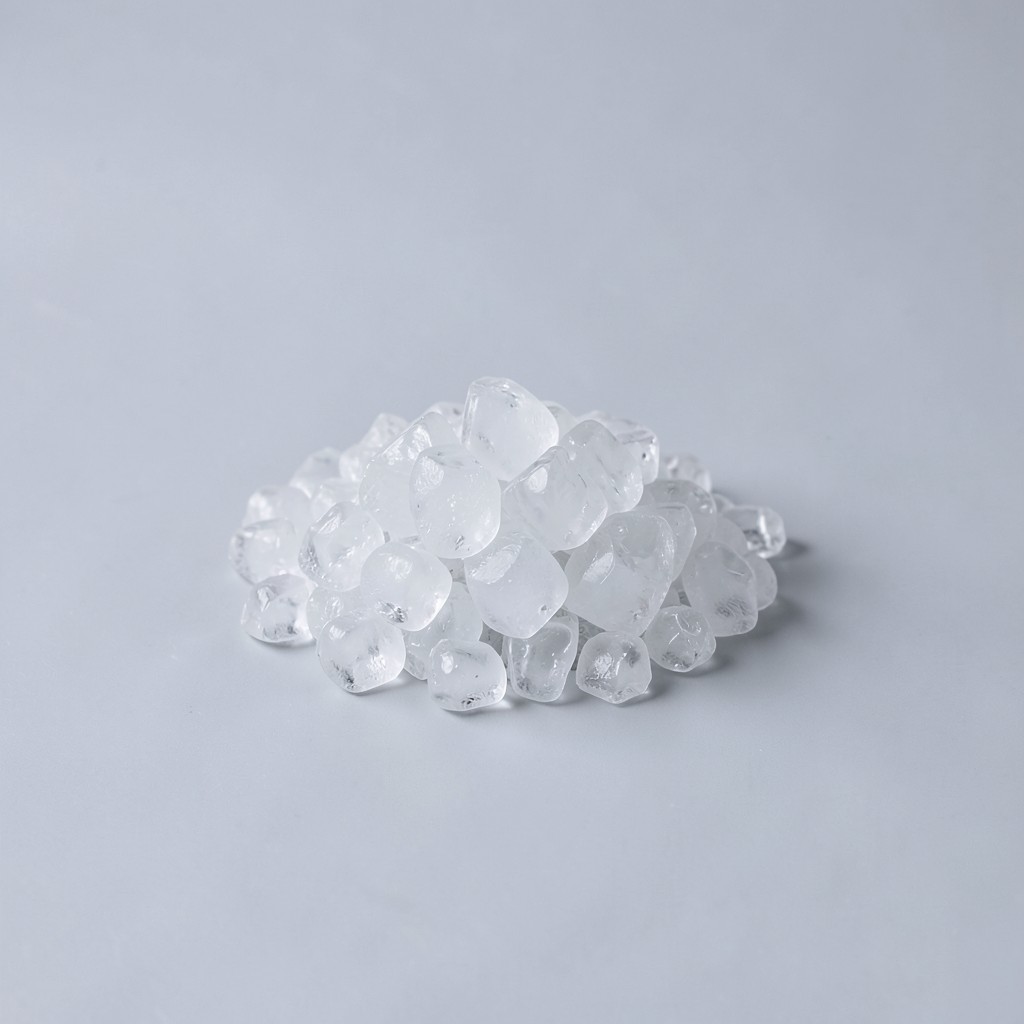 1 cup cracked ice
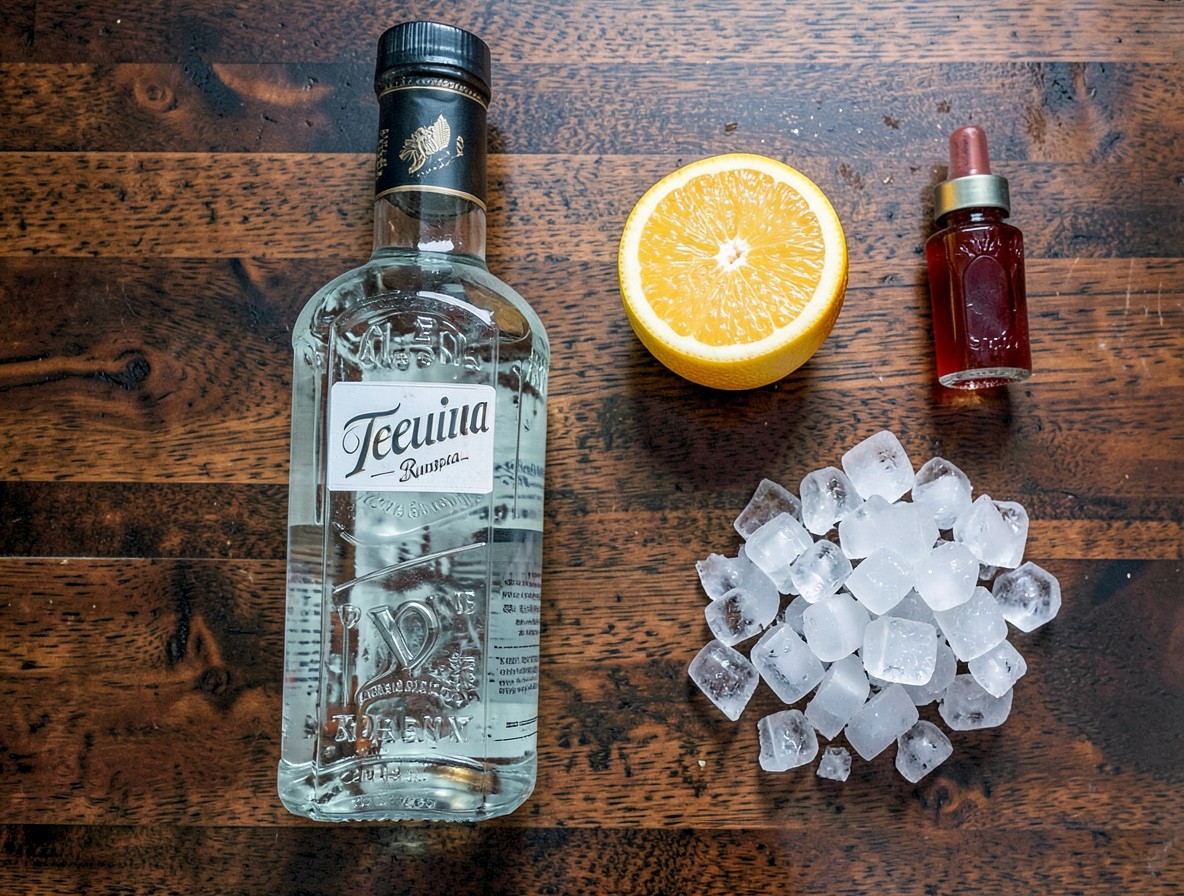
ingredients
The tequila matters less than you think. A mid-range blanco is fine — you don't need an aged añejo for a drink with this much juice. What matters more is the orange juice. Squeeze it fresh if you can. The bottled stuff is sweeter and less acidic, which throws the balance off. For grenadine, look for one that lists pomegranate juice as an ingredient. The bright red dyed syrup will work, but it tastes like candy and sinks differently because of the extra sugar.
You need: jigger or measuring spoons, bar spoon, highball glass.
Method
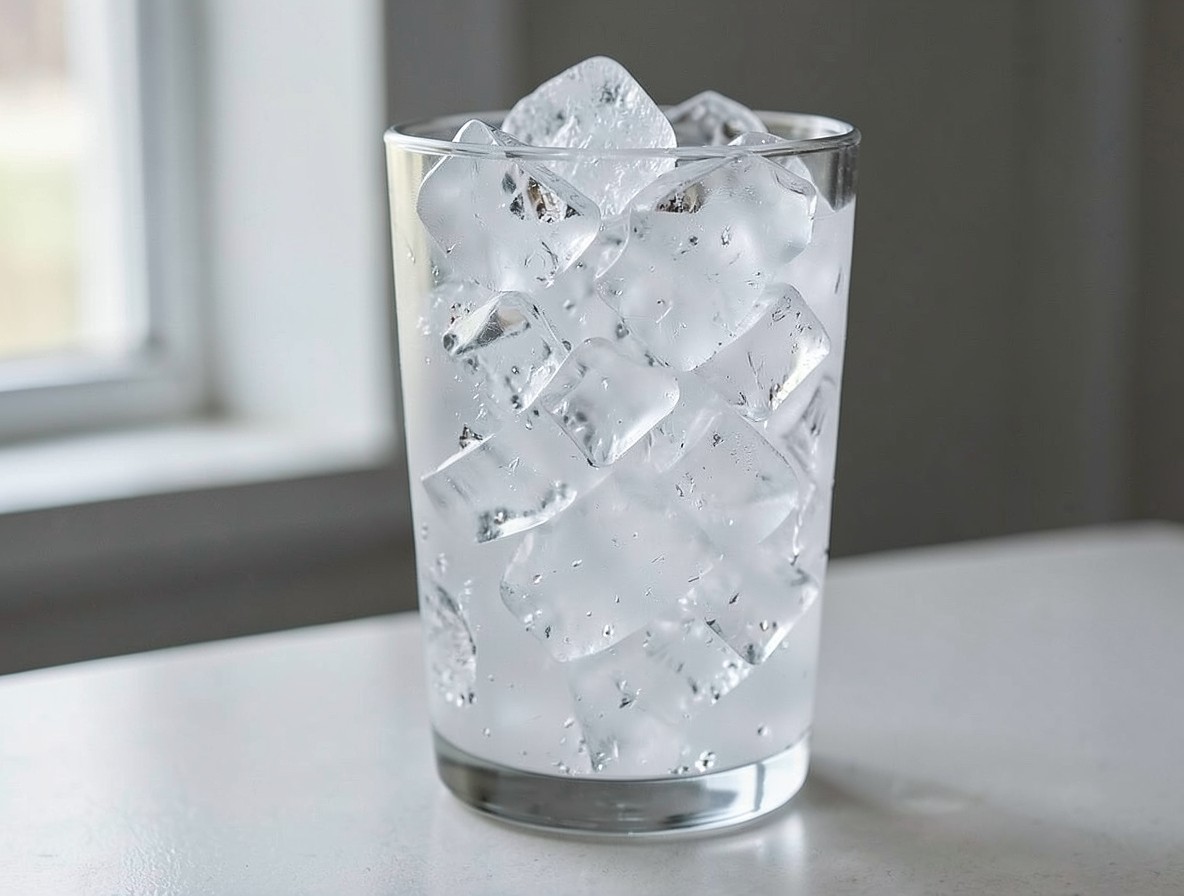
Fill the glass with cracked ice
Pack a highball glass with cracked ice. Cracked ice chills the drink faster than large cubes and gives you a more dramatic dilution gradient. Fill it to the top — the ice level controls how much room you have for liquid.
Look for: The glass is full of chunky, irregular ice pieces that catch the light.
Common mistake: Using whole large cubes. They don't fill the glass and your proportions look wrong. The drink ends up with too much liquid and not enough dilution.
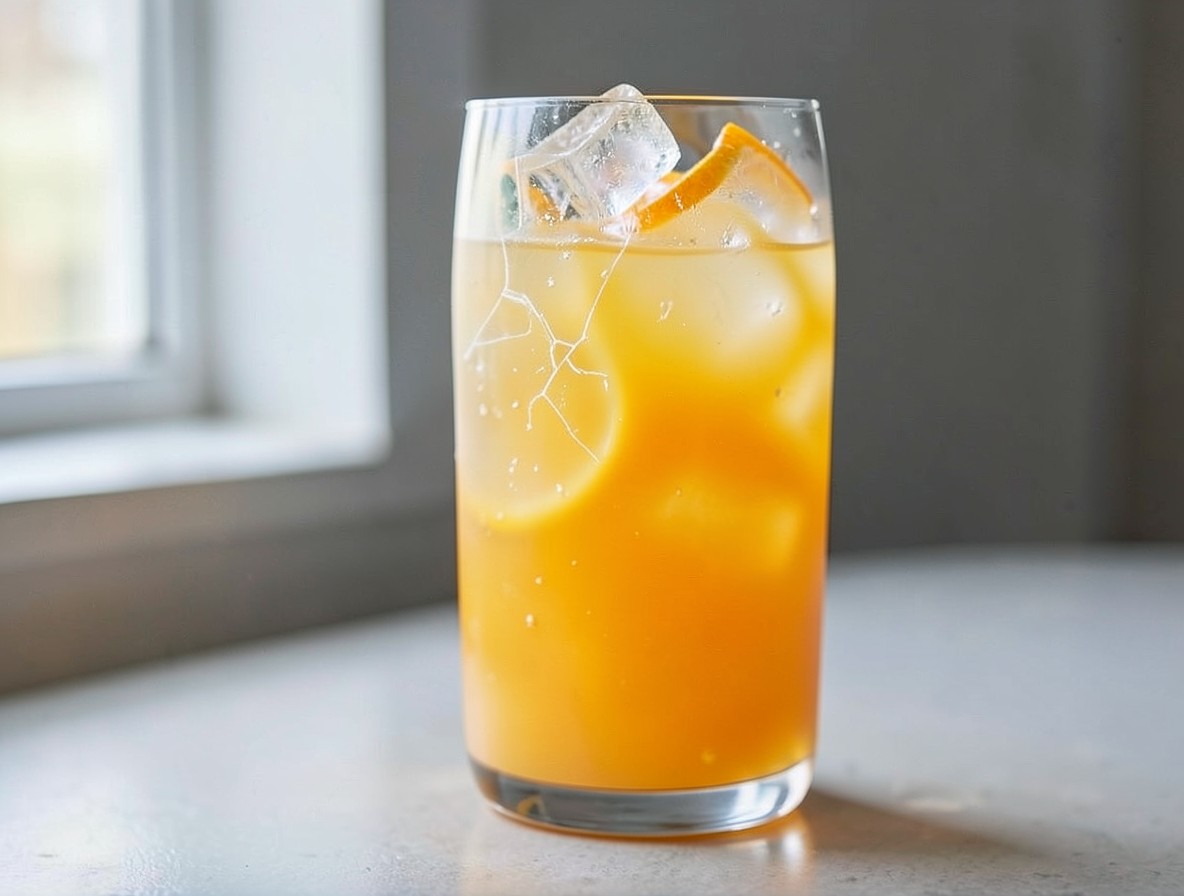
Pour 2 oz of tequila over the ice, then 4 oz of fresh orange juice. Let them sit for a moment. The orange juice will naturally settle with the tequila. Don't stir yet. You want the column of orange juice to be undisturbed so the grenadine has a clean path to the bottom.
Look for: The glass is full to about three-quarters with a bright, opaque orange liquid.
Common mistake: Stirring before adding grenadine. You're not making a screwdriver. Stirring now mixes the two spirits and makes the later gradient muddy.
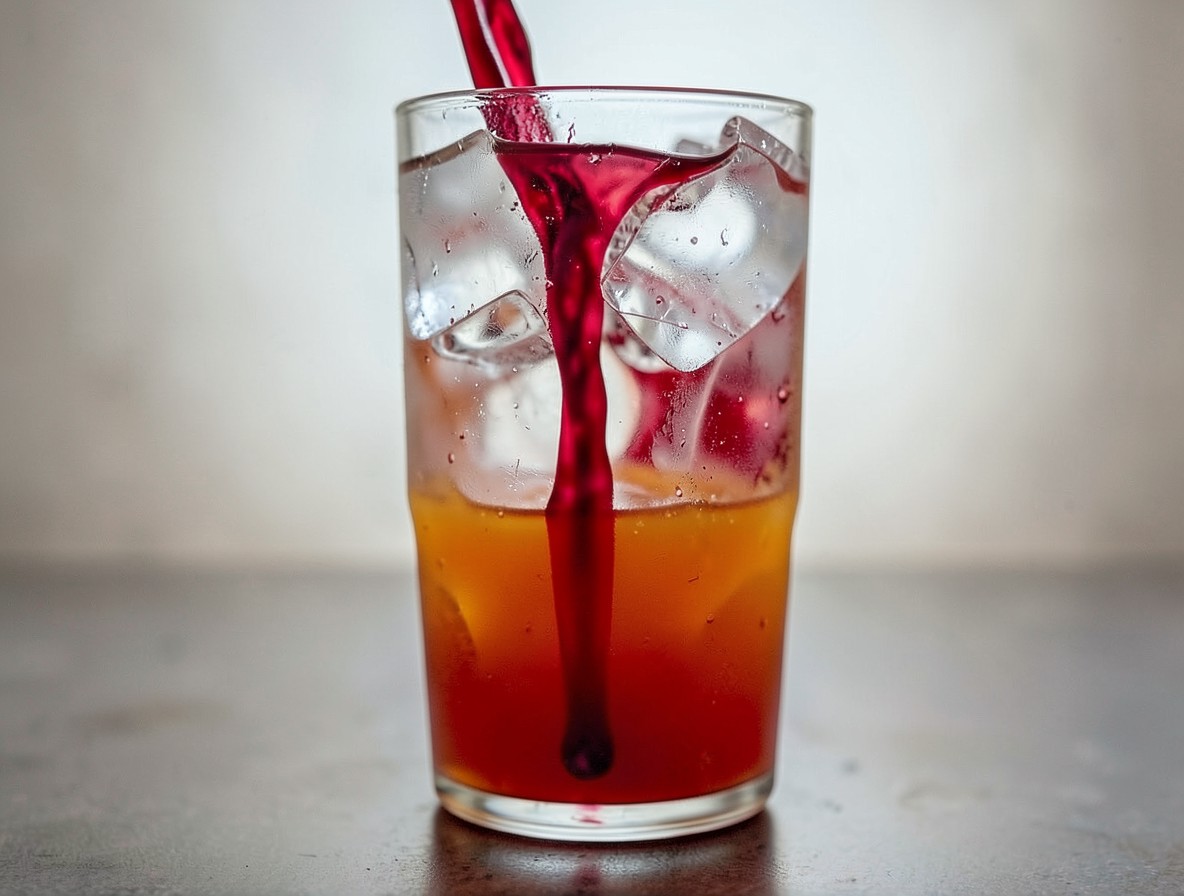
Slowly pour 1/4 oz of grenadine down the inside of the glass, letting it run along the side and sink. The grenadine is heavier than the orange juice, so it will fall to the bottom. Pour it gently — a fast pour will create a messy swirl instead of a clean gradient.
Look for: A deep red layer forms at the bottom, bleeding upward into the orange with a gradient that looks like a sunrise.
Common mistake: Pouring the grenadine directly into the center. It splashes through the orange juice and you get an ugly red mess instead of a gradient.
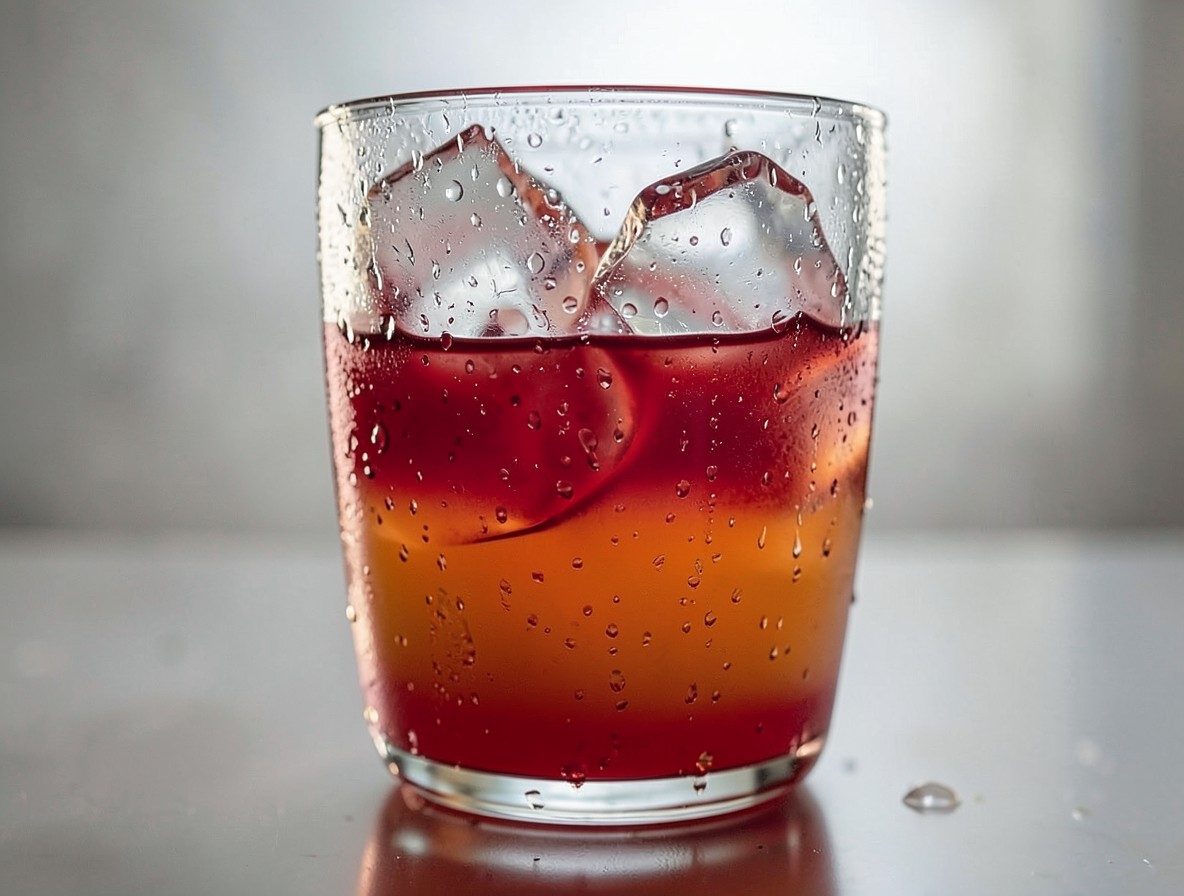
Let the drink sit for about 30 seconds. The grenadine will continue to sink, and the gradient will sharpen. Serve immediately with a straw. The visual effect is best right after it settles — leave it too long and the colors start to bleed together.
Look for: A crisp three-layer gradient: deep red at the bottom, bright orange in the middle, and a slightly lighter orange at the top.
Common mistake: Serving immediately before the grenadine settles. The drink looks like a muddy orange mess for the first few seconds. Patience makes it beautiful.
Tips from the bar
- 1Use a jigger for the grenadine. A heavy hand with it turns the drink into a candy shop.
- 2Chill the orange juice before you build. Cold juice means less ice melt and a sharper gradient.
- 3If you want a more dramatic sunrise, pour the grenadine slowly with a bar spoon held against the inside of the glass.
- 4Squeeze the orange juice right before serving. The flavor drops off noticeably within an hour.
- 5For a longer drink, add a splash of soda water on top after the grenadine. It lightens the texture without killing the gradient.
Variations
- Tequila Sunset: swap the orange juice for grapefruit juice. The grenadine sinks through the pink and creates a darker, moodier gradient.
- Mezcal Sunrise: replace the tequila with mezcal. The smoky agave note changes the whole character and pairs beautifully with the orange.
- Virgin Sunrise: skip the tequila and add an extra ounce of orange juice. The gradient still works and it's a great brunch mocktail.
- Spicy Sunrise: muddle a slice of jalapeño in the glass before adding ice. The heat cuts through the sweetness.
Substitutions
- Grenadine: use a raspberry syrup if you're in a pinch. It's sweeter and less tart, so cut it to 1/8 oz. The color will be a touch more pink than red.
- Orange juice: blood orange juice works, but it's less acidic and the gradient will be deeper red-orange instead of bright.
Serving, storing, batching
Serve it over a lazy brunch with huevos rancheros or a breakfast taco. The citrus and sweetness cut through rich, savory food. It also works well for a summer afternoon cookout, where the gradient does the talking.
This drink doesn't store. The grenadine will fully mix into the orange juice within a few minutes, destroying the gradient. Make it fresh every time. You can pre-mix the tequila and orange juice in a pitcher for a party and add the grenadine per glass, right before serving.
For a crowd, mix 2 parts tequila to 4 parts orange juice in a pitcher and refrigerate. Fill each glass with ice, pour the mix, then top with 1/4 oz grenadine per glass. The dilution will be slightly higher because of the pitcher's surface area, so account for about 15% more liquid per serving.
Questions people ask
A Tequila Sunrise is made with 2 oz tequila, 4 oz orange juice, and 1/4 oz grenadine, built over ice in a highball glass. The grenadine sinks to the bottom to create the signature gradient.
A Tequila Sunrise uses orange juice, which creates a bright yellow-orange gradient. A Tequila Sunset uses grapefruit juice, which produces a deeper pink-to-red gradient. The grenadine sink is the same in both.
At about 14% ABV, a Tequila Sunrise is on the lighter end of cocktails. The high juice content makes it drinkable, but the tequila is still there — 2 oz is a standard pour.
Skip anything too sweet or creamy. Tequila's agave character gets lost in heavy cream or syrups. Stick with citrus and fruit juices — orange, grapefruit, lime, or pineapple. Those let the agave show through.
Raspberry syrup is the closest substitute, but it's sweeter, so use half. You can also use a homemade syrup with pomegranate juice and sugar. The key is a dense, deep-colored syrup that will sink through the orange juice.
Blanco tequila is the classic choice. It's bright and clean, letting the orange juice shine. Reposado works too, adding a soft oak note that gives the drink a bit more body. Skip añejo — it's too heavy and the barrels dominate the fruit.
No. The Tequila Sunrise is built directly in the glass. Shaking would mix the grenadine into the orange juice and destroy the signature gradient. The drink relies on the density difference between the grenadine and the juice to create the visual effect.
You don't. The grenadine layers itself. Pour it slowly down the inside of the glass, and it will sink to the bottom on its own because it's denser than the orange juice. You don't need a spoon or a careful hand. Just pour slowly and gently.
Last word
The Tequila Sunrise doesn't need a shaker or a dozen ingredients. Four components, one pour, and the physics do the rest. Make one the next time you want a drink that looks as good as it tastes.