The Classic Pisco Sour Recipe
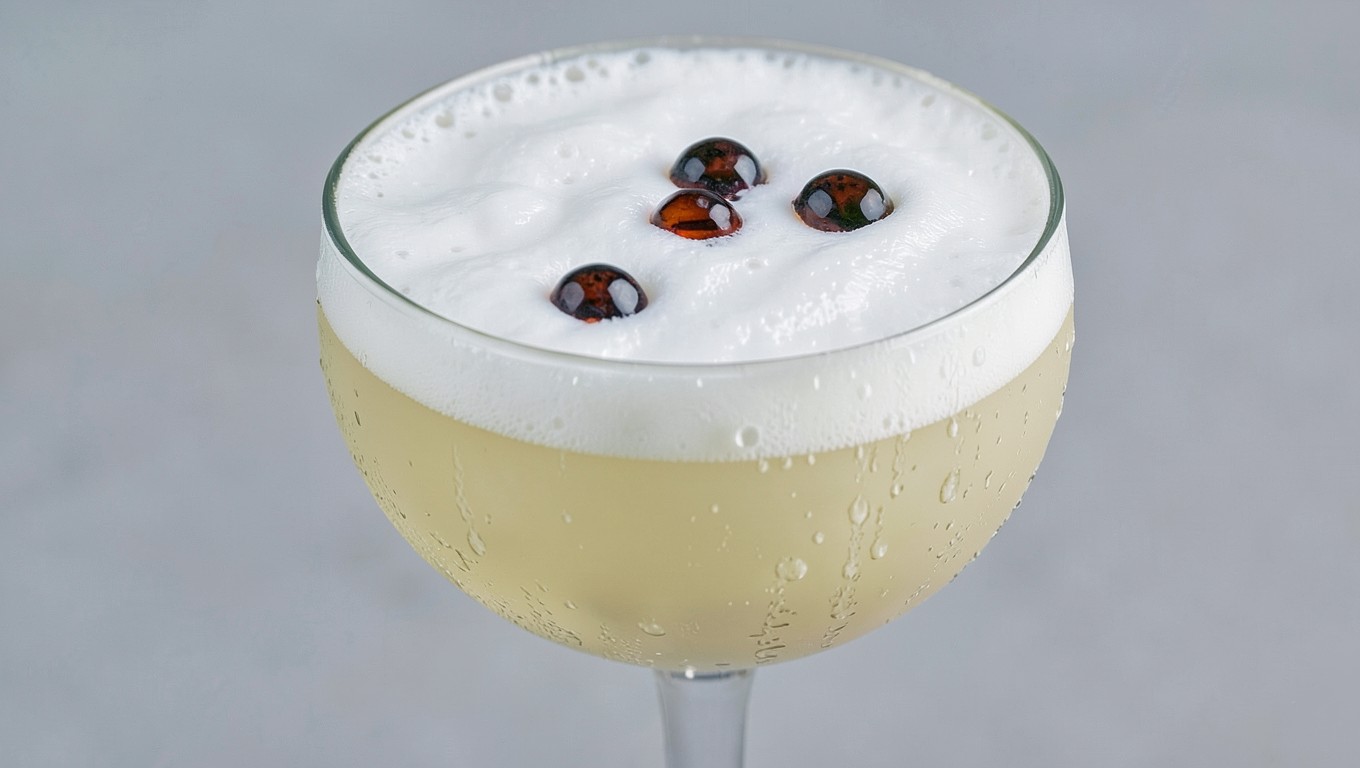
A Pisco Sour is a classic cocktail from Peru made by shaking pisco, fresh lime juice, simple syrup, and egg white with ice, then straining it into a glass and topping with bitters. It's tart and frothy, and takes about 5 minutes to make.

- Basepisco
- Strength18% ABV, approximate
- Methodshake
- Glasscoupe
- Difficultymedium
- Total3 min
- Serves15
- Tart
- Citrusy
- Floral
- With a rich and silky texture
- Cocktail shaker
- Jigger
- Strainer
- Fine strainer
- Coupe glass
- Contains eggs (Egg white)
The pisco sour is all about contrast. It's tart from fresh lime, sweet from a touch of syrup, and rich from a layer of egg white foam that sits on top like a cloud. The pisco itself, a grape brandy from Peru and Chile, gives it a floral, slightly grassy backbone you won't get from any other spirit. If you've only ever had it at a bar, you'll be surprised how simple it is to nail at home. The whole thing comes together in about five minutes, and the only real skill involved is a decent shake. Skip the bottled lime juice. Squeeze the real fruit. It's the difference between a drink that tastes like a cocktail and one that tastes like a memory of one.
About the Pisco Sour
The Pisco Sour is widely considered the national drink of Peru, though Chile has its own version that uses different pisco and often skips the bitters. The Peruvian version, the one most people know, is credited to an American expat bartender named Victor Morris, who ran a bar in Lima in the early 1900s. It's a member of the sour family. The egg white sets it apart, giving it a distinctive frothy head, and aromatic bitters dot the foam. It's traditionally served as an aperitif before a meal to wake up the palate.
Why it works
- 1The egg white, when shaken without ice, whips into a stable foam that traps air and creates the signature silky head.
- 2The pisco's floral, fruity character stands up to the tart lime without being overpowered, which is why it works better than a neutral vodka.
- 3A hard shake with ice both chills the drink and dilutes it by roughly 25-30%, which mellows the acid and alcohol into a balanced whole.
- 4The bitters on top aren't just for looks; they cut through the egg's richness and add a spicy, aromatic contrast to the citrus.
Ingredients
Serves 15.
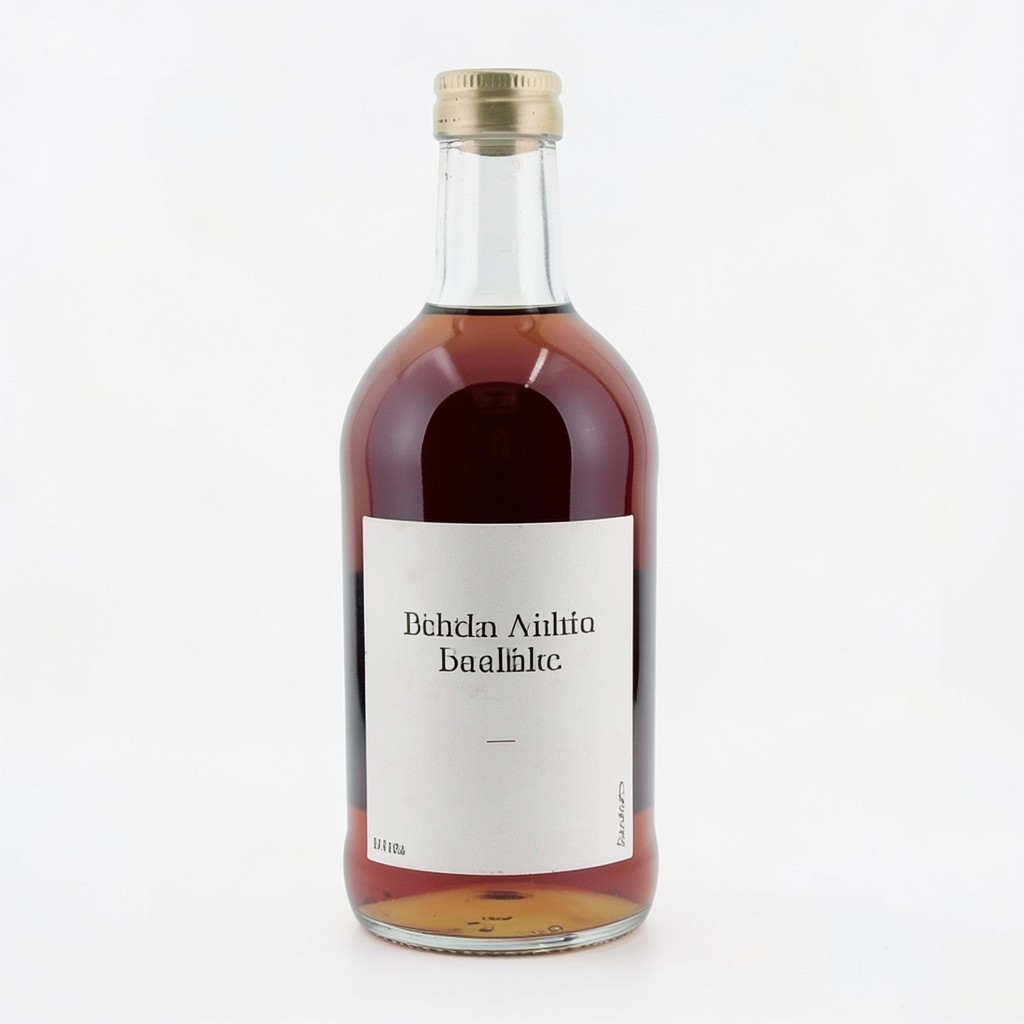 1 1/2 oz Pisco
The base spirit. Use a Peruvian pisco for the classic style.
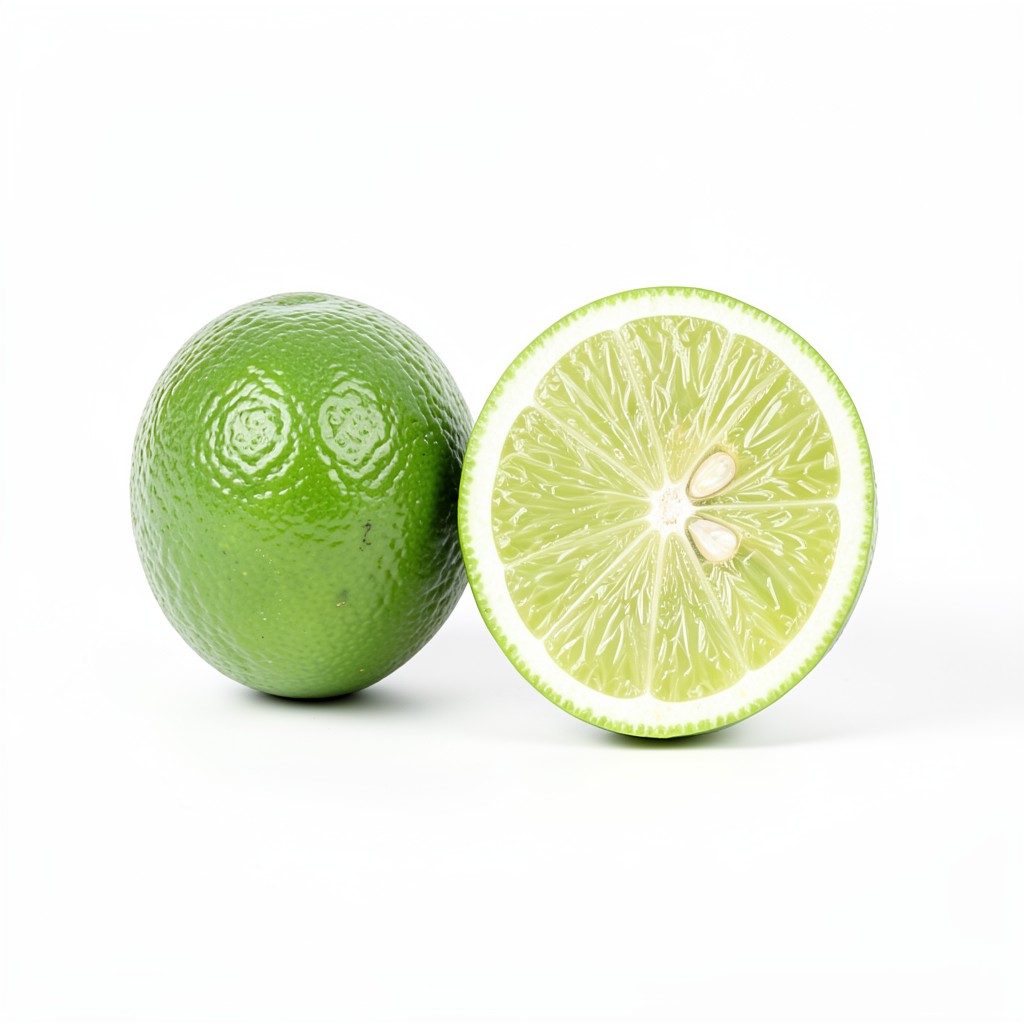 1 oz Fresh lime juice, freshly squeezed
Fresh is non-negotiable. Bottled juice has a flat, bitter edge.
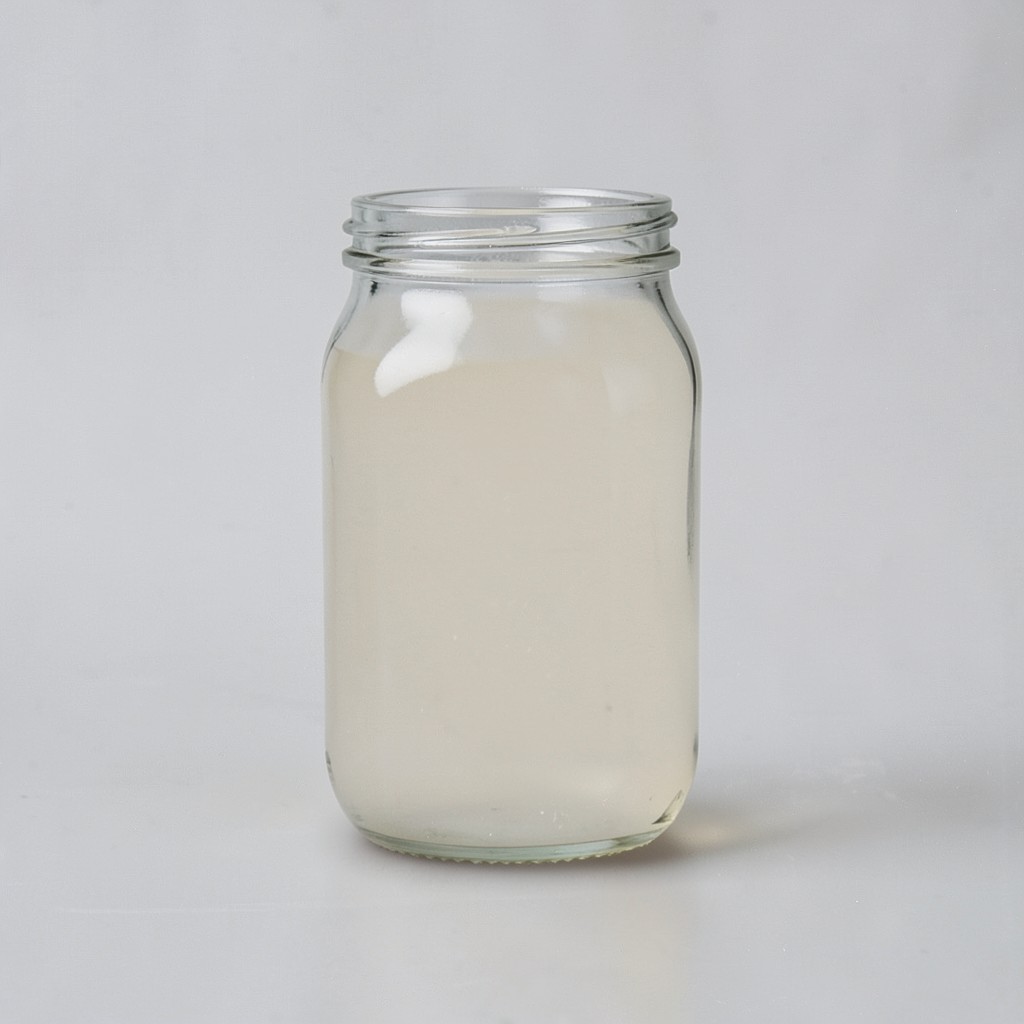 3/4 oz Simple syrup
Balances the acid. Adjust to your lime's tartness.
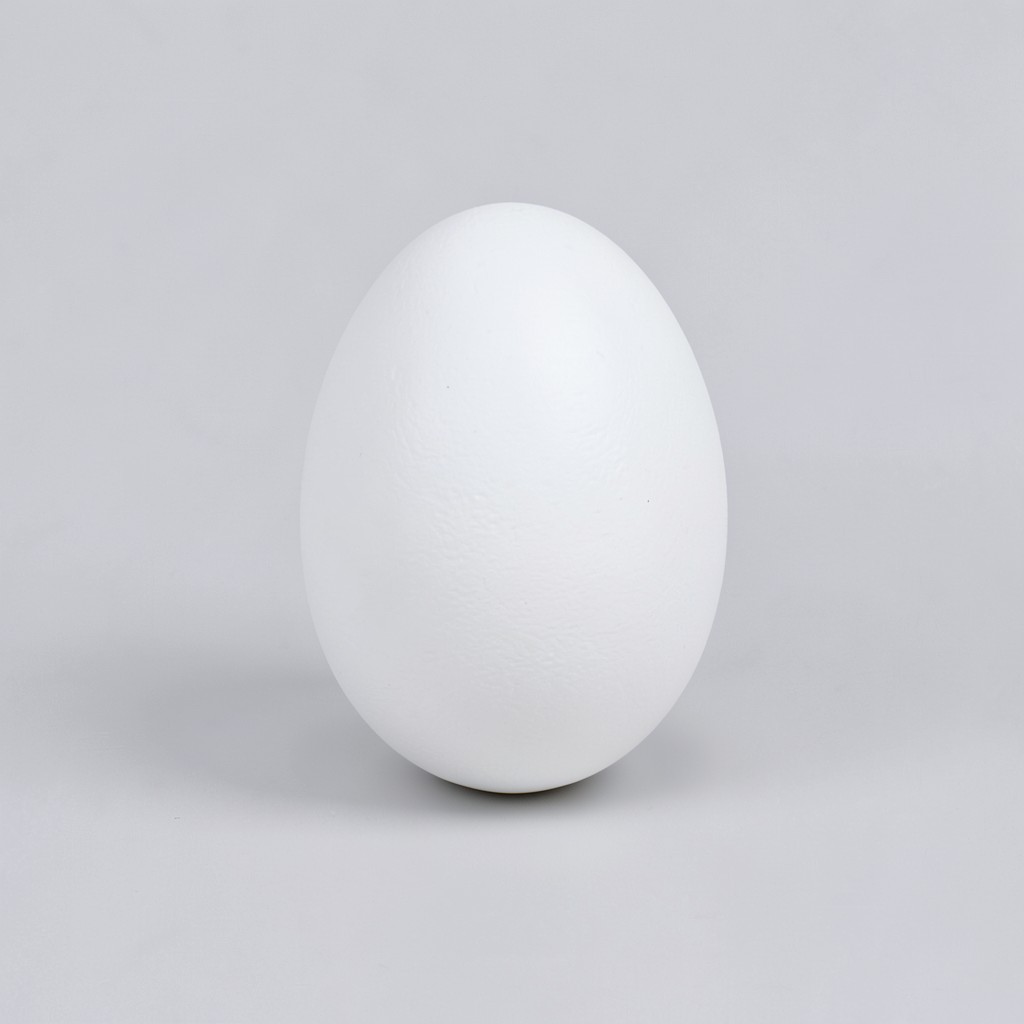 1 large Egg white, from a fresh, room-temperature egg
Creates the frothy foam. For safety, use a pasteurized egg if you prefer.
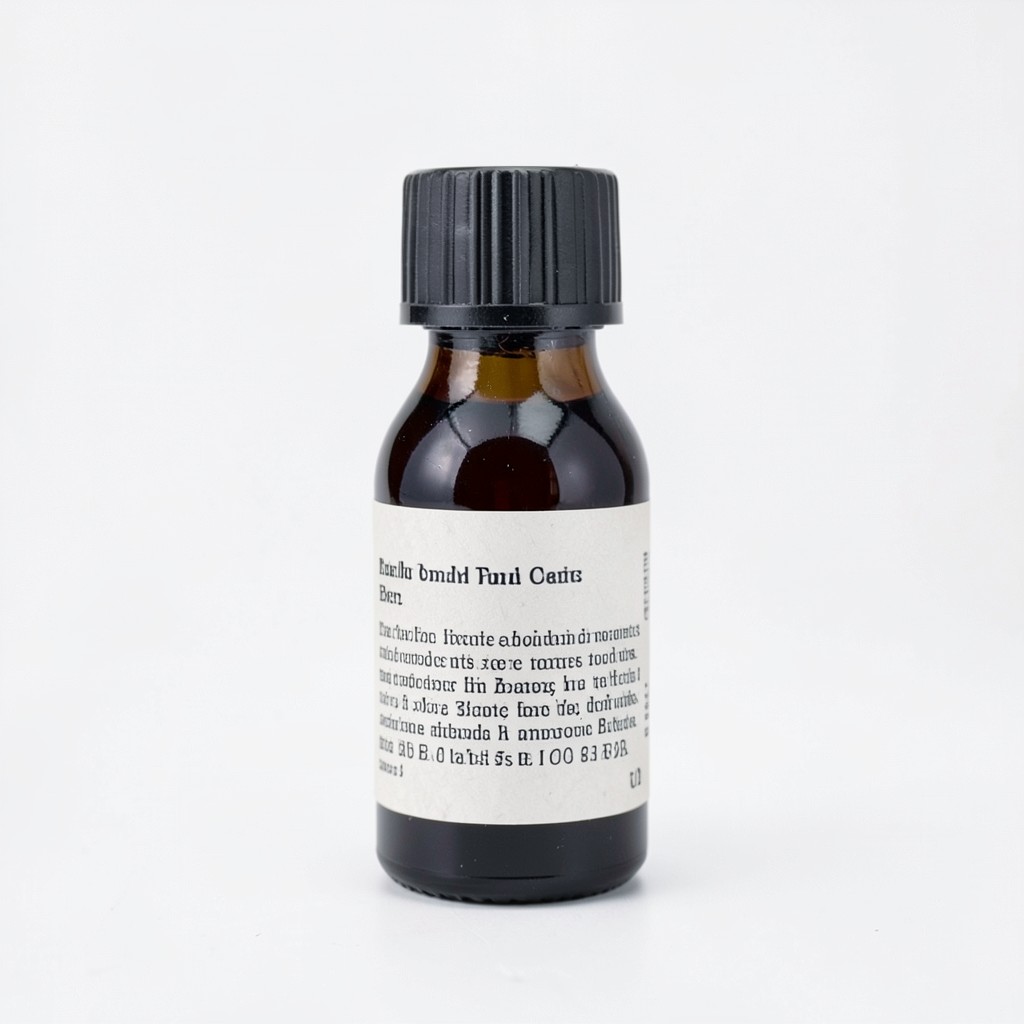 2 drops Aromatic bitters, for garnish
Cuts the richness of the foam and adds a spiced aroma.
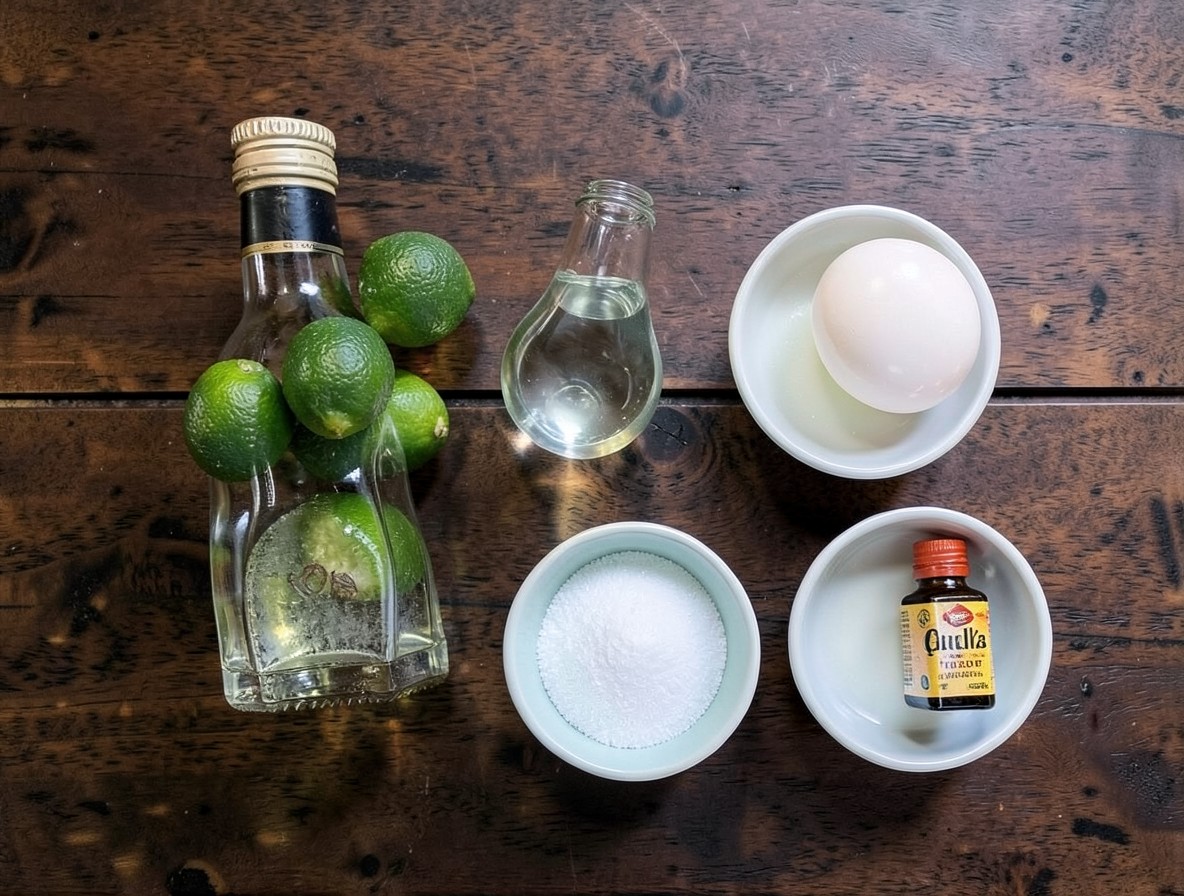
ingredients
Pisco is a grape brandy, and not all are the same. Peruvian pisco is distilled from unaged must and is often more floral and earthy. Chilean pisco can be aged and is generally smoother. Both work, but the Peruvian style is the classic choice here. For the lime, find one that gives a little, which means it's juicy. And don't even think about the green bottle of lime juice. As for the egg, a fresh one will give you a stiffer foam. If you're wary of raw eggs, a pasteurized egg white from a carton will work, but you'll need to shake it longer to get a good froth.
You need: cocktail shaker, jigger, strainer, fine strainer, coupe glass.
Method
Dry shake the base
Combine the pisco, lime juice, simple syrup, and egg white in a cocktail shaker without any ice. Seal it tight and shake hard for about 15 seconds. This is called a dry shake, and it's how you build the foam. Without ice, the egg white whips into a rich, airy froth.
Look for: You'll see a thick, pale foam form on top of the liquid, and the shaker will feel lighter as the mixture becomes aerated.
Common mistake: Skipping the dry shake and going straight to ice. This will still make a drink, but the foam will be thin and watery. The ice melts too quickly and dilutes the egg white before it can whip up.
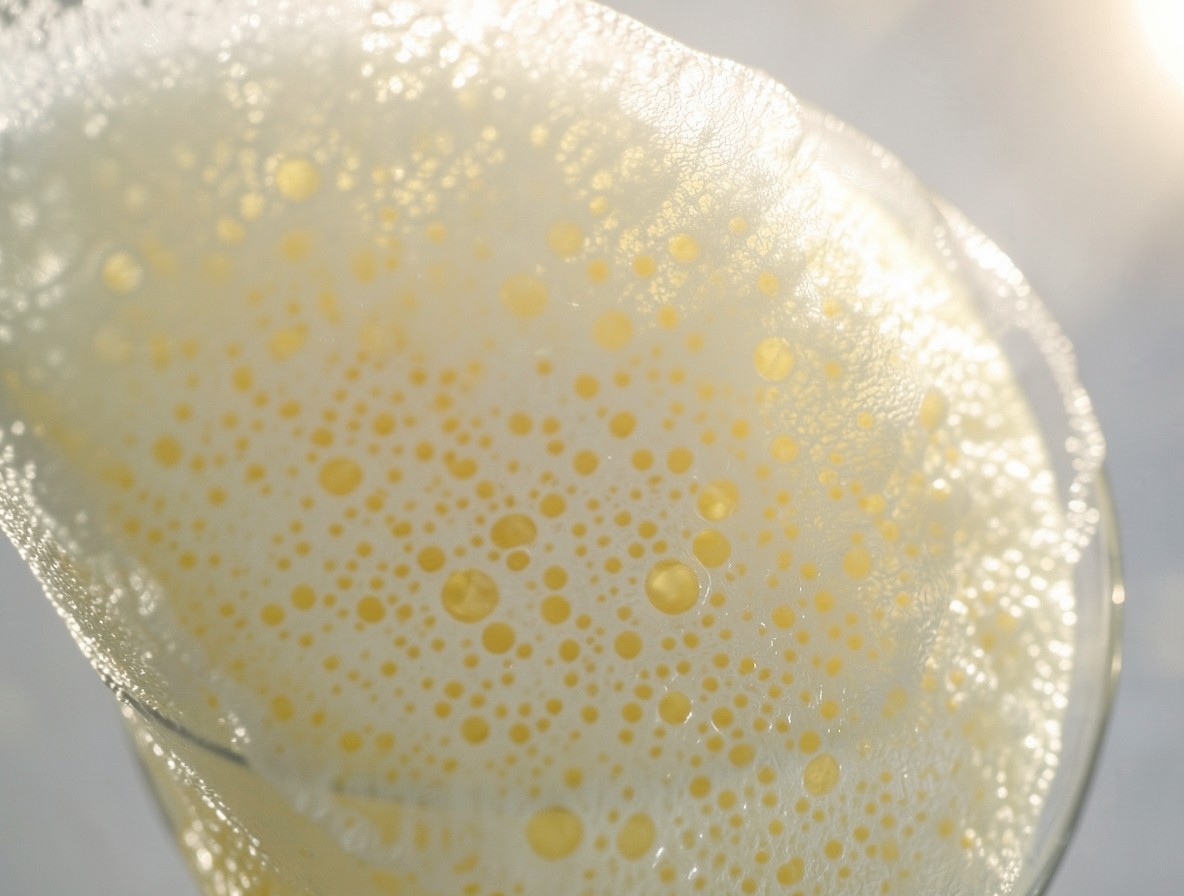
Open the shaker, add a generous scoop of cracked ice, and seal it tight again. Shake hard for another 15 seconds. This second, 'wet' shake chills the drink and adds the right amount of dilution. The cold also helps the foam set and become stable.
Look for: The outside of the shaker will frost over, and you'll hear the ice rattle less as it melts and the liquid gets colder.
Common mistake: Using a few cubes instead of a full scoop. You need the volume of ice to get the drink properly cold and dilute it correctly. Too little ice will leave you with a strong, syrupy drink.
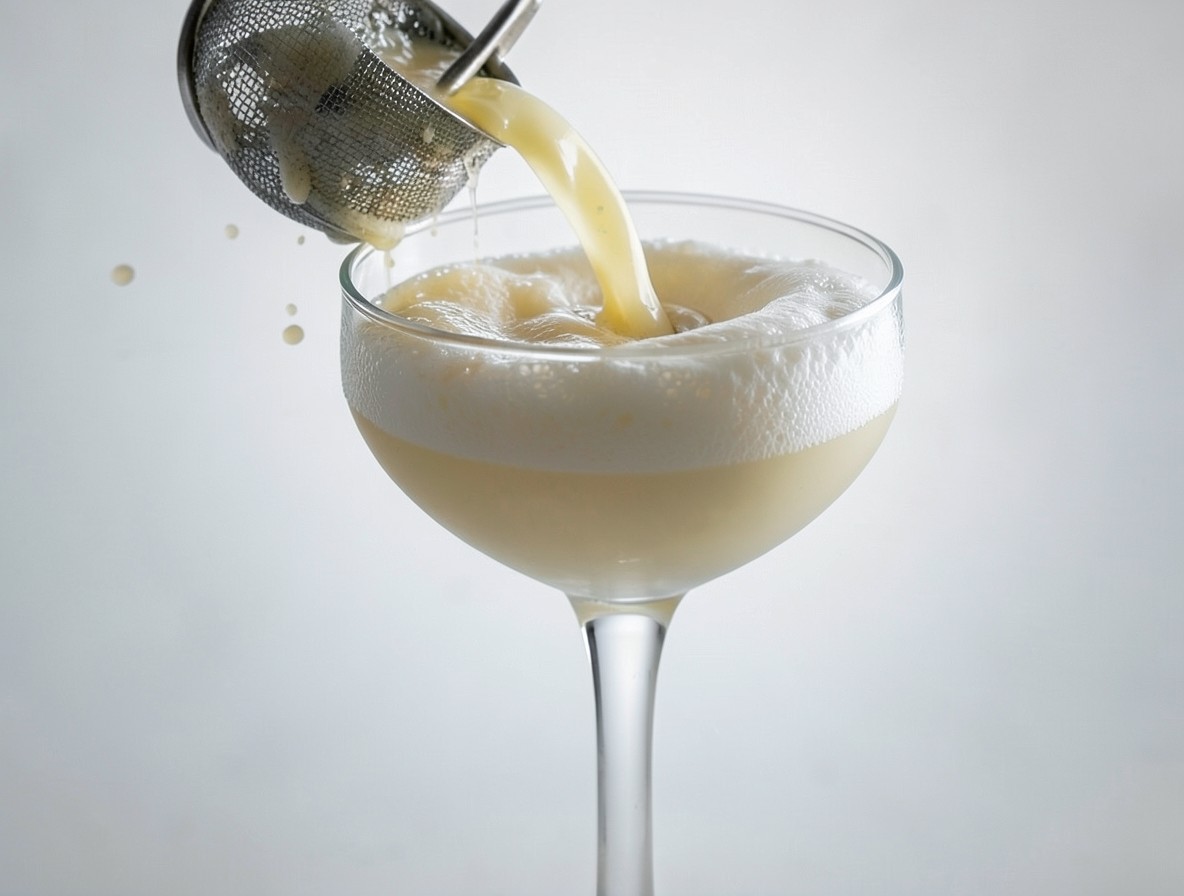
Double-strain the drink into a chilled coupe glass. Hold the fine strainer over the main strainer as you pour. This catches any tiny shards of ice and bits of egg white. Pour all the way to the top—you want that foam to crown over the rim.
Look for: The liquid will be a pale, milky yellow, topped with a thick, creamy foam that should sit above the rim of the glass.
Common mistake: Straight into a warm glass. A warm coupe will wreck the foam and make the drink taste flat. Chill your glass beforehand, or fill it with ice while you shake.
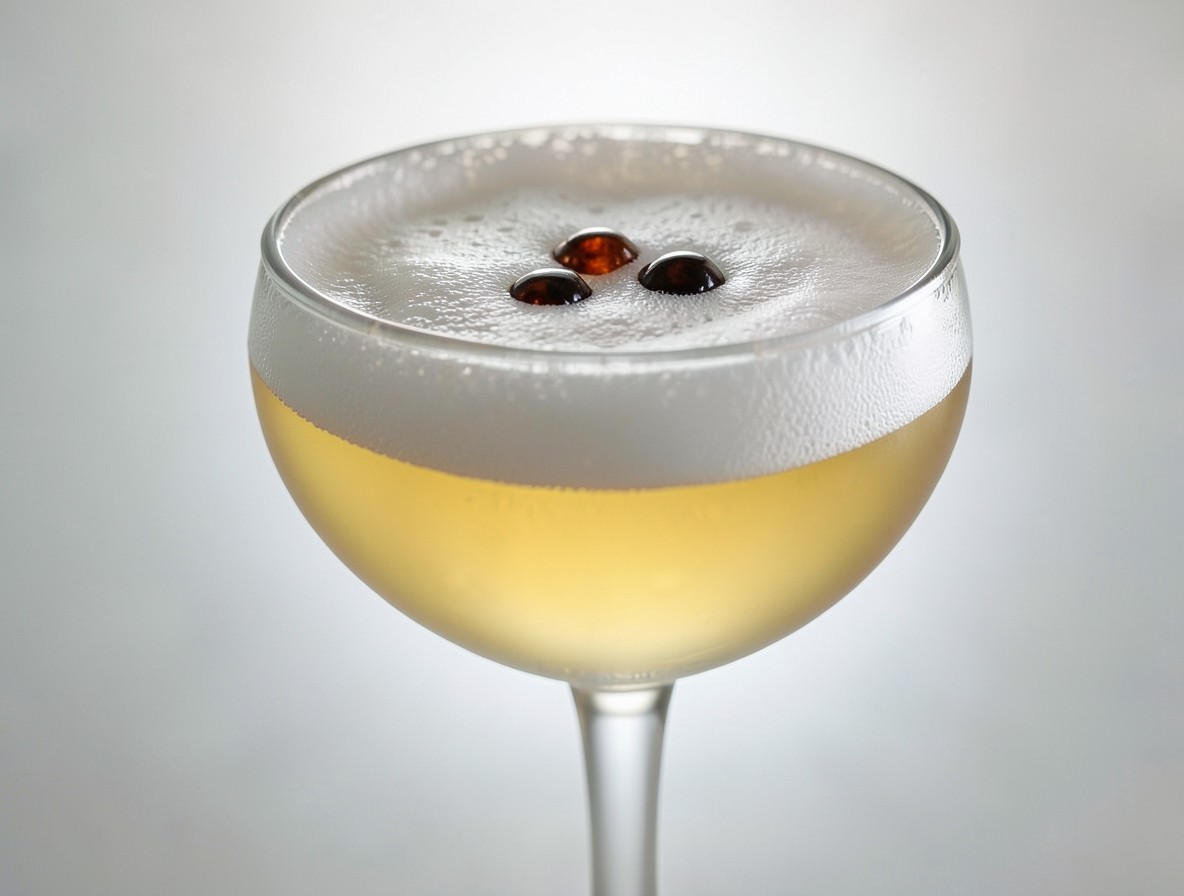
Hold the bottle of aromatic bitters about six inches above the glass and let two or three drops fall onto the center of the foam. The drops will slowly sink and create a beautiful, aromatic pattern. Give the glass a gentle swirl before you sip.
Look for: Dark amber droplets of bitters sitting on the pristine white foam, slowly creating thin, wispy lines as they sink.
Common mistake: Smearing the bitters on the side of the glass. You want them on the foam itself. The point is to catch the aroma as you bring the glass to your lips.
Tips from the bar
- 1Chill your coupe glass in the freezer for at least 15 minutes before you start. A cold glass is essential for keeping the foam stable.
- 2If you're making a batch, you can do the dry shake in a blender, then finish with a wet shake in the shaker.
- 3For a vegan version, use 1 oz of aquafaba (the liquid from a can of chickpeas) instead of the egg white. The texture is identical.
- 4Use a quality pisco. It's the only spirit in the drink, so if it tastes harsh, your cocktail will too.
Variations
- Chilean Pisco Sour: Use Chilean pisco and don't add the bitters. It's a cleaner, more direct citrus flavor.
- Maracuya Sour: Add 1 oz of passion fruit pulp to the shaker for a tropical twist that's popular in modern Peruvian bars.
- Pisco Punch: A sweeter, pre-ban classic from San Francisco that uses pineapple gum syrup instead of simple syrup.
Substitutions
- Aquafaba (1 oz) for egg white: Achieves a nearly identical foam with no animal products. The flavor is neutral.
- Lemon juice for lime: Makes it slightly more tart and less floral. You may need a touch more syrup.
- Light rum for pisco: This becomes a Daiquiri riff. It's good, but it's a different drink entirely.
Serving, storing, batching
Serve this as an aperitif before a meal. Its tartness is perfect for stimulating the appetite, especially alongside light, citrusy ceviche or grilled fish.
This drink is meant to be made and enjoyed immediately. The foam will collapse and the flavors will dull after a few minutes. There's no point in storing it.
To batch for a party, skip the dry shake. Mix the pisco, lime, syrup, and egg white in a blender for 30 seconds, then pour into a large pitcher. When you're ready to serve, shake individual portions with ice. Or, for a larger format, shake the batch in a large Boston shaker with ice and strain into chilled glasses.
Questions people ask
Pisco is a type of brandy from Peru and Chile. It's made by distilling fermented grape juice into a high-proof spirit. Unlike many other brandies, it's typically not aged in wood, so it retains the fresh, floral and fruity character of the grapes.
The sour taste comes from fresh citrus juice, traditionally lime in Peru. The sour is balanced by the simple syrup and the rich texture of the egg white, which together create the drink's signature tart-but-rounded flavor.
It's moderate. A typical Pisco Sour has about 18-20% ABV. The foam from the egg white can mask the alcohol's burn, so it can taste less strong than it is. Sip it, don't shoot it.
A classic Pisco Sour has just five ingredients: pisco, fresh lime juice, simple syrup, egg white, and a few drops of aromatic bitters as a garnish.
The single biggest tip is to do a dry shake—shaking the ingredients without ice first to build a stable foam. Also, always use fresh lime juice. Bottled juice will ruin the flavor.
You can substitute the egg white with aquafaba, the liquid from a can of chickpeas. Use 1 oz of aquafaba for a perfect vegan alternative. It produces the exact same foam without the egg.
Use a Peruvian pisco for the most classic, floral version. Look for a bottle labeled 'Pisco Puro' or 'Acholado'. It's the backbone of the drink, so don't get the cheapest bottle you can find.
You likely didn't shake it hard enough in the dry shake step, or your egg white was too old. A fresh, room-temperature egg and a vigorous 15-second shake are key to a thick foam.
Last word
The Pisco Sour shows how a few simple ingredients, treated with respect, create something special. It's tart and frothy, and endlessly rewarding to perfect. Make one tonight; your shaker gets a workout.