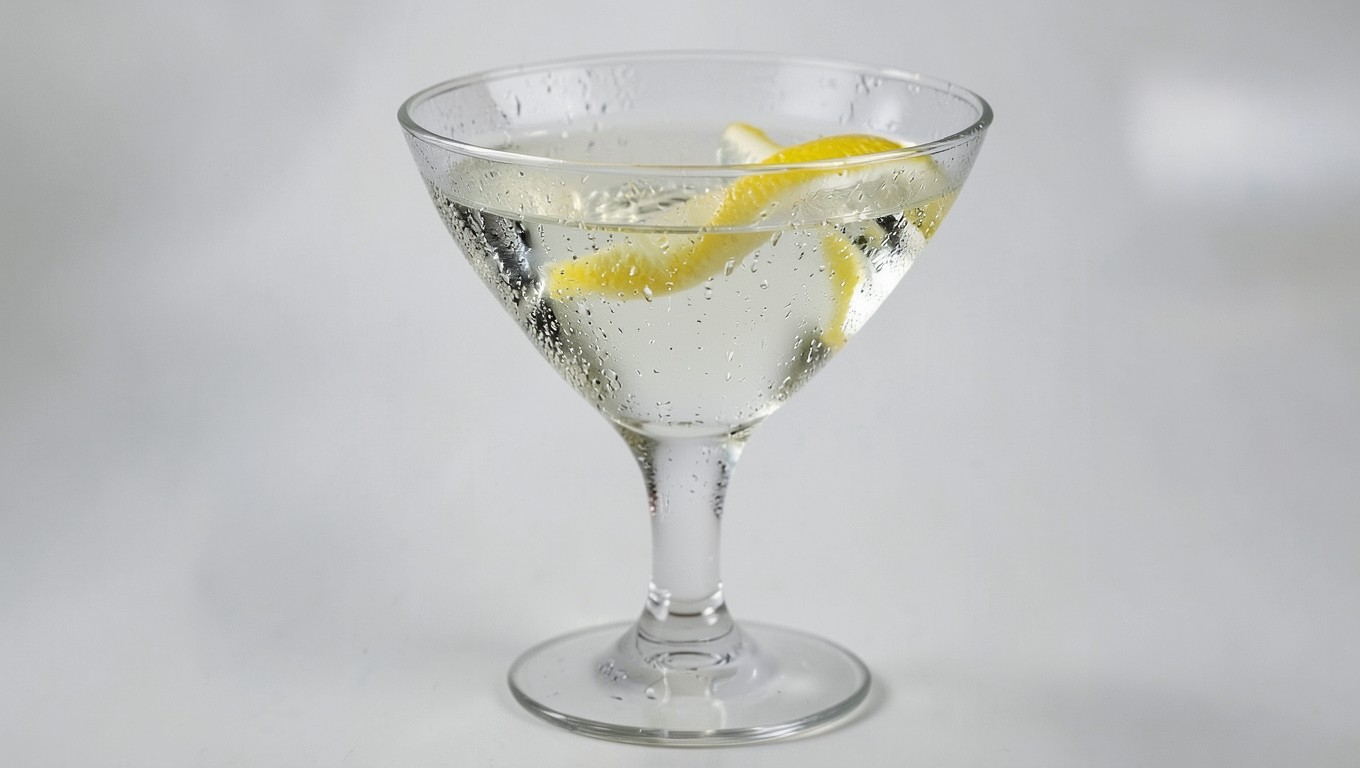
The Classic Martini Recipe You'll Make Again and Again
A martini is an all-spirit cocktail of gin and dry vermouth, stirred with ice and strained into a chilled glass. It tastes crisp and herbal, with a bracing finish, and takes about 6 minutes to make. This recipe makes one drink.

- Basegin
- Strength31% ABV, approximate
- Methodstir
- Glassmartini
- Difficultyeasy
- Total4 min
- Serves1
- Crisp
- Herbal
- Juniper-forward
- Bracing
- Jigger or measuring spoons
- Mixing glass or cocktail shaker
- Bar spoon
- Strainer
- Fine strainer
- Martini glass
- Vegetable peeler
The martini isn't just a drink. It's a baseline, a mirror you hold up to every other cocktail you'll ever make. Once you can nail a martini, you understand dilution. You understand temperature. You understand why some drinks get shaken and others stirred.
This recipe keeps things simple: good gin, a whisper of dry vermouth, and a lemon twist. The whole thing rests on technique, not ingredients. Get the ratio right and the stir slow and deliberate, and you'll have a drink that's colder than a freezer door and clear as window glass.
The only real decision is your gin. A classic London Dry like Beefeater or Tanqueray gives you that juniper-forward bite. A modern gin with more botanicals will shift the whole character. Both work. Just pick one you'd drink neat, because that's essentially what you're doing here.
If you're new to this, don't overthink it. The recipe is three ingredients and one technique. The technique is the hardest part, and you'll have it down by your second glass.
About the Martini
The martini's origins are disputed, with claims pointing to both a San Francisco bartender named Jerry Thomas in the 1860s and a New York hotel bartender in 1912. What's certain is that it evolved from the Martinez, a sweeter drink made with Old Tom gin, sweet vermouth, and maraschino. Over time, the sugar fell away and the gin took over, leaving the stark, dry drink we know today. Its cultural role is tied to mid-century American sophistication, from James Bond's "shaken, not stirred" to the three-martini lunch. It remains a test of a bartender's fundamentals.
Why it works
- 1Stirring, not shaking, keeps the gin and vermouth perfectly clear and silky on the palate.
- 2The 6:1 gin-to-vermouth ratio lets the botanicals of the gin lead while the vermouth adds a dry, herbal finish.
- 3Dilution from stirring mellows the high-proof spirits and opens up the aromatics.
- 4A chilled glass keeps the drink cold without further dilution after it's poured.
Ingredients
Serves 1.
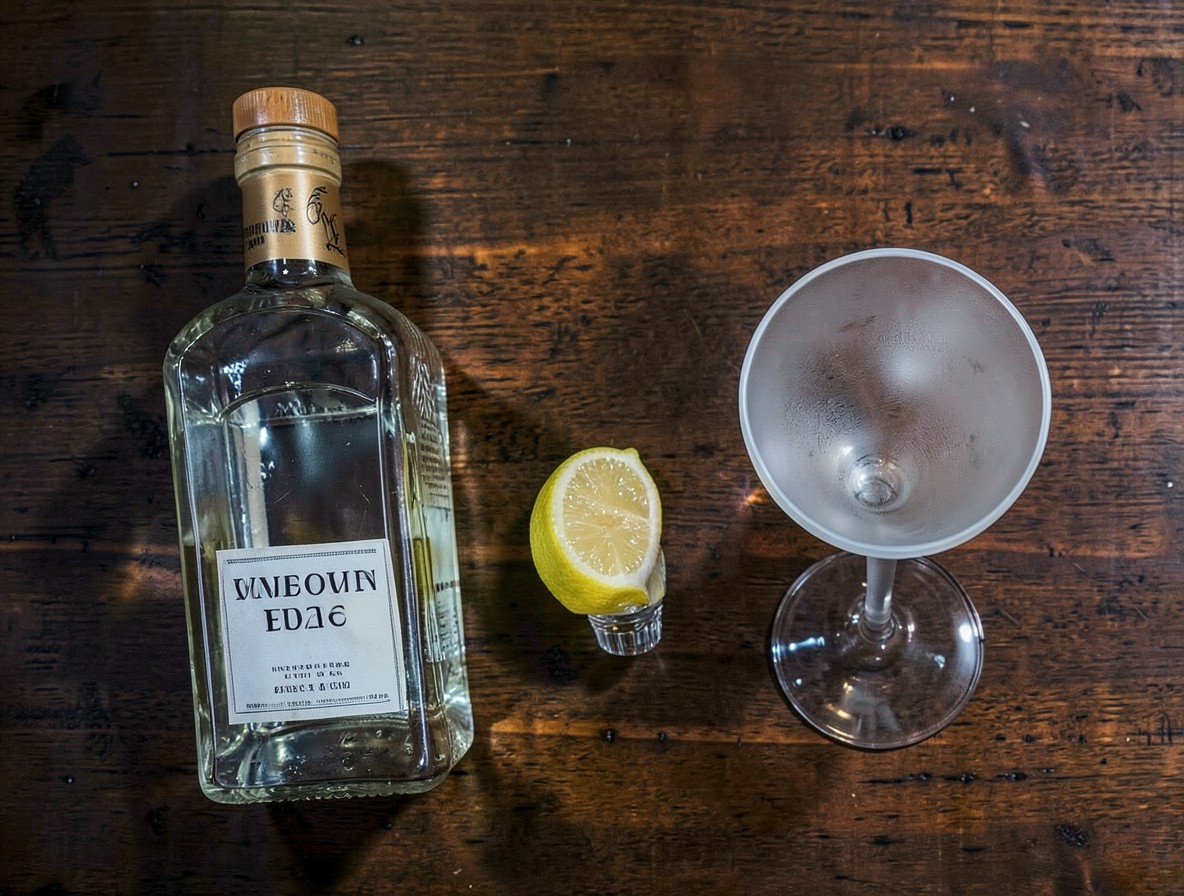
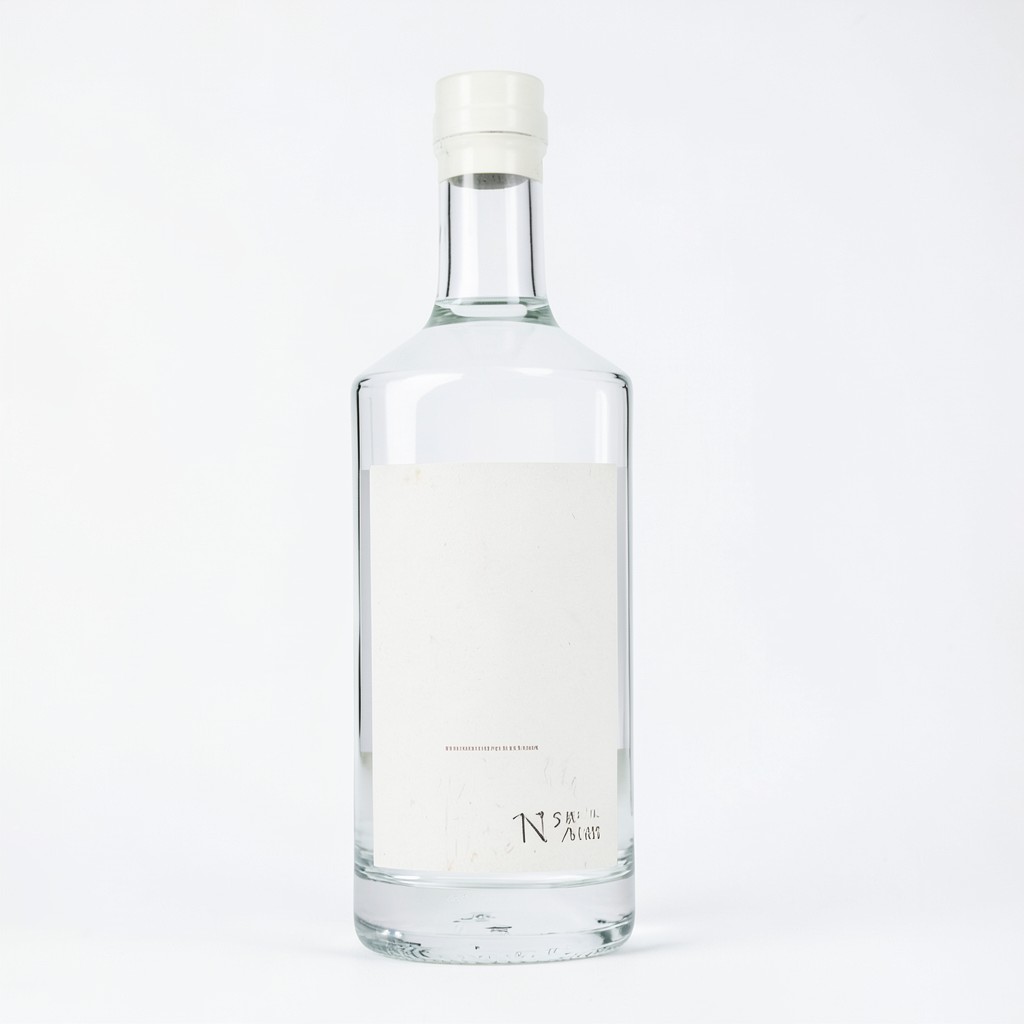 3 oz London Dry Gin, chilled
The entire character of the drink. Choose a gin you'd happily drink neat.
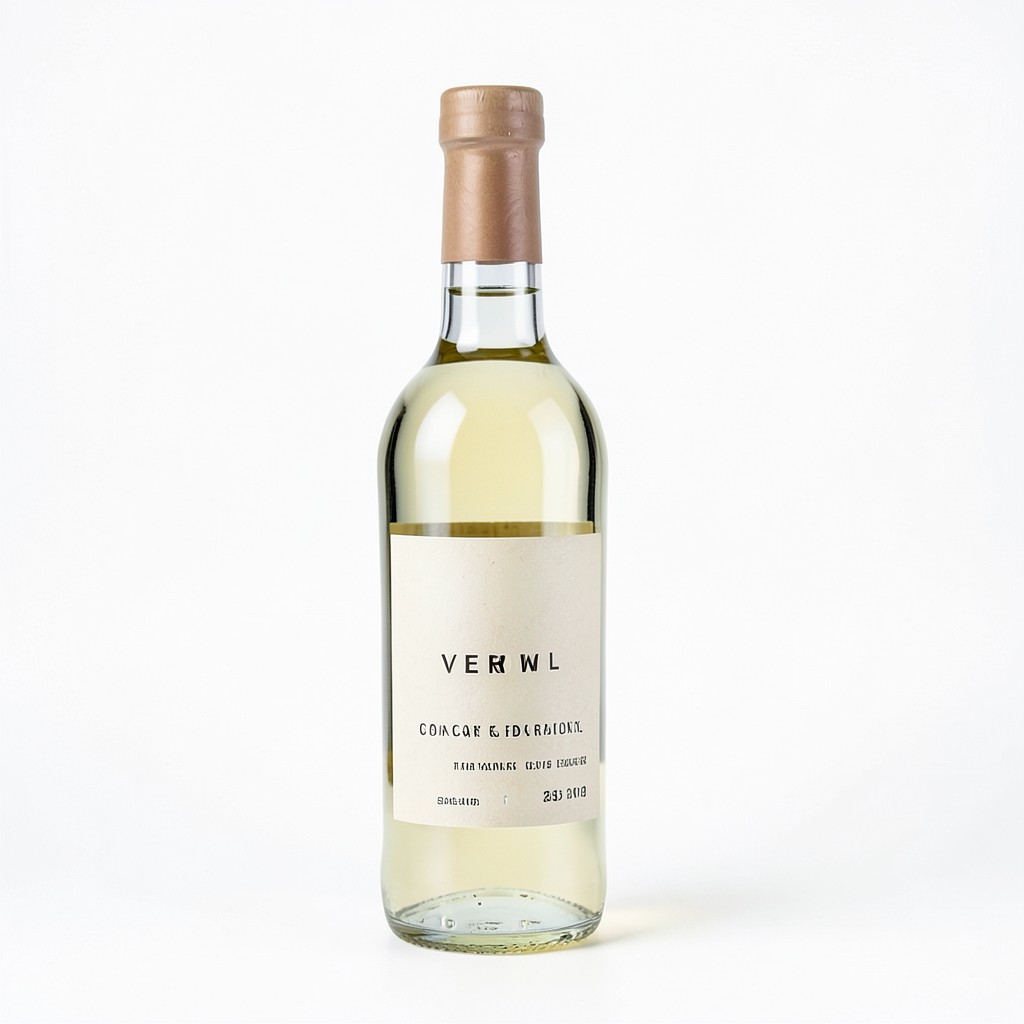 0.5 oz Dry Vermouth, chilled
Adds the dry, herbal backbone. Keep it fresh in the fridge; it oxidizes quickly.
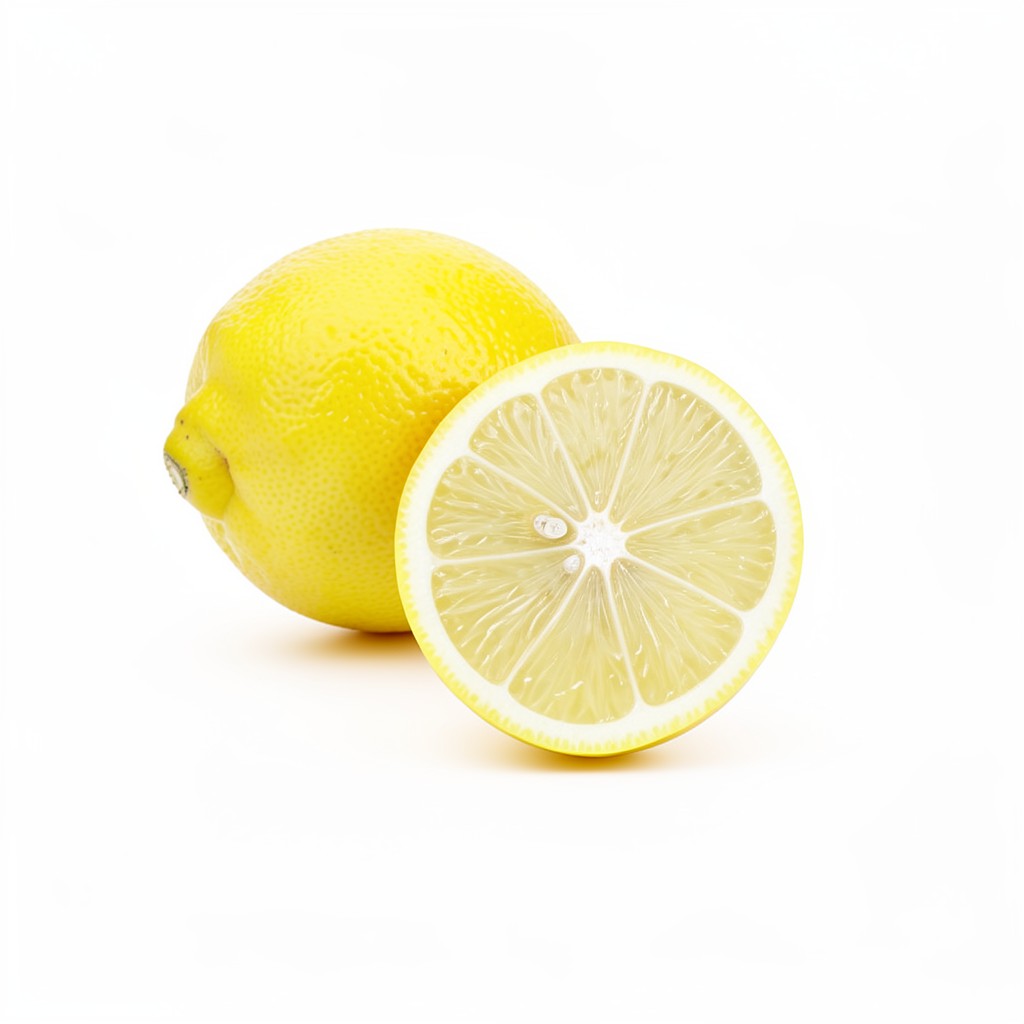 1 twist Lemon peel, for garnish
The oils from the peel perfume the drink and cut through the alcohol.
ingredients
The gin is the whole show here. A classic London Dry gives you that piney juniper punch. A Plymouth gin is softer and earthier. A modern gin with citrus or floral botanicals will tilt the drink in that direction. For the vermouth, use a quality dry white vermouth like Dolin or Noilly Prat. Vermouth is wine, so it goes bad. Keep it in the fridge and use it within a month of opening. The lemon peel should be thick enough to have oil, but not so thick it's all white pith, which is bitter.
You need: jigger or measuring spoons, mixing glass or cocktail shaker, bar spoon, strainer, fine strainer, martini glass, vegetable peeler.
Method
Chill your glass
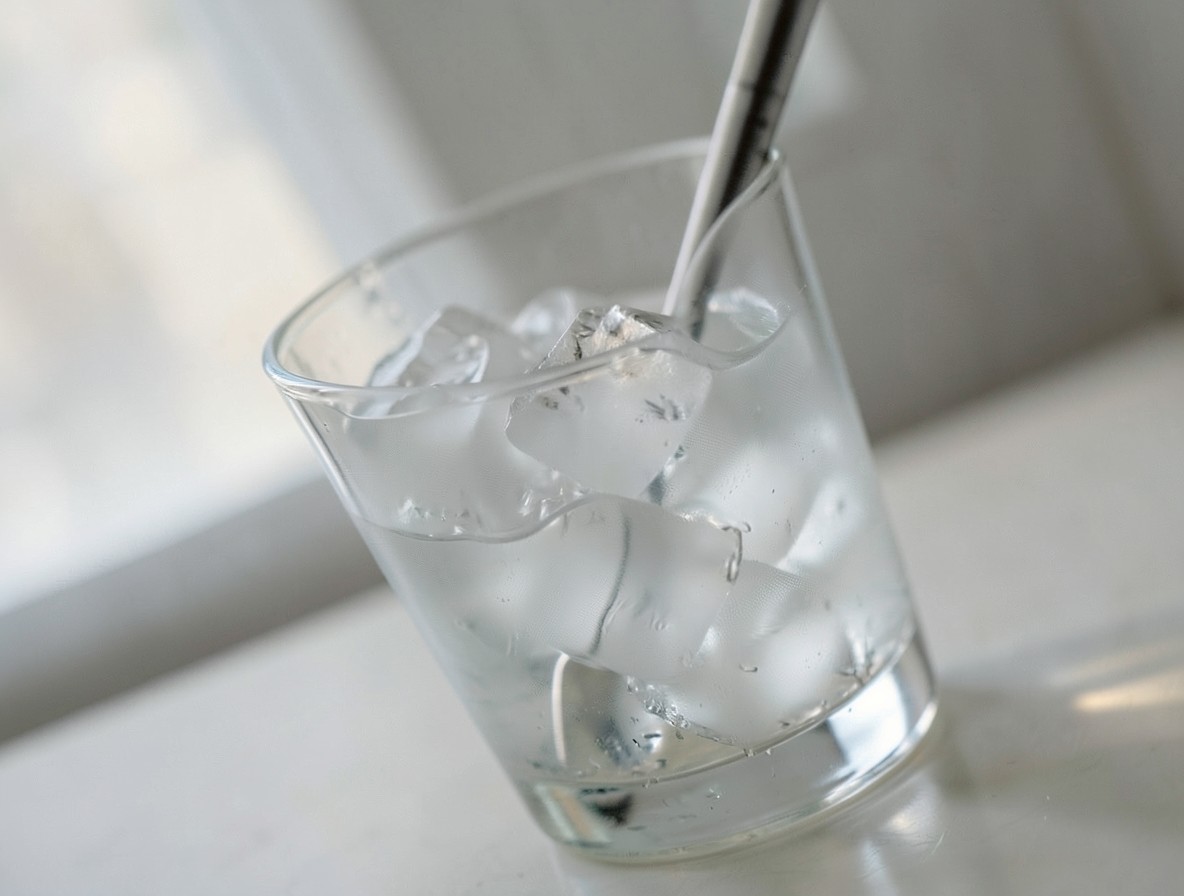
Fill your martini glass with ice and cold water. Set it aside while you build the drink. This gets the glass properly cold, far more effective than just leaving it in the freezer for a few minutes.
Look for: Condensation forms on the outside of the glass.
Common mistake: Skipping the chill. A warm glass warms the drink in seconds and ruins the whole point.
Pour 3 ounces of gin and 0.5 ounce of dry vermouth into a mixing glass filled with fresh, large ice cubes. Use a jigger, not a free pour. This ratio is the drink.
Look for: The clear liquids combine over the ice.
Common mistake: Guessing the pour. A heavy hand with vermouth turns a martini into a sad glass of herbs.
Stir the mixture gently with a bar spoon for about 30 seconds. The goal is dilution, not aeration. Shaking would bruise the spirits and cloud the drink with tiny ice shards. Stirring keeps it silky and clear.
Look for: The outside of the mixing glass frosts over and the spoon moves silently through the liquid.
Common mistake: Stirring too vigorously or for too long, over-diluting the drink and making it watery.
Tip the ice water out of your martini glass. Don't dry it; a faint chill film is fine.
Look for: The glass is frosty and empty.
Common mistake: Leaving ice in the glass. It will melt and water down the finished drink.
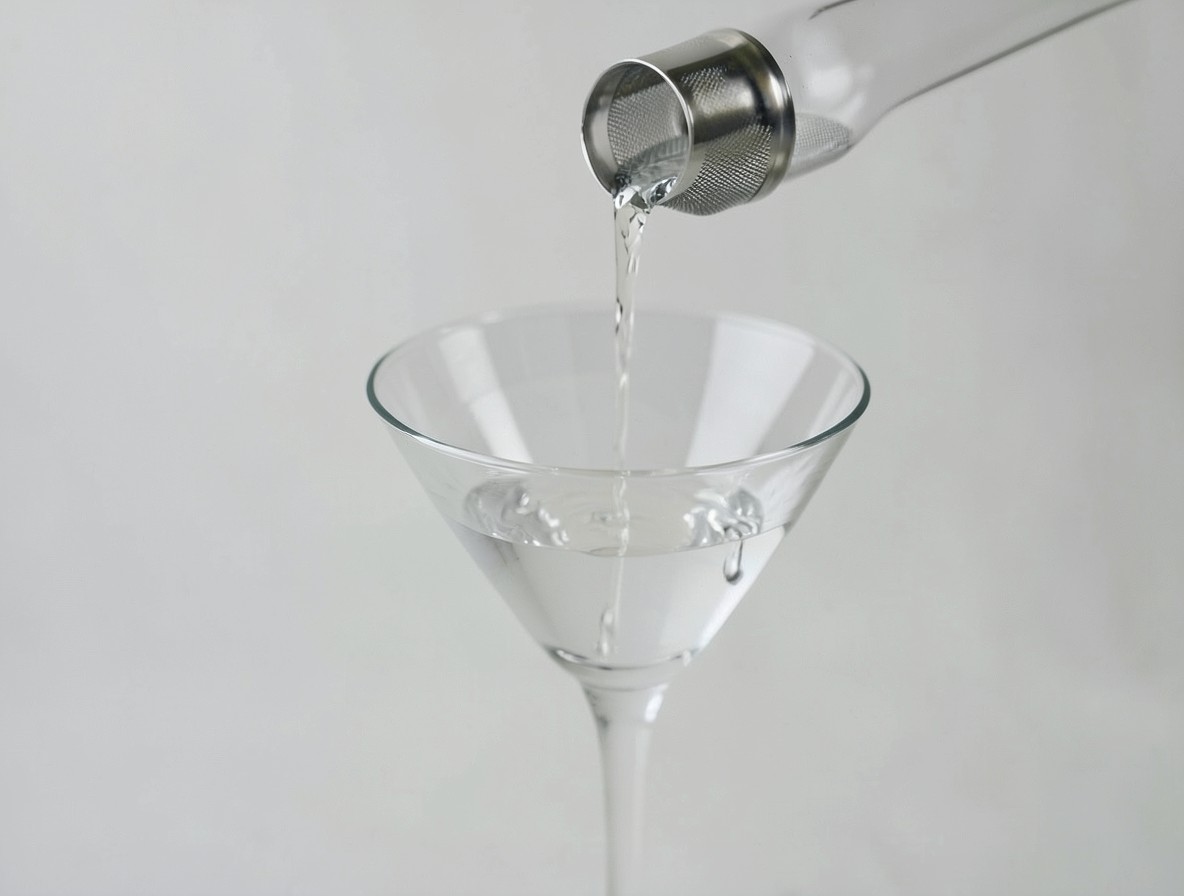
Place a fine strainer over the mixing glass and strain the martini into your chilled glass. A fine strainer catches any tiny shards of ice or bits of botanicals that would muddy the texture.
Look for: A perfectly clear, pale liquid lands in the glass with no visible ice.
Common mistake: Straining without a fine mesh, letting ice slivers into the drink.
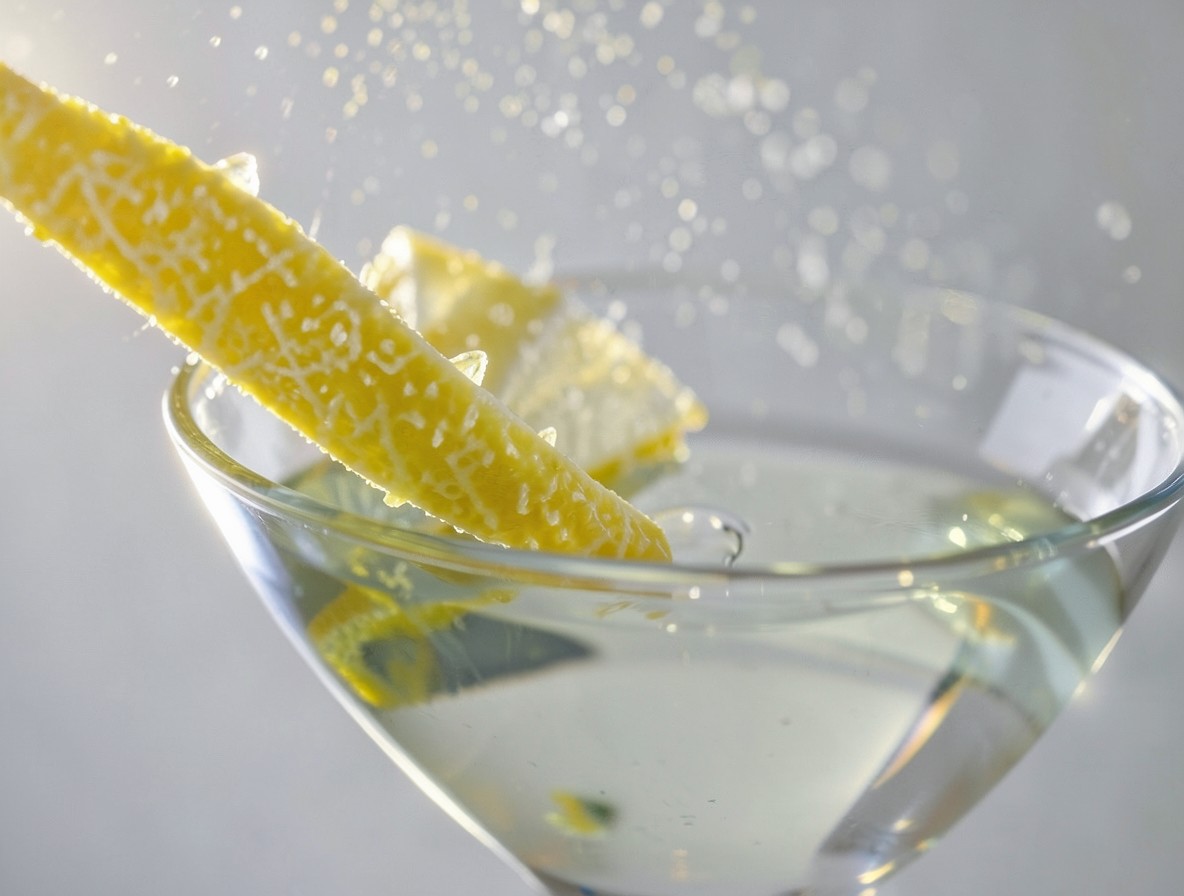
Hold a thumb-sized piece of lemon peel, yellow side down, over the glass. Give it a sharp twist to spray the oils onto the surface of the drink. Run the peel around the rim, then drop it in.
Look for: A fine mist of citrus oil lands on the surface, and the peel floats on top.
Common mistake: Skipping the twist. The oils are the seasoning; without them the drink tastes flat.
Tips from the bar
- 1Put your gin and vermouth in the freezer for an hour before you start. This lessens the dilution needed to get the drink cold.
- 2Use one single large ice cube if you have it. Less surface area means slower, more controlled dilution.
- 3If you want it 'dirty', add 0.5 ounce of olive brine before stirring. The brine is a modifier, not a juice, so it still gets stirred.
- 4A bar spoon is a real tool. Use it for the long, slow stir.
- 5The lemon twist is not a garnish. It's an ingredient. Express the oils or skip it.
Variations
- Vodka Martini: Substitute the gin with a high-quality vodka for a cleaner, more neutral flavor that lets the vermouth shine.
- Dirty Martini: Add 0.5 ounce of olive brine to the mixing glass. The brine adds a salty, savory depth that some people find addictive.
- Gibson: Garnish with a cocktail onion instead of a lemon twist. The onion adds a gentle, savory sweetness.
- Perfect Martini: Use equal parts dry and sweet vermouth for a rounder, slightly sweeter profile.
Substitutions
- Gin: You can use vodka. The drink becomes a Vodka Martini—cleaner and less botanical.
- Dry Vermouth: A dry white wine like Sauvignon Blanc is a distant cousin, but it won't have the same herbal complexity and will change the drink.
- Lemon peel: A lime twist works if you're out of lemon. It will be more floral and tart.
Serving, storing, batching
Serve it alone, before a meal. It's an aperitif, designed to wake up the palate. Pair it with salty snacks—olives, almonds, or a cheese board. The salt cuts the alcohol burn, the fat coats the palate, and the drink's crispness resets your mouth.
This drink doesn't store. The vermouth will oxidize and the dilution will throw everything off. Make it fresh, every time. The vermouth bottle itself should live in the fridge once opened.
You can batch the gin and vermouth in a bottle at the 6:1 ratio. For a party, pre-mix a 750ml bottle with 650ml gin and 100ml vermouth. Keep it in the freezer and stir individual portions with ice. One large ice cube per glass, and you'll have consistent drinks all night.
Questions people ask
A true martini is a combination of gin and dry vermouth, stirred with ice and strained into a chilled cocktail glass. It has no juice or syrups. That purity is what defines it.
The three main types are the classic gin martini (gin and dry vermouth), the vodka martini (vodka and dry vermouth), and the dirty martini, which adds a splash of olive brine. Each shifts the flavor: botanical, clean, or savory.
Yes. A traditional martini is made almost entirely from spirits, so it's usually around 30-35% ABV. The only dilution comes from the ice during stirring. It's meant to be sipped slowly, not downed.
It's 'dirty' because it's contaminated with olive brine, which turns the clear drink cloudy and adds a salty, savory flavor. The term is a playful nod to the drink losing its pure, clear appearance.
A classic martini is made of gin, dry vermouth, and a lemon twist for garnish. The standard ratio is 6:1, meaning 3 ounces of gin to 0.5 ounce of dry vermouth.
Stir 3 ounces of gin and 0.5 ounce of dry vermouth with ice for about 30 seconds. Strain into a chilled martini glass and express a lemon peel over the top. Stirring, not shaking, keeps the drink clear and silky.
Dry refers to the amount of vermouth. Less vermouth makes it drier. Dirty is a completely separate thing, referring to the addition of olive brine, which gives it a salty, savory flavor.
For a beginner, a vodka martini is more approachable because vodka has a cleaner, less assertive flavor than gin. Use a 6:1 ratio and a lemon twist. It's a smooth, easy entry point.
Last word
That's the classic martini. Get the gin right and stir gently, and the drink rewards precision.