The Classic Champagne Cocktail, Done Right
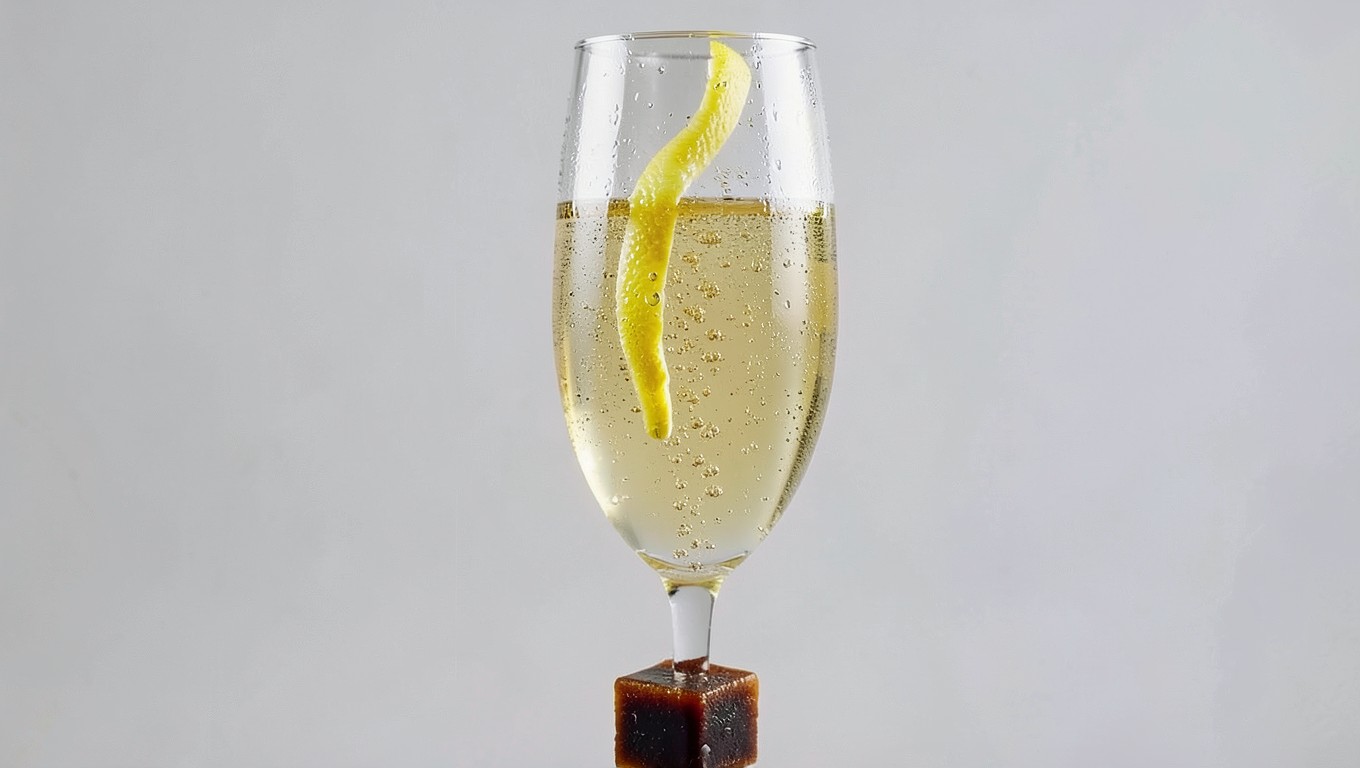
The champagne cocktail is a classic build of a sugar cube soaked in aromatic bitters, a dash of cognac, and topped with chilled champagne. It's crisp, aromatic, and slightly sweet, taking just 2 minutes to assemble in a flute. Serves one.

- Basecognac
- Strength14% ABV, approximate
- Methodbuild
- Glassflute
- Difficultyeasy
- Total3 min
- Serves1
- Crisp
- Aromatic
- Lightly sweet
- Flute or coupe
- Jigger
- Bar spoon
The champagne cocktail is the drink you make when you want to open something good but don't want to fuss. It's not a punch, not a spritz, and it doesn't need a shaker. A sugar cube, a few dashes of bitters, a whisper of cognac, and cold champagne. That's the whole thing.
What you get is a contrast. The sugar rounds off champagne's sharp edges, the bitters pull it toward something aromatic and almost botanical, and the cognac adds a warm, faintly oaky base note. The bubbles do the rest. It's a drink that looks like a celebration and tastes like one too, which is why it's survived for two centuries.
This version skips nothing and adds nothing. It's the original formula from the bar manuals of the 1860s, and it's still the best champagne cocktail recipe for a reason. Two minutes, one glass, zero technique.
About the Champagne Cocktail
The champagne cocktail is one of the oldest mixed drinks in the canon, appearing in Jerry Thomas's 1862 'How to Mix Drinks'. It predates the modern cocktail renaissance by over a century and belongs to a family of simple, bubbly builds that let the wine carry the flavor. Its role has always been ceremonial: an easy, elegant drink that lifts a moment without demanding a bartender's full kit. It differs from the French 75 or a Kir Royale by using only a whisper of spirit and a sugar cube instead of a full base alcohol and syrup, keeping the champagne as the undisputed lead.
Why it works
- 1The sugar cube dissolves slowly, sweetening the first sips and gradually balancing the wine's acidity as you drink.
- 2Aromatic bitters add complex spice notes that the champagne's bubbles carry across the palate, creating depth from a single dash.
- 3The cognac is a modifier, not a base: it adds a warm, oaky undertone without masking the champagne's character.
- 4Building in the glass keeps every bubble intact, preserving the wine's texture and carbonation.
- 5A long lemon twist expresses oils that cut through the sweetness and add a bright, citrusy top note.
Ingredients
Serves 1.
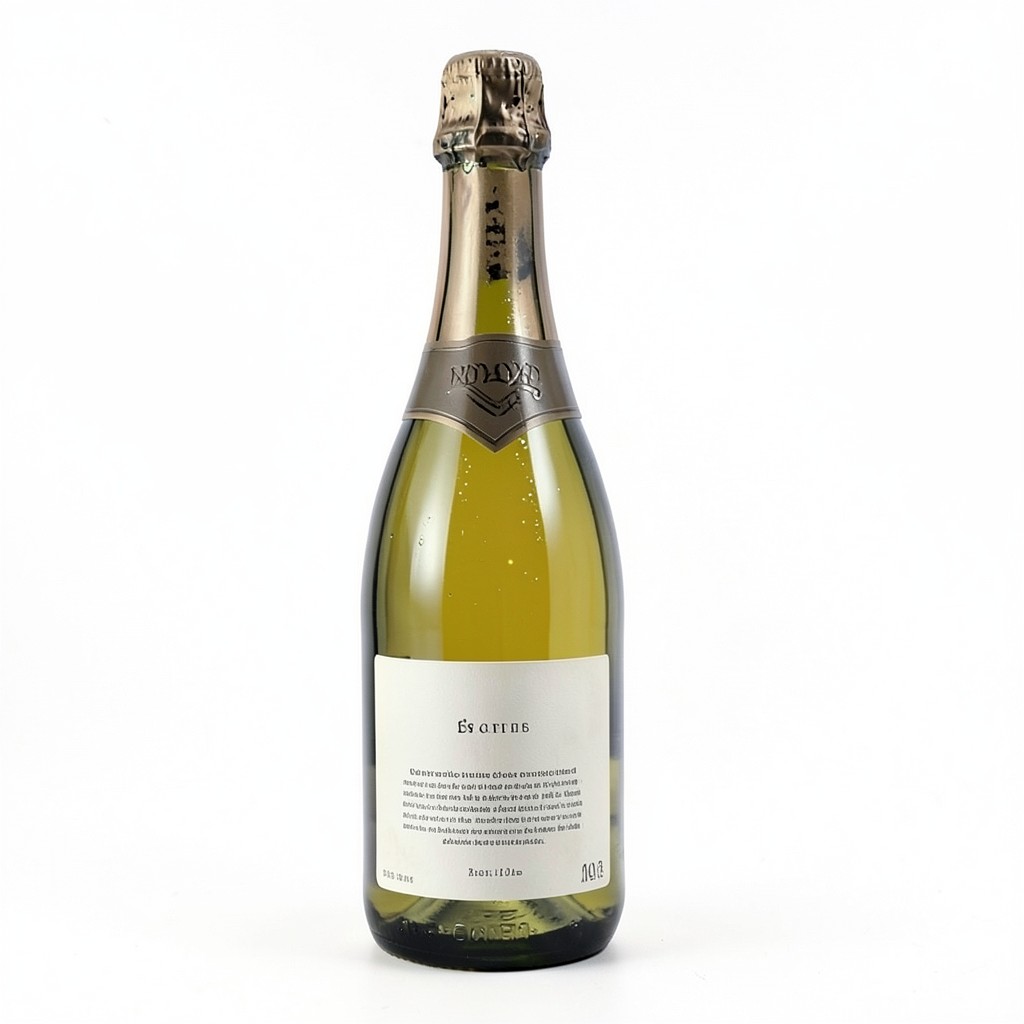 120 ml chilled champagne or sparkling wine, very cold
Warm champagne loses its bubble and its structure.
 1 piece sugar cube, white, not demerara
White sugar dissolves cleanly and doesn't cloud the wine.
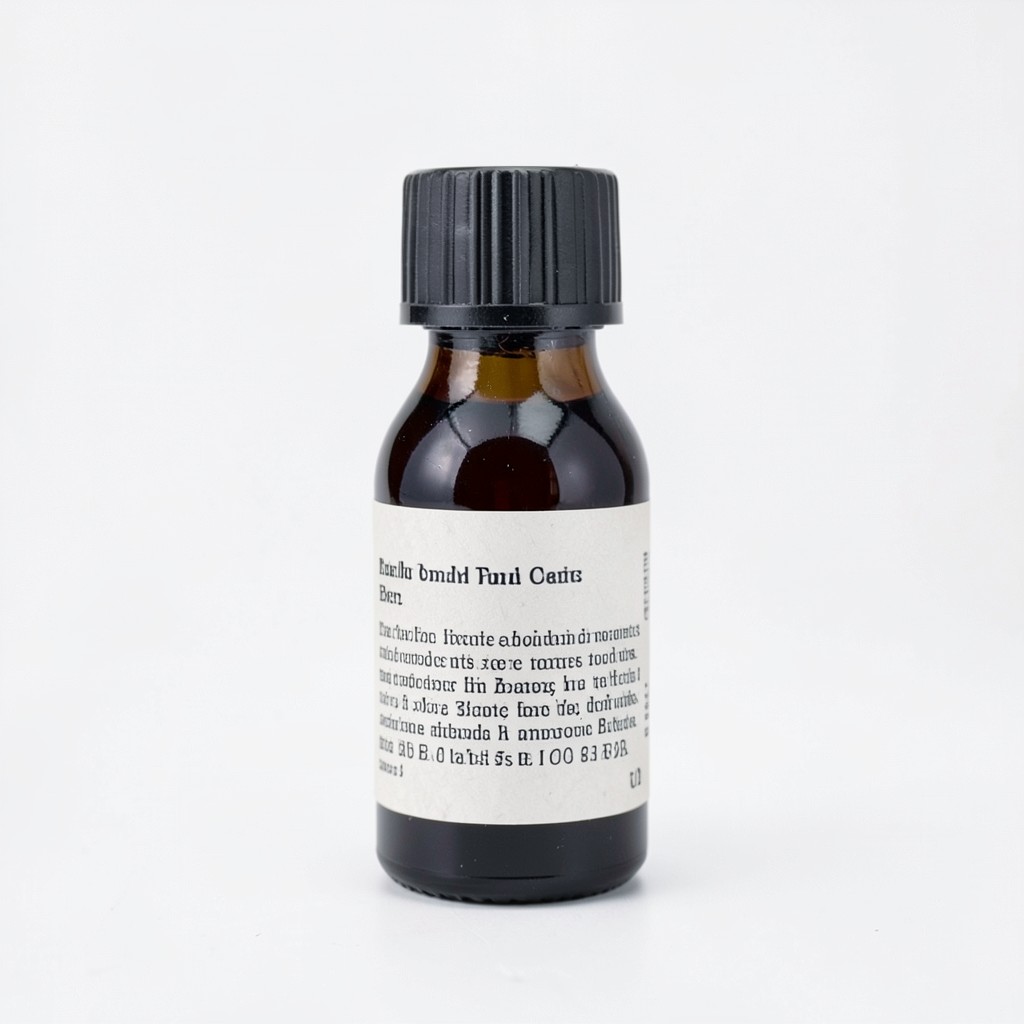 2 dashes aromatic bitters, Angostura or Peychaud's
Adds spice, clove and cinnamon notes that define the drink.
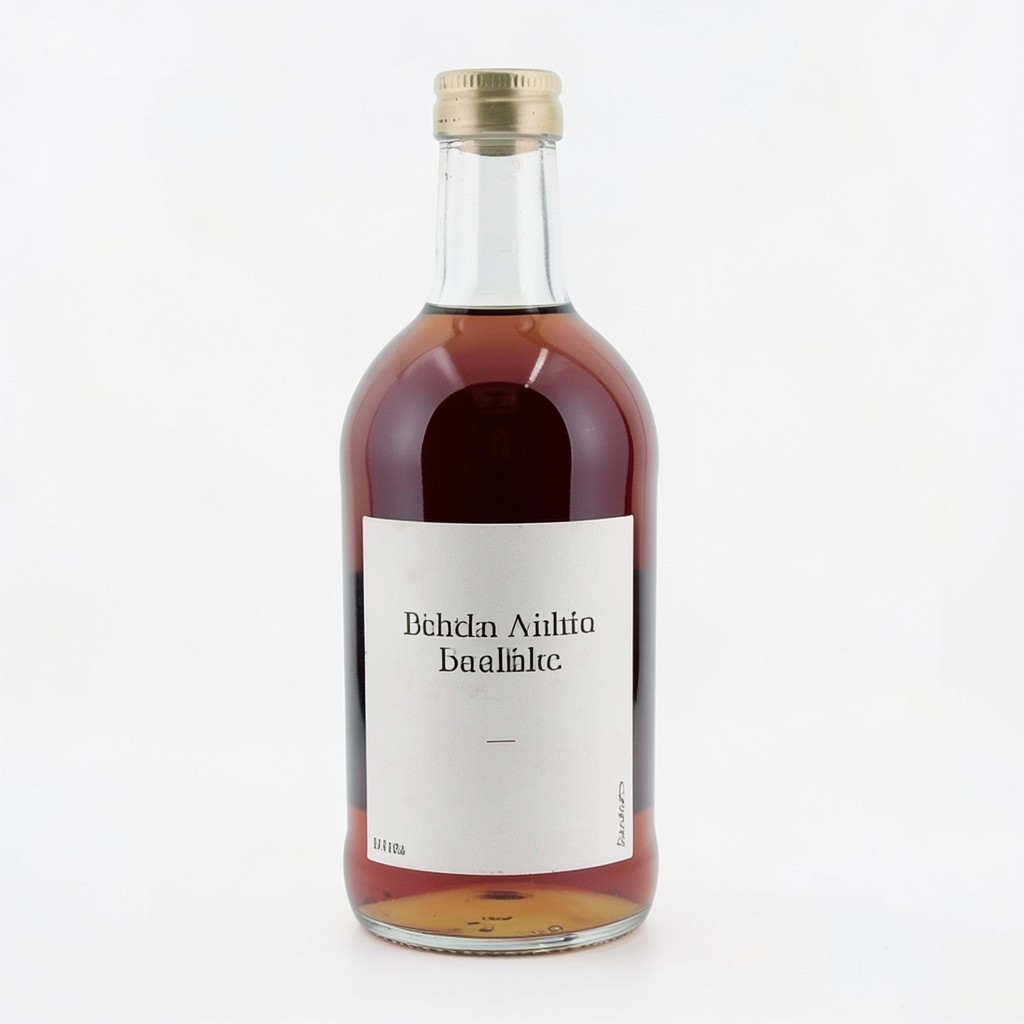 5 ml cognac, a small dash
A whisper of oak and warmth that supports, never dominates.
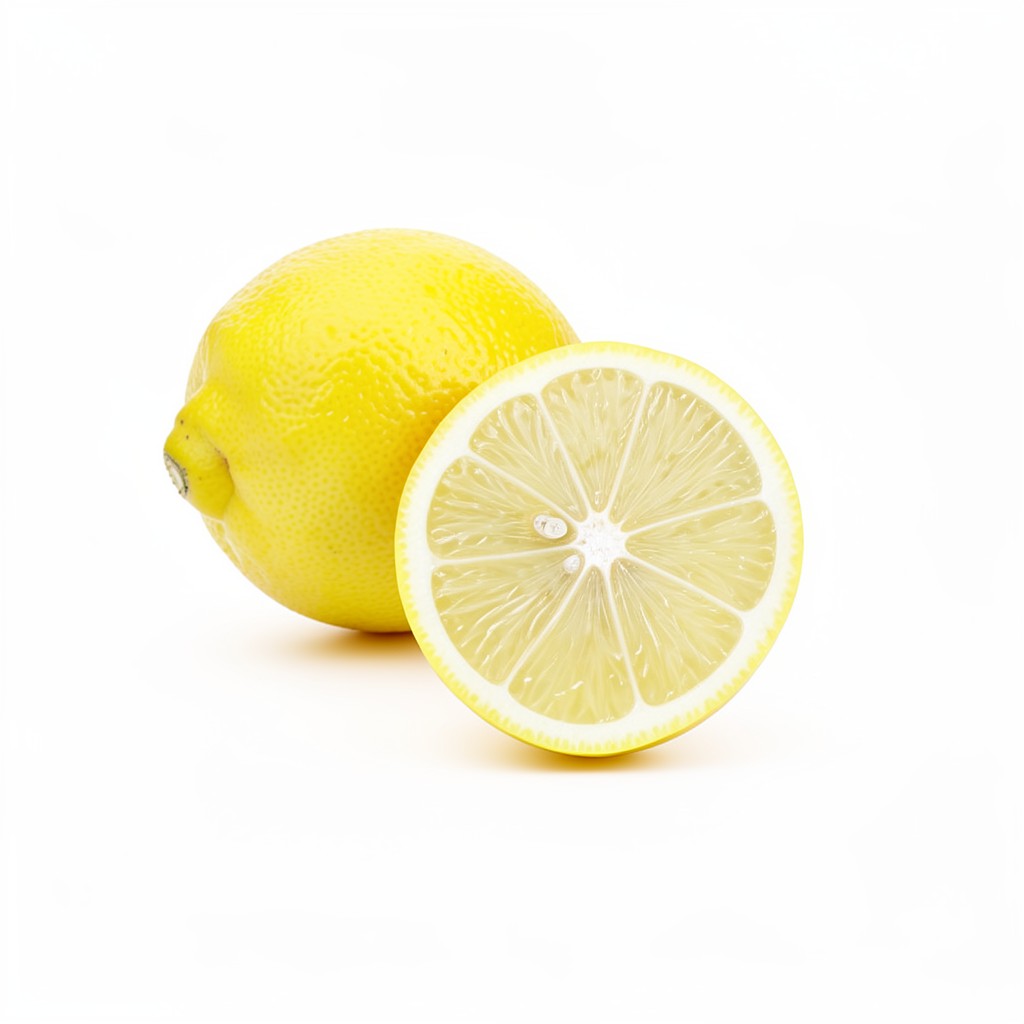 1 piece lemon peel, a long, wide strip
The oils are the garnish and the seasoning.
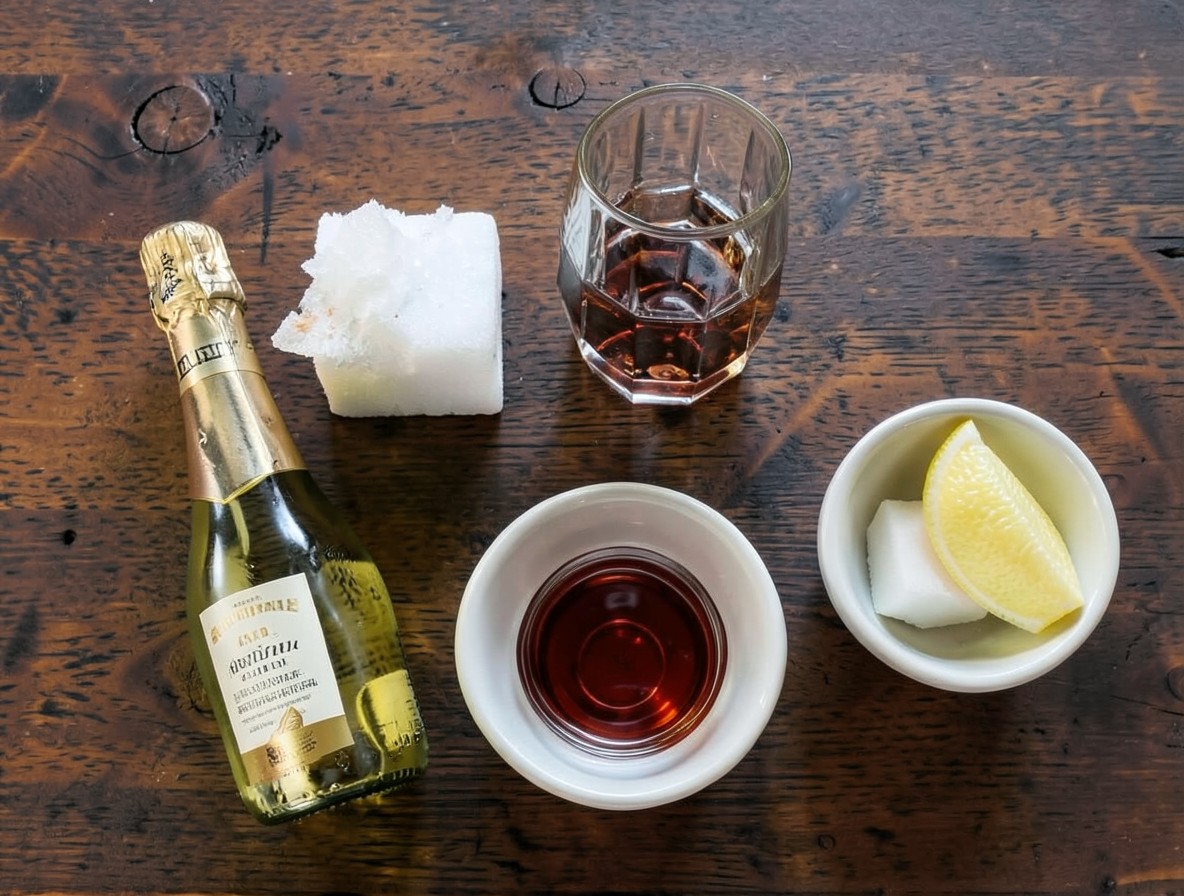
ingredients
The champagne matters more than everything else combined. Use a dry brut or extra-brut; the sugar cube adds sweetness, so you don't need a demi-sec. A quality cremant or cava works fine and will save you money. For the bitters, Angostura is classic and plays perfectly with the lemon. If you want a subtler, more floral result, Peychaud's is the alternative. The cognac should be small; a VS or VSOP is fine. And it must be cold, not chilled, but properly cold, at least 4°C, or the bubbles will die the moment they hit the glass.
You need: flute or coupe, jigger, bar spoon.
Method
Drop in the sugar cube
Place the sugar cube in the bottom of a cold flute. It should sit snug, not rattle around. If you're using a coupe, the cube will rest flat in the bowl — that's fine, just keep the proportions the same.
Look for: A neat white cube resting at the bottom of a clear, cold glass.
Common mistake: Using a sugar cube that's too large for the glass. It won't dissolve properly and the last sips will be syrupy. Break it in half if needed.
Dash the bitters directly onto the sugar cube. Aim for the center, not the sides of the glass. Give it a few seconds to soak in — the cube should stain a deep amber, not stay white.
Look for: The cube turns a rich amber-brown on its surface, like a tea stain.
Common mistake: Dashing the bitters into the glass rather than on the cube. They'll disperse unevenly and you'll get one bitter sip instead of a balanced drink.
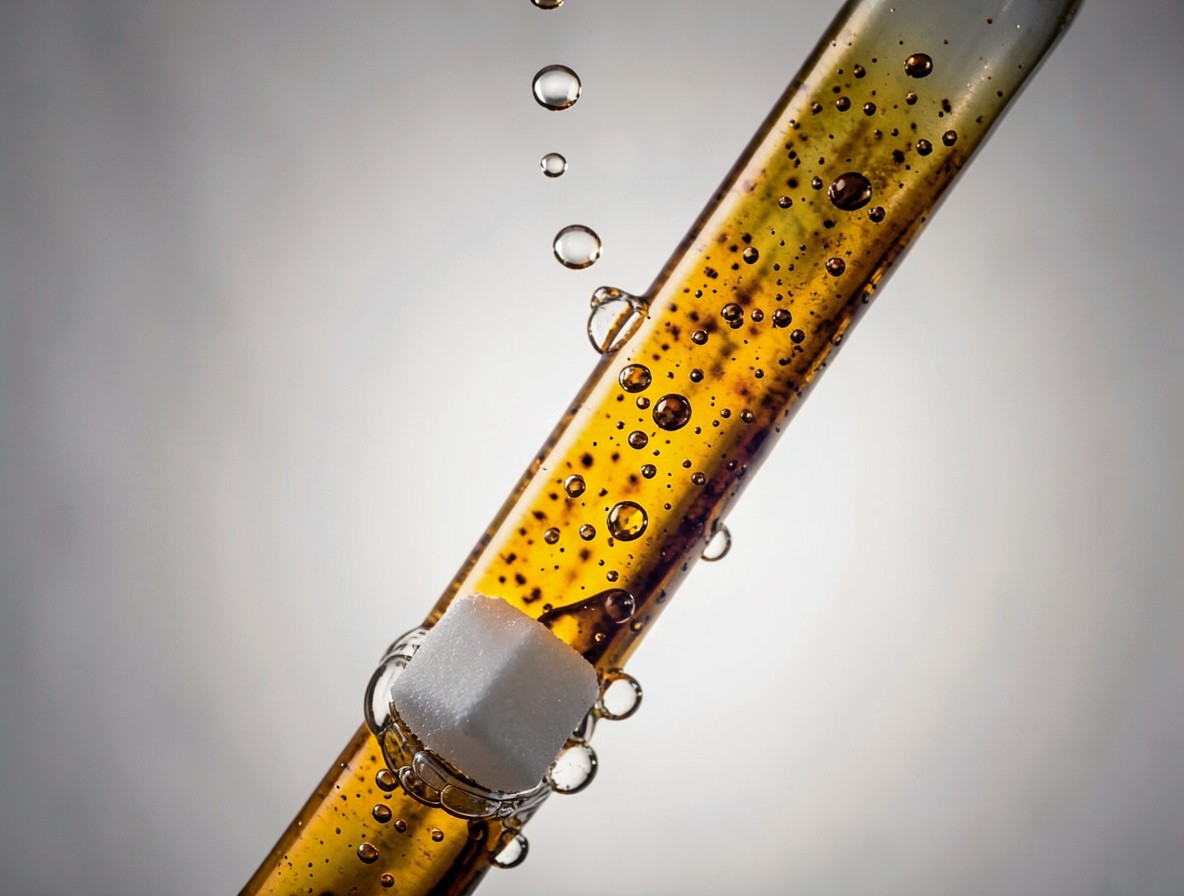
Pour the small dash of cognac over the cube. It doesn't need to cover it — just a coating to carry the flavor. Let it rest for a moment so it can begin dissolving the sugar.
Look for: The amber cube darkens further, now fully saturated and glistening.
Common mistake: Pouring a heavy measure of cognac. This is a modifier, not a base. More than 5-10ml and you've made a different, heavier drink.
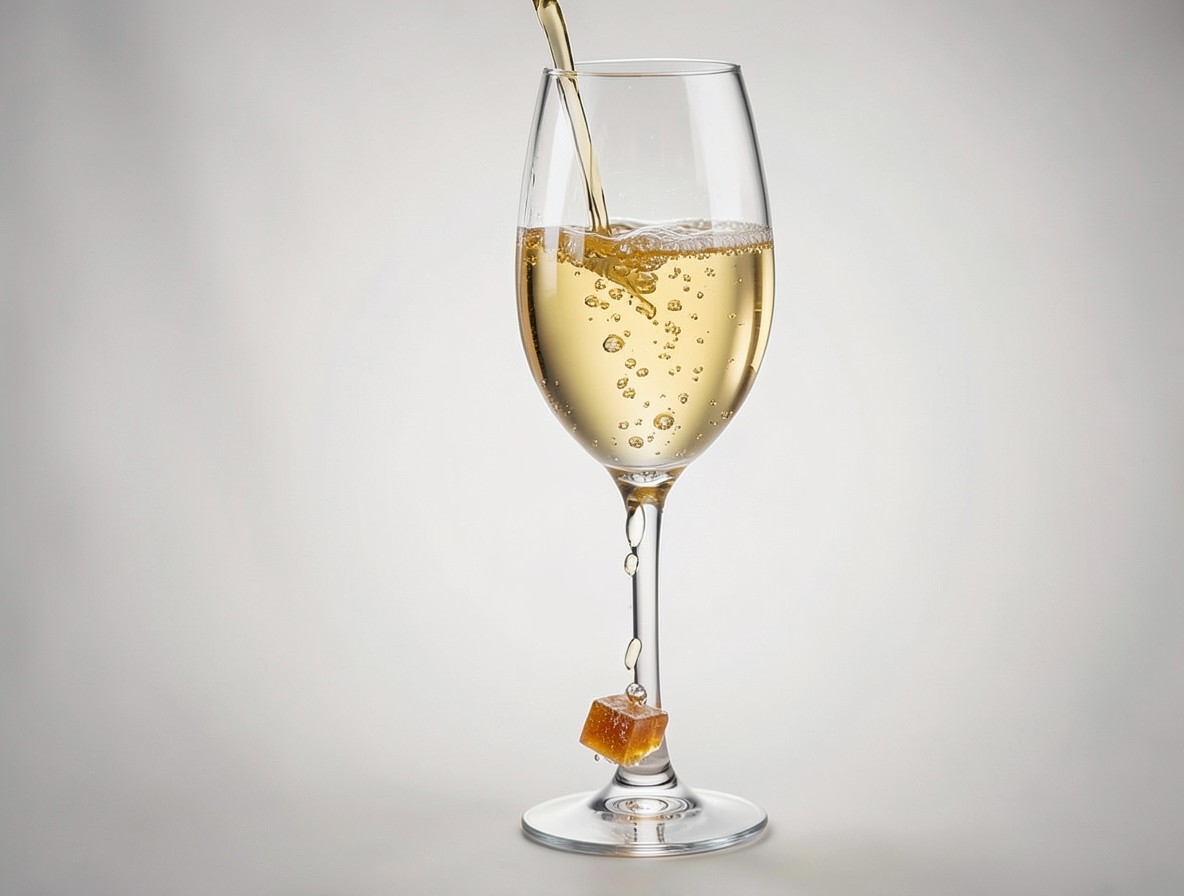
Tilt the glass slightly and pour the champagne slowly down the side. Fill to just below the rim. Pouring down the side preserves more carbonation than dropping it straight into the center.
Look for: A stream of pale gold liquid meeting the amber cube, a slow churn of tiny bubbles rising from the bottom.
Common mistake: Pouring fast and straight down the middle. You'll lose half the carbonation and the drink will go flat before it's half finished.
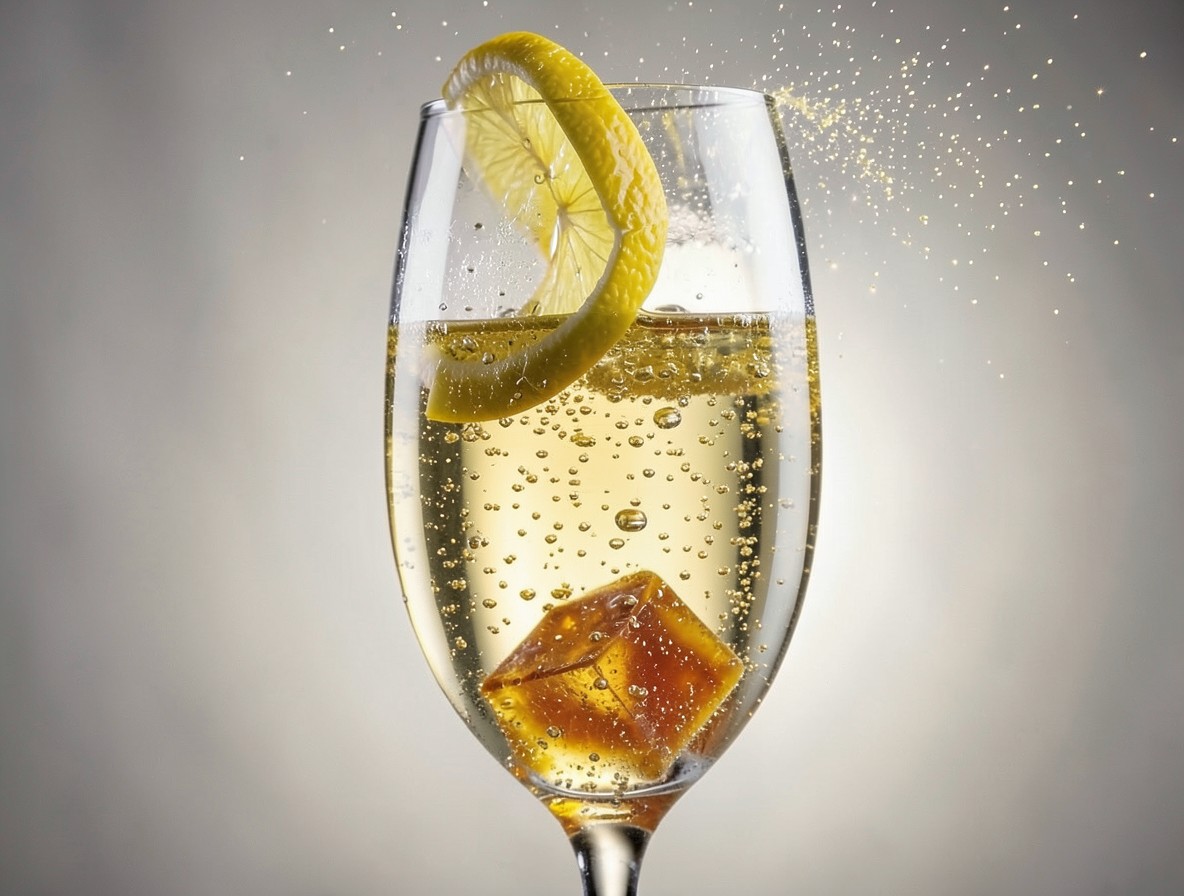
Hold the lemon peel over the glass, skin side down, and give it a sharp twist to spray the oils across the surface. Drop it in or discard it — your choice. A quick, gentle stir will help the sugar finish dissolving.
Look for: A fine mist of citrus oil visible against the light, the peel floating on the surface or resting on the rim.
Common mistake: Rubbing the peel around the rim. That only deposits the bitter pith oils. The twist is what releases the sweet, aromatic oils.
Tips from the bar
- 1Chill the glass as well as the wine — a warm flute will shock the cold champagne and kill the bubbles.
- 2Use a sugar cube, not syrup. The cube dissolves slowly, so the drink evolves as you sip, getting less sweet toward the end.
- 3If you don't have cognac, a good armagnac or a dark rum works in a pinch. The point is a warm, oaked note, not a specific brand.
- 4For a drier drink, skip the cube entirely and just use the bitters. You'll get an aromatic brut that's closer to a French 75 without the gin.
- 5Never shake it. You're not making a cocktail, you're opening a bottle.
Variations
- Use Peychaud's bitters instead of Angostura for a lighter, more floral profile with a faint anise note.
- Swap the lemon peel for orange — the sweetness plays differently against the sugar and spice.
- Add a barspoon of good maraschino liqueur for a sweeter, fruitier version that works as a dessert drink.
- For a non-alcoholic version, top with a good non-alcoholic sparkling wine and keep the bitters — they're the backbone of the flavor.
Substitutions
- Cognac → Armagnac or dark rum: a slightly richer, more rustic note, but the drink stays balanced.
- Sugar cube → 10ml simple syrup: dissolves instantly, so the sweetness is even from the first sip, but you lose the visual and the evolving character.
- Aromatic bitters → orange bitters: lighter, sweeter, less spice. Works well but it's a different drink.
- Champagne → cremant or cava: half the price, similar structure. The drink won't know the difference.
Serving, storing, batching
Serve this as a prelude to a meal or alongside light, salty bites — oysters, smoked salmon, or salted almonds. The wine's acidity cuts through richness, and the bitters' spice stands up to cured fish without overwhelming it. It's also the right drink for a toast, because it's built to be drunk slowly, not downed.
This drink doesn't store — it's built in the glass and meant to be drunk immediately. The champagne bottle itself, once opened, won't hold its bubbles beyond a few hours. If you have leftover wine, use it the next day for mimosas or cooking, but don't expect it to make a good cocktail.
This one doesn't batch well. The bubbles are the point, and they don't survive being poured into a pitcher. Instead, pre-dash the sugar cubes with bitters and freeze them. When you're ready to serve, drop one in each flute and top with cold champagne. That's as close to batching as this drink gets.
Questions people ask
The classic champagne cocktail, made with sugar, bitters, and champagne, is the most widely recognized. The French 75, with gin and lemon, is the other contender, but the original's simplicity keeps it the go-to for a reason.
The best is the one that matches the moment. For a celebration, the classic champagne cocktail with cognac is the standard. For citrus-forward brightness, a French 75. For something sweet, a Kir Royale. This recipe is the baseline — crisp, aromatic, and never cloying.
The classics: champagne cocktail, French 75, Kir Royale, Bellini, Mimosa, Aperol Spritz, Champagne Margarita, Black Velvet, Old Cuban, and the Champagne Julep. The first one on the list is the one this recipe covers.
It's sometimes called a 'Champagne Royale' when made with a fruit liqueur like crème de cassis, but the classic sugar-bitters-cognac version doesn't have a widely used alternate name. It's simply the champagne cocktail.
Drop a sugar cube in a chilled flute, dash it with two dashes of aromatic bitters, add a small dash of cognac, and top with cold champagne. Express a lemon peel over the surface and serve. Takes two minutes.
Aromatic bitters and a sugar cube give you the classic. Beyond that, good pairings are gin (French 75), elderflower liqueur (a St-Germain spritz), or a splash of crème de cassis (Kir Royale). The rule: champagne is the base, everything else is the accent.
Cognac is the traditional choice — it's the champagne cocktail's backbone. The key is adding a small measure; champagne should still dominate the glass.
The sugar cube dissolves slowly, so the drink gets sweeter as you sip. It also catches the bitters and gives the carbonation something to work on, creating a steady stream of bubbles. It's both a flavor and a visual device.
Last word
The champagne cocktail is two minutes of work for a drink that looks like an occasion. Sugar, bitters, cognac, cold wine, a twist of lemon. Make it for New Year's, make it for a Tuesday. It's the shortest path to something that feels like a celebration.