The B-52 Cocktail: How to Layer a Classic Shot
The B-52 is a three-layered shooter made with coffee liqueur, Irish cream, and orange liqueur. It takes about 2 minutes to build and serves one. The key is pouring each layer slowly over the back of a spoon to keep them separate.

- Baseliqueur
- Strength23% ABV, approximate
- Methodlayer
- Glassshot glass
- Difficultyeasy
- Total3 min
- Serves1
- Sweet
- Creamy
- Coffee-forward with a bright orange finish
- Shot glass
- Jigger or measuring spoons
- Bar spoon or teaspoon
- Contains dairy (Irish cream liqueur)
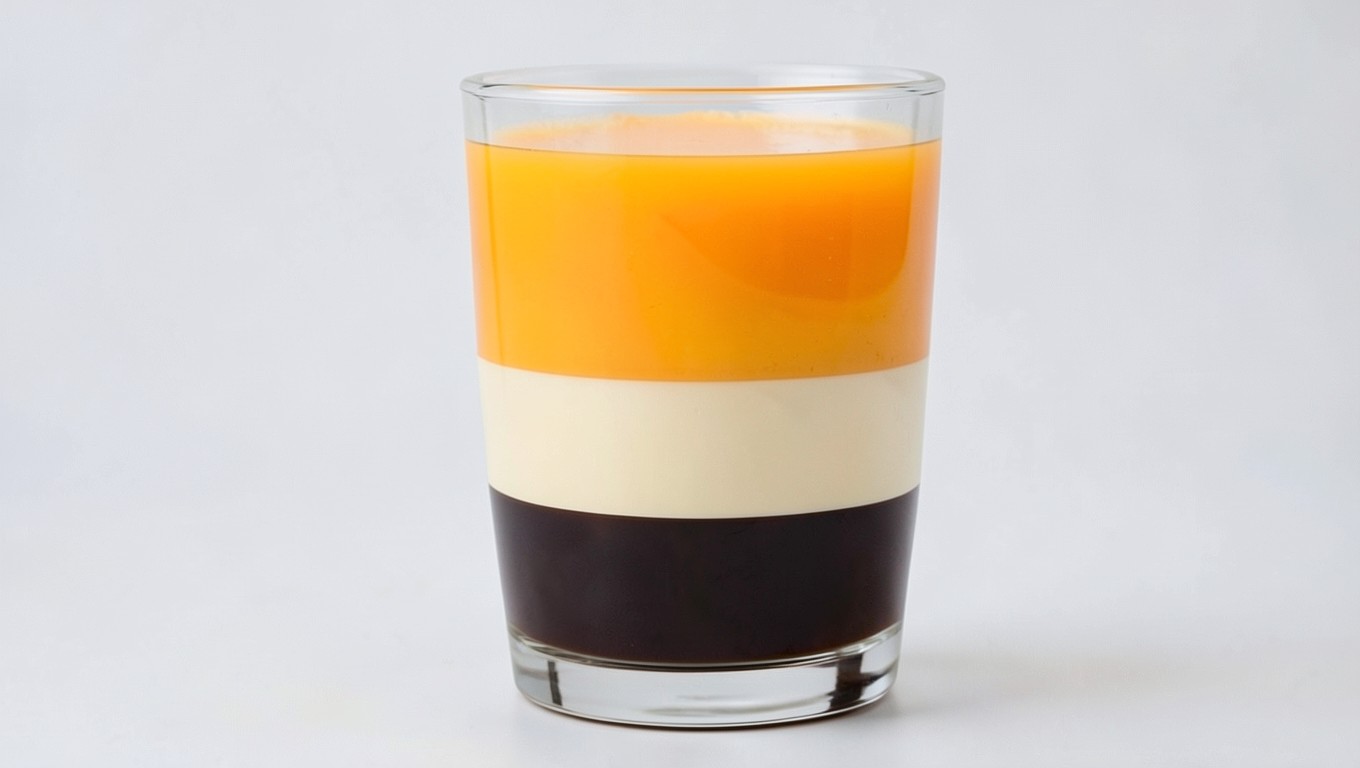
The B-52 is all about density. Three liqueurs, each heavier than the last, stacked into a single shot glass. Coffee liqueur on the bottom, Irish cream floating above it, and orange liqueur riding the top. Done right, it's a clean, three-toned column. Done wrong, it's a muddy brown mess that tastes the same but looks like a mistake.
You'll see this called a cocktail, but honestly, it's a shooter. It's meant to be knocked back, not sipped. The flavor hits in stages: sweet coffee first, then the creamy middle, and a bright orange finish.
The whole build takes two minutes. No shaker, no ice, and you don't even need a strainer. Just a jigger and a steady hand. The only skill involved is learning to pour over the back of a spoon without disturbing what's already in the glass.
This recipe sticks to the classic three-ingredient formula. Some bars add vodka or change the top layer, but the original is just these three. Learn to layer it properly and you'll never need the shortcuts.
About the B-52
The B-52's name is a nod to the Boeing B-52 Stratofortress bomber, a reference to its layered appearance. The drink's exact origin is debated, but it gained popularity in the 1970s and 80s as a dessert-like after-dinner shooter. It's traditionally served in a shot glass and consumed quickly, often as part of a round. The drink's structure relies on the specific gravity of its three ingredients, which is what allows them to remain separate. It is a staple of college bars and retro cocktail menus. The B-52 is a prime example of a drink built on a single technique: the careful layering of liquids.
Why it works
- 1Each liqueur has a different density, so they naturally stack when poured correctly.
- 2Pouring over the back of a spoon breaks the fall, preventing the layers from mixing.
- 3The coffee, cream, and orange flavors are distinct enough to be tasted separately despite being in one shot.
- 4No ice or shaking means the drink is served exactly as built, with no dilution to muddy the layers.
Ingredients
Serves 1.
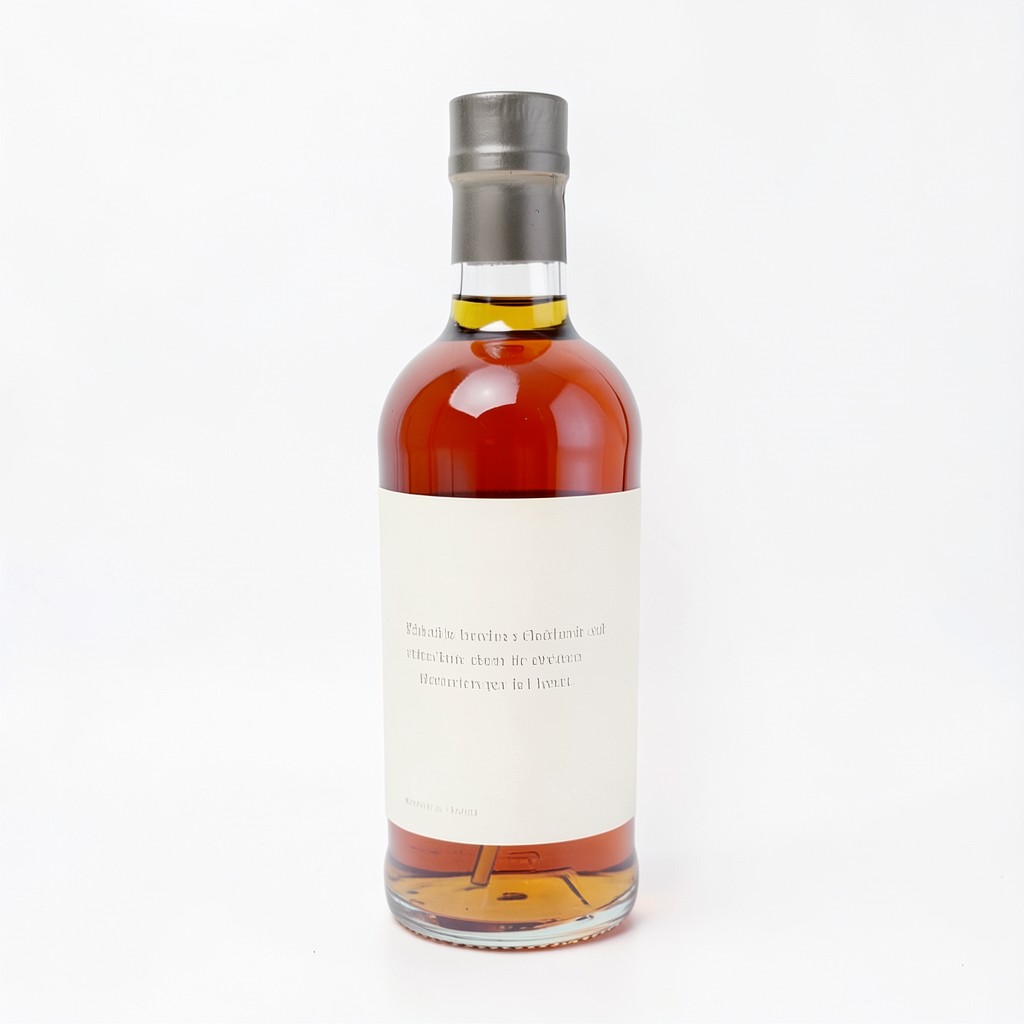 10 ml Coffee liqueur
The base layer. Its high sugar content makes it the heaviest.
- 10 ml Irish cream liqueur
The middle layer. It is lighter than coffee liqueur but heavier than orange liqueur.
- 10 ml Orange liqueur
The top layer. It is the lightest of the three.
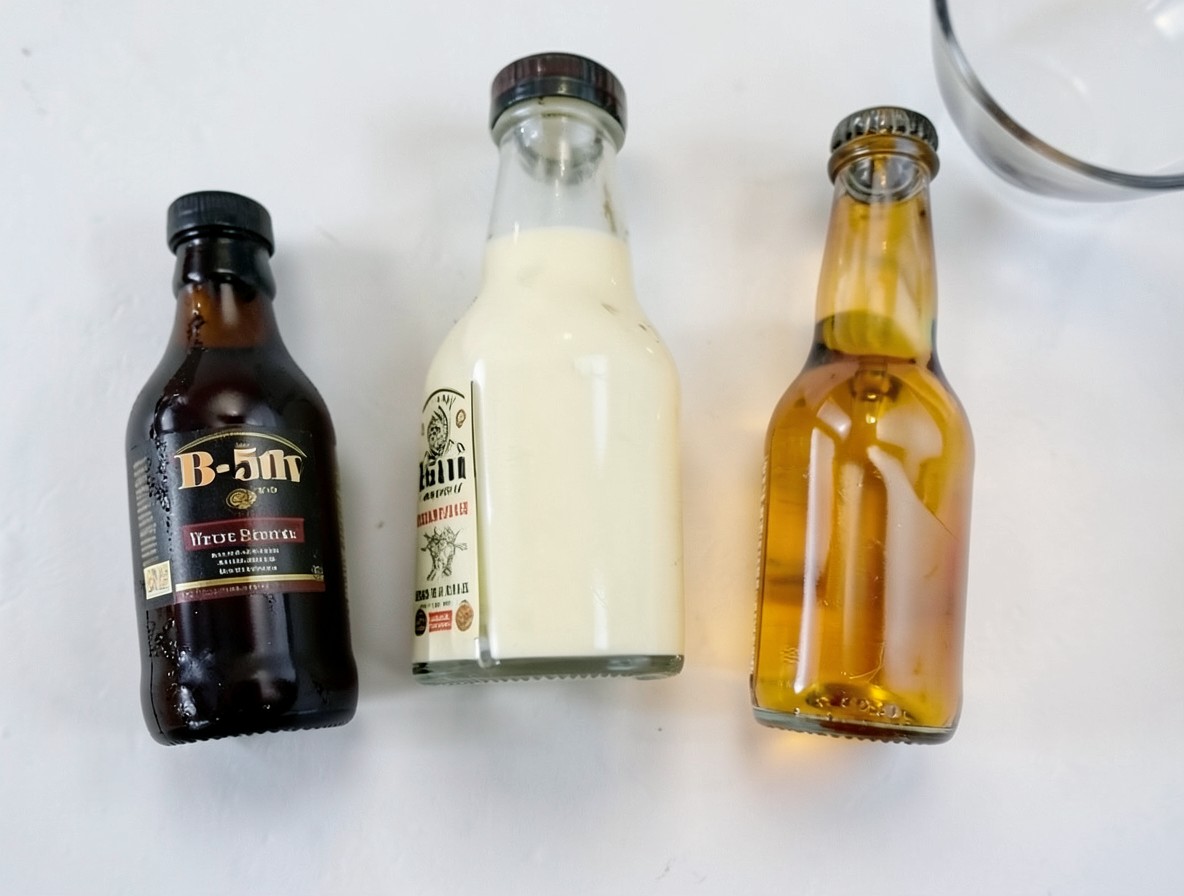
ingredients
Brand matters less than consistency here. Kahlúa is the standard for coffee liqueur, but any coffee liqueur with a similar viscosity will work. For the Irish cream, Baileys is the benchmark, but a store-brand Irish cream is fine. The top layer is where you have options. Grand Marnier is classic, but Cointreau or a quality triple sec will work. The key is to use an orange liqueur that is not too syrupy, or it will sink into the cream layer.
You need: shot glass, jigger or measuring spoons, bar spoon or teaspoon.
Method
Pour the coffee liqueur
Measure 10 ml of coffee liqueur and pour it directly into a clean shot glass. This is the base layer, so it doesn't need any special technique. Just make sure the glass is dry and free of any residue.
Look for: The bottom of the glass is filled with a dark, nearly opaque brown liquid.
Common mistake: Using a dirty or wet glass. Any moisture will dilute the liqueur and mess with the density gradient, causing the layers to blend.
Hold a bar spoon upside down so the bowl is just above the surface of the coffee liqueur, with the tip touching the inside of the glass. Slowly pour the Irish cream over the back of the spoon. The spoon breaks the fall, allowing the cream to spread out and rest on top of the coffee layer.
Look for: A distinct, pale tan layer appears above the dark brown base with a clean, horizontal line between them.
Common mistake: Pouring too fast or holding the spoon too high. This forces the cream to plunge through the coffee layer, creating a muddy swirl instead of a clean split.
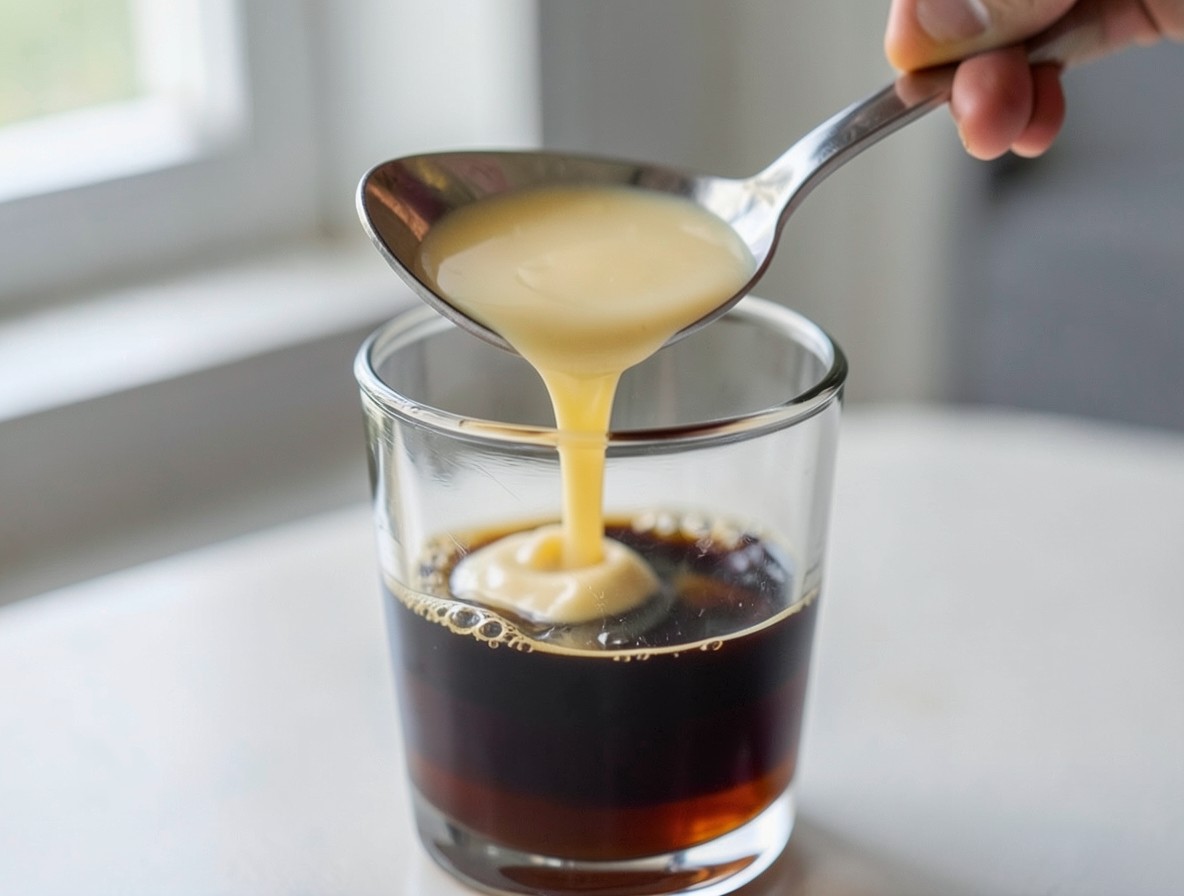
Repeat the same spoon technique with the orange liqueur. Place the spoon just above the Irish cream layer and pour slowly over the back of it. This is the most delicate pour, as the orange liqueur is the lightest and most likely to disturb the layers below.
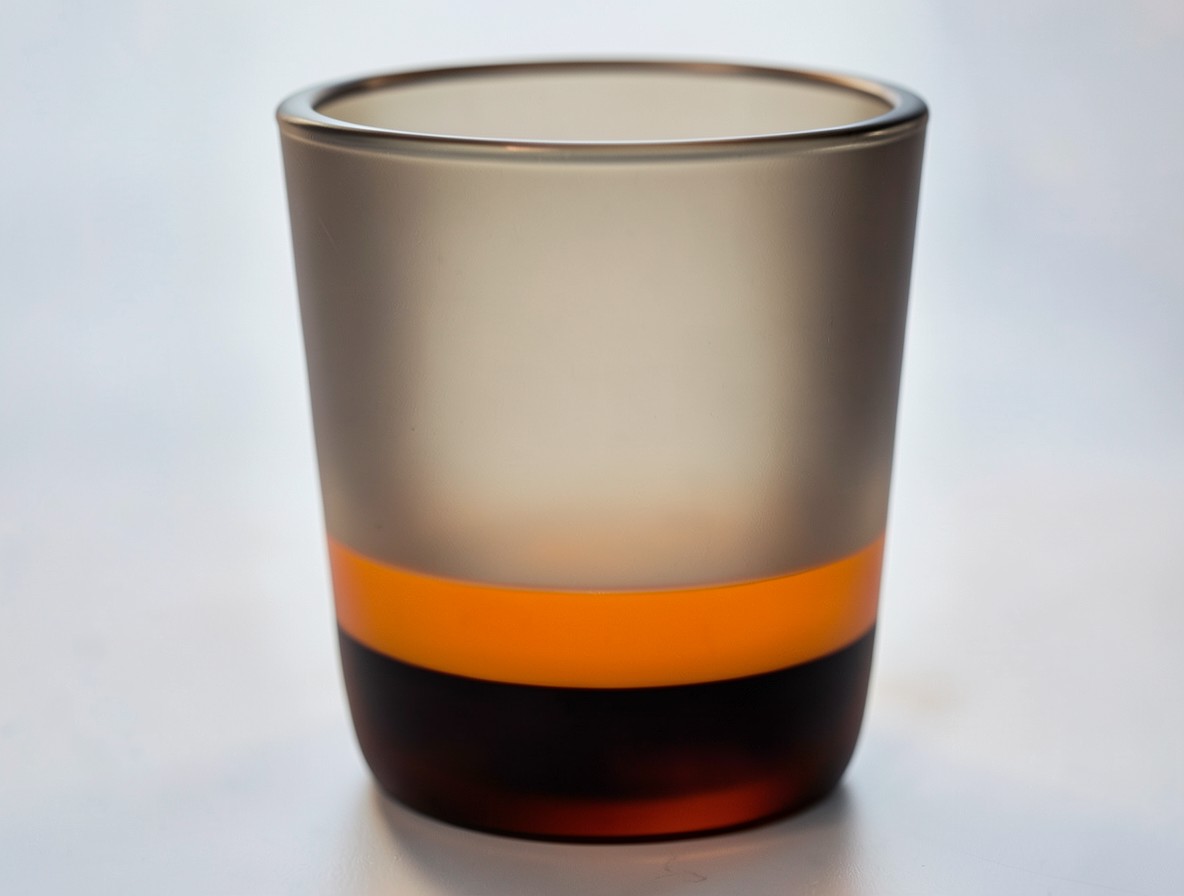
Look for: A bright, translucent orange layer sits on top of the cream, creating a three-tiered effect. The glass is full to the rim.
Common mistake: Letting the spoon touch the Irish cream layer. This will pull some of the cream up into the orange liqueur, clouding the top layer.
Tips from the bar
- 1Chill the liqueurs beforehand. Cold liquids are more viscous, which makes them slightly easier to layer and keeps them from mixing as readily.
- 2If you don't have a bar spoon, use a regular teaspoon. The principle is the same, just be more careful with your pour speed.
- 3A steady hand is more important than speed. It's better to take 30 seconds per layer than to rush and ruin the shot.
- 4Look at the glass from the side as you pour. You'll be able to see the level of each layer rising and stop before it hits the spoon.
Variations
- The B-52 with a Flaming Top: Some bartenders ignite the orange liqueur layer and serve with a straw. The heat caramelizes the top, but it's a fire hazard and not for beginners.
- The B-53: This version swaps the orange liqueur for a shot of vodka, which is lighter still and floats above the cream.
- The B-52 Bomb: Drop a shot of B-52 into a glass of energy drink and chug. A party drink, not a cocktail.
Substitutions
- Use any coffee liqueur in place of the standard one, but avoid those with added cream or spices, as they will change the density and flavor balance.
- If you don't have Grand Marnier, use Cointreau or a dry triple sec. A sweeter orange liqueur like Blue Curaçao will sink and ruin the layering.
- For a non-alcoholic version, try layering cold brew coffee, a splash of cream, and orange juice. The density will be different, but the flavor idea is similar.
Serving, storing, batching
Serve the B-52 as an after-dinner drink. It's sweet enough to stand in for dessert. Pair it with a strong black coffee or an espresso to cut through the sweetness, or serve it alongside a piece of dark chocolate.
The B-52 is built to order and should be consumed immediately. It does not store well, as the layers will eventually blend. Store the individual liqueurs in a cool, dark place, but once they are in the glass, the drink's lifespan is about two minutes.
This drink does not batch. The entire appeal is the presentation of distinct layers in a single glass, which cannot be replicated in a large format. If you're making rounds, build each shot individually. You can pre-measure the liqueurs into separate jiggers, but do not combine them until you are ready to pour.
Questions people ask
The name is a reference to the Boeing B-52 Stratofortress bomber. The three distinct layers in the glass are said to resemble the plane's silhouette or its layered paint scheme. It's a retro nickname that stuck.
A B-52 is made of three ingredients: coffee liqueur (like Kahlúa), Irish cream liqueur (like Baileys), and orange liqueur (like Grand Marnier). They are layered in that order, from bottom to top, in a shot glass.
The three ingredients are coffee liqueur, Irish cream, and orange liqueur. The standard proportions are equal parts, typically 10 ml each, though some prefer a slightly larger coffee base.
The B-52 is one of the easiest to make because it requires no shaking, stirring, or ice. You just need to pour three measured ingredients into a glass, using a spoon to keep them separate. It's more about technique than ingredients.
A B-52 coffee is a variation where you add a shot of the layered B-52 to a mug of hot coffee. The heat will melt the layers together, creating a creamy, coffee-flavored treat.
You pour each layer over the back of a spoon that is held just above the surface of the previous layer. This breaks the fall of the liquid and lets it spread out evenly. The different densities of the liqueurs do the rest.
You can, but it will be a different drink, often called a B-53. Vodka is lighter than Grand Marnier, so it will float on top of the Irish cream, but it won't have the orange flavor.
A B-52 is a shooter, so it's meant to be drunk in one go. This way, you get the full progression of flavors. Savoring it slowly will just let the layers warm up and start to blend.
It is potent for its size. The ABV of a B-52 is around 20-25%, depending on the specific brands used. All three ingredients are liqueurs, which are sweet but have a significant alcohol content.
No. A B-52 is a layered drink and must not be shaken. Shaking mixes everything together and ruins the visual effect.
The alcohol percentage varies by brand, but a standard B-52 is approximately 23% ABV (46 proof). This is because it's a mix of three liqueurs, each with its own alcohol content.
Last word
The B-52 is a two-minute build that looks like a magic trick. Once you've got the spoon pour down, you can make them without thinking. It's the drink for when you want something sweet, strong, and nice to look at.