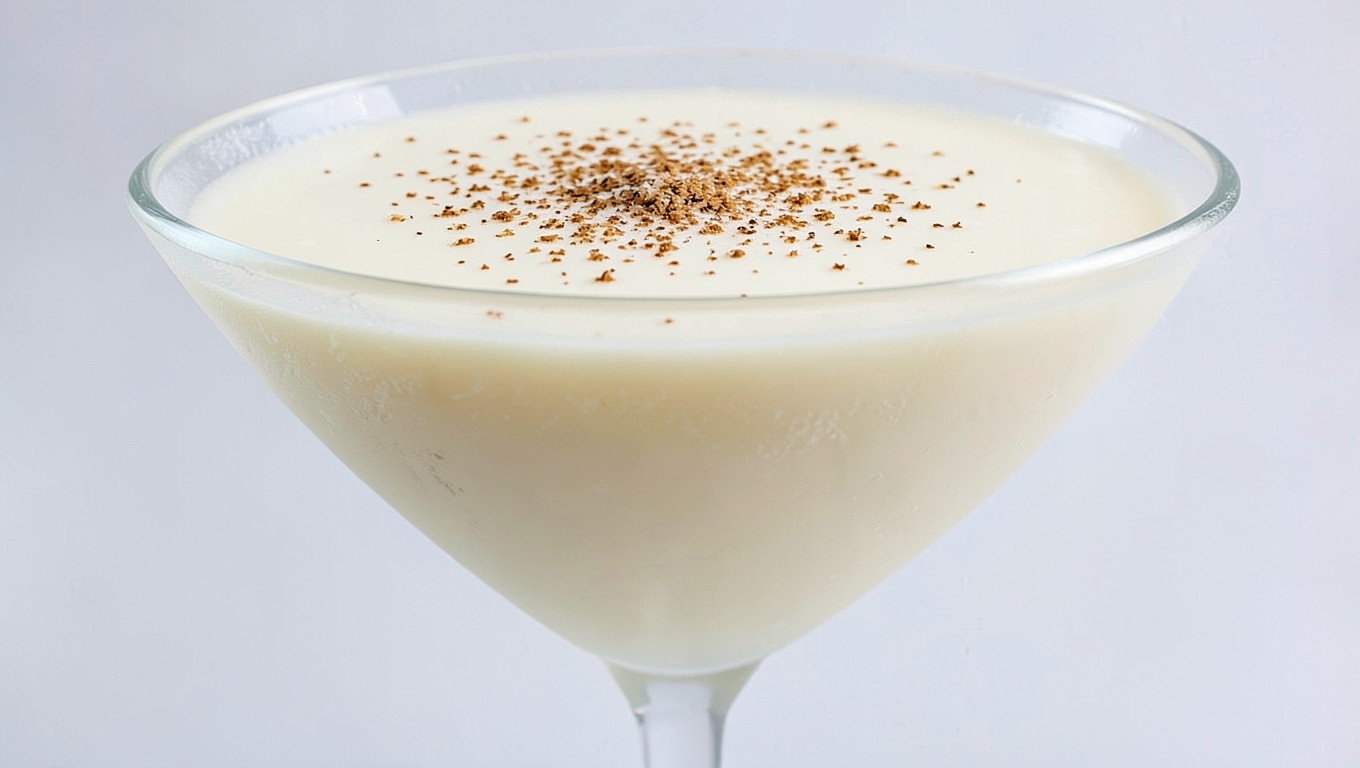
The Alexander Recipe: A Creamy Classic Done Right
The Alexander is a creamy, dessert-like cocktail built on a base of gin or brandy, white creme de cacao, and light cream. It's shaken with ice and strained into a chilled martini glass, topped with fresh nutmeg. It takes about 3 minutes to make one serving.

- Basegin
- Strength17% ABV, approximate
- Methodshake
- Glassmartini
- Difficultyeasy
- Total3 min
- Serves1
- Creamy
- Lightly sweet
- Chocolate-forward with a warm spice finish
- Jigger or measuring spoons
- Cocktail shaker
- Strainer
- Fine strainer
- Chilled martini glass
- Contains dairy (Light cream)
The Alexander is a drink that sits at an odd crossroads. It's a cocktail that tastes like dessert, but it's all spirit and cream. It's a drink that's been around long enough to have a split identity — the gin version, sometimes called the Alexander, and the brandy version, which is nearly always called a Brandy Alexander. Both are built on the same skeleton: a base spirit, a sweet chocolate liqueur, and cream. That's it. Three ingredients that somehow land somewhere between a milkshake and a proper cocktail.
This version uses gin, which gives the drink an unexpected herbal lift under all that cream. But I'll give you the brandy switch too, because that's the version most people picture when they order one. If you've never made one, the important thing is the texture. This is a drink that should feel luxurious in the mouth — silky, cold, and barely sweet. Get the ratios right, shake it hard, and you'll have a drink that makes a dessert menu look unnecessary.
About the Alexander
The Alexander's origins trace back to the early 20th century, with the gin-based version appearing first and the brandy variation following in the 1920s and 30s. It gained significant popularity in the mid-20th century as a post-dinner drink, often served in upscale hotel bars and restaurants. The drink's creamy, sweet character positioned it as a bridge between a cocktail and a dessert, a role it still holds today. It is traditionally served in a stemmed glass, like a martini or coupe, and always finished with a dusting of freshly grated nutmeg, which cuts through the richness. The Brandy Alexander, in particular, became strongly associated with holiday and winter drinking, though the gin version retains a year-round following among classic cocktail enthusiasts. What distinguishes the Alexander from other cream cocktails is its simplicity — no fruit, no herbs, no bitters, just three ingredients balanced carefully.
Why it works
- 1The ratio of 2 parts cream to 1 part spirit and 1 part liqueur creates a rich, stable emulsion that coats the palate.
- 2Shaking with ice chills the drink rapidly while incorporating air, which gives the cream a light, frothy texture instead of a heavy one.
- 3White creme de cacao adds chocolate flavor without the dark color, keeping the drink a clean, pale ivory.
- 4Freshly grated nutmeg on top provides a volatile oil contrast that cuts through the dairy fat and prevents the drink from tasting flat.
- 5The choice of gin over brandy adds a botanical backbone that keeps the drink from being cloying.
Ingredients
Serves 1.
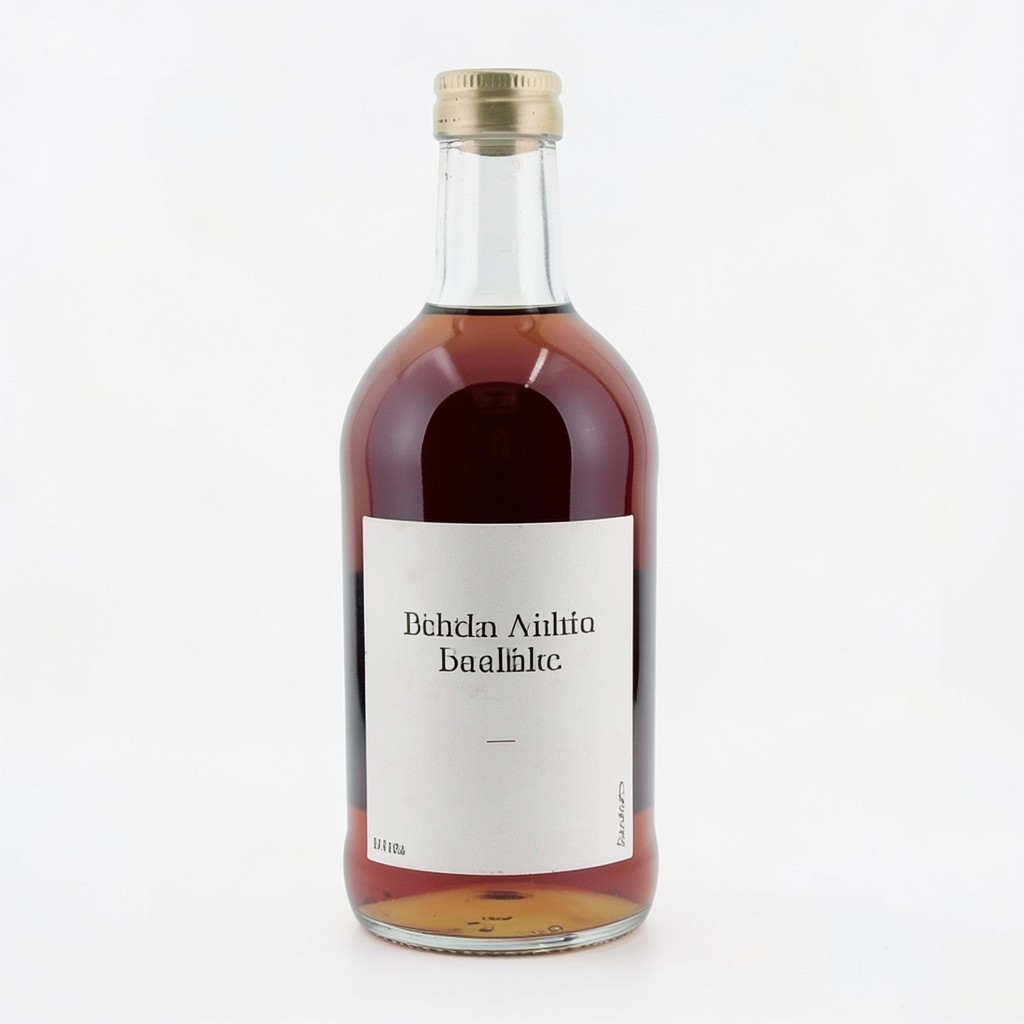 1/2 oz Gin or brandy, or 1 oz if you prefer a spirit-forward version
The base spirit. Gin adds botanicals; brandy adds warmth and sweetness.
- 1/2 oz White creme de cacao
Provides chocolate flavor without darkening the drink.
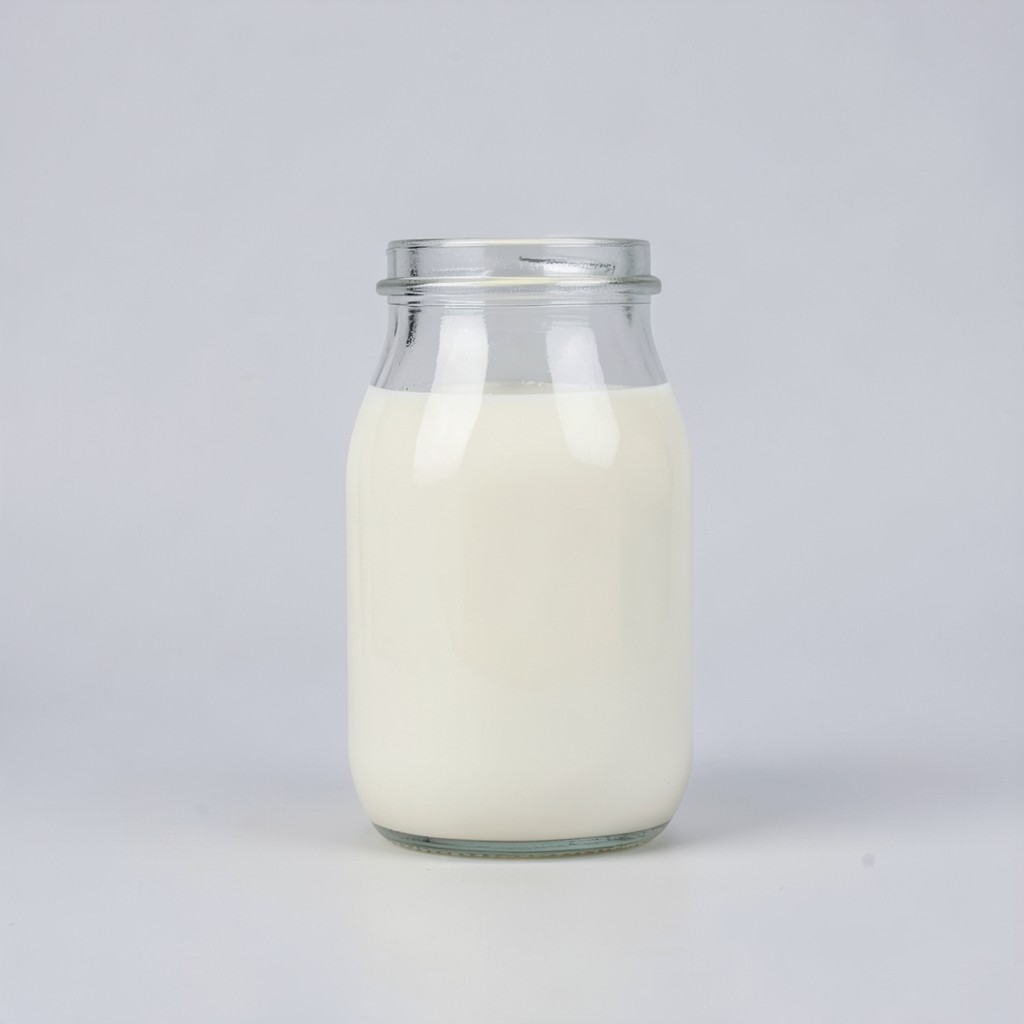 2 oz Light cream, or half-and-half
Gives the drink its signature rich texture.
- 1/4 tsp Nutmeg, freshly grated, for garnish
Cuts through the cream and adds aromatic warmth.
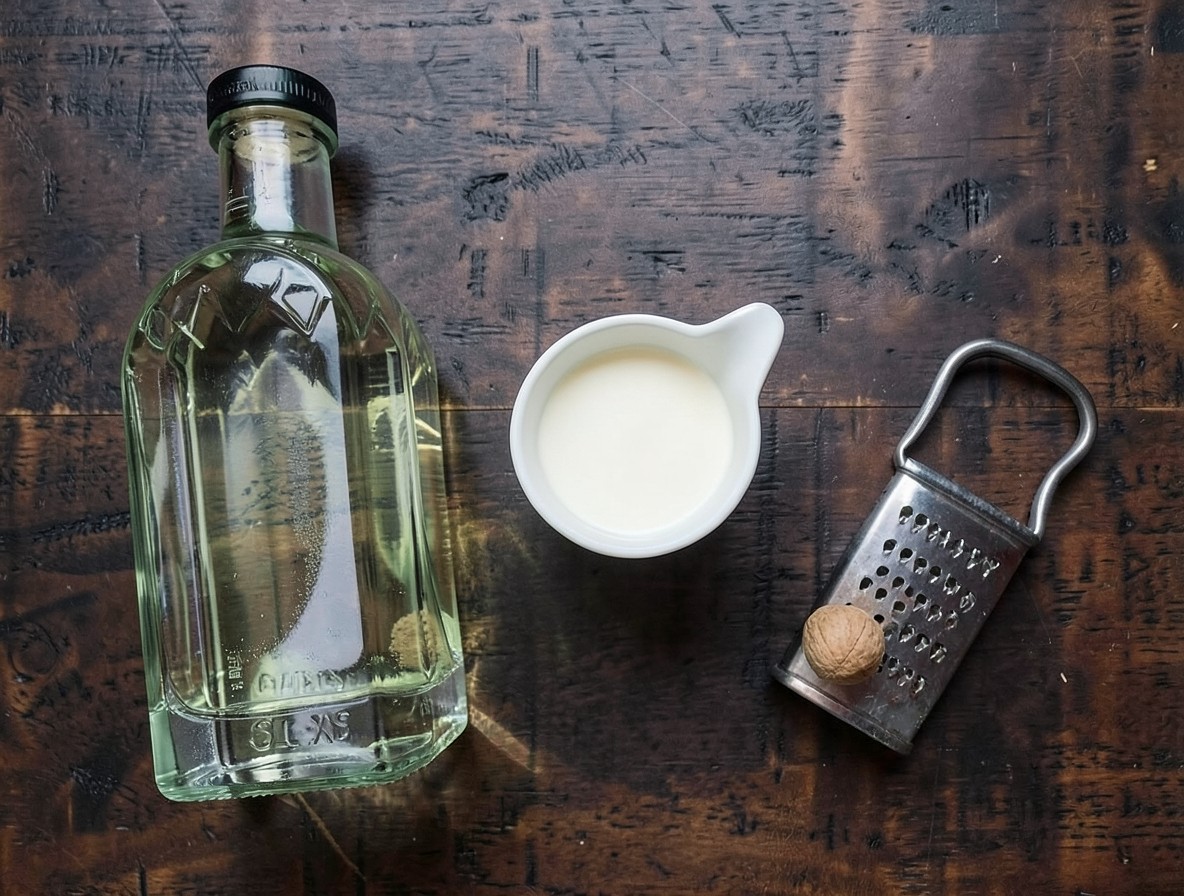
ingredients
The spirit choice matters more than you'd think. A London dry gin like Beefeater or Tanqueray gives the drink a clean, herbal lift. A sweeter, barrel-aged gin will muddy the flavors. For the brandy version, use a VS or VSOP cognac or a decent brandy — nothing too oaky, since the cream and cacao already bring plenty of flavor. White creme de cacao is essential for keeping the drink pale; dark creme de cacao will make it look like a mudslide and taste heavier. For cream, light cream or half-and-half is ideal. Heavy cream makes the drink too thick, almost like a milkshake, and milk makes it thin and watery.
You need: jigger or measuring spoons, cocktail shaker, strainer, fine strainer, chilled martini glass.
Method
Chill your glass
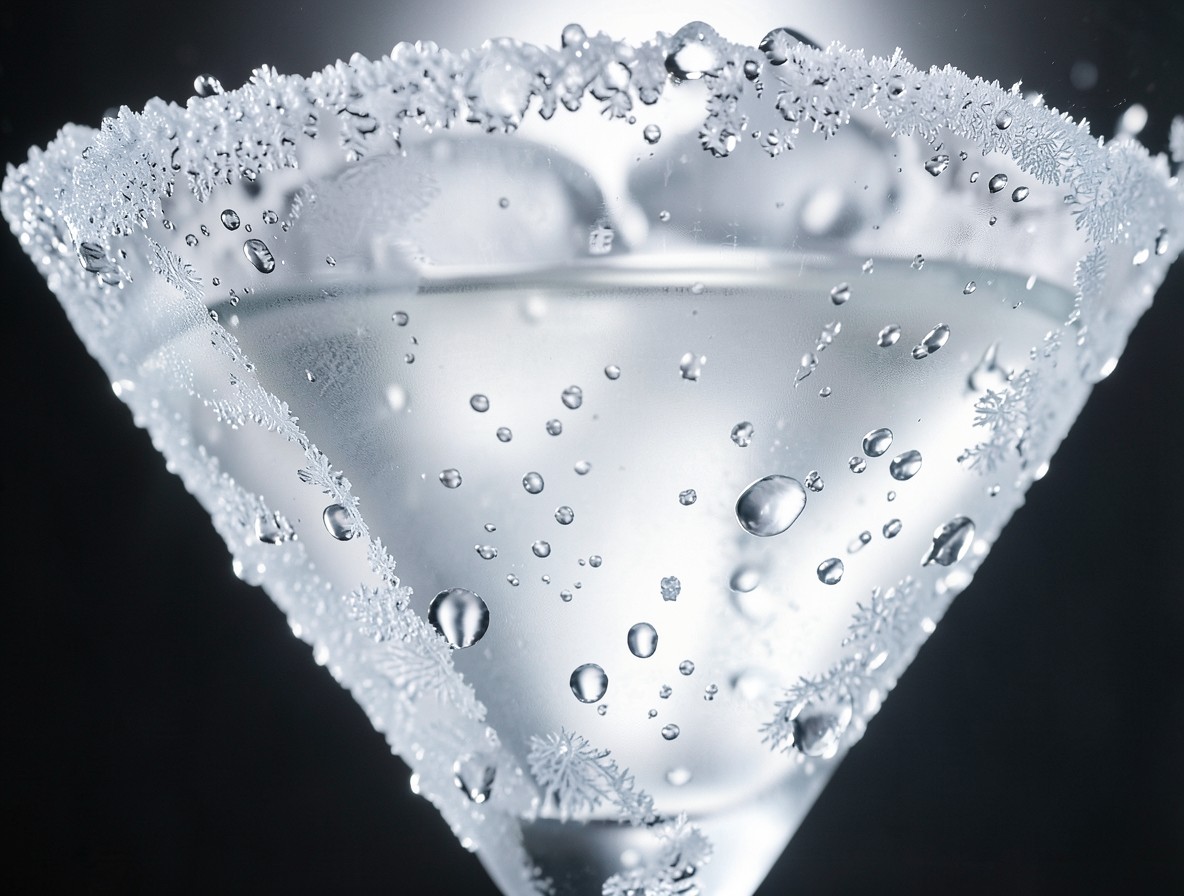
Fill your martini glass with ice water and set it aside while you build the drink. This does more than just chill the glass — it ensures the drink doesn't warm up the moment it hits the glass, which would make the cream feel flat and heavy. A warm glass is the enemy of a good Alexander.
Look for: The glass should be cold to the touch and lightly frosted on the outside after about a minute.
Common mistake: Skipping the chill. A room-temperature glass will melt your ice faster during shaking and dilute the drink more than you want.
Add the gin (or brandy), white creme de cacao, and light cream to your cocktail shaker. There's no need to add sugar or syrup — the creme de cacao is already sweet enough. The key is to measure precisely: 1/2 oz of spirit, 1/2 oz of liqueur, and 2 oz of cream. That 2:1:1 ratio is the whole trick.
Look for: The liquids should look like a pale, milky mixture with the cream clearly dominating.
Common mistake: Eyeballing the measurements. This drink is all about balance. Too much cream and it's a glass of milk; too much cacao and it's a chocolate syrup shot.
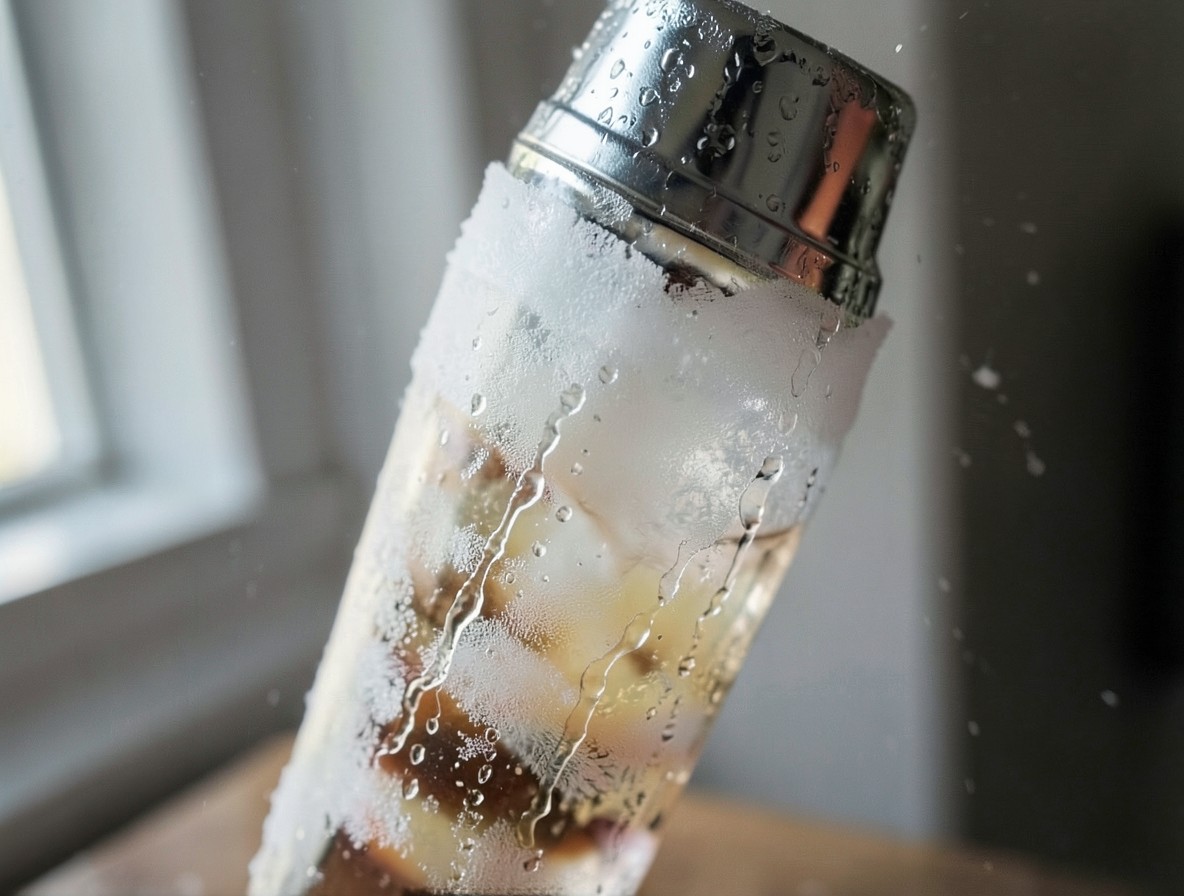
Fill the shaker with ice — not just a few cubes, but enough to fill it about two-thirds full. Shake hard for 15 to 20 seconds. This is a cream drink, so it needs a vigorous shake, not a gentle stir. The agitation aerates the cream and creates a light, frothy texture. You're not just chilling it; you're physically changing its structure.
Look for: The shaker should develop a frosty exterior and you'll feel the contents get colder and thicker. When you stop, the shaker should be almost too cold to hold comfortably.
Common mistake: Shaking too gently or too briefly. A weak shake leaves the cream thin and the drink poorly integrated. It should look like a milkshake, not like milk.
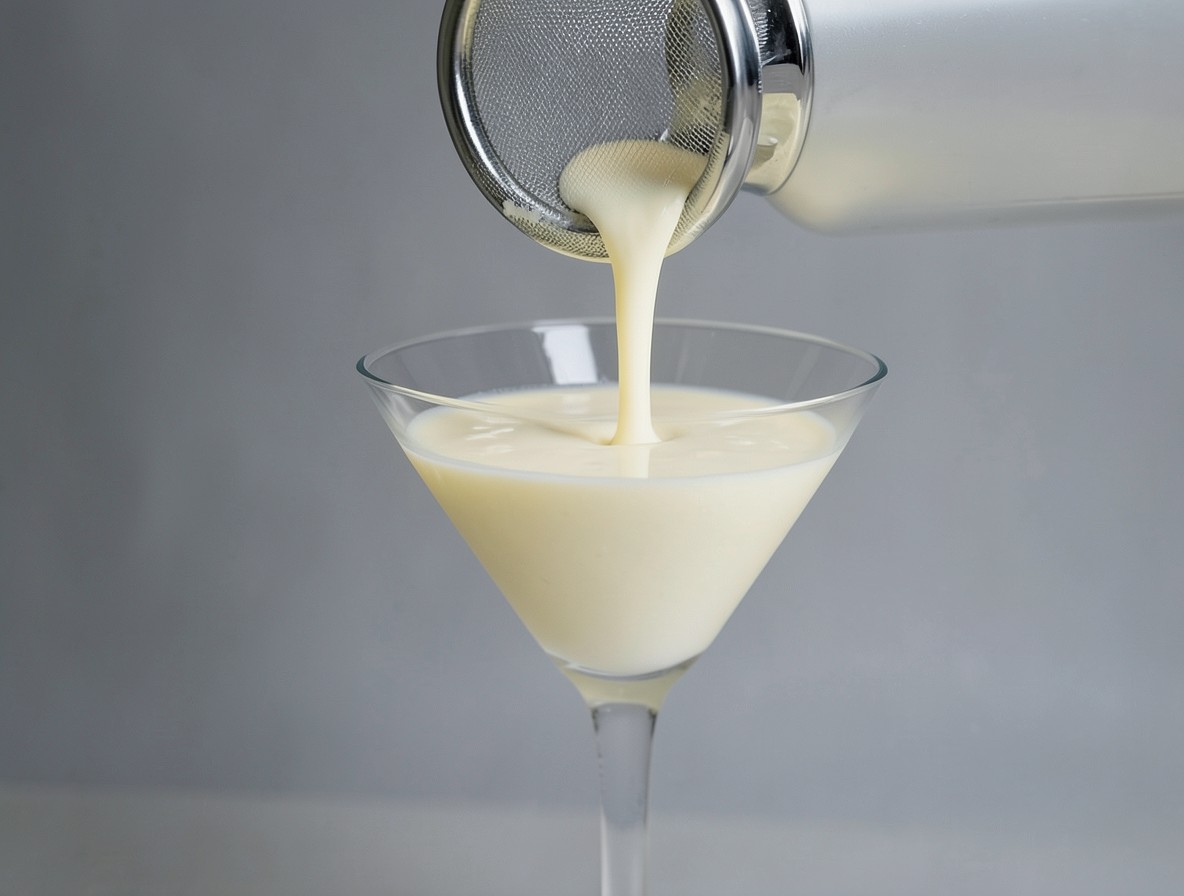
Discard the ice water from your martini glass and give it a quick shake to remove any excess water. Double-strain the drink through both the shaker's strainer and a fine mesh strainer into the glass. The double-strain catches any tiny ice shards and any bits of cream that didn't fully incorporate, leaving you with a silky-smooth drink.
Look for: The liquid should pour out pale ivory and perfectly smooth, with no visible ice chips or lumps of cream.
Common mistake: Skipping the fine strainer. Ice shards in a creamy drink are a textural disaster — you'll get an icy crunch in what should be a silky sip.
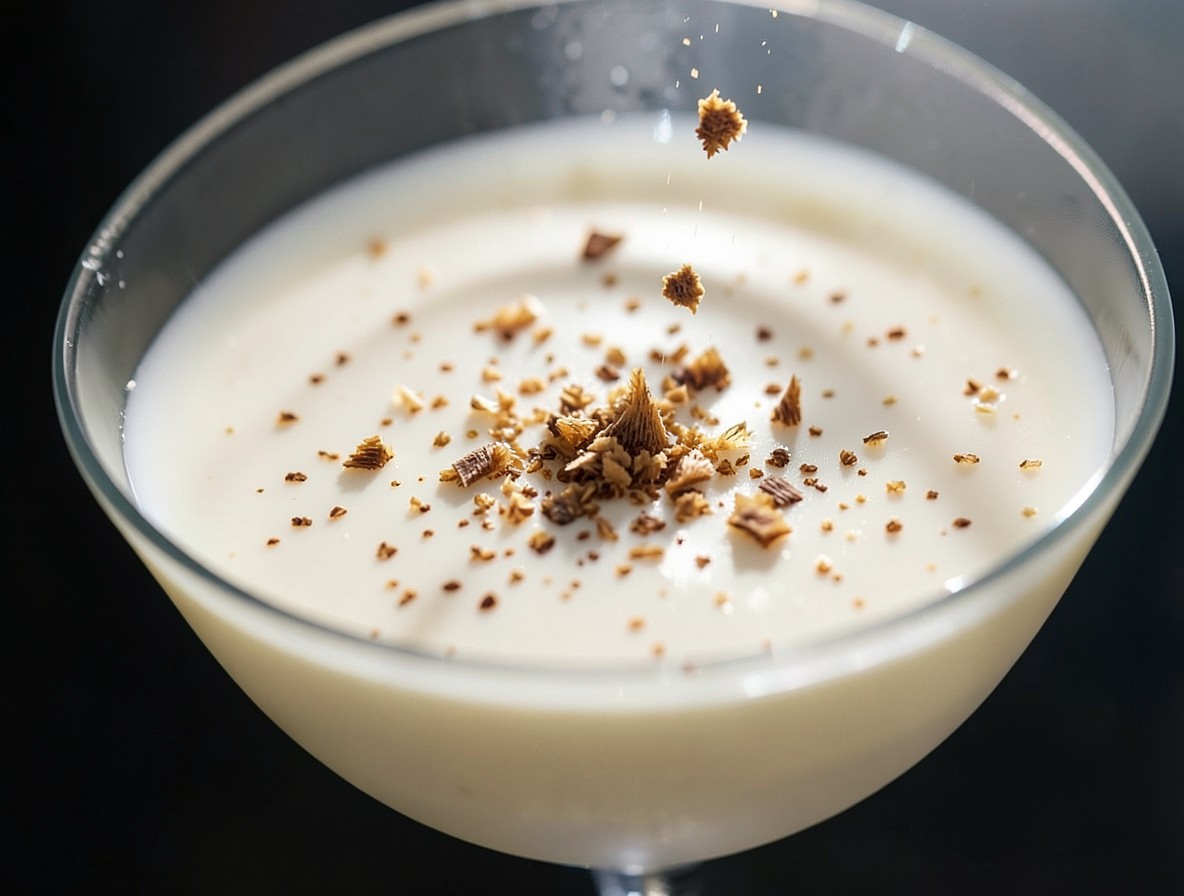
Grate a little fresh nutmeg directly over the drink, using about a quarter of a teaspoon or just enough to cover the surface in a light dusting. The nutmeg is not just garnish — its aromatic oils cut through the dairy and add a warm spice note that makes the drink taste less sugary. Do this right before serving, because the nutmeg's aroma fades fast.
Look for: A fine, even dusting of nutmeg across the pale surface, with a few slightly larger flecks for visual interest.
Common mistake: Using pre-ground nutmeg from a jar. It tastes like sawdust and does nothing for the drink. Fresh nutmeg is the difference between a good Alexander and a great one.
Tips from the bar
- 1Use fresh nutmeg and grate it over the drink as you serve it. Pre-ground nutmeg loses its volatile oils and tastes flat.
- 2If you want a slightly lighter drink, swap the cream for half-and-half. The texture will be thinner but still silky.
- 3Try a 1:1:2 ratio with 1 oz of gin, 1 oz of creme de cacao, and 2 oz of cream for a more spirit-forward, less sweet version.
- 4Chill your cream before shaking. Cold cream emulsifies better and creates a frothier texture.
- 5For a frozen version, blend all ingredients with a cup of ice until smooth, then serve in a rocks glass.
Variations
- Brandy Alexander: Swap the gin for brandy or cognac. This is the classic American version, richer and warmer, often associated with holiday drinking.
- Frozen Alexander: Blend all ingredients with a cup of ice until smooth and slushy. A dessert-like treat for summer.
- Vegan Alexander: Use coconut cream or oat cream instead of dairy cream. Coconut cream adds a subtle tropical note that pairs well with gin.
- Bailey's Alexander: Replace the creme de cacao with Irish cream liqueur and skip the cream. A shortcut that works surprisingly well.
Substitutions
- Brandy for gin: Warmer, sweeter, more dessert-like. Use VS or VSOP cognac.
- Dark creme de cacao for white: Same flavor but darker color and slightly heavier mouthfeel. The drink will be brown, not pale.
- Heavy cream for light cream: Richer, thicker, almost pudding-like. Reduce to 1.5 oz to compensate.
- Half-and-half for light cream: Lighter and thinner. A good option if you want a less indulgent drink.
Serving, storing, batching
Serve the Alexander as an after-dinner drink, alongside or instead of dessert. It pairs well with chocolate-based desserts like brownies or a flourless chocolate cake, as well as with nutty desserts like baklava. The drink's creaminess also works beautifully with coffee.
The Alexander is best made fresh, as the cream will separate and the texture will degrade within an hour. You can pre-batch the liquid ingredients (gin, creme de cacao, and cream) in a sealed container in the fridge for up to 24 hours. Shake well before using. Do not freeze, as the cream will separate upon thawing.
To make a pitcher of Alexanders for a party, multiply the recipe by the number of guests. Combine all ingredients in a large pitcher and refrigerate until thoroughly cold, at least 2 hours. When ready to serve, shake each portion individually with ice for 10 seconds to aerate the cream, then strain into glasses. Do not shake the whole pitcher at once, as the ice will melt and dilute the batch unevenly. You'll need about 1.5 oz of ice per serving.
Questions people ask
An Alexander is a classic cocktail made with a base spirit, typically gin or brandy, white creme de cacao, and light cream or half-and-half. It's shaken with ice and strained into a chilled cocktail glass, then finished with a dusting of freshly grated nutmeg. The result is a creamy, dessert-like drink with a chocolate and spice finish.
The difference is the base spirit. A gin Alexander uses gin, which adds botanical, herbal notes that keep the drink lighter and more complex. A Brandy Alexander uses brandy or cognac, which adds warmth and sweetness, making the drink richer and more dessert-like. Both use the same ratios of creme de cacao and cream.
A Brandy Alexander is moderate in strength, typically around 17% ABV. This is lower than many classic cocktails because the cream makes up a large portion of the drink. However, the cream also masks the taste of alcohol, so it's easy to drink quickly without realizing how much you've consumed.
A VS or VSOP cognac is the classic choice — it's smooth, not too oaky, and has enough warmth to shine through the cream. A decent but not too expensive brandy works well. Avoid anything too smoky or heavily oaked, as it will clash with the chocolate and cream.
Yes, a common shortcut is to replace the creme de cacao with Irish cream liqueur like Baileys and skip the dairy cream entirely. Use 1 oz of brandy and 2 oz of Irish cream, shake with ice, and strain. It's sweeter and less balanced than the classic, but it's an easy dessert drink.
Shaking a cream cocktail is essential because it aerates the cream, creating a light, frothy texture that feels silky in the mouth. Stirring would leave the cream heavy and flat, making the drink taste dense and cloying. The ice also chills the drink more effectively when shaken.
For a frozen, dessert-like version, blend 1 oz of brandy, 1 oz of creme de cacao, and 2 scoops of vanilla ice cream with a handful of ice until smooth. Pour into a rocks glass and top with fresh nutmeg. It's essentially a boozy milkshake and a great summer treat.
A Chocolate Alexander is a variation that uses dark creme de cacao instead of white, giving the drink a deeper chocolate flavor and a brown color. Some versions also add a small amount of chocolate liqueur. It's richer and more dessert-like than the classic pale Alexander.
The Orgasam (sometimes spelled Orgasm) is a different cocktail made with coffee liqueur, Irish cream, and sometimes vodka or amaretto. It's a sweeter, more modern drink. It is not traditionally related to the Alexander, though both are creamy dessert-style drinks.
If your Alexander tastes too sweet, the creme de cacao is likely the culprit. Many brands are heavily sugared. Try reducing the creme de cacao to 1/3 oz and increasing the spirit to 2/3 oz. You could also switch to a drier creme de cacao or use a higher-proof spirit to balance the sweetness.
Last word
The Alexander is proof that three ingredients and a good shake are enough for a genuinely great cocktail. Whether you go with gin for the botanical lift or brandy for the winter warmth, this drink delivers a creamy, chocolatey finish that works as dessert, nightcap, or party piece. Make one tonight and see why it's survived a century of changing tastes.