The 2-Minute Mimosa Recipe You'll Actually Use
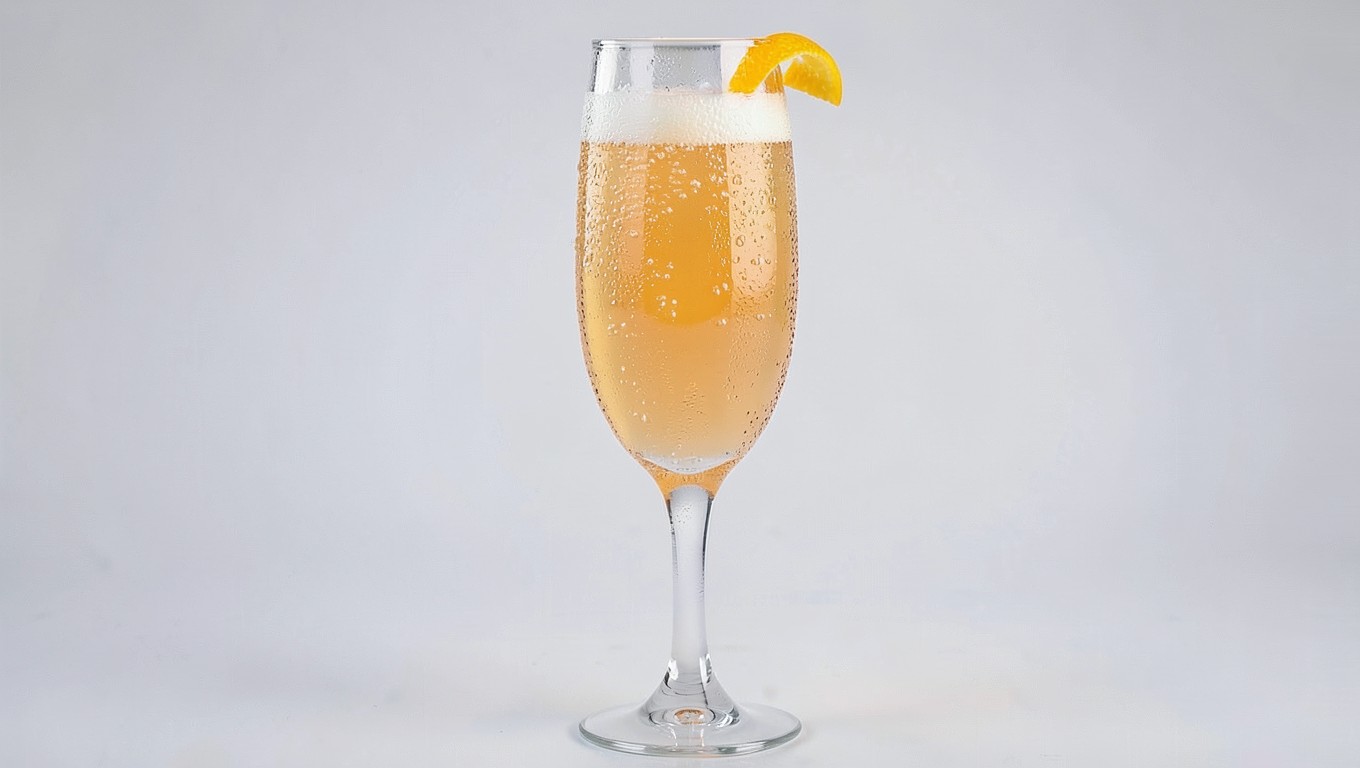
A mimosa is a two-ingredient cocktail made with equal parts chilled champagne and orange juice, built directly in a champagne flute. It takes about two minutes to make and serves one person.

- Basechampagne
- Strength8% ABV, approximate
- Methodbuild
- Glassflute
- Difficultyeasy
- Total1 h 2 min
- Serves1
- Bright
- Citrusy
- Effervescent
- Champagne flute
- Jigger or measuring spoons
The mimosa is the drink that makes breakfast feel like a celebration. It's two ingredients, and you don't need a shaker. Just cold champagne, good orange juice, and a flute. The whole thing takes two minutes from fridge to glass. This version uses equal parts juice and bubbly, which gives you a drink that's bright and tart enough to wake you up, with the champagne still doing its job. You can adjust the ratio once you know how you like it, but start here. This is the mimosa recipe to memorize, because once you have it down you'll be making it for every brunch that needs a little fizz.
About the Mimosa
The mimosa is a classic brunch cocktail that pairs sparkling wine with citrus juice, traditionally orange. It belongs to the highball family of drinks, where a base spirit is lengthened with a non-alcoholic mixer. Its exact origin is disputed, but it gained popularity in the United States during the 1960s and 70s alongside the rise of brunch culture. It is closely related to the Buck's Fizz, which uses a higher proportion of champagne to juice. The drink is defined by its simplicity and its role as a morning or daytime cocktail, served in a tall champagne flute to preserve the bubbles and show off the bright color.
Why it works
- 1Chilling every ingredient prevents the champagne from going flat the second it hits the glass.
- 2Pouring the juice first lets the champagne gently mix in as it falls, preserving more carbonation than stirring.
- 3The flute's narrow shape keeps the bubbles alive and concentrates the aroma of the orange juice.
- 4A 1:1 ratio of juice to wine keeps the drink light enough for a morning pour while still carrying real flavor.
Ingredients
Serves 1.
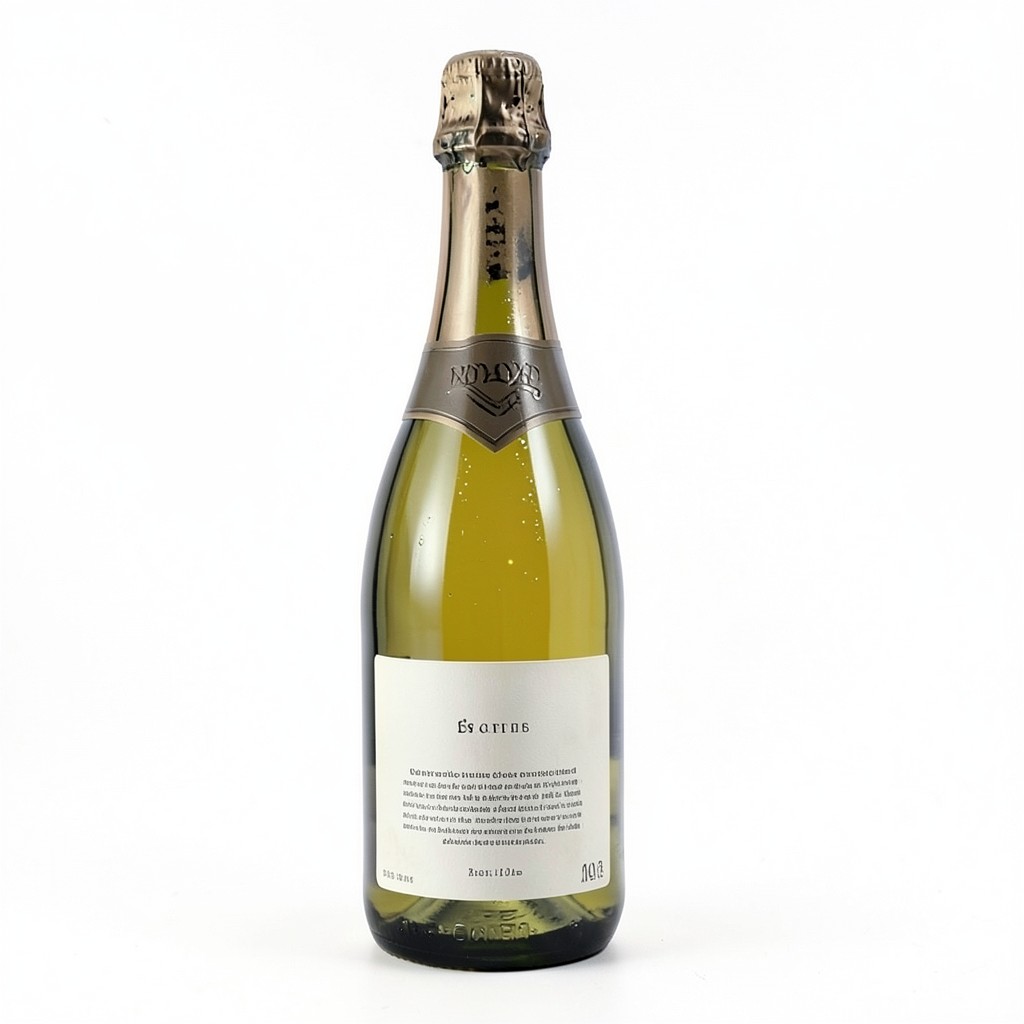 2.5 oz Champagne or sparkling wine, chilled, chilled
A dry sparkling wine like Prosecco or Cava works perfectly and costs less.
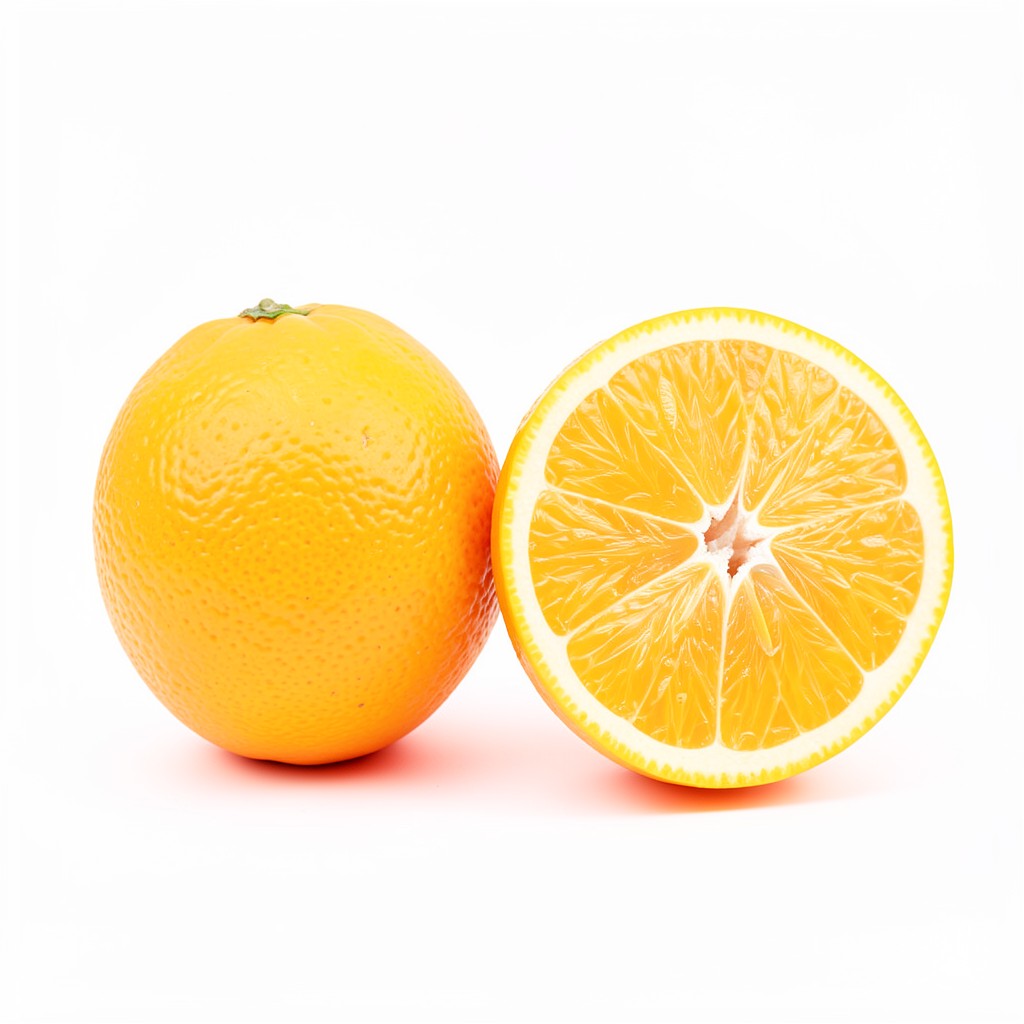 2.5 oz Orange juice, chilled, chilled
Fresh-squeezed makes a noticeably brighter drink than carton.
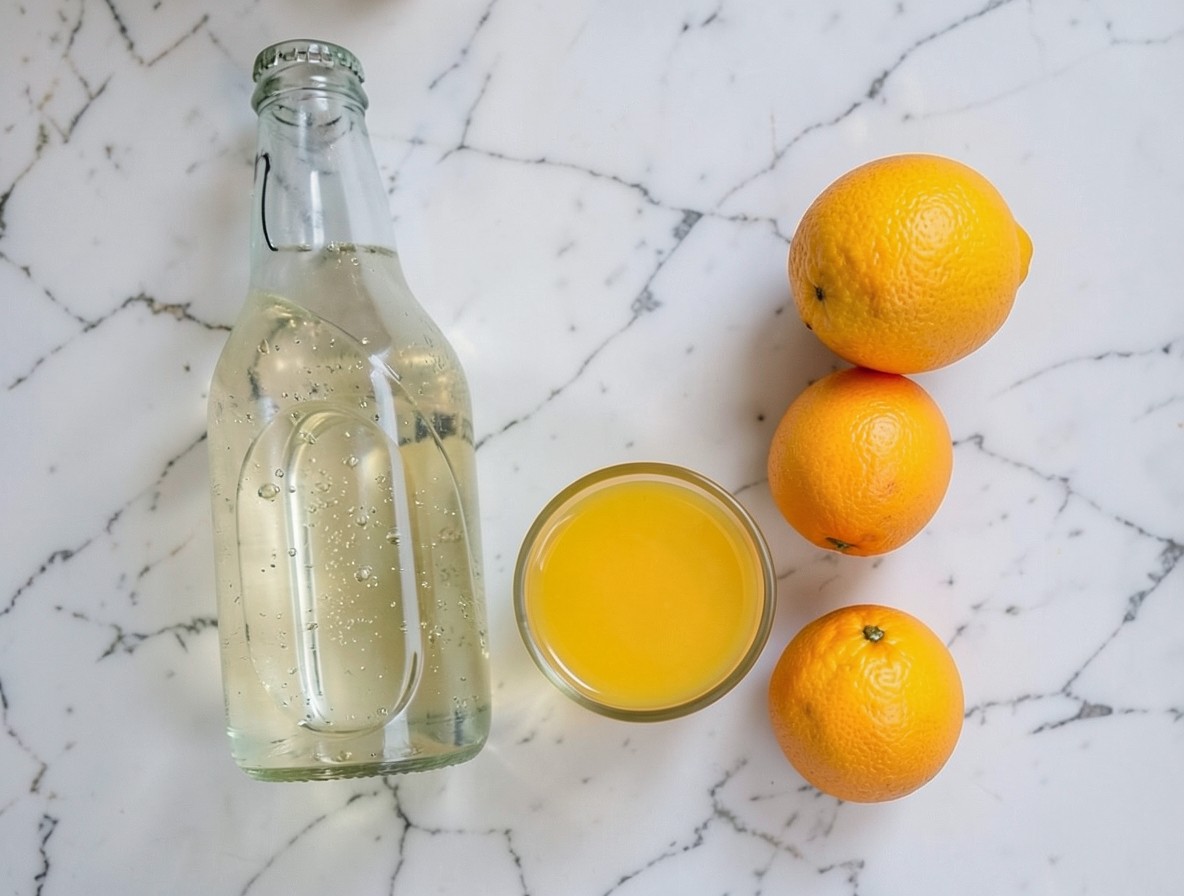
ingredients
Use a dry sparkling wine. Brut champagne, Prosecco, or Cava all work. A sweeter wine like a demi-sec will make the drink cloying because the orange juice already brings sugar. For the juice, fresh-squeezed is noticeably brighter. If you're using carton juice, look for one with no added sugar and pulp-free for the cleanest result. The ratio is forgiving, but the temperature is not. Everything needs to be properly cold.
You need: champagne flute, jigger or measuring spoons.
Method
Chill your ingredients
Make sure your champagne and orange juice are both thoroughly chilled. Pop them in the fridge for at least an hour before you plan to make the drink. A cold bottle keeps its fizz when poured.
Look for: Condensation forming on the outside of both bottles.
Common mistake: Using warm ingredients. The ice-free drink will be lukewarm and the champagne will go flat almost instantly.
Measure 2.5 oz of chilled orange juice and pour it into the champagne flute. Pouring the juice first prevents the champagne from foaming up and overflowing.
Look for: Bright orange liquid filling about a third of the flute.
Common mistake: Overfilling the glass with juice. You'll run out of room for the champagne and end up with a weak, overly sweet drink.
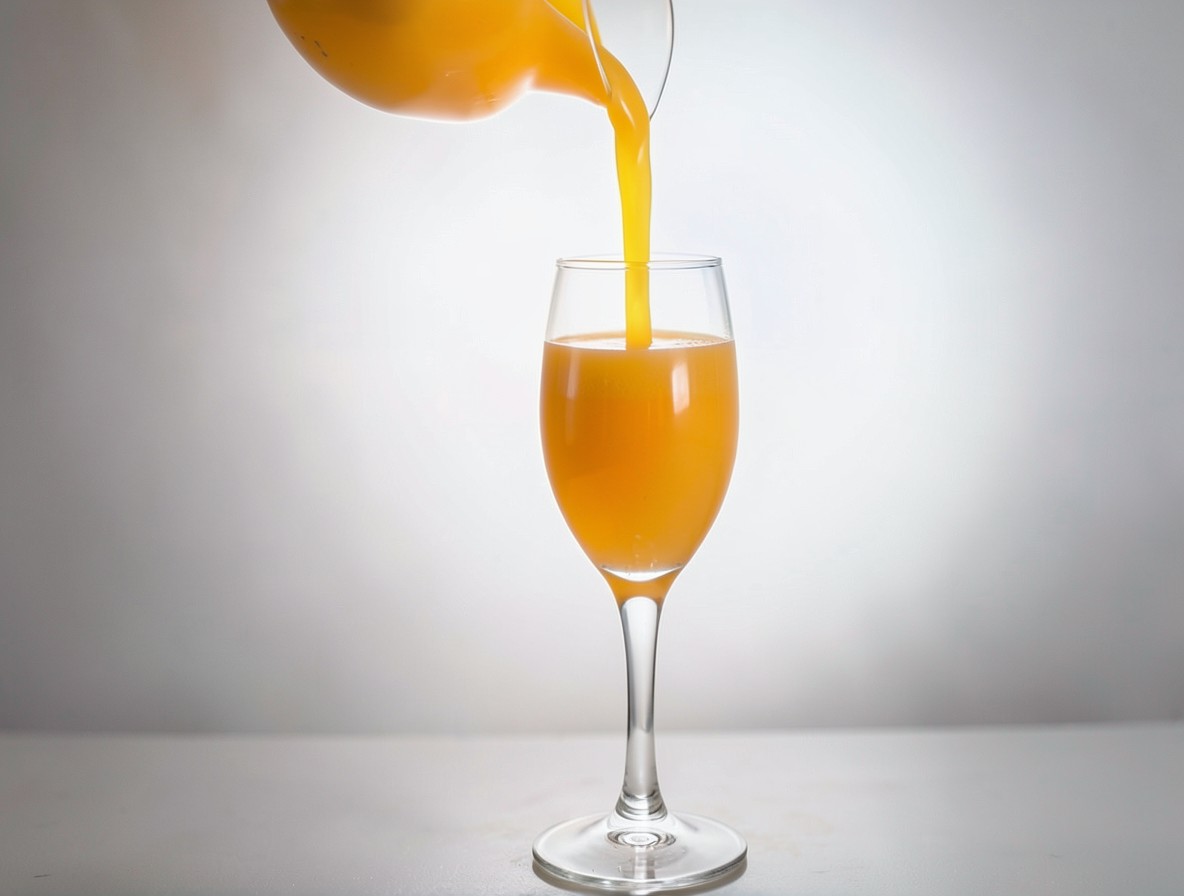
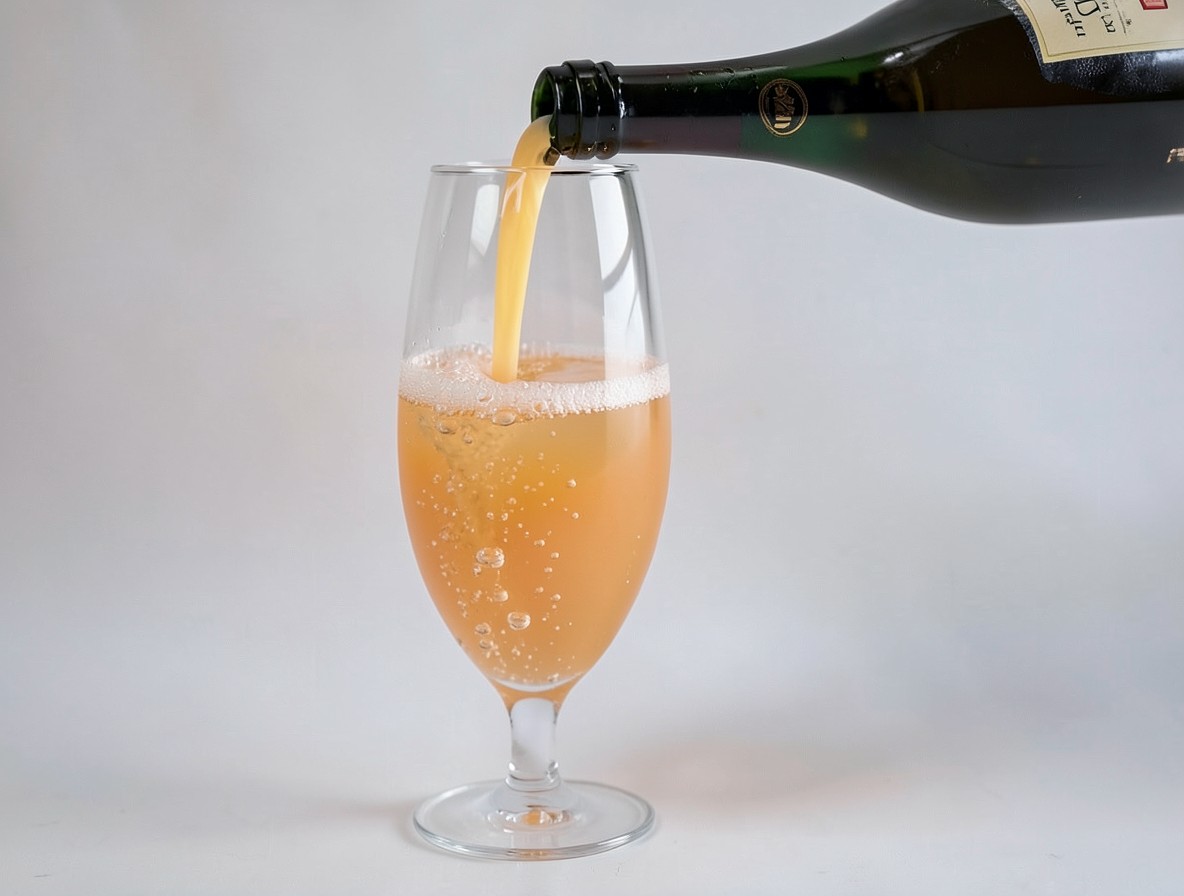
Measure 2.5 oz of chilled champagne and pour it slowly down the side of the glass, tilting the flute slightly to let the liquid run down the wall. The juice will mix gently as the bubbly settles in.
Look for: The liquid turning a pale orange as the champagne mixes in, a stream of fine bubbles rising to the surface.
Common mistake: Pouring fast into the center of the glass. This causes a violent fizz that knocks out the carbonation and makes a mess.
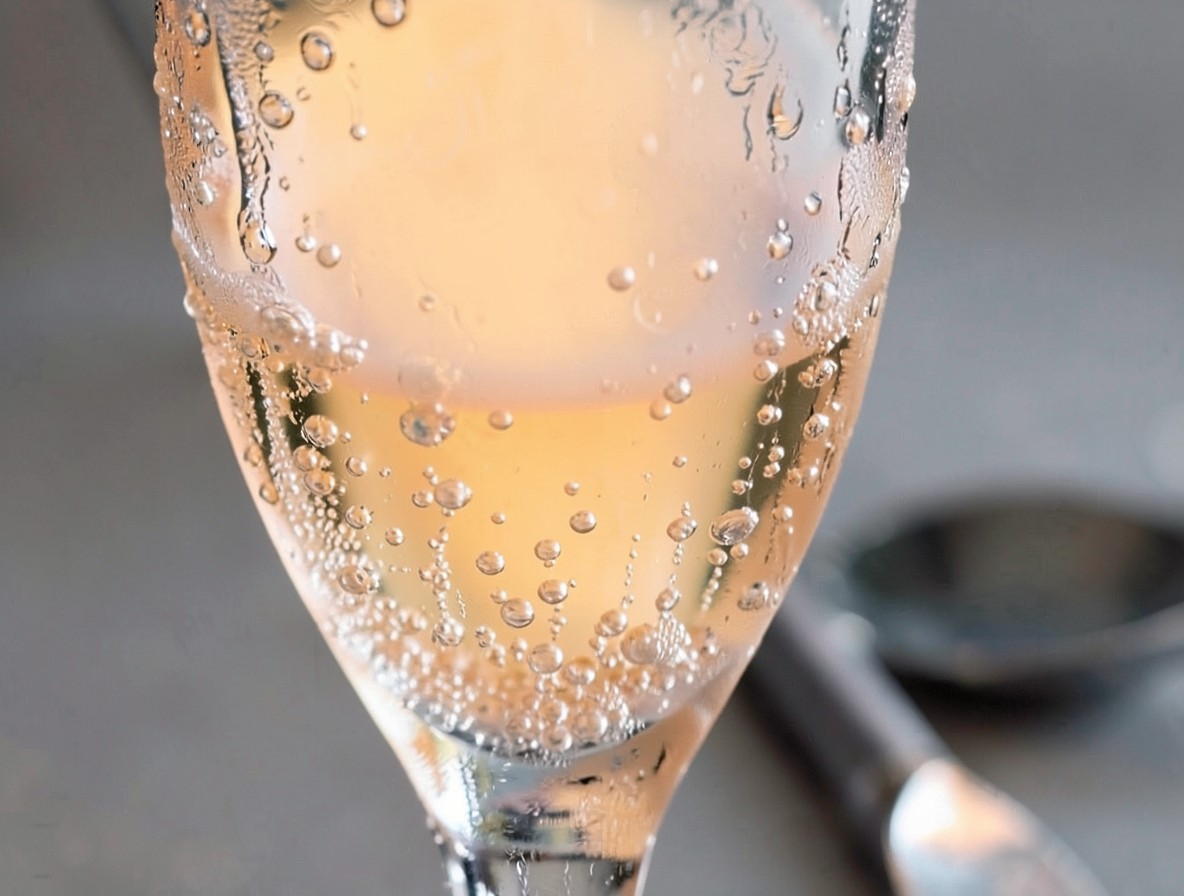
Give the drink one slow, gentle stir with a bar spoon to fully combine the juice and wine. Serve immediately.
Look for: A uniform pale orange color throughout the flute, with steady streams of bubbles rising from the bottom.
Common mistake: Stirring too hard. A vigorous stir strips the carbonation and leaves you with a flat, sad drink. One or two slow turns is enough.
Tips from the bar
- 1For a fancier brunch, use fresh-squeezed orange juice and a dry Prosecco. The difference is immediate.
- 2Pre-chill the flutes in the freezer for 15 minutes. The drink stays colder longer.
- 3Try a splash of Grand Marnier or triple sec for a slightly boozier version called a 'Grand Mimosa'.
- 4If you're making a pitcher, combine the juice and a splash of sparkling water in the pitcher, then top with champagne right before serving.
- 5Adjust the ratio to your taste. More juice makes it sweeter and less boozy; more champagne makes it drier and more celebratory.
Variations
- Use grapefruit juice instead of orange for a 'Pamplemousse' — a bit more bitter and sophisticated.
- Add a small splash of elderflower liqueur for a floral twist that pairs beautifully with the citrus.
- For a 'Buck's Fizz', use a ratio of 2 parts champagne to 1 part juice for a drier, more wine-forward drink.
- Make a 'Poinsettia' at the holidays by swapping the orange juice for cranberry juice.
Substitutions
- Champagne can be swapped for any dry sparkling wine like Prosecco or Cava. The drink will be less complex but just as refreshing.
- Orange juice can be swapped for any citrus juice. Grapefruit, tangerine, or blood orange all work well. The flavor profile shifts, but the structure stays the same.
- For a zero-proof version, use a non-alcoholic sparkling wine or sparkling water in place of the champagne.
Serving, storing, batching
The mimosa is a brunch staple for a reason. Serve it alongside eggs Benedict, a frittata, or a spread of pastries. The bubbles and citrus cut through rich, savory breakfast foods and cleanse the palate between bites.
A mimosa is meant to be drunk immediately. The carbonation will dissipate within minutes, leaving a flat, warm drink. Do not store it. If you have leftover champagne, re-cork it and keep it in the fridge for a day or two — it will still be good for cooking.
For a crowd, mix 1 part orange juice with 1 part champagne in a large pitcher. Add a large block of ice or a handful of frozen berries to chill without diluting. Do not mix more than 30 minutes before serving, as the bubbles will fade. Always top up the pitcher with a fresh pour of champagne as it runs low.
Questions people ask
A dry sparkling wine is best. Brut champagne is the classic choice, but Prosecco or Cava work just as well and cost less. The key is 'brut' or 'dry' on the label. A sweeter wine makes the drink cloying.
A mimosa is made of just two ingredients: chilled champagne (or another dry sparkling wine) and chilled orange juice, typically in equal parts. It's built directly in a champagne flute and served immediately.
The difference is the ratio. A classic Buck's Fizz uses more champagne than juice, usually 2 parts wine to 1 part juice. A mimosa uses roughly equal parts. The Buck's Fizz is drier and more wine-forward.
A mimosa made with equal parts champagne and orange juice is around 8% ABV. That's roughly half the strength of a glass of wine. The exact amount depends on the alcohol content of the sparkling wine you use.
You need just two ingredients: dry sparkling wine (like champagne or Prosecco) and orange juice. Both should be served thoroughly chilled. A champagne flute is the traditional glass.
Pour 2.5 oz of chilled orange juice into a champagne flute. Then slowly top it with 2.5 oz of chilled champagne, pouring down the side of the glass. Give it one gentle stir and serve immediately.
Freshly squeezed orange juice is the best. If you're using carton, choose one with no added sugar and no pulp for the cleanest drink.
The easiest way is to keep a bottle of chilled Prosecco and a carton of orange juice in the fridge. When you're ready, pour equal parts into a glass. You don't even need to measure — a 50/50 split is perfect.
Pour the orange juice first. Adding the champagne on top allows it to mix gently without foaming over. It also prevents you from overfilling the glass with juice before the wine goes in.
Yes, but very gently. One or two slow turns with a bar spoon will combine the juice and wine without stripping the carbonation. A hard stir will make the drink go flat quickly.
Last word
The mimosa is the easiest drink you'll make, and one of the most rewarding. Two ingredients, a cold flute, and a slow pour are all it takes to turn a regular morning into a brunch. Make it the next time you need a little fizz before noon.