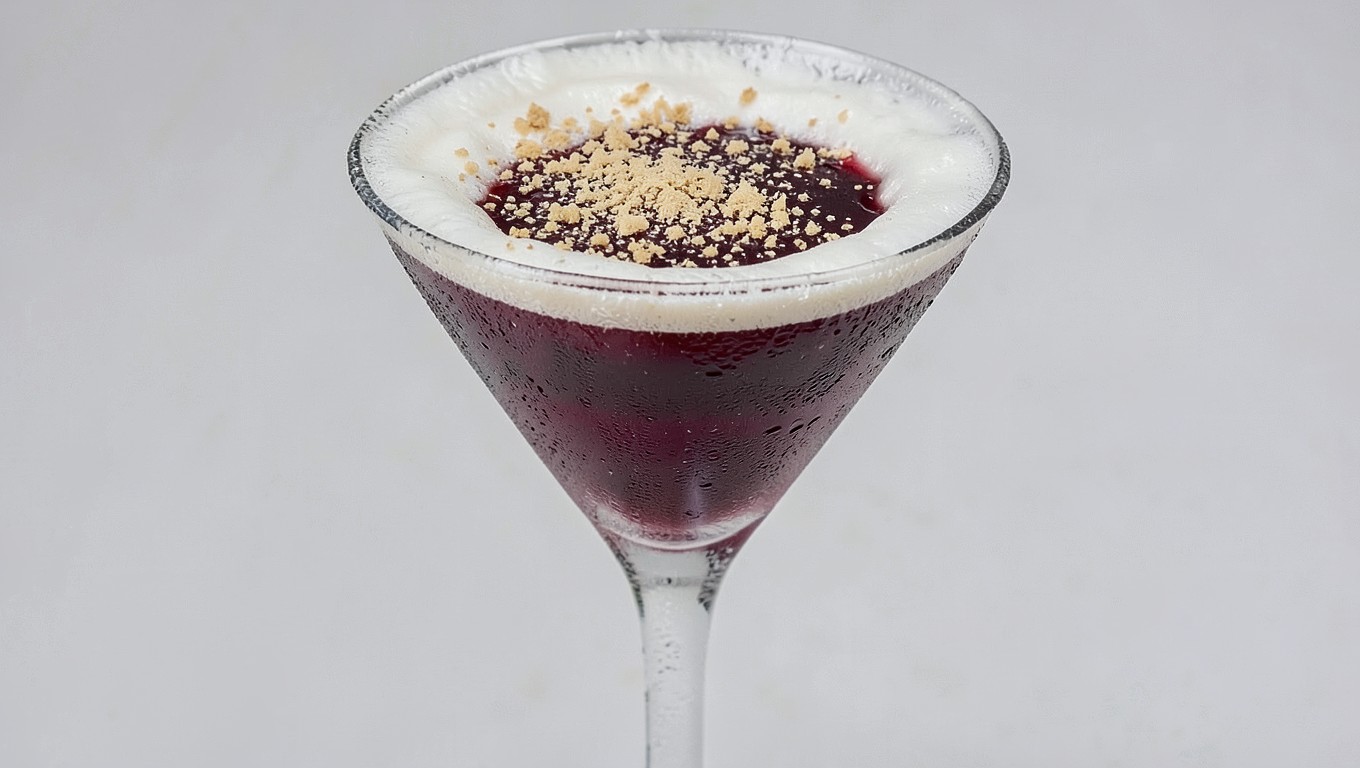
Porto Flip: The Velvet-Rich Brandy and Port Cocktail
A Porto flip is a classic three-ingredient cocktail of brandy, ruby port, and egg yolk, shaken with ice until creamy. It tastes like a rich, lightly spiced custard with a boozy backbone. Takes about 5 minutes to make one serving.

- Basebrandy
- Strength22% ABV, approximate
- Methodshake
- Glassmartini
- Difficultyeasy
- Total3 min
- Serves1
- Rich
- Fruity
- Slightly spicy with a velvety texture
- Jigger or measuring spoons
- Cocktail shaker
- Strainer
- Fine strainer
- Chilled martini glass
- Contains eggs (egg yolk)
The Porto flip is an old one, from the era when bartenders treated eggs, sugar, and fortified wine as the building blocks of a proper cocktail. It has the richness of a dessert, the structure of a classic, and a surprisingly light texture once you shake it properly. A lot of people look at the egg yolk and expect something heavy. It's not. Shaken hard with ice, the yolk becomes a thin, silky emulsion that coats the palate without weighing it down. This version sticks strictly to the classic formula: brandy, port, and yolk. No sugar, since the port carries enough. No cream, because the yolk does the work. Use a ruby port, not tawny, for the fruit and body that makes this drink work. Serve it up in a chilled martini glass with a whisper of nutmeg on top. The Porto flip is a drink to make when you want something that feels substantial but goes down dangerously easily. It's an after-dinner drink and a slow-sipper. Three ingredients plus one technique are enough to make it memorable.
About the Porto flip
The flip is one of the oldest families of mixed drinks, predating the word 'cocktail' itself. Early flips in the 17th century mixed beer, rum, sugar, and eggs, heated with a hot poker until frothy. By the late 19th century, the flip had evolved into a cold, shaken drink built on fortified wines and spirits. The Porto flip, which appears in Jerry Thomas's 1862 'How to Mix Drinks', swaps beer for port and brandy, creating a richer, smoother drink. The egg yolk gives it the signature velvety texture and the name. It's traditionally served as a nightcap or dessert drink, not something you'd order before a meal. The drink belongs to a broader family of egg cocktails that includes the eggnog and the fizz, though the flip is distinguished by its use of yolk alone rather than the whole egg. The Porto flip's modern resurgence owes much to the IBA (International Bartenders Association) listing it as one of its official cocktails, giving it a place on back bars around the world.
Why it works
- 1The egg yolk binds the spirit and the port into one texture that coats the tongue rather than hitting it in layers.
- 2Ruby port brings deep berry sweetness and body, which means no simple syrup is needed to balance the brandy.
- 3A hard shake with ice dilutes the drink to around 25-30% ABV and aerates the yolk, creating a light foam that softens the boozy edge.
- 4The brandy's oak and spice notes cut through the port's fruit, preventing the drink from tasting like a glass of dessert wine.
Ingredients
Serves 1.
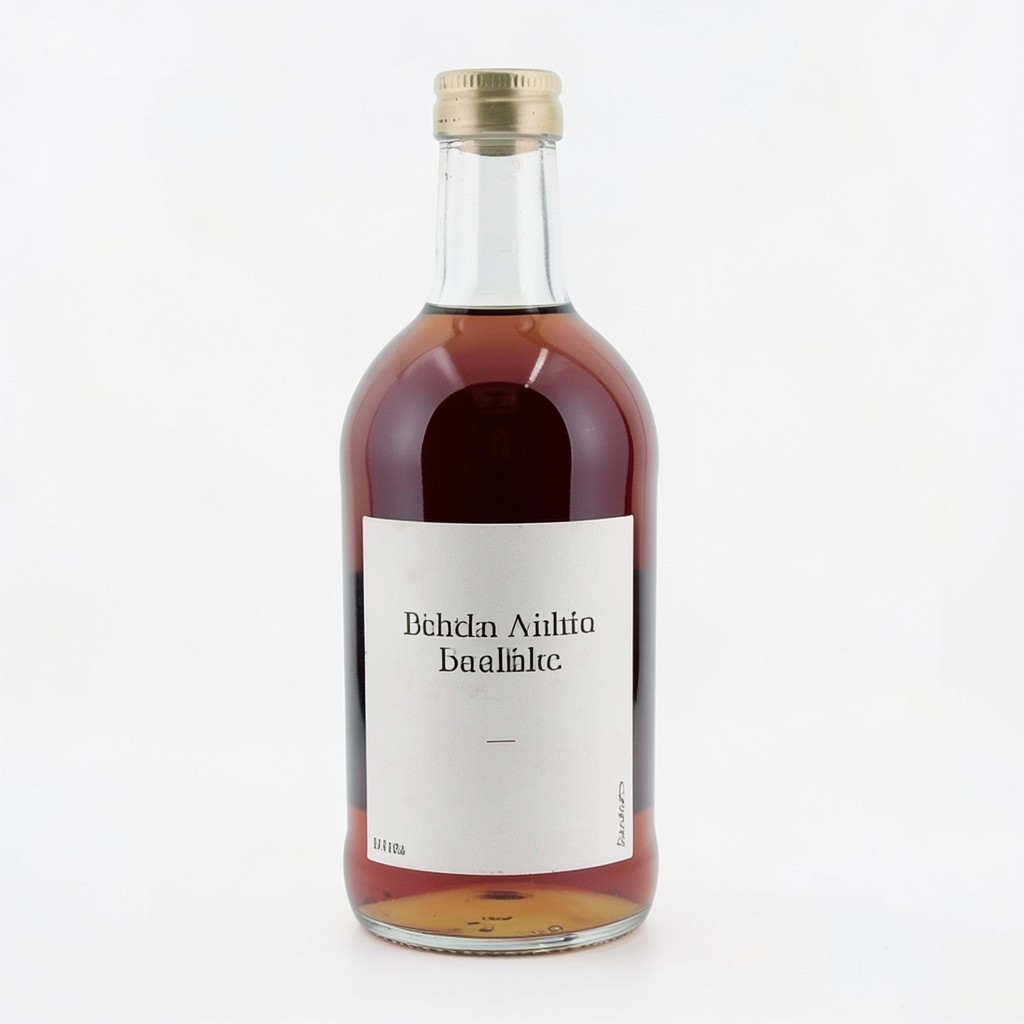 45 ml brandy, 1.5 oz
Choose a VS or VSOP Cognac or a good quality Spanish brandy. The oak character is essential.
- 135 ml ruby port, 4.5 oz
Use ruby port, not tawny. Ruby is fruitier and more vibrant, giving the drink its structure and sweetness.
 1 large egg yolk, from a fresh, high-quality egg
One large yolk is enough. It emulsifies the drink without making it taste eggy.
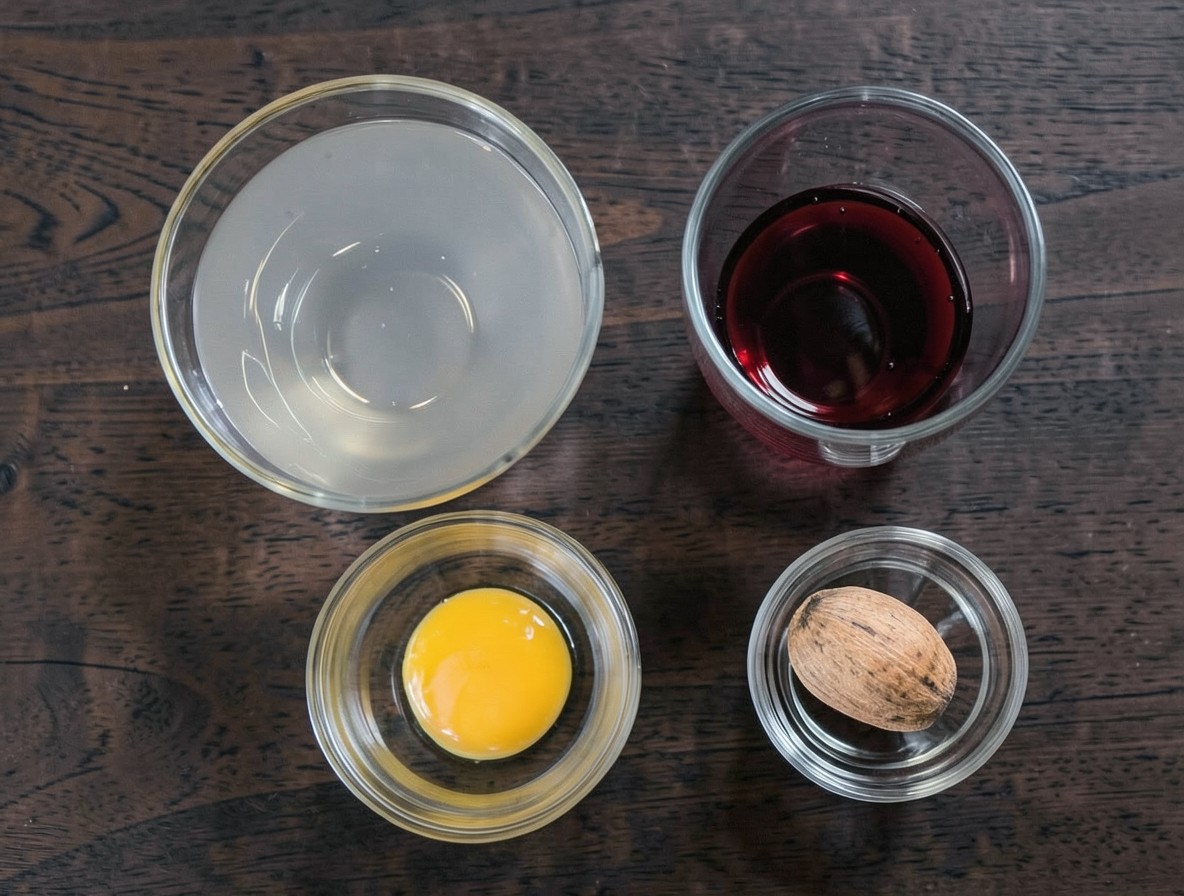
ingredients
The port is the backbone here, so don't use something you wouldn't drink on its own. A decent ruby port like Graham's or Taylor's works beautifully. The brandy should have some age to it; a young, harsh brandy will make the drink taste sharp. The egg is the star of the texture show, so use the freshest you can find. A pasteurized egg yolk is fine if you're concerned about raw egg, though it will produce a slightly less rich foam. For a nutmeg garnish, use freshly grated, not pre-ground, for the aroma.
You need: jigger or measuring spoons, cocktail shaker, strainer, fine strainer, chilled martini glass.
Method
Chill your glass and gather ingredients
Fill your martini glass with ice water and set it aside. This gets the glass properly cold, which is essential for a drink that should be served up and cold. Separate the egg yolk from the white, making sure no white gets in.
Look for: The glass is frosted and cold to the touch. The yolk is intact and bright orange, with no white streaks.
Common mistake: Skipping the chill. A room-temperature glass will warm the drink in seconds and ruin the texture.
Add the brandy, port, and egg yolk to your cocktail shaker. Don't add ice yet. You're going to do a quick 'dry shake' first to emulsify the yolk properly.
Look for: The yolk is sitting on top of the dark, ruby-red liquid, a bright yellow island in a deep red sea.
Common mistake: Adding ice first. The ice will chill the yolk so quickly that it won't emulsify properly, leaving you with a watery, thin drink.
Seal the shaker and shake hard for 10-15 seconds without ice. This step breaks down the yolk and creates a smooth, unified mixture. You'll feel the mixture become noticeably thicker and creamier.
Look for: The shaker feels heavier and the contents sound different, more viscous, like shaking cream.
Common mistake: Not shaking long enough. A too-short dry shake leaves the drink thin and watery, with a faint eggy taste.
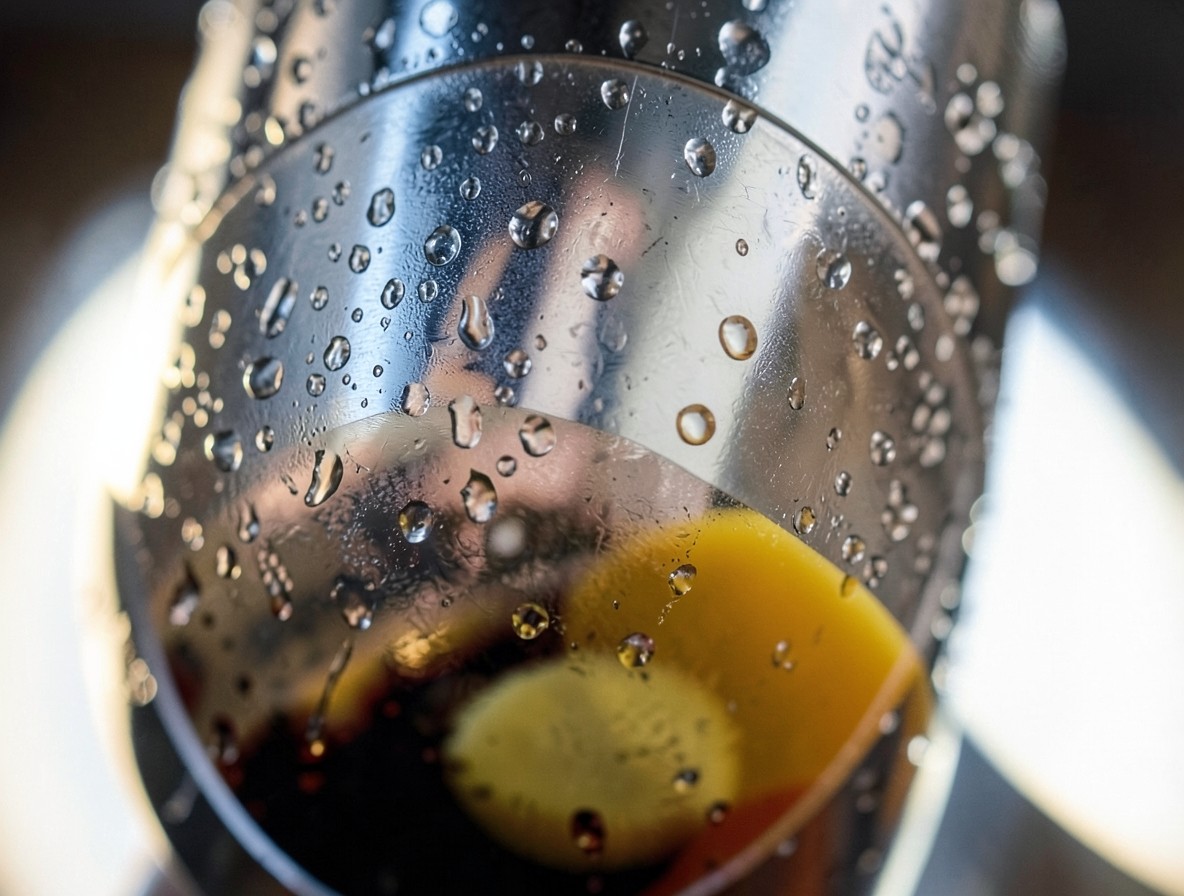
Add a generous scoop of cracked ice to the shaker. Seal it and shake hard for another 15-20 seconds. You want the drink to be properly chilled and diluted. The colder it gets, the more the texture will set.
Look for: The outside of the shaker frosts over with condensation. The liquid inside, if you could see it, is a uniform, opaque, dark reddish-brown.
Common mistake: Shaking too long. Over-shaking will over-dilute the drink, making it watery and weak. 20 seconds is the max.
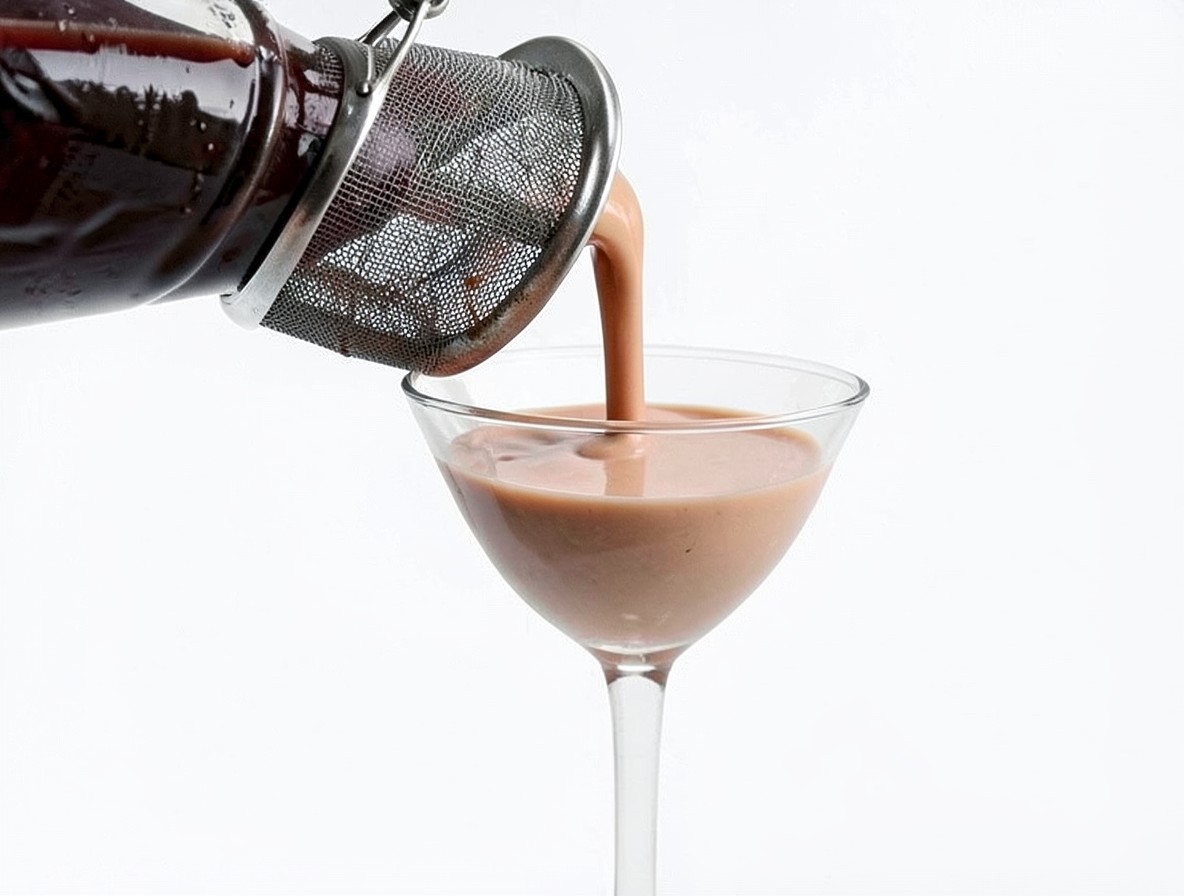
Discard the ice water from your martini glass. Double-strain the cocktail through both your shaker's strainer and a fine mesh strainer into the glass. This catches any ice shards and, more importantly, any bits of egg yolk that could be unpleasantly stringy.
Look for: The drink pours out as a single, smooth, opaque liquid. It lands in the glass with a creamy texture, not a watery splash.
Common mistake: Only using the built-in strainer. Small ice chips and yolk solids will end up in the glass, ruining the silky mouthfeel.
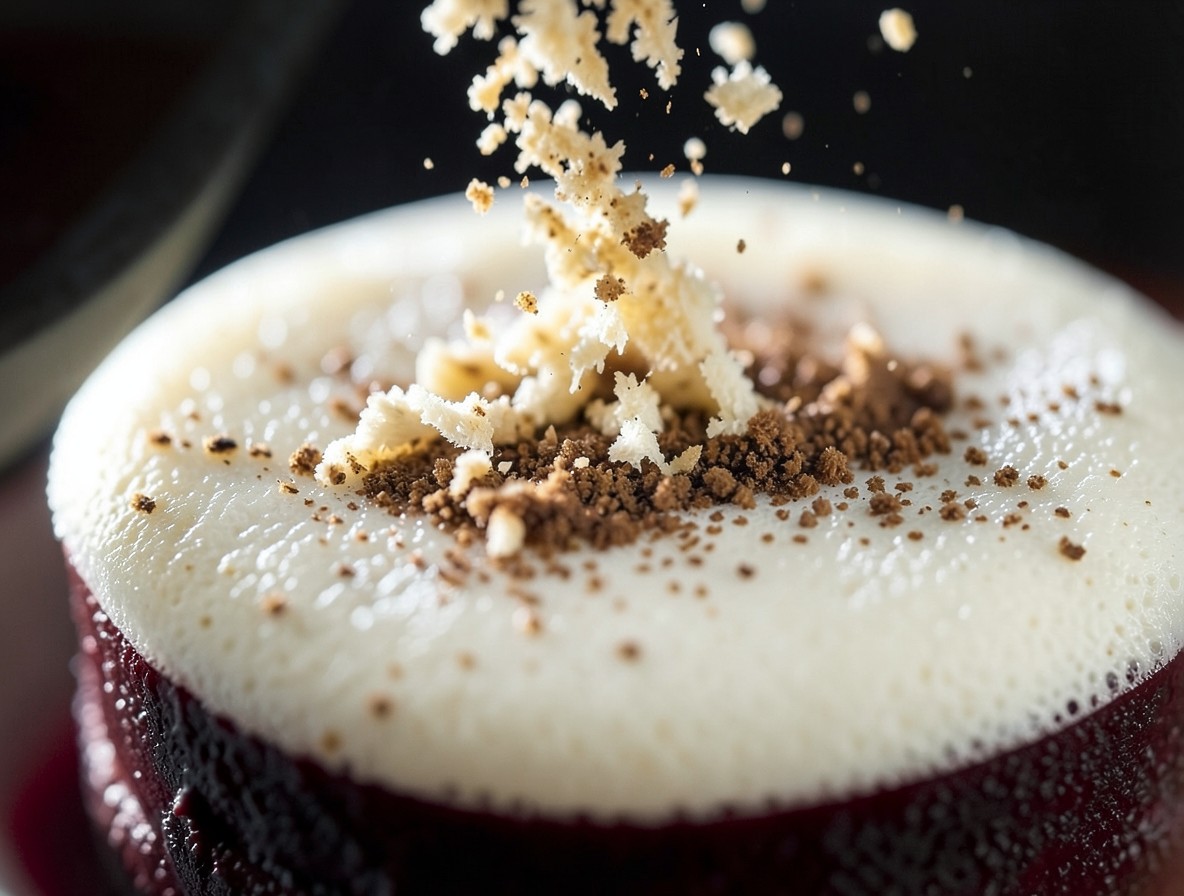
Grate a little fresh nutmeg over the top of the drink. The oils in the nutmeg add a warm, aromatic spice that cuts through the richness. Serve immediately.
Look for: The top of the drink has a thin layer of fine foam, dusted with dark brown specks of nutmeg. The aroma is warm and spicy, with ripe fruit notes.
Common mistake: Using pre-ground nutmeg. It lacks the aromatic oils and will just taste dusty. Grate it fresh, right over the glass.
Tips from the bar
- 1Use a large, fresh egg yolk. The color and emulsifying power of a bright orange yolk from a pastured hen makes a visibly richer drink.
- 2If you're nervous about raw egg, use a pasteurized yolk. You'll lose a tiny bit of foam, but nothing that matters at home.
- 3Don't use tawny port. It's too delicate and nutty; the drink will taste flat. Ruby port has the fruit and body to stand up to the brandy.
- 4For a slightly sweeter drink, add a teaspoon of simple syrup in the dry shake. Not traditional, but some palates want it.
- 5The drink is best enjoyed immediately. It doesn't hold its texture once it warms up.
Variations
- New York Flip: Substitute the port with cream and add a teaspoon of sugar for a richer, creamier drink.
- Use a smoky mezcal instead of brandy for a completely different, slightly savory twist with the port.
- Aged tawny port can be used if you want a nuttier, more complex drink, but you'll need to add a barspoon of simple syrup to balance it.
- For a large format punch, multiply the ingredients by 8 and shake in batches, then serve in a punch bowl over a large block of ice.
Substitutions
- Brandy: Any good quality aged spirit like rum or even a bourbon can work, though it will change the character. Rum adds a sweeter, more tropical note.
- Ruby Port: A non-fortified red wine like a Zinfandel or a Malbec can be used in a pinch, but the drink will be thinner and less rich. You'll need to add sugar.
- Egg yolk: For a vegan version, use 25ml of aquafaba (chickpea water) in the dry shake. It won't be quite as rich, but it will give you a similar foam and texture.
Serving, storing, batching
Serve this as an after-dinner drink, not with a meal. It's the end of the evening, the bit where you're talking and not rushing. It pairs beautifully with something dark and bitter like a square of 70% dark chocolate or a small piece of Stilton, which echoes the drink's richness without competing with it.
This drink must be made fresh to order. The egg yolk will separate and the drink will lose its texture within minutes. Do not batch it.
This is a single-serving drink. For a party, you can scale the ingredients, but you must shake each serving individually to get the right texture. Shaking a large batch in one go will not work.
Questions people ask
A flip is a classic family of cocktails that combines a spirit, a sweetener, and a whole egg or egg yolk. Historically, flips were hot drinks, but the modern version is shaken with ice and served up. The Porto flip is a well-known example, made with brandy and port.
A Porto tonic is a completely different drink from the Porto flip. It's a simple, refreshing highball made by pouring a measure of white port over ice in a tall glass and topping it up with tonic water. It's a light, summery drink, whereas the Porto flip is a rich, egg-based cocktail.
Port is a fortified wine, so it's stronger than table wine. It typically has an ABV of around 19-20%, compared to 12-13.5% for regular wine. This is because grape brandy is added during fermentation to stop it and preserve the natural sweetness.
Port is a fortified wine, meaning it's a blend of wine and a neutral grape brandy. It's produced in the Douro Valley in Portugal. The brandy raises the alcohol content and leaves behind the natural grape sugars, giving port its characteristic sweet, rich flavor.
The classic port and brandy mix is the Porto flip. The ingredients are simply 3 parts brandy, 9 parts ruby port, and 1 egg yolk, shaken with ice. There's no sugar, as the port provides all the sweetness.
The Porto flip must be shaken because it contains egg yolk. Shaking is the only way to properly emulsify the yolk into the liquid, creating a smooth, creamy texture. Stirring would leave the yolk as a separate, unappealing layer.
Yes, using a fine strainer is recommended. After shaking, the drink can have small ice shards and occasionally bits of set egg yolk. A fine strainer catches these, and the drink ends up smooth in the glass.
The main difference is the dairy. Eggnog uses milk or cream and a whole egg, making it much richer and heavier. A Porto flip uses only the yolk, which emulsifies the spirits it's mixed with, resulting in a silkier but lighter texture.
You can, but it won't be a Porto flip. The egg yolk is the defining ingredient. Without it, you simply have a port and brandy mix. For a vegan alternative, you can shake 25ml of aquafaba (chickpea water) with the liquids to create a similar foam and texture, though not identical.
Use a ruby port. Ruby port is fruity and has the body to stand up to the brandy. Tawny port, which is aged in wood and has a nuttier flavor, is too delicate and will make the drink taste flat.
Last word
The Porto flip is a classic for a reason. It's rich without being heavy, simple without being boring. Three ingredients and a proper shake are all it takes to make a drink that feels like an event. Give it a try when you want a quiet, substantial drink.