How to Make a Kir Royale That's Actually Worth the Champagne
A Kir Royale is a French aperitif made with 1 tablespoon of crème de cassis topped with Champagne in a chilled flute. It tastes like sweet blackcurrant with dry, bubbly wine. It takes about 2 minutes to build and serves one. The trick is pouring the wine slowly to preserve the bubbles.

- Baseliqueur
- Strength12% ABV, approximate
- Methodbuild
- Glassflute
- Difficultyeasy
- Total11 min
- Serves1
- Sweet-tart
- Fruity
- Dry
- Bubbly
- Jigger or measuring spoon
- Champagne flute
- Bar spoon (optional)
The Kir Royale is the drink you order when you want to look like you know what you're doing, but you're actually just drinking sparkling wine with a splash of syrup. That's not a knock. It's the point. Three ingredients, and if you can pour, you can make one.
The recipe is simple: crème de cassis in a flute, Champagne on top. But simple drinks punish mistakes. The wrong glass, warm wine, or a heavy-handed pour of cassis turns a delicate aperitif into a syrupy mess. Get it right and you have a drink whose bubbles carry the blackcurrant flavor straight to the back of your throat. This is the kir royale recipe worth keeping in your back pocket.
About the Kir Royale
The Kir Royale comes from Burgundy, France, where it's served as an aperitif before dinner. The original Kir used Bourgogne Aligoté, a dry white wine, and crème de cassis, the blackcurrant liqueur that the region is famous for. The drink was named after Félix Kir, a mayor of Dijon who popularized it in the 1940s.
The Royale version swaps the white wine for Champagne. It's a relatively modern upgrade, but it follows the same logic: dry wine, sweet blackcurrant, nothing else. In France it's a celebration drink, but also a casual one. It's less a cocktail and more a way to make good sparkling wine feel like an occasion.
Why it works
- 1The dry, acidic Champagne cuts the sweetness of the cassis, so the drink finishes clean instead of cloying.
- 2The cassis coats the glass and mingles with the bubbles, which lifts the blackcurrant aroma into the nose.
- 3Building the drink in the glass preserves the carbonation that a shaker would destroy.
- 4Cold ingredients do the dilution work for you, so the drink stays sparkling and intense without watering down.
- 5The ratio of 1 tablespoon to 150ml of wine keeps the drink balanced — more cassis and it becomes a dessert.
Ingredients
Serves 1.
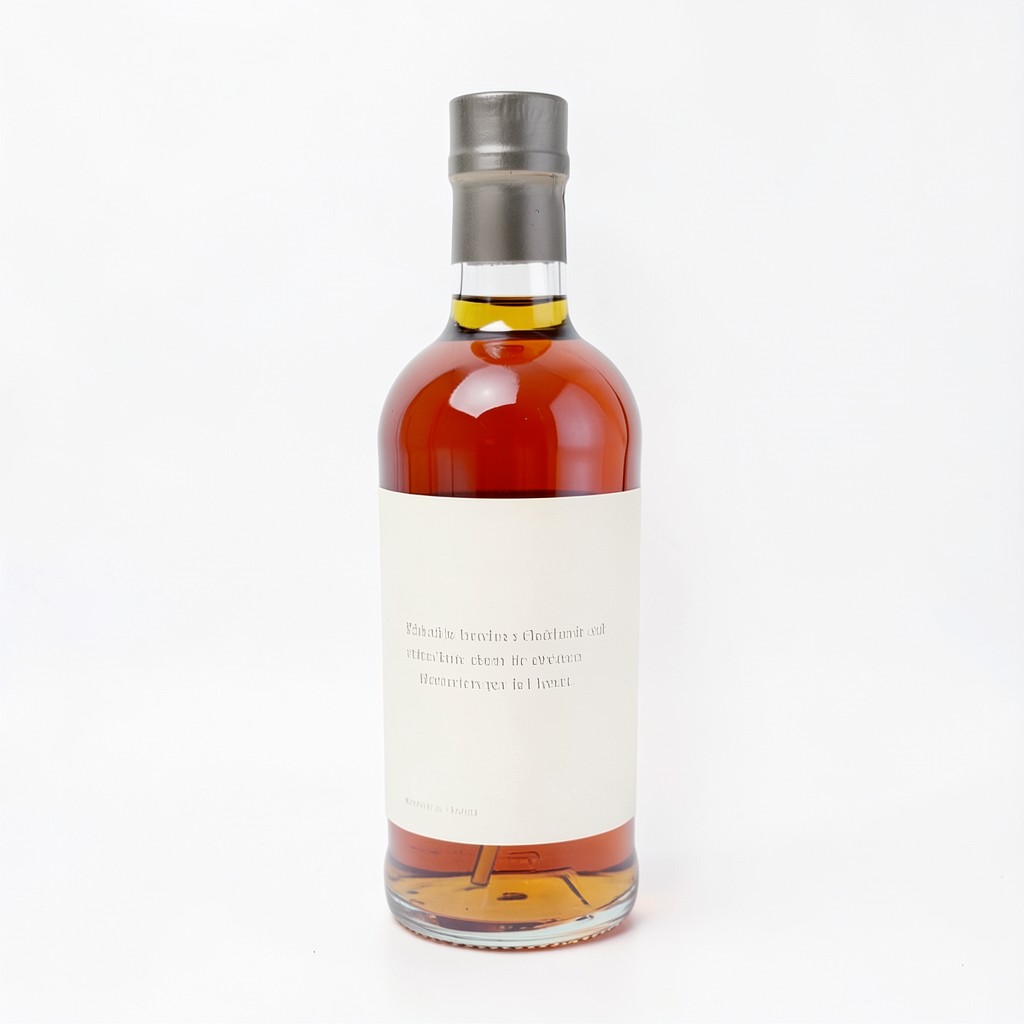 1 tablespoon Crème de cassis, chilled
The blackcurrant liqueur is the whole flavor base. Use a good one — the cheap stuff tastes like candy syrup.
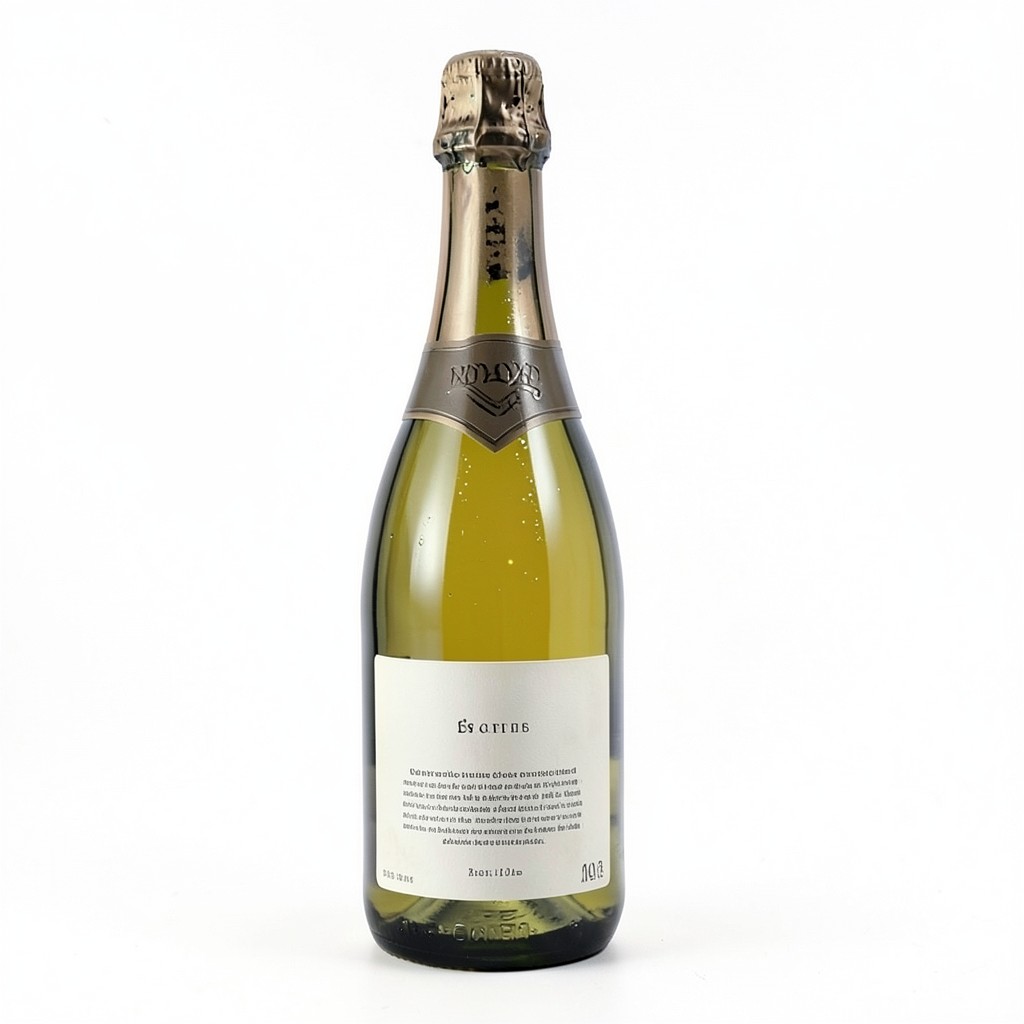 150 ml Champagne or sparkling wine, chilled, brut or extra dry
Brut sparkling wine is dry enough to balance the cassis. Skip demi-sec — it's too sweet.
- 2-3 berries Fresh seasonal berries, for garnish
Optional. A single blackberry or raspberry adds a visual pop and a hint of fresh fruit.
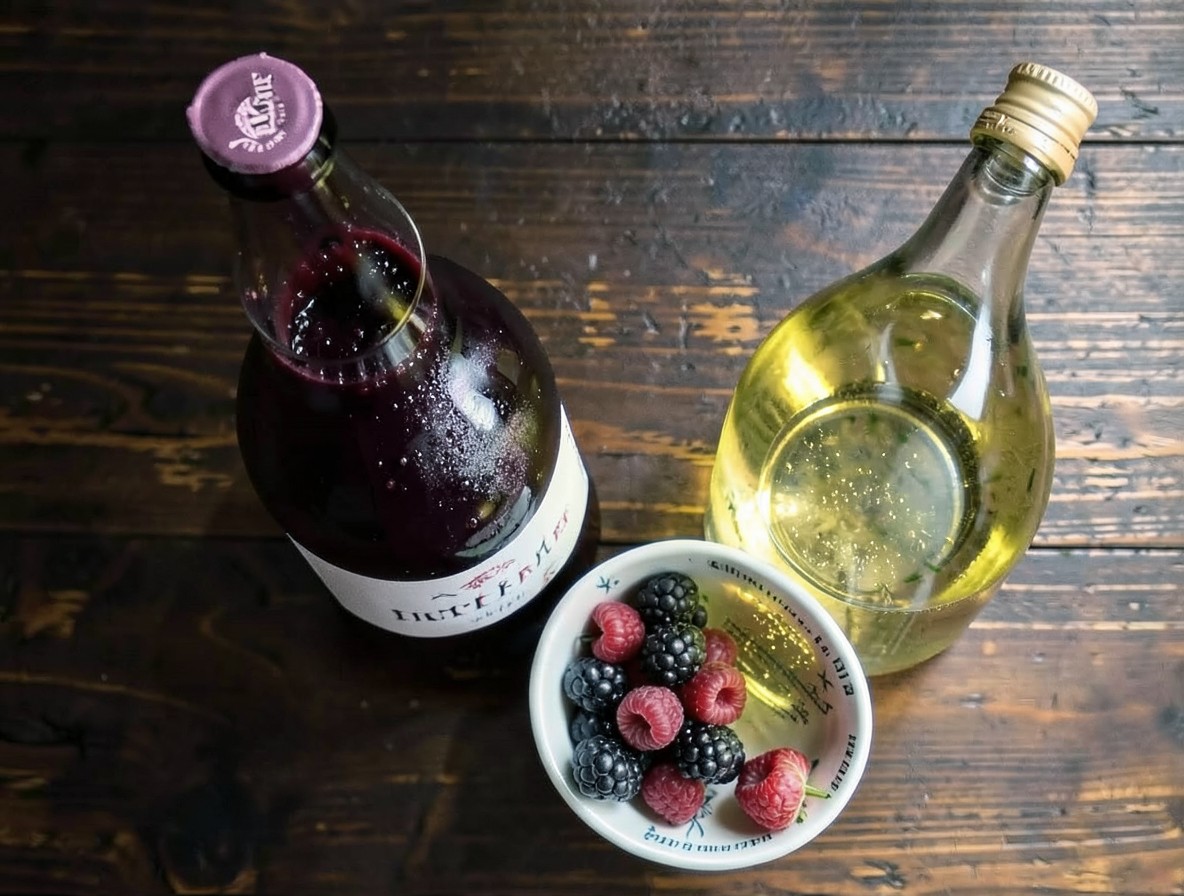
ingredients
Crème de cassis matters more than the Champagne. A good one, like Lejay-Lagoute or Massenez, is made from real blackcurrants and has a wine-like depth. The cheap stuff is just syrup with alcohol. If you're using a budget cassis, drop the measure to 2 teaspoons.
For the wine, you don't need actual Champagne. A dry Cava, Prosecco (the brut style, not the sweet one), or a Crémant d'Alsace works beautifully and costs a third of the price. What matters is that it's dry and cold, with enough carbonation to carry the bubbles. If it's flat, the drink falls flat, literally.
You need: jigger or measuring spoon, champagne flute, bar spoon (optional).
Method
Chill the glass and wine
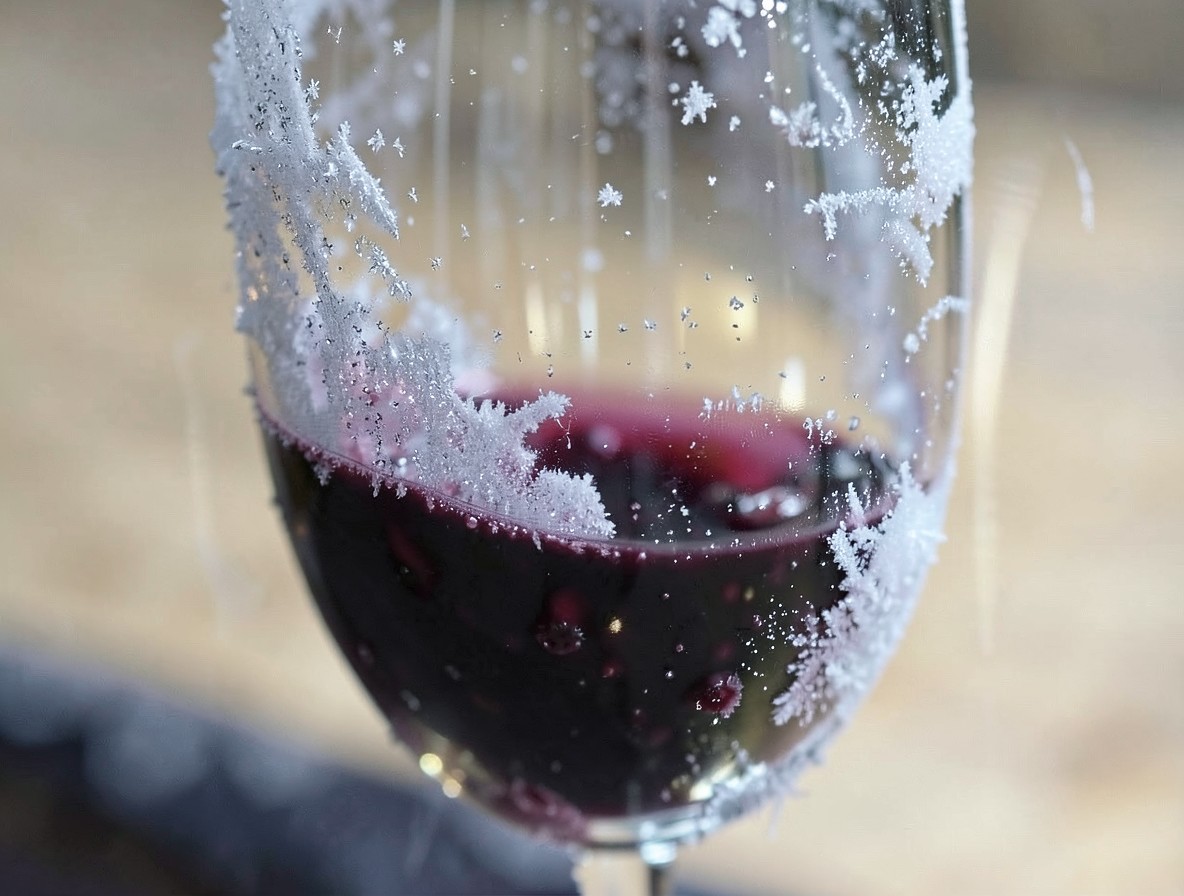
Put your flute in the freezer for at least 10 minutes before you start. The wine should be at fridge temperature — about 6-8°C. Warm glasses kill the bubbles instantly, and warm wine makes the cassis taste flabby and cloying. You don't need ice in the glass; the chill does the work.
Look for: The glass is frosty to the touch, and the bottle is cold enough that condensation forms when you hold it.
Common mistake: Using a room-temperature glass. The bubbles hit the warm surface and burst immediately, so your drink goes flat in minutes.
Measure 1 tablespoon of crème de cassis into the chilled flute. Don't free-pour — you'll get too much, and the drink will be sweet enough to be a dessert. Let the cassis settle at the bottom of the glass. It will sit there like a dark pool of blackcurrant, waiting.
Look for: A deep purple-black pool of cassis sits at the bottom of the flute, about 1cm deep, sharply defined against the clear glass.
Common mistake: Pouring too much. The cassis is the flavor and the sweetness — overpour it and you lose the wine's dryness. The drink becomes cloying and the bubbles can't break through the syrup.
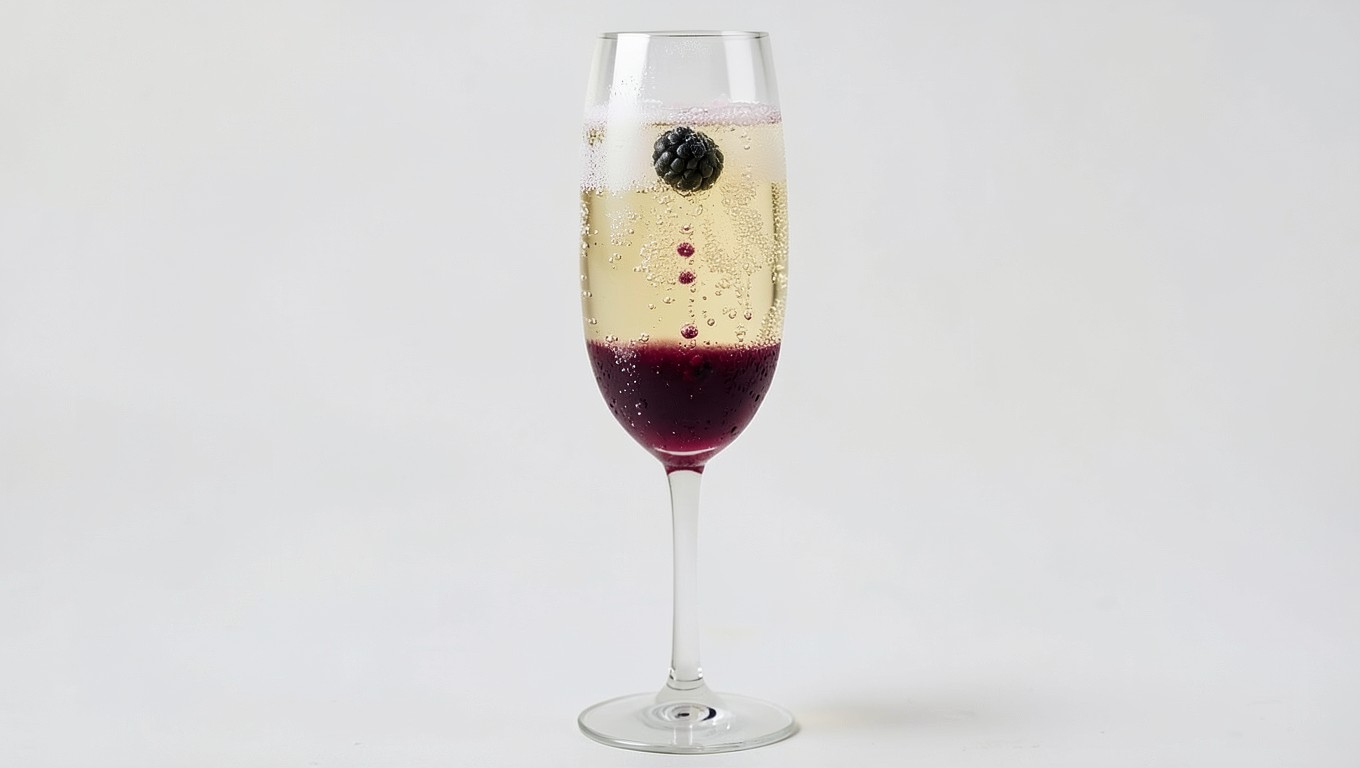
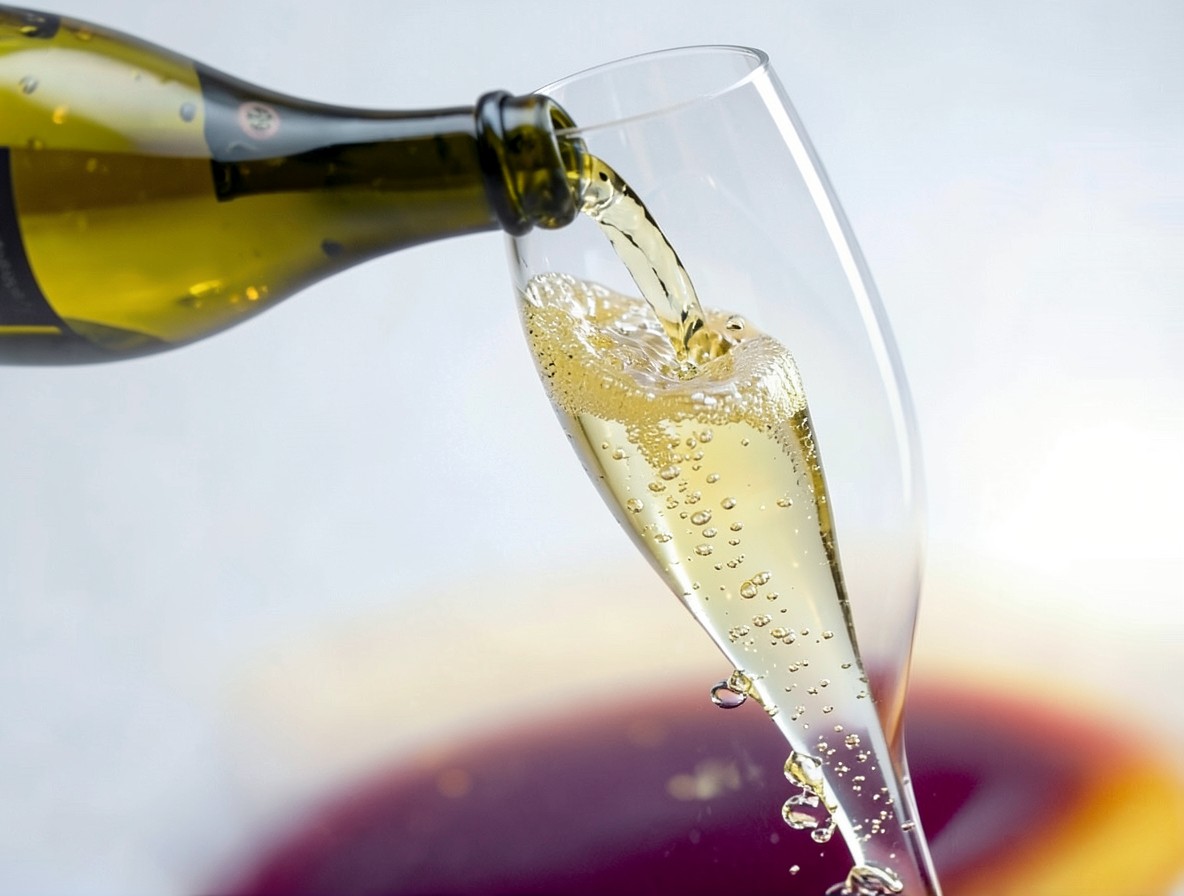
Tilt the flute at a 45-degree angle and pour the sparkling wine down the side of the glass, aiming at the wall rather than directly at the cassis. Pour slowly, in one steady stream. Let the wine run down and mingle with the cassis. Pouring fast makes the bubbles explode and the drink goes flat. Fill the glass to about 2cm from the rim. The wine will mix with the cassis naturally, creating a gradient from deep purple at the bottom to pale gold at the top.
Look for: A beautiful gradient forms — dark purple at the base blending into golden wine above. Small streams of bubbles rise from the cassis layer. The wine is visibly carbonated but not fizzing over.
Common mistake: Pouring straight down into the cassis and letting the stream fall from a height. This agitates the wine, releases the CO2, and the drink goes flat in under a minute.
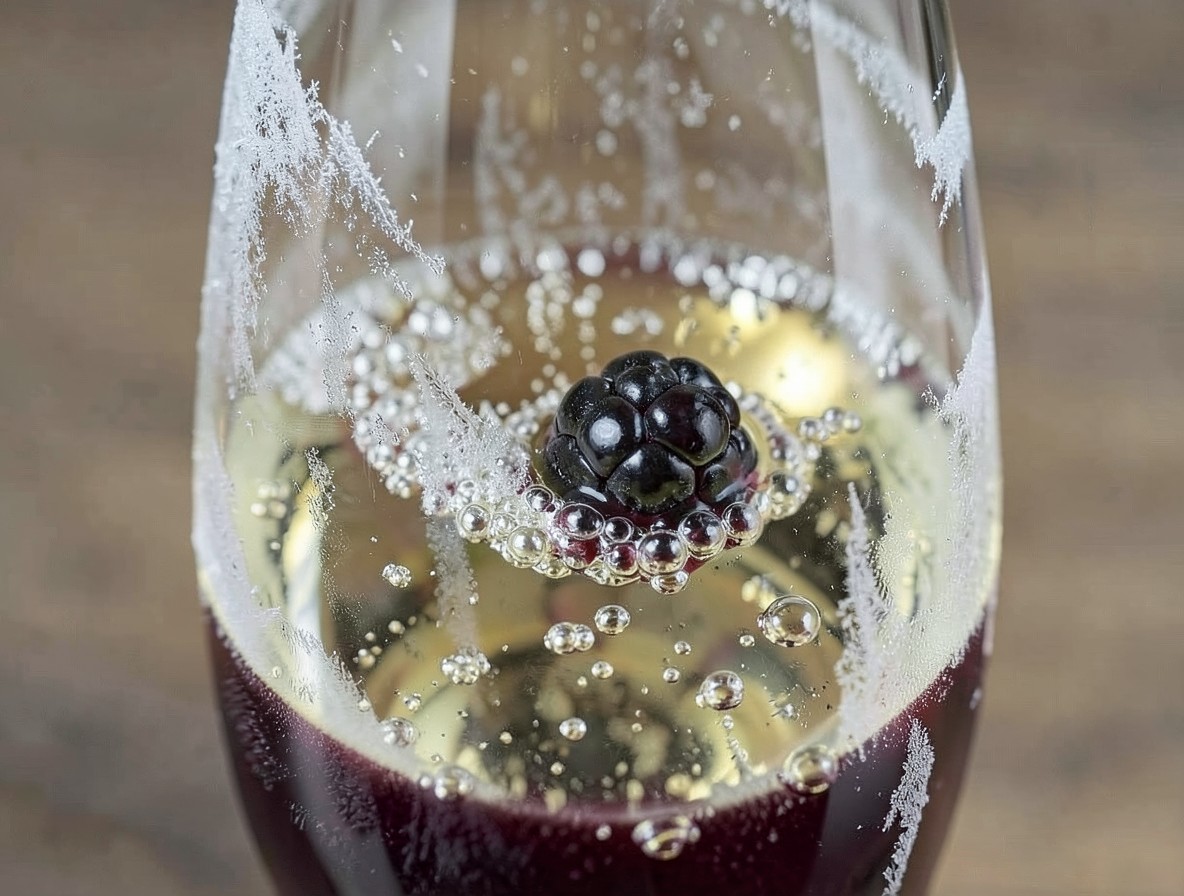
Drop one fresh blackberry or two raspberries into the glass. Don't stir — the drink is meant to be sipped as it separates and blends. Serve immediately. The drink is best in the first ten minutes, while the bubbles are still active and the cassis hasn't fully settled to the bottom.
Look for: A single glossy blackberry floats on the surface, surrounded by a ring of fine bubbles. The gradient is still visible, the wine is still shimmering with carbonation.
Common mistake: Stirring the drink with a bar spoon. This knocks out the carbonation and muddles the clean separation of flavors. The drink is built, not mixed.
Tips from the bar
- 1Chill the flute in the freezer for a full 10 minutes. The frost on the glass is not decoration — it keeps the wine cold without dilution.
- 2If you're using a sparkling wine with a cork, open it with a slow twist of the bottle, not the cork. This keeps the pressure controlled and prevents a bubble-killing pop.
- 3Measure the cassis with a proper jigger, not a guess. The difference between 15ml and 20ml is the difference between an aperitif and a dessert.
- 4For a more intense blackcurrant flavor, pour the cassis and swirl it once in the glass before adding the wine. This coats the glass and spreads the flavor.
- 5Serve the wine straight from the fridge. It should be about 6-8°C. Any warmer and the bubbles are too aggressive; any colder and they die.
Variations
- Use Prosecco or Cava instead of Champagne. You lose some complexity and gain a lighter, more casual drink. It's the standard house version in most bars.
- Swap the cassis for Chambord, the raspberry liqueur. The drink becomes more floral and tart, with a brighter red color instead of the deep purple-black of cassis.
- Make a Kir Pétillant with crémant d'Alsace — a sparkling wine from the same region as the cassis. It's the most authentic French version and usually half the price of Champagne.
- For a non-alcoholic version, top the cassis with a good sparkling water or a dealcoholized sparkling wine. It won't have the same wine depth, but the blackcurrant flavor and bubbles still work.
Substitutions
- Chambord works in place of crème de cassis, but the drink becomes raspberry-forward instead of blackcurrant. It's brighter and more floral, less earthy.
- Any dry sparkling wine can replace Champagne. Prosecco is lighter and fruitier; Cava is more mineral and crisp. Avoid sweet sparkling wines entirely.
- A blackberry syrup with a splash of vodka can stand in for cassis, but it lacks the wine-based depth of the real liqueur. Use it only in a pinch.
Serving, storing, batching
Serve the Kir Royale as an aperitif before dinner — it's designed to wake up the palate without filling you up. It pairs beautifully with oysters, goat cheese, or anything salty and briny. The sweetness of the cassis cuts through the salt, and the bubbles scrub your palate clean for the next bite.
There's no storage — this drink is made to order. Once the champagne hits the cassis, the bubbles start dying. If you have leftover cassis, keep it in the fridge, well-sealed. It will last months. An open bottle of sparkling wine holds its carbonation for about 24 hours if you seal it with a champagne stopper.
For a party, don't pre-mix the drinks. Instead, set up a bar with chilled flutes, a bottle of cassis, and opened bottles of sparkling wine. Let guests build their own. If you must batch, pour 1 tablespoon of cassis into each glass before the guests arrive, then top with wine at the moment of serving. Pre-mixing kills the bubbles and flattens the drink.
Questions people ask
The Kir Royale has two forms of alcohol: crème de cassis, a blackcurrant liqueur that's usually around 15-20% ABV, and Champagne or sparkling wine, which is typically 12% ABV. The final drink lands around 12% ABV, depending on the ratio.
The cost comes from the Champagne. A bottle of real Champagne can run $40-$100, and the drink uses about 150ml per glass. Crème de cassis also isn't cheap — a good bottle runs $20-$30. But you can make a perfectly good Kir Royale with a $15 bottle of Cava or Prosecco.
It tastes like sweet blackcurrant upfront, followed by the dry, crisp finish of sparkling wine. The bubbles carry the fruit flavor, so you get a tart sweetness that doesn't linger. It's lighter and less syrupy than you might expect from a fruit liqueur drink.
Yes, but not because of any rules. It's classy because it's simple and balanced, and it doesn't hide behind sweet mixers. The ingredients speak for themselves. A good Kir Royale shows restraint — a quality that always reads as classy.
The Kir uses dry white wine, traditionally Bourgogne Aligoté, while the Kir Royale uses sparkling wine or Champagne. The Royale is the celebratory version. The original Kir is lighter and more casual, with lower alcohol and less carbonation.
You need three things: 1 tablespoon of crème de cassis, 150ml of chilled Champagne or dry sparkling wine, and a berry for garnish, though that's optional. No ice, no citrus, no simple syrup — the drink is built in the glass.
Chambord, a raspberry liqueur, is the closest substitute — it's the same style, just with a brighter, more floral flavor. You can also use a blackcurrant syrup with a splash of vodka, though it will be sweeter and less complex.
Yes. Swap the crème de cassis for 1 tablespoon of Chambord. The drink becomes raspberry-forward, with a brighter red color and a more floral nose. It's slightly sweeter than the cassis version, but the dry wine still balances it.
Yes, absolutely. Use a brut-style Prosecco for the best balance — it's dry enough to handle the cassis. You'll get a lighter, fruitier drink than a Champagne version, but it's still a proper Kir Royale.
Last word
The Kir Royale is a drink that rewards restraint. Three ingredients, one correct ratio, and a slow pour. Master that and you have a year-round aperitif that works for brunch, celebrations, or a quiet evening. Make one tonight — it takes two minutes.