Boulevardier Recipe: Stirred, Strong, and Built on Three Equal Parts
The Boulevardier is a stirred cocktail made with equal parts bourbon, Campari, and sweet vermouth, garnished with an orange peel. It's bitter, sweet, and spirit-forward. It takes about 3 minutes to make one serving in a rocks glass over a large cube.

- Basebourbon
- Strength28% ABV, approximate
- Methodstir
- Glassrocks
- Icelarge cube
- Difficultyeasy
- Total3 min
- Serves1
- Bitter
- Sweet
- Herbal
- Spirit-forward with a warm caramel backbone
- Jigger or measuring spoons
- Bar spoon
- Mixing glass
- Fine strainer
- Large ice cube
- Rocks glass
The Boulevardier is a drink that demands you sit with it. It's a whiskey Negroni, effectively, but swapping gin for bourbon changes the entire character. Where the Negroni is sharp and botanical, the Boulevardier is round, warm, and carries a distinct caramel depth from the whiskey that plays against Campari's bitter edge. It's a cold-weather cocktail, a nightcap, a drink for when you want something strong that doesn't hide its intentions. This version sticks to the equal-parts structure, which is the drink's entire logic. You're not building a hierarchy of flavors. You're creating a single, unified bitter-sweet chord. The stir is non-negotiable. This is a spirit-forward drink with no citrus or dairy to emulsify, so shaking would bruise the texture and add excessive dilution. Stirring keeps it silky and clear. You'll have it built in under three minutes, and you'll know exactly what you're drinking from the first sip.
About the Boulevardier
The Boulevardier's exact origin is debated, but its most cited creator is Erskine Gwynne, an American expatriate who published a Paris-based magazine called The Boulevardier in the 1920s. The drink is a direct relative of the Negroni, swapping gin for whiskey. Historically, it was made with rye, though bourbon is now the standard. It gained renewed popularity during the craft cocktail revival of the early 2000s, and it's now a staple on menus alongside its cousin. It belongs to the broader family of bitter, equal-part, stirred drinks that includes the Americano, the Old Pal, and the Negroni. Its cultural role is as a digestif or a contemplative evening drink, often served on a single large ice cube to control dilution.
Why it works
- 1Equal parts bourbon, Campari, and sweet vermouth create a balanced structure where no single ingredient dominates. Campari's bitterness is tempered by the vermouth's sugar, and the whiskey's oak and caramel round out the whole profile.
- 2Stirring, not shaking, introduces just the right amount of water—about 20-25% of the final volume. This dilution is essential to open up the aromatics of the whiskey and soften the Campari's bite.
- 3A single large ice cube melts slower than cracked ice, which means the drink gets cold without becoming diluted too quickly. You get a more consistent sip from start to finish.
- 4The orange peel garnish is not decorative. The expressed oils land on the surface of the drink and provide a bright, citrusy aroma that contrasts the bitter-sweet palate with every sip.
- 5Bourbon's higher proof and sweetness compared to rye or gin hold up against Campari's aggressive bitterness, creating a richer, more rounded mouthfeel.
Ingredients
Serves 1.
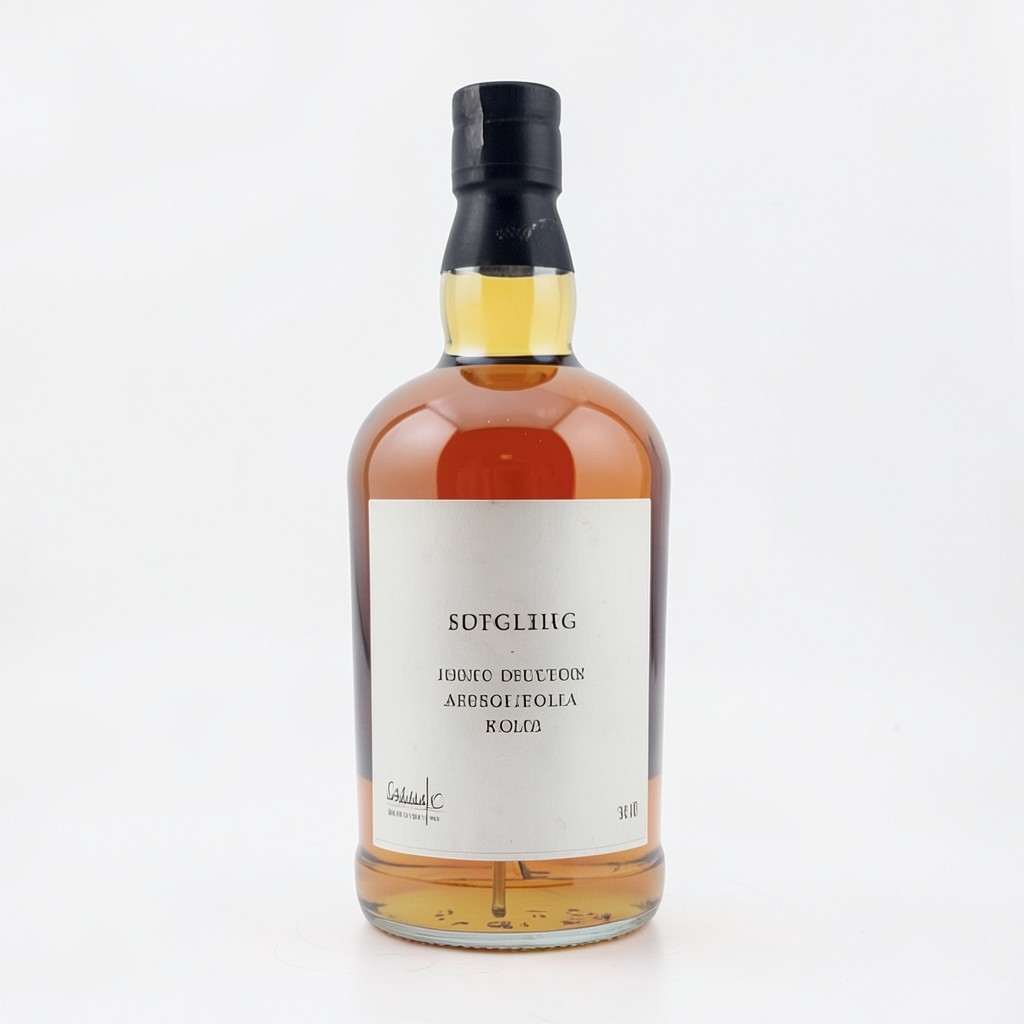 1 oz Bourbon
A higher-proof bourbon (100 proof) holds up better against Campari. If you use a standard 80-proof, the drink can taste a bit thin.
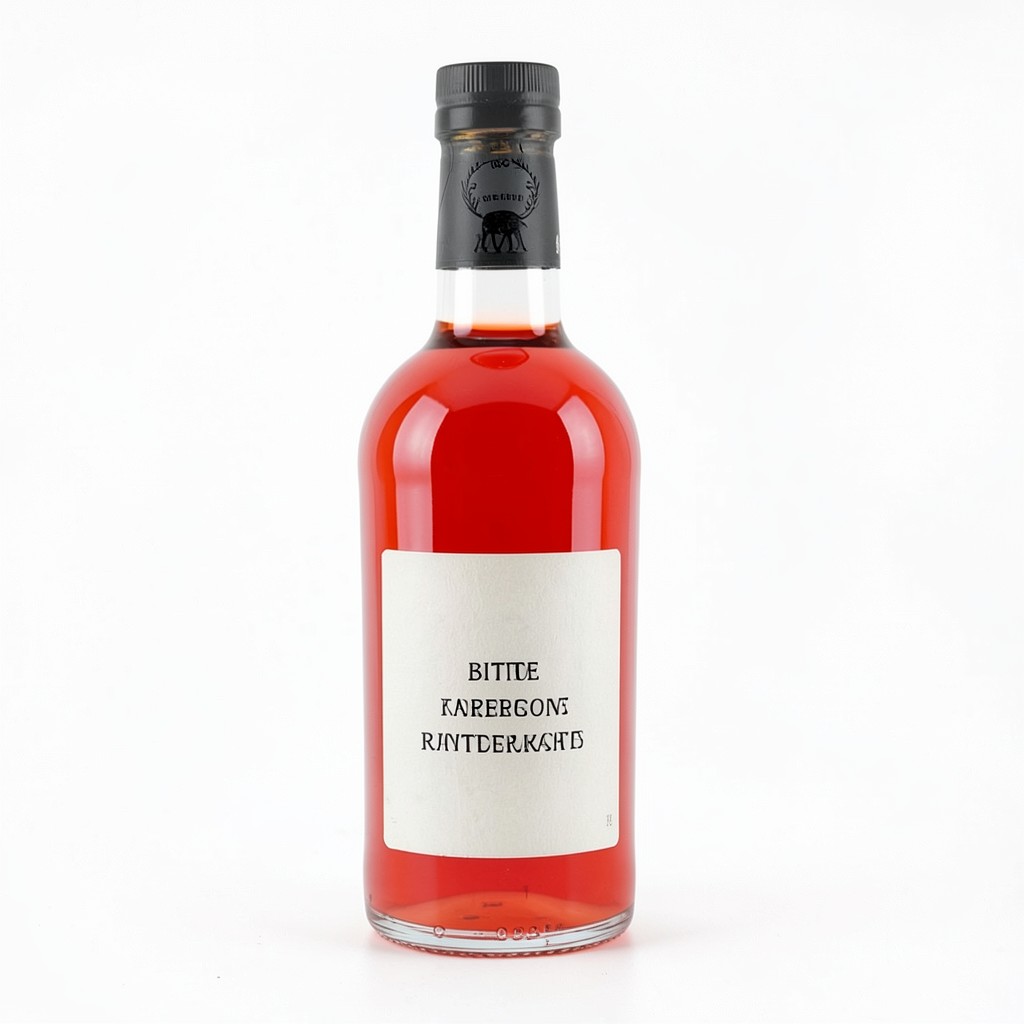 1 oz Campari
Campari is the bitter backbone. There is no direct substitute that tastes the same, but other Italian amari like Aperol (sweeter, lower proof) or Cynar (more herbal) will change the character significantly.
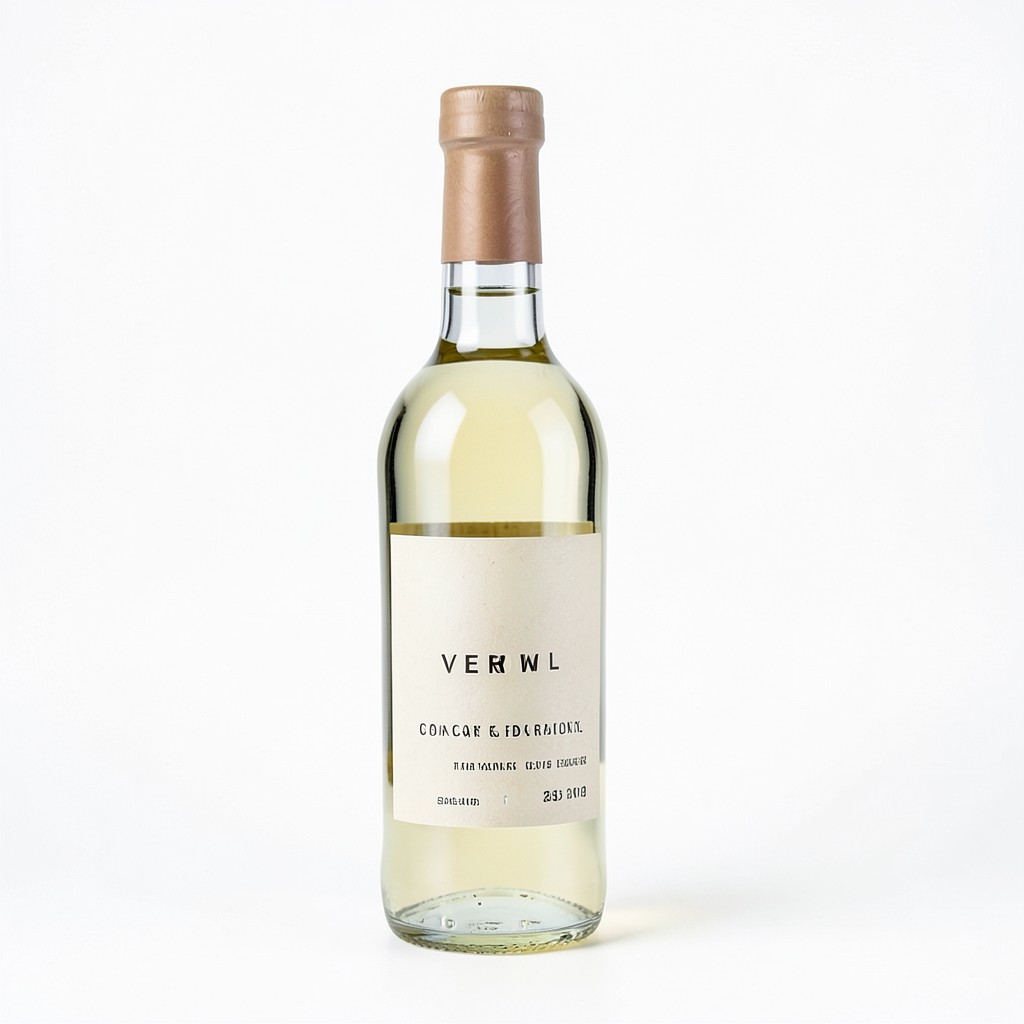 1 oz Sweet Vermouth
Use a good-quality sweet vermouth like Carpano Antica or Dolin Rouge. The vermouth's herbal sweetness is what bridges the bourbon and Campari.
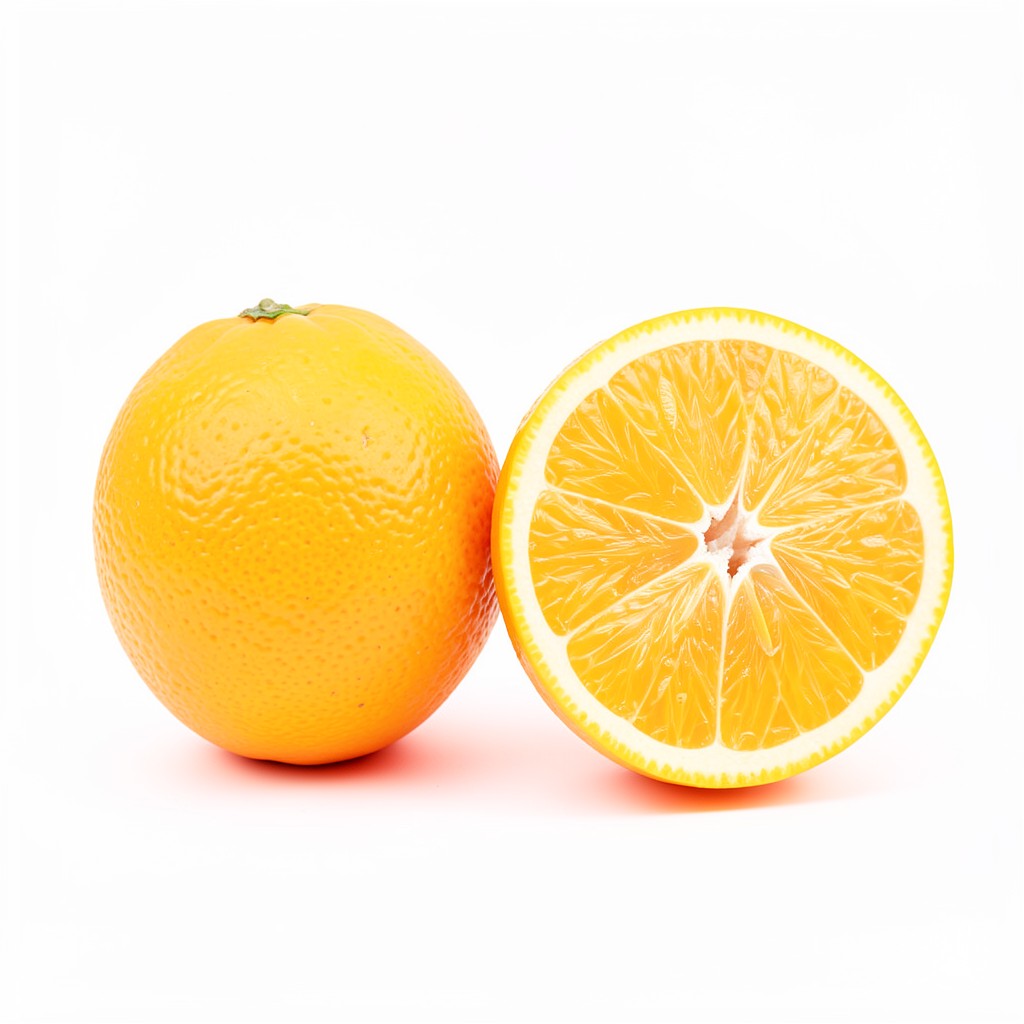 1 strip Orange Peel, About 2 inches long, no pith
The oils from the peel are a crucial aromatic component. Avoid the white pith, which is bitter in an unpleasant, vegetal way.
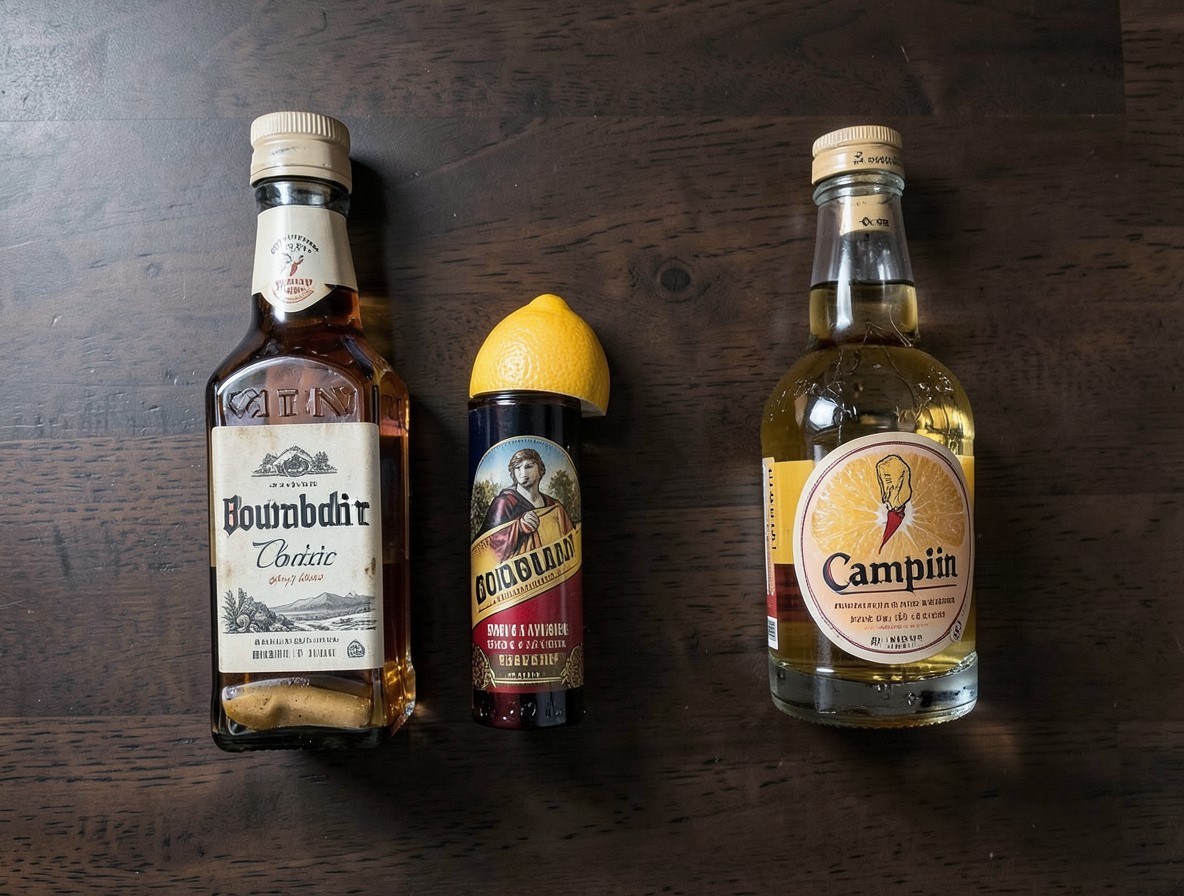
ingredients
The bourbon is the star here, so use one you'd drink neat. A rye whiskey will give you a spicier, drier result; a bourbon gives you caramel and vanilla. For the vermouth, avoid anything that's been sitting open in the fridge for months. It oxidizes and loses its bright, herbal character, and that will flatten the entire drink. If you want to experiment, swap the Campari for Aperol for a lighter, more orange-forward drink, or use a smoky mezcal instead of bourbon for a completely different beast.
You need: jigger or measuring spoons, bar spoon, mixing glass, fine strainer, large ice cube, rocks glass.
Method
Chill the glass
Fill your rocks glass with a large ice cube and set it aside. The goal is to get the glass cold and frosty before the drink goes in, so it doesn't warm up immediately. You can also stick it in the freezer for five minutes if you have the time.
Look for: The outside of the glass should be lightly frosted or at least cold to the touch.
Common mistake: Skipping this step. A warm glass melts your ice cube faster and dilutes the drink before you even pour it.
Add the bourbon, Campari, and sweet vermouth to a mixing glass filled with large ice cubes. Stir gently with a bar spoon for about 25-30 seconds. The goal is to chill and dilute the drink to the right point, around 20-25% water, without over-diluting. The ice is doing the work—you're just guiding it.
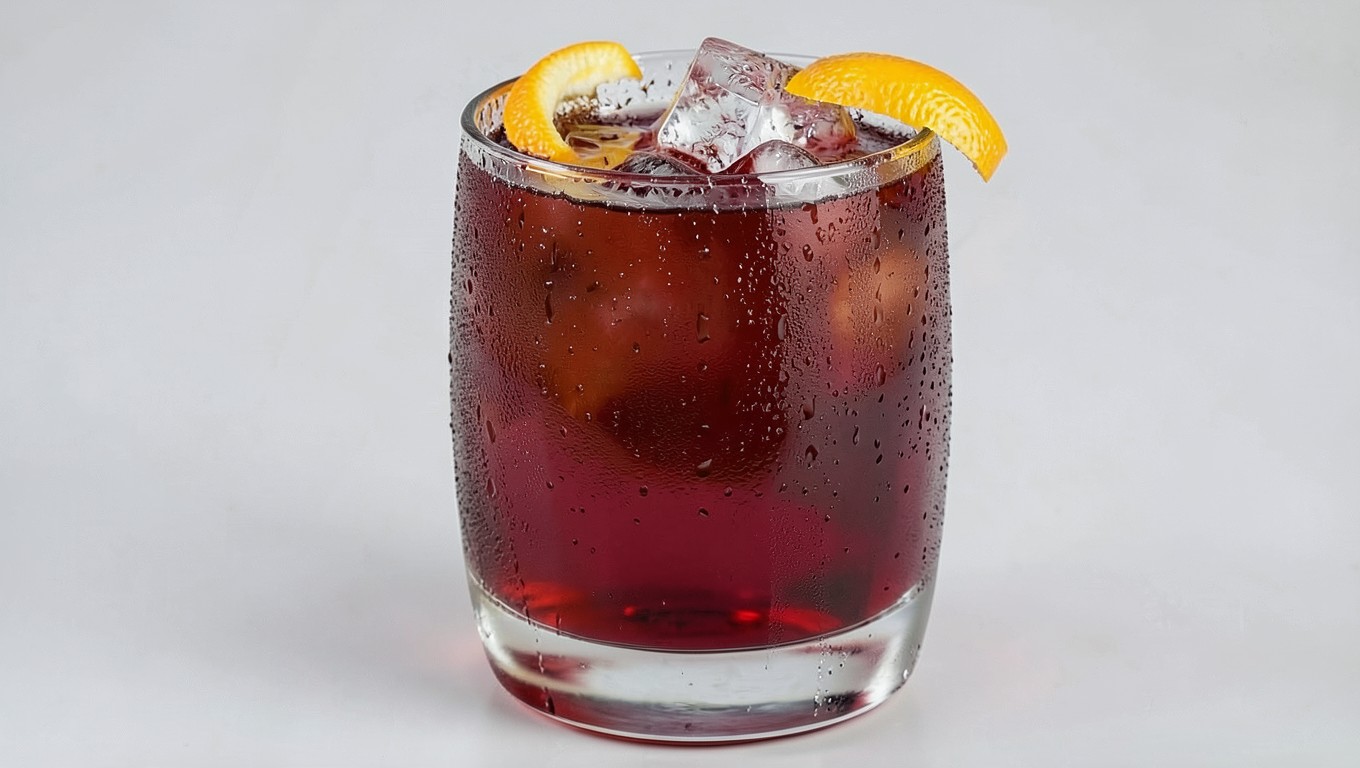
Look for: The mixture should be well-chilled, and you'll see a thin layer of condensation forming on the outside of the mixing glass. The liquid will be uniformly deep ruby-red and completely clear, with no cloudiness.
Common mistake: Stirring too aggressively or for too long. Over-stirring turns a balanced drink watery and flat. Stop when the mixing glass feels very cold to the touch—that's your cue.
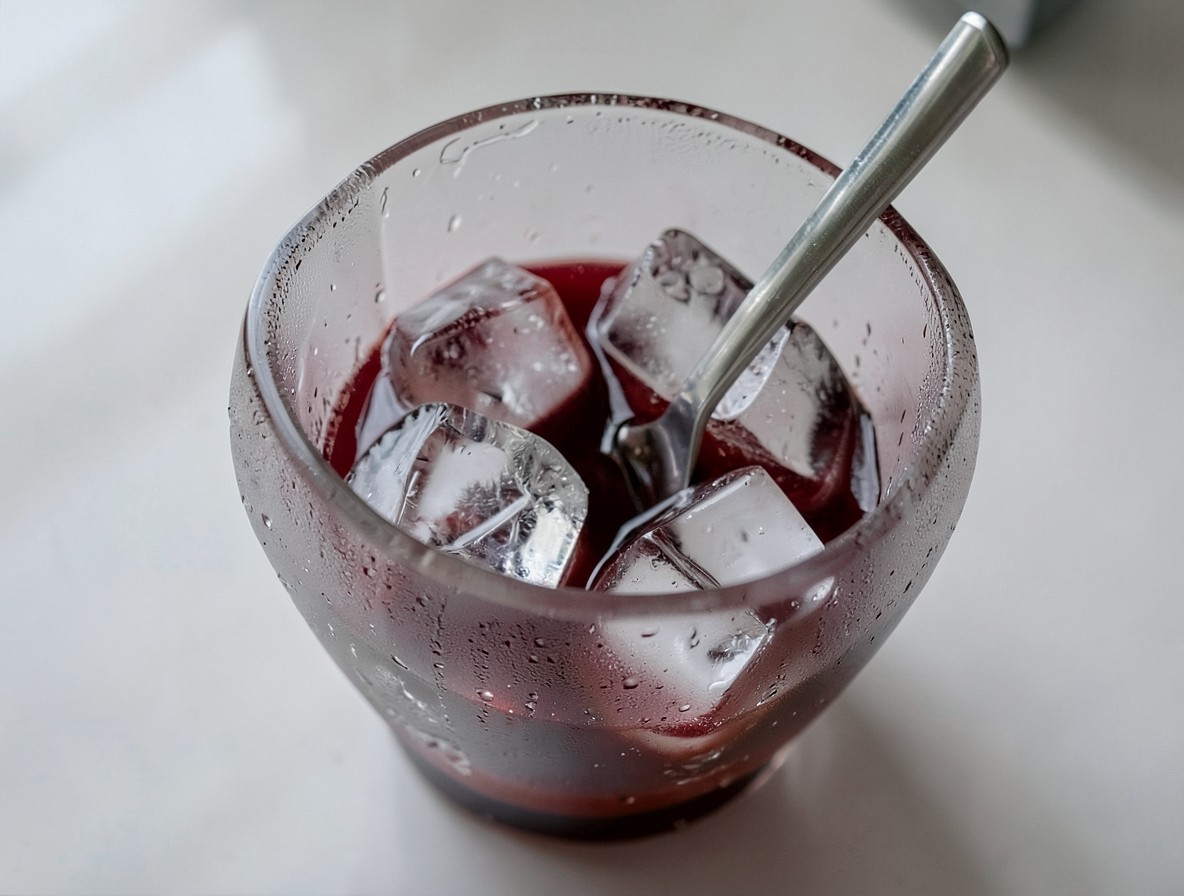
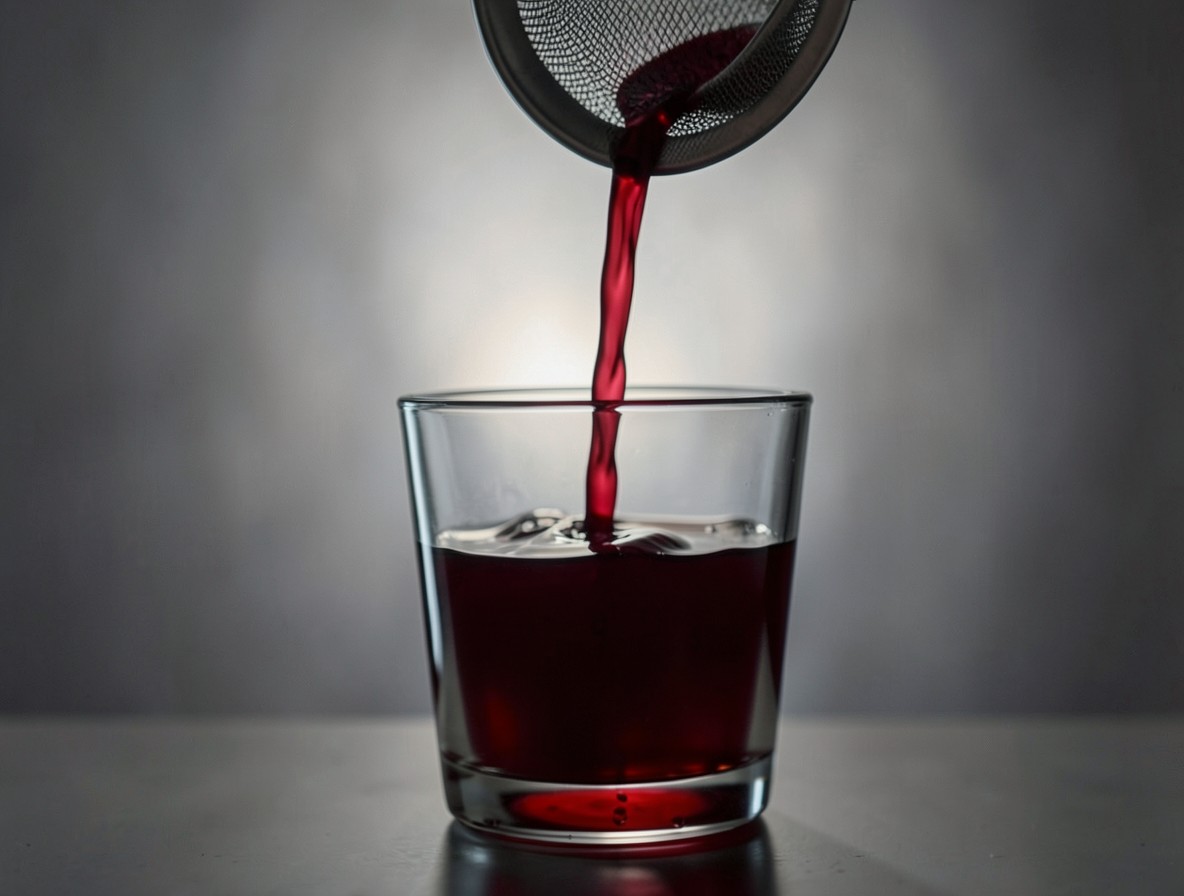
Discard the ice from your chilled rocks glass. Place a fine strainer over the glass and slowly pour the stirred cocktail through it. The fine strainer catches any small shards of ice that could over-dilute the drink and any unwanted bits.
Look for: The liquid should be a deep, translucent ruby-red, completely clear with no cloudiness. The glass should be about three-quarters full, leaving room for the large ice cube if you want to add one back.
Common mistake: Skipping the fine strainer. Small ice chips will melt fast and water down the drink. Also, pouring too fast can cause splashing, which aerates the drink and changes its texture.
If you want the drink to stay cold for a longer period, add a single fresh large ice cube to the glass. If you prefer a slightly more diluted, softer drink, you can skip this and serve it 'up'—though that's not the classic presentation.
Look for: A single, crystal-clear cube sitting in the deep ruby liquid, with the glass lightly fogged from the cold.
Common mistake: Using the same ice you used to chill the glass. It's already partially melted and will water down the drink. Always use fresh ice.
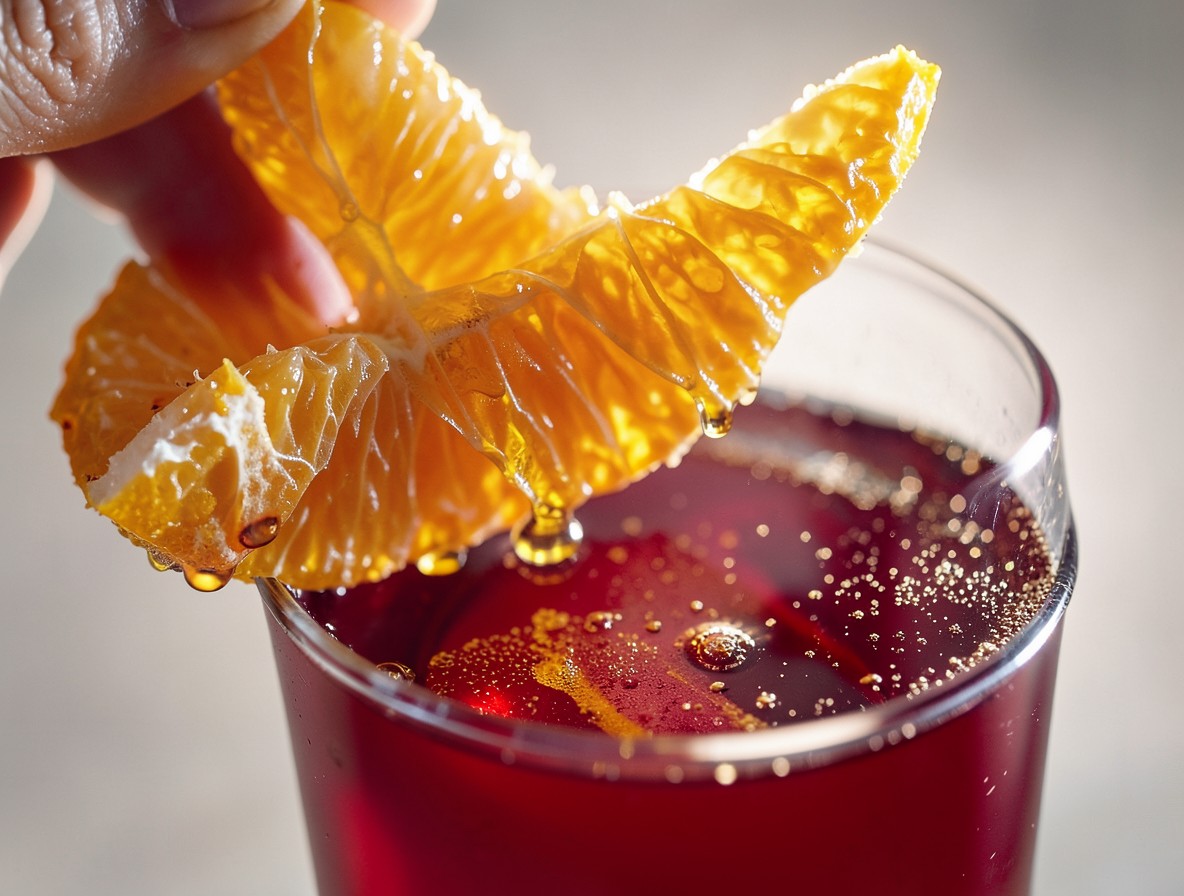
Take a strip of orange peel, about 2 inches long. Hold it over the glass, skin side down, and give it a sharp twist to express the oils onto the surface of the drink. You should see a fine mist of oil hit the liquid. Then, run the peel around the rim of the glass and drop it in, or rest it on the edge.
Look for: A thin, glossy layer of orange oil on the surface of the drink, and the aroma of fresh orange immediately hits your nose as you bring the glass up. The peel should be bright and vibrant against the dark red liquid.
Common mistake: Twisting the peel too gently, which fails to release the oils, or pressing so hard you get white pith in the drink. The peel should bend easily—if it cracks, it's too dry or too thin.
Tips from the bar
- 1Use a 100-proof bourbon. The extra alcohol and flavor density hold up better against Campari's bitterness, creating a more balanced drink.
- 2Stir for a full 30 seconds, not less. The drink needs that dilution to open up. Taste it after 20 seconds and you'll find it harsh; after 30, it's smooth and integrated.
- 3If you don't have a mixing glass, use a pint glass. The key is plenty of ice and room to stir without splashing.
- 4Don't skip the orange peel. The aromatic oils are a key part of the flavor experience, changing how you perceive the bitterness with each sip.
- 5For a slightly different profile, try a 2:1:1 ratio (2 parts bourbon, 1 part Campari, 1 part vermouth) if you find the classic too bitter. The drink stays balanced but shifts toward the whiskey.
Variations
- Old Pal: Swap the bourbon for rye whiskey and the sweet vermouth for dry vermouth. This makes a drier, spicier, and even more herbaceous drink.
- Mezcal Boulevardier: Swap the bourbon for a smoky mezcal. The smoke pairs beautifully with the Campari's bitterness, creating a completely different, more complex drink.
- Boulevardier Spritz: Build the base drink in a wine glass, then top with 2-3 oz of club soda or prosecco over ice. This lightens the drink and makes it more suitable for a warm afternoon.
- Aperol Boulevardier: Swap the Campari for Aperol. It's sweeter and less bitter, resulting in a much softer, more approachable drink that leans toward the orange flavors.
Substitutions
- Rye for bourbon: Rye's spicier profile makes the drink drier and sharper. The trade-off is less caramel sweetness.
- Aperol for Campari: Aperol is sweeter and lower in alcohol, making a lighter, less bitter drink. It won't have the same bold character.
- Cynar for Campari: Cynar is an artichoke-based amaro that's more herbal and earthy. It creates a fascinating, vegetal twist that some people love and others find too unusual.
- Cocchi Vermouth di Torino for sweet vermouth: This is a richer, more bitter vermouth. It adds another layer of complexity, but you might need to adjust the ratio to balance it.
Serving, storing, batching
Serve the Boulevardier on its own, or with a small dish of salted nuts or dark chocolate. The bitterness of the Campari and the sweetness of the vermouth pair well with the salt and cocoa. It's a drink that wants to be sipped slowly, not rushed.
This is a single-serve drink meant to be made fresh. You can pre-batch the ingredients (without ice) in a sealed bottle in the fridge for up to a week, but the vermouth will slowly oxidize and lose its brightness over time. For a party, mix the three spirits together in a bottle and chill it, then pour over ice and stir in the glass.
For a party of 8, combine 8 oz bourbon, 8 oz Campari, and 8 oz sweet vermouth in a large pitcher or bottle. Refrigerate until very cold. When ready to serve, pour 3 oz of the mixture into a rocks glass with a large ice cube and stir gently for 10 seconds. This avoids over-dilution and keeps each drink consistent.
Questions people ask
A Boulevardier is made with equal parts bourbon, Campari, and sweet vermouth. It's stirred with ice, strained into a rocks glass over a large cube, and garnished with an orange peel. That's all there is to it.
The Negroni uses gin, which brings botanical, juniper-forward notes. The Boulevardier swaps the gin for bourbon, which adds caramel, vanilla, and oak. The Boulevardier is generally richer, sweeter, and more warming.
Use a high-proof bourbon (100 proof or higher), a quality sweet vermouth, and stir it for a full 30 seconds with large ice. Strain it over a single fresh large cube and don't skip the orange peel. The extra proof and proper dilution are what make it exceptional.
Yes, in structure, but it's a different drink in character. The bourbon's sweetness and oak change the entire balance, creating a warmer, more full-bodied cocktail. It's a simple substitution that results in a distinctly different experience.
The Old Fashioned is a spirit, sugar, bitters, and water. The Boulevardier is a three-part equal mix of bourbon, Campari, and sweet vermouth. The Boulevardier is significantly more bitter and complex, while the Old Fashioned is simpler and revolves entirely around the whiskey.
You'll need 1 oz bourbon, 1 oz Campari, 1 oz sweet vermouth, and an orange peel for garnish. Optionally, a large ice cube for serving.
Stir together 1 oz bourbon, 1 oz Campari, and 1 oz sweet vermouth with ice. Strain into a wine glass over fresh ice and top with about 2 oz of club soda or prosecco. Garnish with an orange slice. This makes it lighter and more refreshing.
Stirred. Always stirred. Shaking introduces too much dilution and aerates the drink, making it cloudy and thin. A proper stir chills and dilutes to about 20-25% water, which is exactly what this spirit-forward cocktail needs to open up.
Use a high-proof bourbon, ideally 100 proof or higher, like Wild Turkey 101 or Knob Creek. The extra alcohol holds up against Campari's aggressive bitterness, keeping the drink balanced. A standard 80-proof bourbon will make a thinner, less integrated cocktail.
Last word
The Boulevardier is a masterclass in simplicity—three equal parts, a proper stir, and a twist of orange. It's a drink that rewards patience and precision. Build one tonight, taste it slowly, and you'll understand why it's a timeless classic.